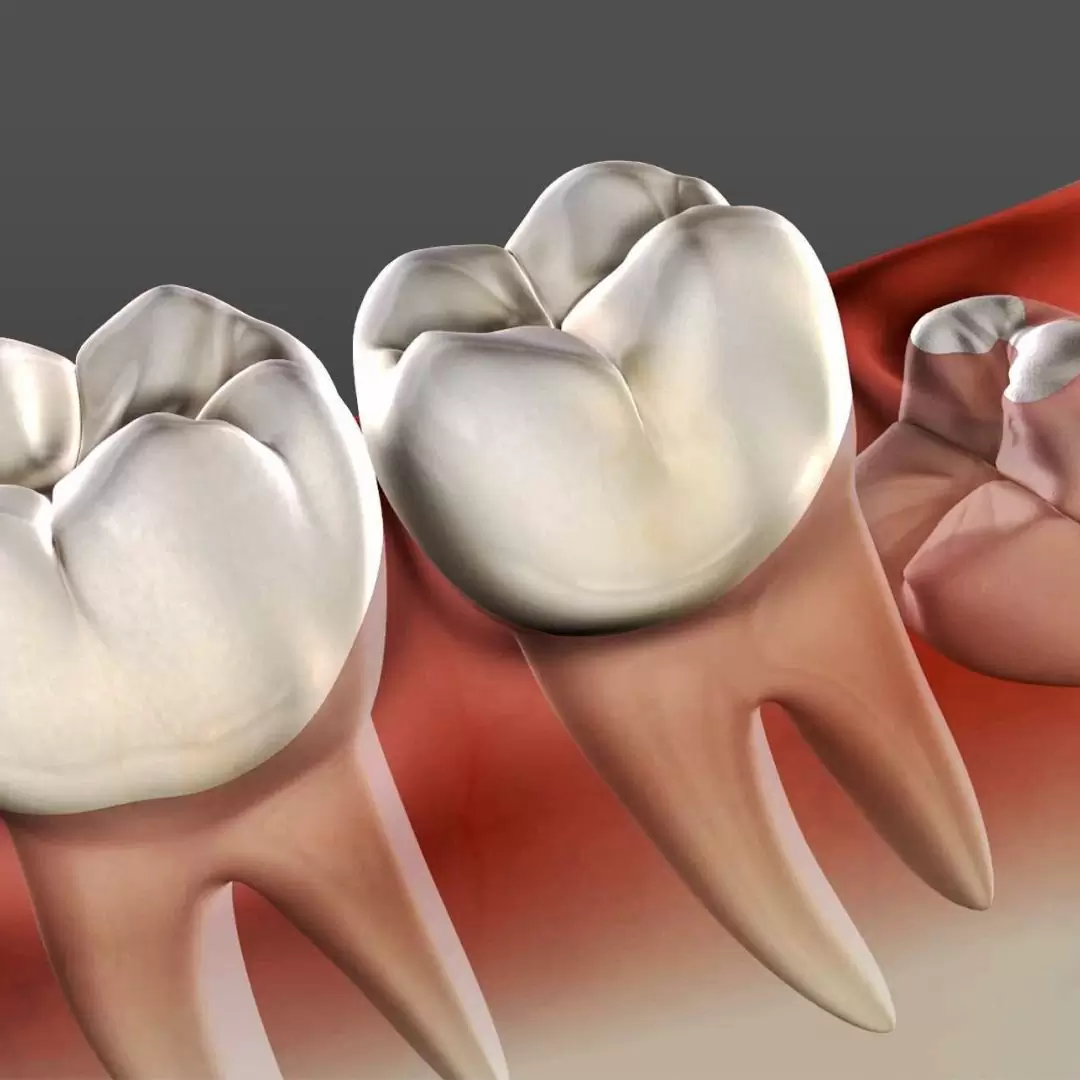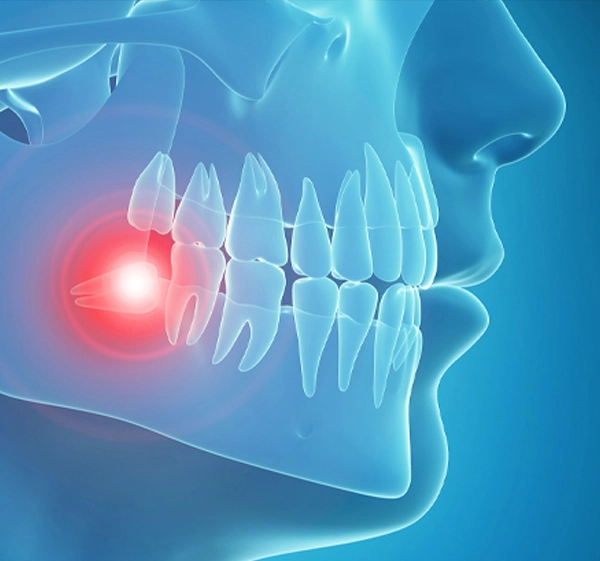
The answer to whether a root canal can be repeated is most often yes: if the remaining tooth structure is sound, the root is not fractured and the canals can be reached again, it is possible to save the tooth with a second root canal. When the tooth cannot be preserved, the root is fractured or the surrounding bone has been badly damaged, extraction comes into question. The decision is made by the dentist by looking at the examination and the X-ray.
How you can tell a root canal has failed
Failure means that the infection in a treated tooth continues or comes back. These signs suggest it:
- Pain when biting or touching the treated tooth.
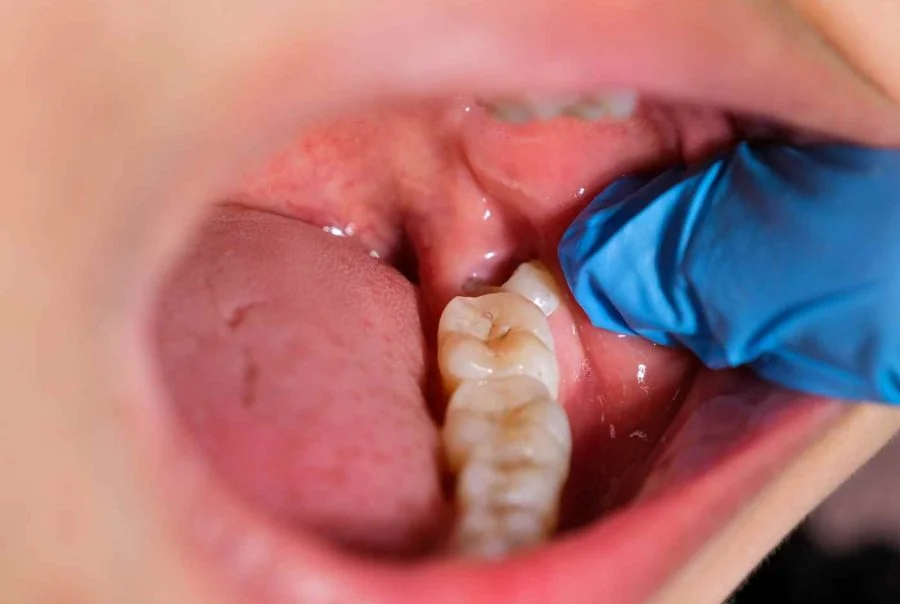
- Swelling, a pimple or discharge (fistula) on the gum.
- Pain that does not go away after treatment or starts again later.
- A dark area at the tip of the root on the X-ray and bone that does not appear to be healing.
Sometimes there are no complaints at all and the problem is seen only on a check-up X-ray; this is why check-ups after treatment matter. We explained when a root canal is needed on our page in which situations a root canal is needed.
Treating the same tooth a second or third time
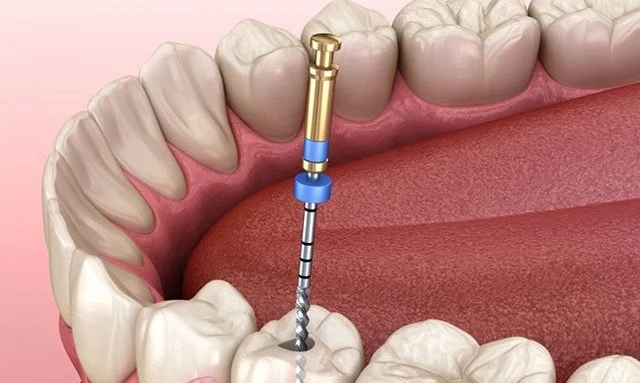
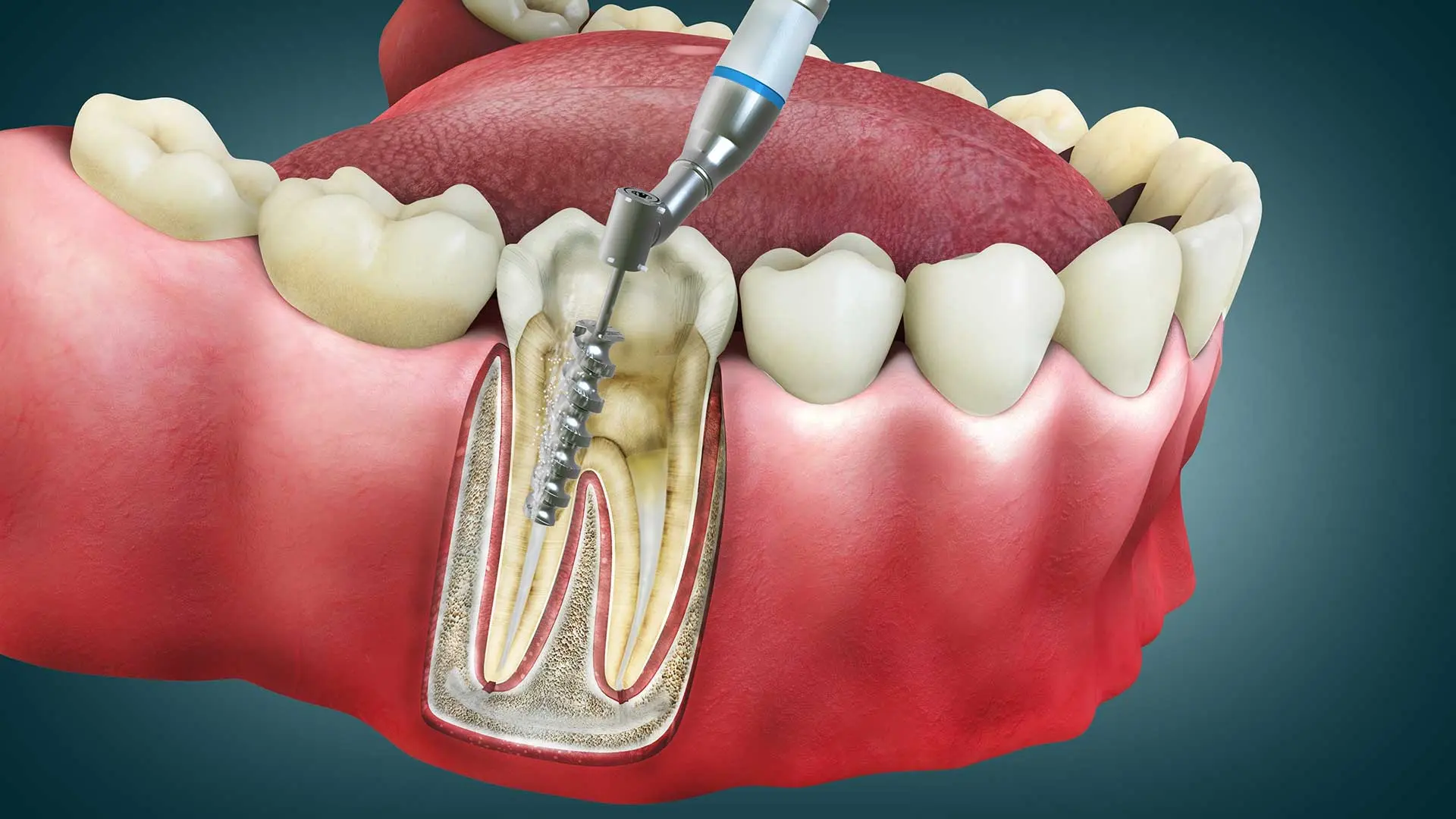
A root canal can be done again on the same tooth, but with each repetition the chance of success and the durability of the tooth depend on the dentist’s assessment. A second treatment means removing the old filling, cleaning the canals again and filling them. If there is a missed canal, an inadequate filling or a leaking restoration on top, the chance that the second treatment succeeds is higher.
What limits a third treatment is the structure left in the tooth and the condition of the root. If the root is cracked, the tooth has become very thin or repeated infection has damaged the bone, other options are discussed instead of trying a third time. For the duration and session plan, you can also look at our article on how a root canal is done.
Retreatment versus surgical options
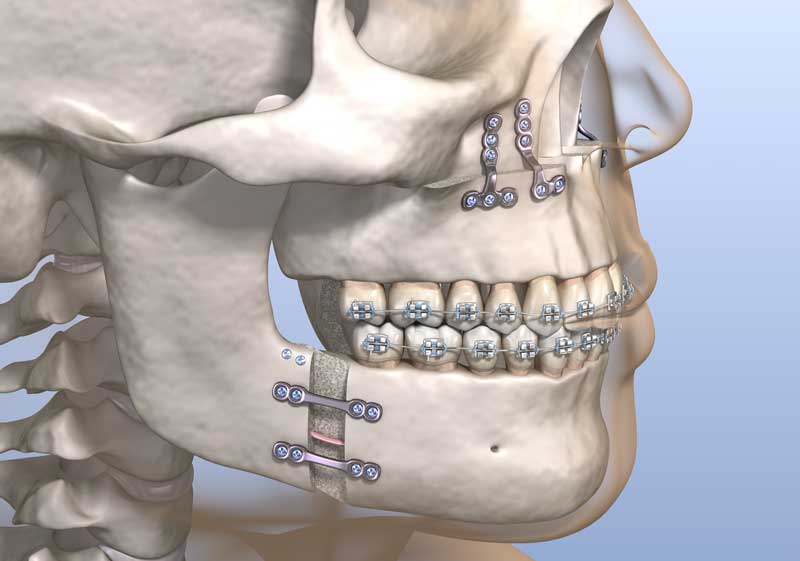
If a repeat root canal is not enough or the canals cannot be reached, apical surgery (root-end surgery) may be considered. In this procedure, the inflamed tissue at the root tip is cleaned and the root tip is sealed; the tooth stays in the mouth. Surgery is chosen when the root is suitable and the upper structure of the tooth is sound. The dentist explains at the examination which path is more suitable.
In which situations extraction is considered
Extraction is recommended in situations where preserving the tooth would bring no benefit. The main reasons are these:
- The root has fractured or cracked vertically.
- The upper structure of the tooth has broken down so much that it cannot be repaired with a crown or filling.
- There is advanced loss in the surrounding bone and constant inflammation with the gum.
- The infection continues despite retreatment and surgery.
The question of whether a root canal or an extraction is more correct has no single answer: keeping a tooth that can be preserved is mostly an advantage, but trying to keep a tooth that cannot be saved can prolong the infection.
Implants and other options after extraction
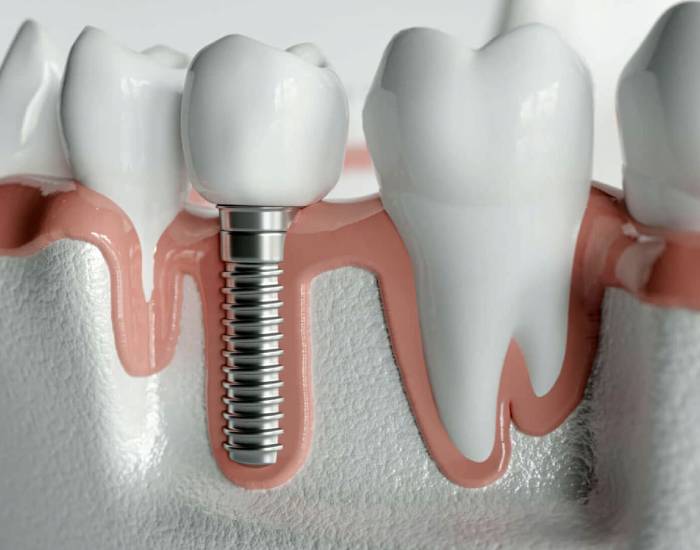
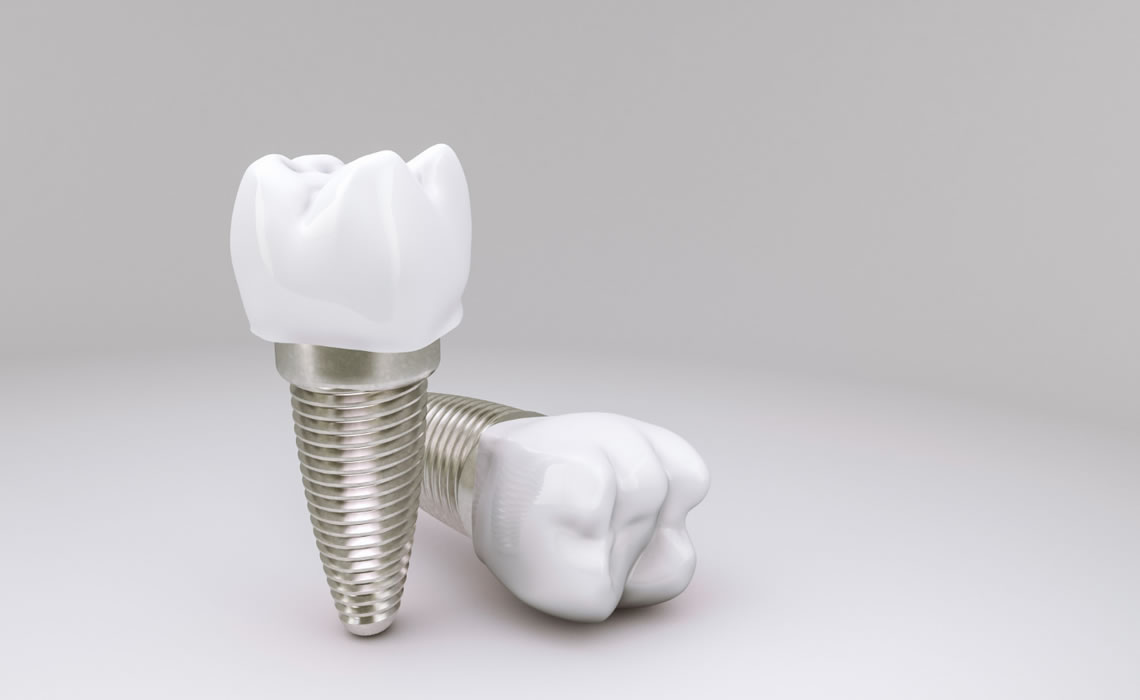
After extraction, the space can be closed with an implant, a bridge or a denture. An implant is one of the options that provide chewing strength and the protection of the neighboring teeth; depending on the condition of the bone and the healing process, the dentist decides the timing. You can look at whether an implant can be placed right after an extraction in our article can an implant be placed right after a tooth extraction.
What the dentist looks at when deciding
The dentist first looks at the tooth structure, the condition of the root, the bone loss and how widespread the infection is. For this, the examination, X-ray and, if needed, three-dimensional imaging are used. The function of the tooth in the mouth, its chewing load and its relationship with the neighboring teeth also affect the decision.
Check-ups and imaging are very important in deciding to save a tooth: a failure noticed early can be solved with retreatment, whereas a delayed infection can damage the surrounding bone. If you have complaints in a treated tooth or it is time for a check-up, you can talk to OPC Klinik through our contact page.