The first answer to what to do about a broken tooth: stay calm, rinse your mouth with lukewarm water, keep the broken piece if you can find it, and see a dentist as soon as possible. If the break is small and only at the level of the enamel or slightly into the dentin, repair with bonding in the same session is often possible; if the break is close to the nerve or affects the tooth root, the treatment plan is different. The decision is made by the dentist according to the examination and X-ray.
What to do first when a tooth breaks
What to do when a tooth breaks, in order, is as follows:
- Rinse your mouth with lukewarm water. It clears blood and debris; be careful with cold or hot water, because the broken area may be sensitive.
- If there is bleeding, press with a clean piece of gauze. Pressing for a few minutes often stops the bleeding.
- Apply cold from the outside. If there is swelling of the lip or cheek, hold a closed ice pack against the cheek.
- Find the broken piece and keep it. How to store it is explained in the next section.
- Do not poke at the broken edge with your tongue or finger. A sharp edge can injure the tongue, and exposed tissue is sensitive too.
- Call the dentist and make an appointment. If there is pain, bleeding or a serious blow, go the same day.
How to store the broken piece if you have it
If the broken piece has been found, it is better to keep it in a moist medium such as milk or salt water than to wrap it in a dry tissue. When rinsing the piece, do not scrub it, do not touch the root surface, and bring it to the appointment. It cannot always be bonded back on, but showing the piece to the dentist widens the repair options.
How soon should you see a dentist?
When a tooth breaks, you should see a dentist the same day if possible, or within a few days at the latest. Go without waiting in the following cases:
- If there is sharp sensitivity to cold, heat or air
- If bleeding can be seen from the tooth or a pink spot is noticed
- If, together with a blow, the tooth feels loose in its place
- If there is swelling in the face or a fever
- If the break is cutting the tongue or cheek
With a small enamel break and no sensitivity you may not need to hurry, but it is good to have an examination in this case too, because cracks that cannot be seen by eye can later turn into a bigger break. When you go to the dentist, telling them when and how it broke and whether there is pain, sensitivity or bleeding makes it easier to choose the right repair method.
In which cases is repair with bonding suitable?
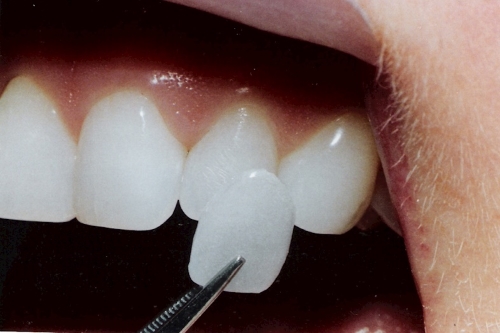
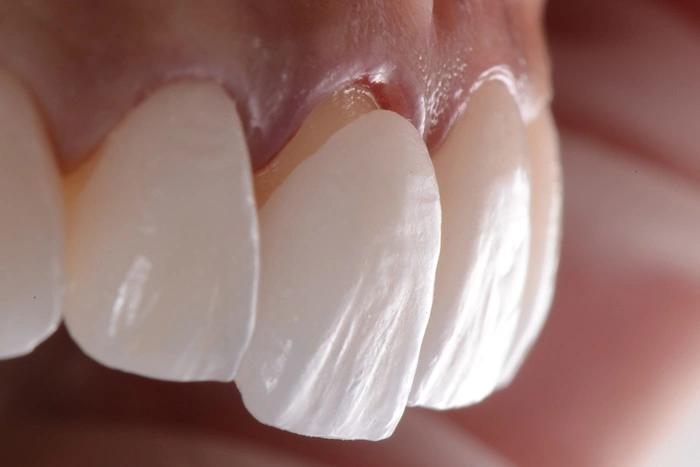
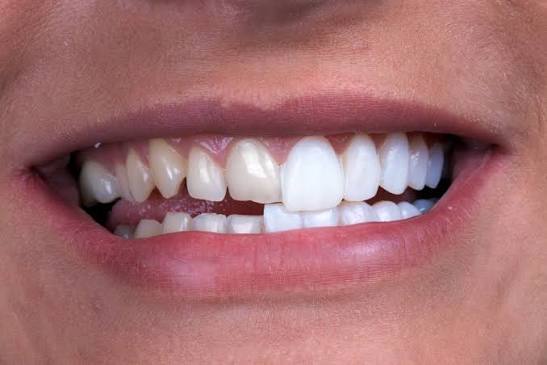
Bonding is the reshaping of a broken tooth tip with tooth-coloured composite material and is generally suitable for small and medium-sized breaks in the front teeth. When the tip of a front tooth breaks and the break is not close to the nerve and enough sound tooth tissue remains, bonding is often done in the same session. If the break is large or the tooth is cracked, more lasting options such as a crown may come into question. Bonding is among the services of OPC Klinik; you can look at it on the Kadıköy bonding procedure page.
Why do teeth break?
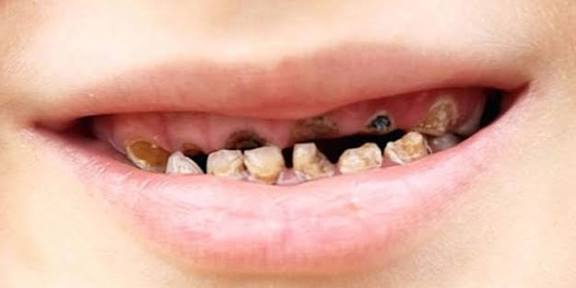
Teeth break mostly because of a blow, biting something hard, a large cavity, or tooth tissue that has weakened around an old filling. Teeth that have had a root canal treatment become brittle over time and can therefore break more easily. Teeth clenching and grinding at night also wear down the thin enamel edges and set the stage for small breaks. Knowing the cause is necessary so that the same problem does not recur after the repair; for this reason the dentist looks not only at the break but also at your bite pattern and habits.
The steps of the bonding procedure and anaesthesia
The bonding procedure follows a simple sequence and is often completed in a single session:
- The dentist examines the tooth, takes an X-ray if needed and decides on the depth of the break.
- The broken surface is cleaned; if the break is small and not sensitive, anaesthesia is usually not needed, and if there is sensitivity, local anaesthesia is applied.
- The surface is prepared for the bonding material and a composite matching the tooth colour is chosen.
- The composite is added layer by layer, shaped and hardened with a special light.
- The tooth is adjusted to fit the bite pattern and polished.
So that you do not feel discomfort during the procedure, the dentist numbs the area if needed, and the procedure is often finished in a single session. You can find the steps in more detail in the article on how a bonding procedure is done.
A broken tooth in children after a fall
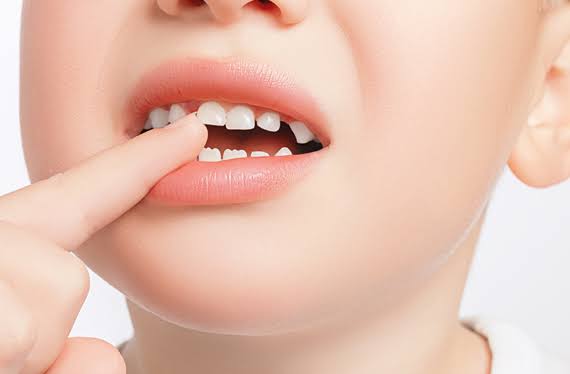
If a child’s tooth has broken after a fall, first calm the child, have them rinse their mouth with lukewarm water, stop the bleeding with gauze and find the broken piece. Going to the dentist the same day is important for both baby teeth and permanent teeth, because the blow may have affected the tooth root and the permanent tooth bud under it. Depending on whether the tooth is a baby tooth or a permanent one, the dentist decides on repair, follow-up or extraction; for the approach with children who are afraid, you can look at our article on approaches suited to children’s psychology.
How long bonding lasts and more lasting options
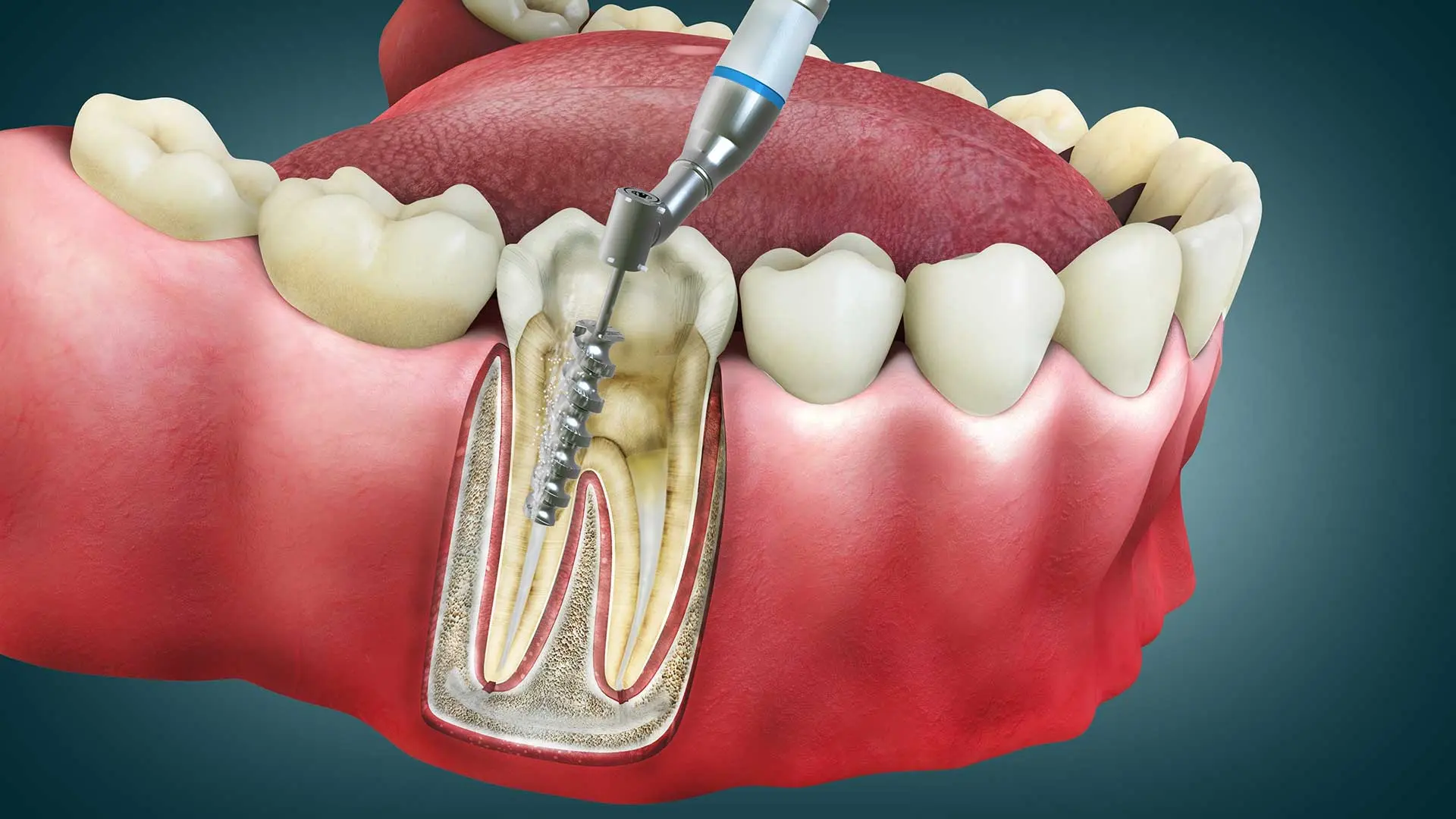
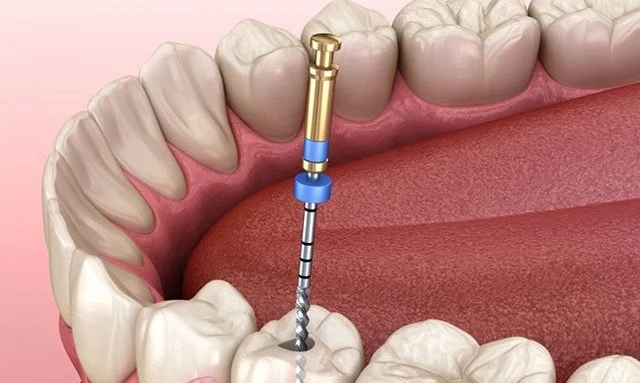
The durability of bonding varies with the size of the break, the chewing load on the tooth and oral habits. Biting nails, biting hard foods and clenching the teeth strain the repair; if you have these habits, the bonding may wear or break sooner. If the break is large or the tooth root is weak, the dentist may recommend a more lasting method instead of bonding, such as a crown or a crown after root canal treatment. To compare bonding with a crown, the article on the differences between bonding and porcelain veneers will guide you.
Factors that affect the cost
The cost of repairing a broken tooth varies with the size of the break, the chosen method and whether other procedures are added to the treatment. A small break that can be repaired with bonding and a deep break that needs root canal treatment and a crown are not assessed under the same heading. At the examination the dentist explains the procedures needed and their scope; in a written plan it is useful to look at what each procedure includes.
Care and next steps
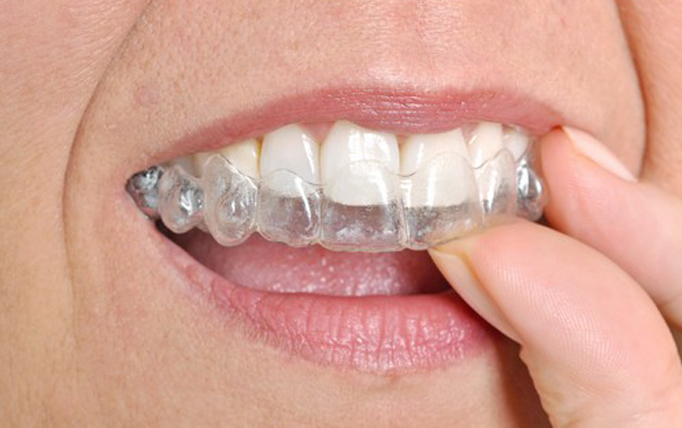
After bonding, it is enough to avoid very hard foods on the first day and to keep brushing your teeth. Not straining the tooth with hard objects such as pens, nails or ice, using a mouthguard when playing sport if necessary, and telling the dentist if you clench your teeth at night also protect the repair. Staining drinks such as tea and coffee can affect the colour of the composite over time; regular check-ups and cleaning extend the life of the repair. If you would like an examination for your broken tooth, you can request an appointment through the contact page.
Frequently asked questions
What do you do about a broken tooth?
Rinse your mouth with lukewarm water, stop the bleeding with a cloth, keep the broken piece and see a dentist.
Can bonding be done if the tip of a front tooth breaks?
It usually can if the break is small and away from the nerve; the dentist decides according to the depth of the break.
When should you go urgently for a broken tooth?
If there is pain, bleeding, sensitivity, looseness in the tooth or swelling, you should go the same day.
What should be done if a child’s tooth breaks?
Stop the bleeding, keep the broken piece and take the child to a paediatric dentist the same day.
How long does bonding last on a broken tooth?
It depends on the size of the break and oral habits; for large breaks, more lasting options may be needed.