Istanbul Orthognathic Surgery: Frequently Asked Questions About Jaw Surgery
Today, skeletal differences in the mouth, teeth, and jaw structure can directly affect an individual’s chewing, speech, and breathing functions. Orthognathic surgery procedures carried out at healthcare institutions in the Istanbul region center on anatomically correcting these functional disorders. Carried out at Opc Klinik, these medical procedures, applied to regulate the relationship between the teeth and the jawbones, require a comprehensive assessment and planning process.
What Is Istanbul Orthognathic Surgery (Jaw Surgery) and What Physiological Purposes Does It Serve?
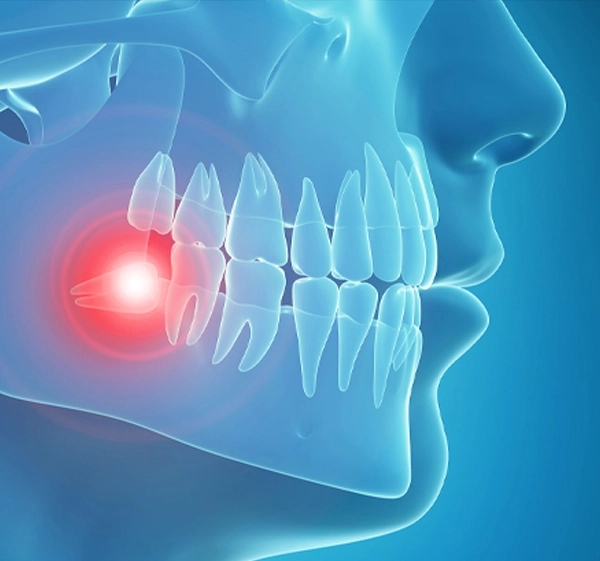
Istanbul orthognathic surgery is a comprehensive surgical intervention that brings the teeth and jaws into their ideal functional positions in order to correct growth differences between the lower and upper jawbones, skeletal asymmetries, and bite disorders. Its main purpose is to make the act of chewing — the first step of digestion — healthy, to ease the airway, and to eliminate the uneven load distribution on the jaw joint.
Disproportionate growth of the jawbones during the developmental years, genetic factors, or trauma experienced later in life can disrupt the harmony between the lower and upper jaw. In such skeletal-origin cases, which cannot be corrected with orthodontic (braces) treatment alone, surgical intervention becomes a medical necessity. The operation is not just a structural correction procedure; it also aims to prevent long-term tooth wear and gum problems. The surgical process is based on the principle of repositioning the bones and having this new position heal by integrating with the body’s tissues.
How Do Bite Disorders Affect Individuals’ Daily Life Functions?
Bite disorders restrict an individual’s ability to tear and grind food, leading to digestive system problems; prevent certain sounds from being pronounced correctly, causing speech disorders; and narrow the airway during sleep, triggering serious respiratory problems such as sleep apnea.
Bite disorders (malocclusion) refer to a deviation of the teeth from their ideal alignment. When stemming from the position of the jawbones, this can deeply affect an individual’s physiological quality of life. The table below classifies the effects of skeletal jaw problems on daily life functions in light of medical data:
| Type of Skeletal Problem | Anatomical Condition | Functional Effects |
|---|---|---|
| Lower Jaw Recession (Retrognathia) | The lower jaw being positioned further back or smaller than normal. | Difficulty biting, shortness of breath during sleep, snoring, and sound/sensitivity in the temporomandibular (jaw) joint. |
| Lower Jaw Protrusion (Prognathism) | The lower jaw being developed further forward relative to the upper jaw. | Inability to tear food with the front teeth, a lisping or muffled way of speaking, excessive chewing load and wear on the back teeth. |
| Open Bite | The front teeth not touching each other while the back teeth are in contact. | Inability to bite into food, the tongue slipping between the front teeth during swallowing (incorrect swallowing), the need to breathe through the mouth. |
| Jaw Asymmetry | The jawbone shifted toward the right or left, or one side being overdeveloped. | A habit of chewing on one side only, one-sided wear in the jaw joint, uneven development of the facial muscles. |
How Does the Orthognathic Surgery Planning Process Work at Opc Klinik in the Suadiye and Kadıköy Areas?
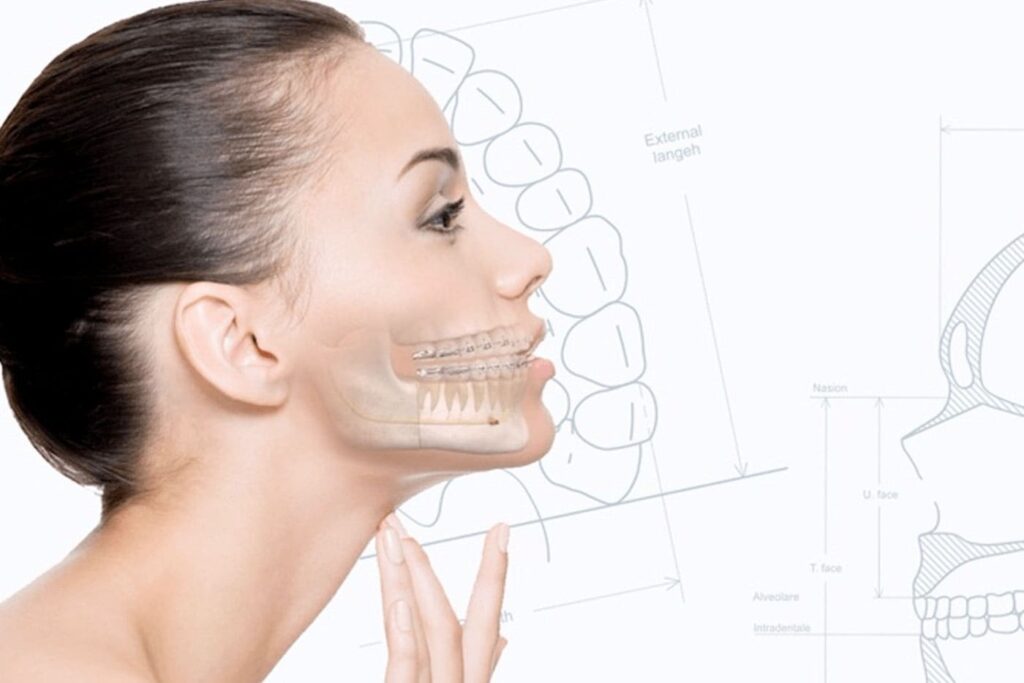
The planning process at Opc Klinik, located in the Suadiye and Kadıköy areas, begins with taking the patient’s detailed medical history, and continues with an interdisciplinary medical roadmap in which three-dimensional radiological imaging (tomography), intraoral digital scans, and cephalometric analyses are performed, with the millimeter-level movements of the jawbones predetermined in a virtual environment.
Preparation for orthognathic surgery is not carried out by a single physician but is a lengthy medical process jointly conducted by an orthodontist and a jaw surgeon. In light of the data obtained at the first examination, the patient’s current bone age and skeletal development are assessed. In the clinical setting in the Istanbul location, advanced digital scanners (intraoral scanners) are used instead of impression trays, transferring the patient’s oral cavity precisely into a computer environment. These digital models are combined with tomography data to perform “Virtual Surgical Planning.” Thanks to this technology, the direction and number of millimeters the bones will be moved is scientifically clarified before the operation, and surgical templates (guide splints) are produced.
Why Is Pre- and Post-Operative Orthodontic Treatment Applied in Orthognathic Surgery Processes?
Pre- and post-operative orthodontic treatment is necessary before the bones are moved in order to bring the teeth into their correct angles on their own jawbones (decompensation); after the operation, it is applied to ensure the upper and lower teeth achieve full, flawless engagement (occlusion) with each other based on the new jaw position.
Over the years, the teeth of individuals with a jaw disorder tilt to unnatural angles in order to adapt to (compensate for) the existing incorrect bone position. If surgery were performed directly while the teeth are at these tilted angles, the teeth would not fit together properly once the jawbones are brought into the correct position. To resolve this, the process proceeds through the following stages:
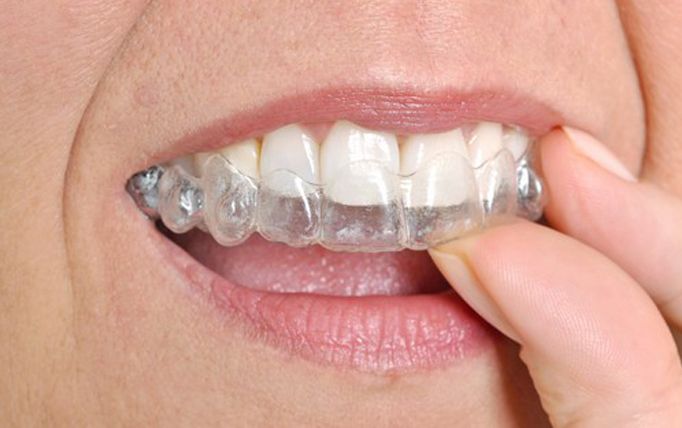
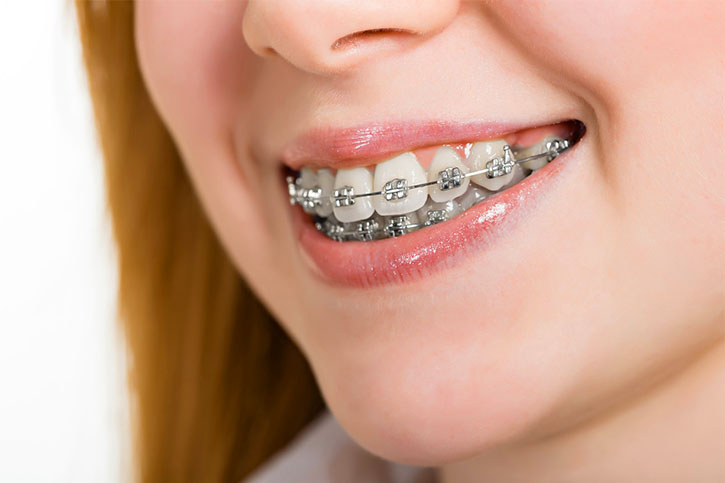
- Pre-Surgical Orthodontics (Preparation Stage): Using braces or clear aligners, the teeth are brought into their ideal anatomical inclination within the jawbone. Crowding in the teeth is corrected at this stage. The jaw disorder may become visually more pronounced during this stage; this is a natural part of the planning.
- Surgical Stage: Once the teeth are ready for surgery, the orthodontist communicates with the surgeon and the operation is planned. The surgery is performed with the braces still in the mouth.
- Post-Surgical Orthodontics (Refinement Stage): Beginning an average of 4-6 weeks after the operation, this period involves refining the contact between the teeth down to the millimeter in the new skeletal position and stabilizing the bite.
Which Medical Techniques (Osteotomies) Are Used in Lower and Upper Jaw Surgeries?
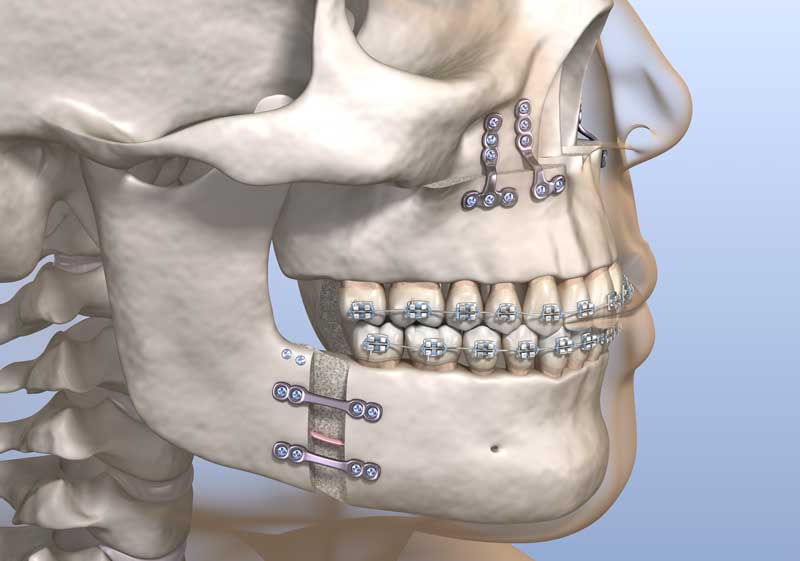
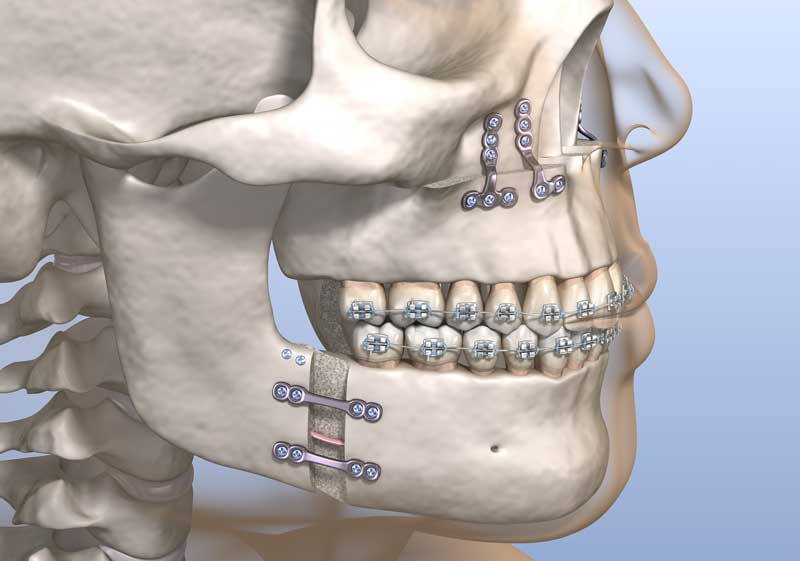
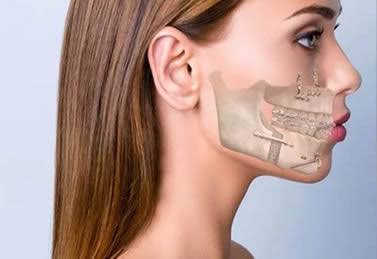
The medical techniques used in jaw surgeries are the Le Fort I osteotomy, in which the bone is horizontally freed for the upper jaw, and the Bilateral Sagittal Split Osteotomy (BSSO), planned lengthwise from the back of the jaw, for the lower jaw. Genioplasty techniques, which adjust the position of the chin tip, may also accompany these procedures when deemed necessary.
Surgical techniques vary depending on which jaw the problem is in, or whether there is involvement of both jaws (bimaxillary). All surgical incisions are made from inside the mouth, so no surgical scarring remains on the face, cheeks, or around the lips. The table below explains the surgical techniques applied and their physiological purposes:
| Medical Procedure Applied | Area of Intervention | Purpose and Details of the Application |
|---|---|---|
| Le Fort I Osteotomy | Upper Jaw (Maxilla) | The upper jawbone is carefully separated from the base of the nose. The upper jaw can be moved forward, backward, upward, or rotated (correcting a tilt). A “gummy smile,” where too much gum shows during smiling, can be corrected with this method. |
| Sagittal Split Osteotomy (BSSO) | Lower Jaw (Mandible) | A surgical separation procedure performed from the posterior angled regions of the lower jaw. The bone is freed while the nerve line running through it is preserved, and moved forward or backward. |
| Genioplasty (Mentoplasty) | Chin Tip | A procedure involving only the tip of the chin. The chin-tip bone is cut horizontally and moved forward, backward, or vertically to achieve profile harmony in the lower third of the face. |
| SARPE (Surgically Assisted Rapid Palatal Expansion) | Upper Jaw Midline | In cases where the upper jaw is skeletally too narrow, the bone is freed along the midline, and physiological expansion of the jawbone is triggered with the help of a fitted appliance. |
Under What Conditions Are Istanbul Orthognathic Surgery Operations Performed?
The operations are performed, in accordance with medical regulations, in fully equipped general hospital settings that include an intensive care unit, under the control of specialist anesthesiologists, under general anesthesia, and in fully sterile operating room environments.
Orthognathic surgery is not a procedure that can be performed in clinic or office settings. In Opc Klinik’s processes, pre-operative preparations are carried out meticulously at the Suadiye and Kadıköy branches, while the surgical stage is performed in a hospital setting. Before the operation, the patient’s suitability for general anesthesia is assessed through detailed blood tests, an ECG (cardiogram), and a chest X-ray. The duration of the operation generally ranges from 2 to 5 hours, depending on whether only one jaw or both jaws are being treated. The jawbones, once brought into their new position, are fixed to the bone using body-compatible (titanium) mini plates and screws (rigid fixation). These materials remain within the bone, and their removal is generally not needed afterward.
How Does the Hospital Process and Early Healing Period Proceed After Jaw Surgery (Orthognathic Surgery)?
The early healing period begins with the patient being kept under observation in the hospital for an average of 1 to 3 days after the operation; during this time, fluid support is provided via IV, cold compresses are applied regularly to limit edema (swelling) in the area, and breathing and swallowing functions are closely monitored.
Swelling in the facial area occurs in the early post-operative period as a natural part of tissue healing. This is a physiological reaction. Patients must strictly follow medical guidelines during the healing process:
- Swelling Control: Applying an ice pack externally to the facial area during the first 48 hours is critical to stopping the increase in swelling. The period of most intense swelling is generally the 3rd or 4th day, after which it is gradually absorbed by the body and begins to decrease.
- Resting Position: Having the patient sleep with their head positioned higher than their body (using a double pillow) helps prevent blood pressure from accumulating in the head area, helping the swelling go down more quickly.
- Medical Treatment: Taking the antibiotics prescribed by the physician on schedule against the risk of infection and protecting the wound areas is mandatory. A feeling of tightness in the operated areas is a normal occurrence.
- Bleeding Control: Mild oozing-type bleeding from the wound lines inside the mouth or slight nosebleeds may be observed in the first few days. These situations are monitored under the supervision of nurses and physicians in the hospital setting.
What Stages Does the Post-Orthognathic Surgery Diet Consist Of?
The post-operative diet consists of a gradual process spanning several weeks, in which chewing is prohibited so as not to risk the healing of the jawbones, entirely liquid foods are consumed in the first weeks, followed by a transition to a puree consistency, and then to soft foods that do not require chewing.
The fusion of the newly fixed bones (osteosynthesis) requires a certain biological period. Not placing load on the bones during this time plays a key role in the success of the treatment. The medical nutrition protocol is generally managed as follows:
| Nutrition Period | Time Range | Foods That Can Be Consumed and Rules |
|---|---|---|
| Stage 1 (Full Liquid Period) | First 1 – 2 Weeks | Broths, meat/chicken stock, milk, protein-supported medical formulas, pulp-free fruit juices. Nutrition is provided by swallowing through the gaps between the teeth using a syringe or special feeding cups, without a suction (vacuum) motion. Using a straw is prohibited, as it creates suction. |
| Stage 2 (Puree Period) | Weeks 3 and 4 | Smooth-textured foods put through a blender. Mashed potatoes, yogurt, watery pudding, pureed vegetable soups. Chewing is strictly not performed; food is mashed with the tongue and palate and swallowed. |
| Stage 3 (Soft Food Period) | Weeks 5 and 6 | Foods requiring very little chewing force and that break apart easily, such as pasta, softly boiled vegetables, omelet, and fish. Transition to this stage occurs after physician approval. |
| Stage 4 (Transition to Normal Diet) | Week 8 Onward | Once radiological check-ups confirm that bone fusion (callus formation) has reached a sufficient level, a gradual return to a normal diet is made. However, it is recommended to avoid very hard-shelled or sticky foods for a while longer. |
How Should Oral Hygiene Be Maintained After Jaw Surgery?
Oral hygiene should be maintained in the first days following the operation using special antimicrobial mouthwashes without bringing a brush into contact with the sutured areas, and after the period determined by the physician, thoroughly clearing the mouth of bacterial plaque using soft-tipped surgical brushes.
Hygiene rules are of vital importance to prevent infection of the surgical incision areas (sutures) inside the mouth. Since patients who have had jaw surgery experience tightness in the lips and cheeks due to swelling, opening the mouth fully is not possible in the first weeks. For this reason, small-headed children’s toothbrushes or post-operative brushes are used instead of standard brushing. Chlorhexidine-containing mouthwashes prescribed by the physician should be used regularly, morning and evening. Since the orthodontic wires are still in the mouth, food debris caught between the wires can create a risk of infection; for this reason, the gentle use of interdental brushes is incorporated into the process once the soft-diet stage is reached.
What Are the Possible Situations and Risk Factors That May Be Encountered in Orthognathic Surgery?
The possible situations that may be encountered are medical factors that are part of the anatomical healing process, such as temporary loss of sensation (numbness) in the lower lip and chin that can last for months, noticeable swelling in the facial area, restricted joint movement, and nasal congestion following interventions close to the sinus cavities.
As with any major surgical operation, physiological reactions develop in orthognathic surgery as well. In lower jaw operations, temporary numbness in the lip and chin, resulting from the movement or stretching of the nerve running through the bone (Inferior Alveolar Nerve), is a frequently encountered situation. This numbness does not affect motor functions (lip movement); it only involves a decrease in the sense of touch. Since nerve tissue is the slowest-regenerating tissue in the human body, this sensation may take weeks or months to fully return. In Opc Klinik’s processes, the use of surgical templates and three-dimensional planning ensures that high-level precautions are taken to protect the nerve line. In addition, difficulty fully opening the mouth (trismus) may be seen after the operation due to tension in the jaw muscles; this is overcome over time with the jaw exercises the physician will recommend.
What Are the Long-Term Follow-Up Processes Offered by Istanbul Opc Klinik?
The long-term follow-up processes consist of the patient being assessed by orthodontics and jaw surgery specialists at the clinics in the Suadiye and Kadıköy areas through periodic radiological examinations after surgery, monitoring of bone fusion, and the removal of the orthodontic wires followed by the application of retention (stabilization) plates.
Orthognathic surgery is not a treatment that ends on the day of the operation, but a medical journey that requires meticulous follow-up afterward as well. Check-ups at the first week, 1st month, 3rd month, and 6th month after discharge are standard procedures. Panoramic X-rays or tomography scans taken during these check-ups are used to examine the condition of the titanium plates and the density of bone-cell fusion. Orthodontic treatment continuing after the surgical procedure (the process of settling the bite) can generally take another 4 to 8 months. Once the wires are removed, a fixed retainer (protective wire) is bonded to the back surfaces of the teeth to prevent the teeth from tending to return to their old positions (relapse), and clear retainer trays are given to the patient.
How Do Speech and Breathing Functions Change After Surgery?
Breathing and speech functions improve, as the jawbones are brought into their correct positions, allowing for easier breathing thanks to the widening of the airway (air passage), while the tongue finding its ideal position within the mouth provides a noticeable physiological improvement in the pronunciation of certain letters.
Particularly in patients whose lower jaw is set back (retrognathic), the base of the tongue narrows the airway, leading to snoring and sleep apnea. By bringing the lower jaw forward, the airway volume behind the base of the tongue expands, and the individual begins to receive more oxygen during sleep. In cases with a forward-set lower jaw (prognathic) or an open bite, difficulty is experienced in pronouncing letters such as s, z, and t, since the tongue slips between the teeth. Correcting the bite allows the lips to close comfortably and the tongue to contact the correct point on the palate, restoring phonetic (speech-sound) ability to its natural anatomical limits. During this process, patients are advised to perform physiological exercises such as reading aloud to help the tongue adapt to the new jaw position.
Is There an Ideal Age Limit for Orthognathic Surgery (Jaw Surgery)?
The ideal age limit — since it is a medical rule that orthognathic surgery be performed after skeletal growth and development have been completed — generally covers the period after age 18-19 in women, and after age 20-21 in men, since bone development is completed somewhat later in men.
If the operation is performed while jaw growth is still ongoing, the bones may continue to grow after surgery according to their own genetic growth potential, and the anatomical correction achieved through surgery could be disrupted. For this reason, in the diagnostic processes at the Suadiye and Kadıköy locations of Opc Klinik, hand-wrist X-rays (bone-age determination) or successive cephalometric X-ray measurements are performed on young patients to confirm that their growth spurts have stopped. As for the upper age limit, treatment can also be applied at more advanced ages, as long as the patient does not have a severe systemic disease that would prevent them from undergoing general anesthesia (such as uncontrolled heart failure) and their bone-healing potential is sufficient.