The 6-year molar is the first permanent molar, erupting on each side of the jaw right behind the last baby molar. It does not replace a baby tooth, so it is never shed and has to last for life. That is why it matters to notice it when it comes in and to keep it very clean.
Which tooth is the 6-year molar
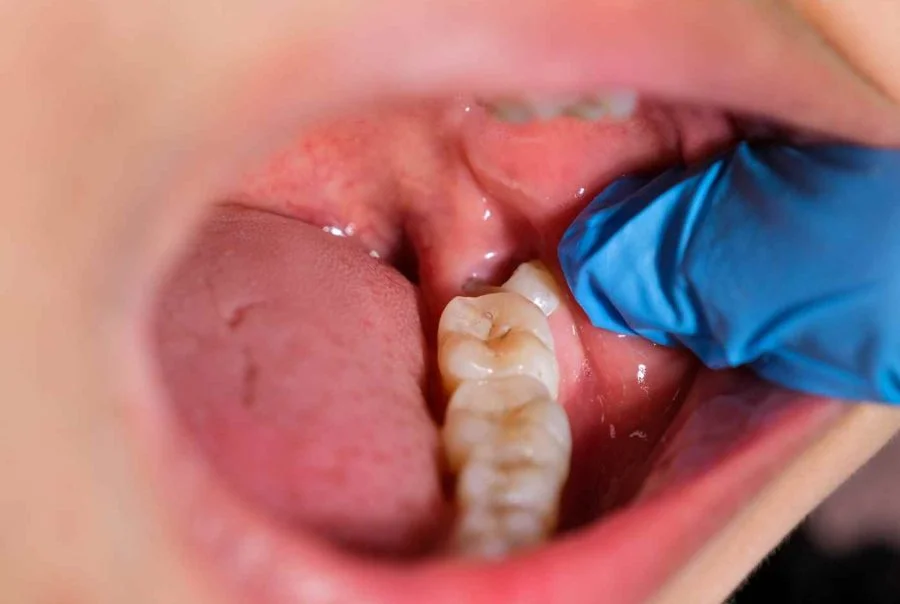
The 6-year molar is the first permanent molar in the mouth; there are four in total, two in the upper jaw and two in the lower. It usually appears quietly at the very back of the baby molars at around 6-7 years of age. Because the front teeth often start falling out at about the same time, families frequently do not notice it.
It carries much of the chewing load and helps guide the other permanent teeth into place. It is considered one of the most important teeth for jaw development and for the way the teeth fit together. For the general features of this stage in children, you can also read our article on things to watch for during the 6-year molar period.
Why it matters to know it is not a baby tooth
It matters because no new tooth will ever replace the 6-year molar. Many parents assume the tooth at the back is a baby tooth, and when decay or sensitivity starts they wait because it will fall out anyway. But if this tooth decays, the loss is permanent.
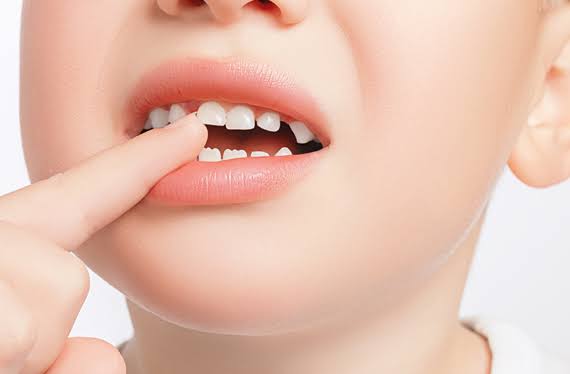
The shedding of baby teeth and the eruption of permanent teeth happen side by side. The stage when both baby and permanent teeth are in the mouth is called mixed dentition. Baby teeth usually begin to fall out starting with the lower front teeth, whereas the 6-year molar comes in at the very back without waiting for any baby tooth to fall. For a broader look at the process, the article on the teething and tooth-shedding period in children may help.
Normal symptoms during eruption
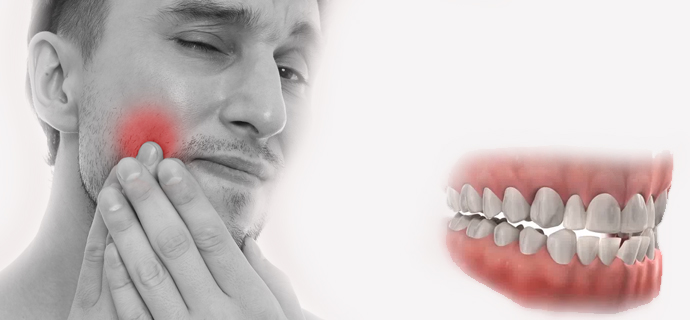
Mild gum tenderness, itching in the area or a general sense of discomfort are considered normal while the tooth erupts. A child may sometimes avoid chewing on that side and want to bite a finger or an object.
- Slight redness and swelling of the gum at the back
- Temporary discomfort while chewing
- More drooling or restlessness
- Gum tissue covering part of the tooth like a flap
If the symptoms ease within a few days, there is usually no cause for concern. Severe pain, facial swelling, fever or a bad smell calls for seeing a dentist without delay.
What can be done at home while it erupts
Gently cleaning the area with a soft brush, stopping the child from pressing the tooth on hard food and offering cold, soft foods can bring relief. It is very important not to stop brushing, because debris easily builds up around a tooth that is still erupting. Always ask the dentist before using any pain reliever or gel.
When the tooth is impacted or erupts at an angle
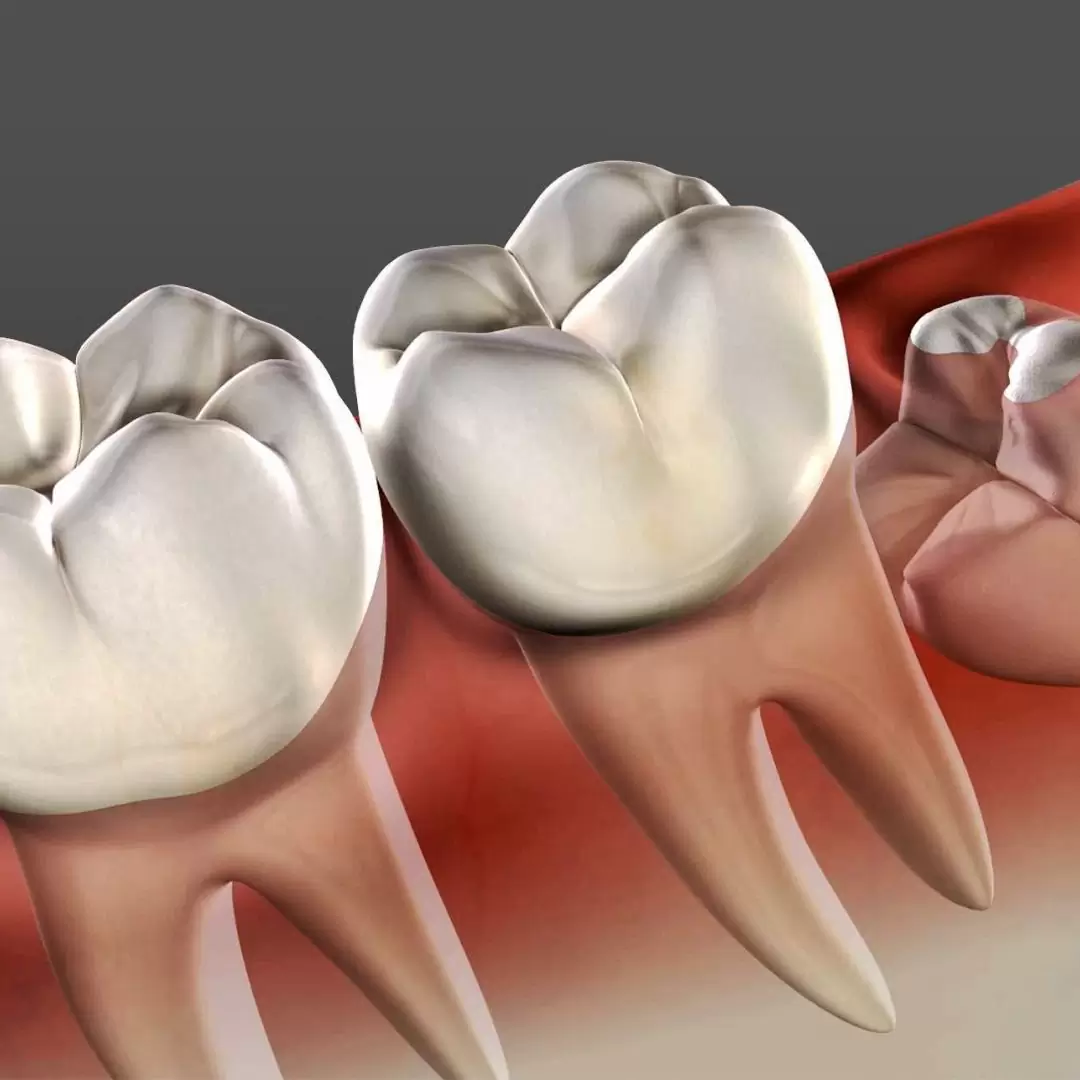
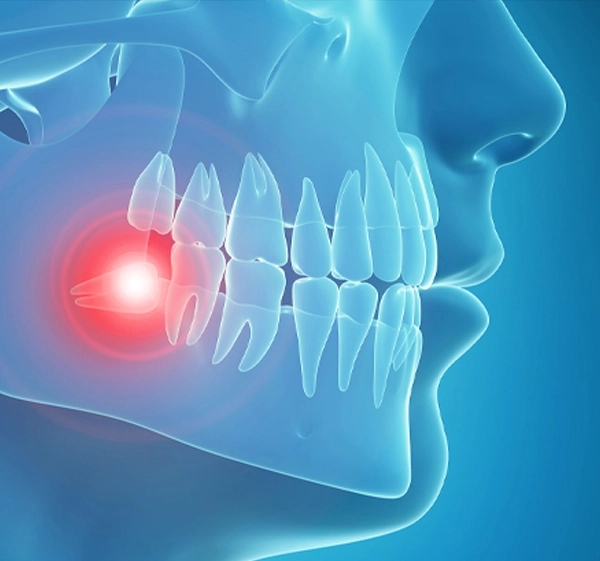
Sometimes the 6-year molar cannot break through and stays under the gum or in the bone (impaction), or it comes in at a tilt. This is usually caused by lack of space, a neighbouring tooth blocking the way or a wrong position of the tooth.
An impacted or tilted tooth may not meet the teeth in the opposite jaw properly, may push on the teeth around it and may lead to crowding. There is also a chance of infection or a cyst forming around a tooth that does not come through. So when the expected time has passed and the tooth is still not visible, it should be checked with an X-ray.
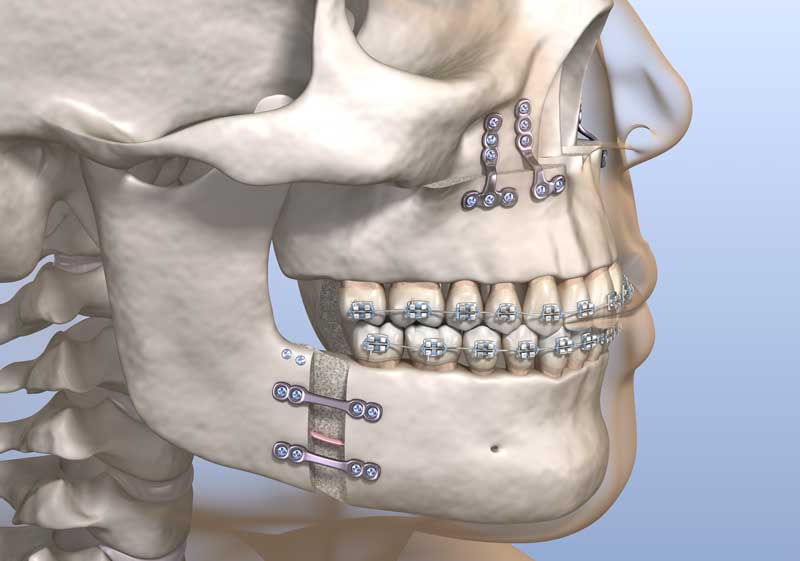
The treatment option depends on the position of the tooth. In some cases regular follow-up is enough; in others the tooth is helped to erupt with orthodontic support, or it is uncovered with a small surgical procedure. The decision is always made after an examination and imaging. For general information about impacted teeth, see when impacted tooth surgery is needed.
When to have the first check
The first check for the 6-year molar should take place when the tooth is noticed or when the child turns 6. In fact, the child’s first meeting with a dentist should have happened much earlier; regular visits make it easier to follow the eruption process too.
At the examination, the eruption status of the tooth, decay risk, the timing of baby tooth loss and the space in the jaw are assessed. An X-ray may be requested if needed. If baby teeth are falling out much later or much earlier than expected for the child’s age, that is also a reason to come in. You can read about the value of yearly visits in our article on yearly check-ups for your child’s dental health.
Fissure sealants and protective treatments
Protective treatments such as fissure sealants and fluoride help reduce the risk of decay in newly erupted 6-year molars, but the need is decided by the dentist according to the child’s oral condition. The chewing surface of a new molar has deep grooves, and brushing may not clean them fully.
A fissure sealant closes these grooves with a thin protective layer. Fluoride application aims to strengthen the enamel surface. Which one suits the child is decided at the examination. For details, see our article on fissure sealants and fluoride applications in paediatric dentistry.
Common problems and prevention
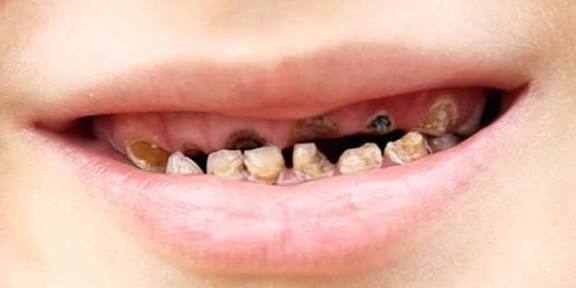
The most common problem with the 6-year molar is decay, followed by gum inflammation, delayed eruption and space problems with neighbouring teeth. The late eruption of the tooth and the difficulty of brushing it are the main reasons behind these problems.
- Brush twice a day with a toothpaste suited to the child’s age, and do not skip the back of the mouth
- Limit sugary and sticky foods and acidic drinks
- Have the chewing surface checked regularly
- Use protective treatments when needed
- See the dentist without waiting if the tooth feels loose after a fall or a blow
For more detail on preventing decay in children, the article on how to prevent tooth decay in children can guide you.
Frequently asked questions
What is the 6-year molar?
The 6-year molar is the first permanent molar, which erupts at around 6-7 years of age. Because it comes in behind the baby teeth, it often goes unnoticed, but it stays in the mouth for life and is very important for chewing and for the arrangement of the teeth.
Which tooth is the 6-year molar?
The 6-year molar is the first large molar that erupts right behind the last baby molar in each jaw; there are four in total, on the upper and lower left and right. That is the short answer for anyone wondering which are the 6-year molars in children.
What should be done while the 6-year molar is erupting?
The area should be brushed gently, the child’s discomfort eased with cold, soft foods and a dentist check-up arranged. If there is severe pain, swelling or fever, do not wait to get in touch.
What happens if the 6-year molar stays impacted?
An impacted tooth can disturb the bite, affect neighbouring teeth and raise the risk of infection or a cyst around it. Depending on its position, follow-up, orthodontic support or a small surgical procedure may be considered.
Does the 6-year molar need protective treatment?
In many children, treatments such as fissure sealants and fluoride may be recommended to reduce decay risk, but whether they are needed is decided by the dentist according to the child’s oral structure and decay risk.
Next step
If your child’s 6-year molar has erupted, is late in coming or is causing any complaint, you can look at our children’s dental treatments page for a detailed examination, or book an appointment.