At What Age Should Orthodontic Treatment Start? A Guide to Correct Timing
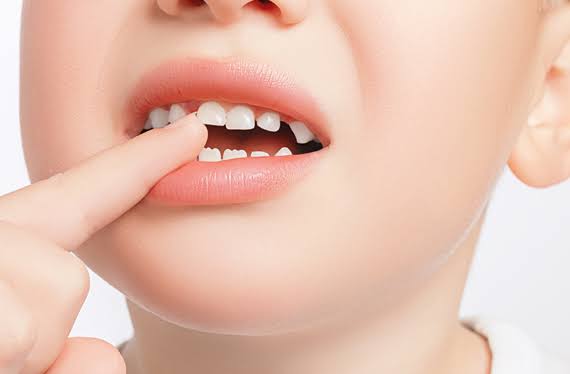
As we accompany our children on their growth journey, every step they take, their first words, and those sparkling early smiles are priceless memories for us. The mixed dentition period—when baby teeth begin to fall out and permanent teeth start to erupt—is the stage where critical questions about oral health begin to emerge in parents’ minds. A slight crowding of teeth, an asymmetry in jaw closure, or protruding front teeth can immediately create a wave of concern at home: “At what age should orthodontic treatment start? Is it too late for braces or still too early?”
There is a common misconception that braces should only be applied during adolescence after all permanent teeth have erupted. However, modern orthodontics is a scientific field that not only aligns teeth but also guides skeletal jaw development and facial architecture in a holistic way.
1. Golden Standard: Why Should Every Child Meet an Orthodontist at Age 7?
All reputable pediatric dentistry and orthodontic associations worldwide (including the AAO – American Association of Orthodontists) recommend that children, regardless of whether they have dental or skeletal issues, should be examined by an orthodontic specialist by the age of 7 at the latest. This is not the age for braces, but the “detection” phase where hidden problems are identified early.
Why exactly age 7? At this stage, both primary (baby) teeth and permanent first molars and incisors are present together (mixed dentition period). Although a child’s teeth may appear perfectly aligned externally, an orthodontist’s evaluation and panoramic X-rays can clearly reveal jaw growth direction, impacted teeth inside the bone, or missing permanent tooth buds. Analyses performed at this age determine the roadmap of future treatments.
2. Early (Preventive and Interceptive) Orthodontic Treatments
Orthodontic interventions performed between ages 7 and 10 are medically referred to as preventive and interceptive orthodontics. The goal at this stage is not to perfectly align teeth, but to prepare the foundation for permanent teeth to erupt properly and guide jaw development in the correct direction.
Early orthodontic interventions provide the following benefits:
- Jaw Expansion: In children with a narrow upper jaw, since the palatal suture has not yet fully ossified, the jaw can be expanded painlessly and quickly using removable or fixed expanders.
- Guidance of Teeth: Structural barriers preventing proper eruption are removed, allowing permanent teeth to erupt in the correct position.
- Reduced Trauma Risk: Children with excessively protruding upper front teeth are at high risk of fracture in falls or impacts. Early intervention brings these teeth into a safer position.
3. Critical Period in Jaw Disorders: Growth and Development Spurt (Puberty)
The most critical timing in orthodontics depends on whether the problem is purely “dental” or “skeletal.” While crowded teeth can be corrected at any age, jaw position problems (malocclusions) require careful timing.
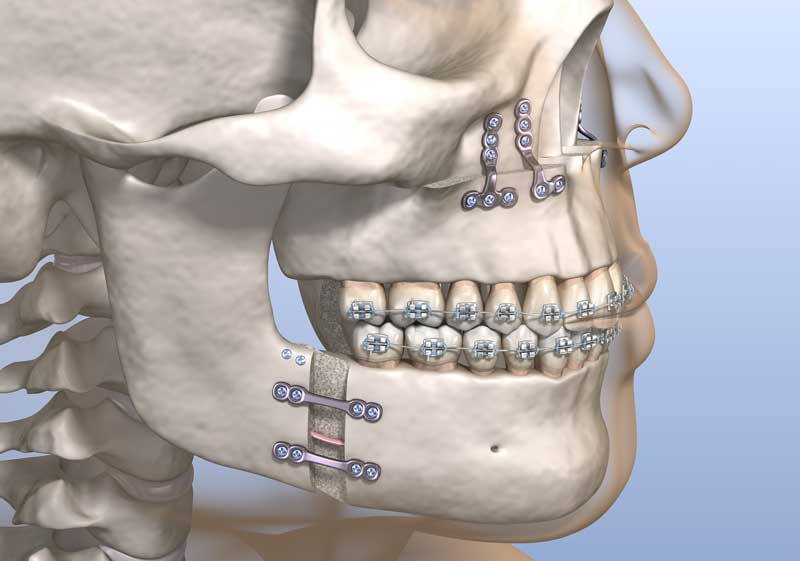
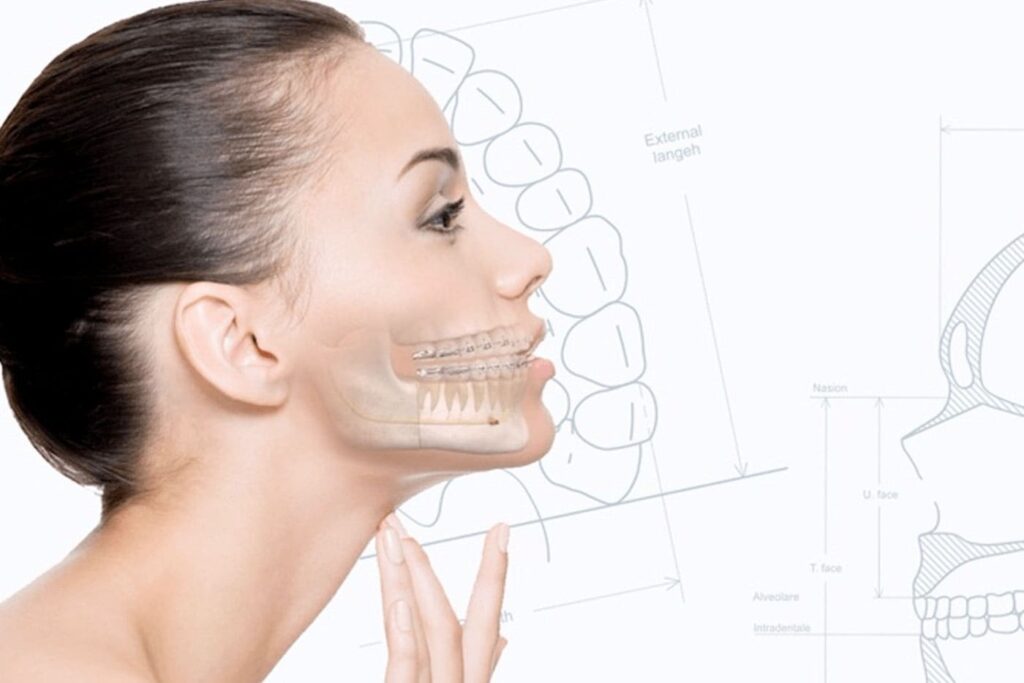
Conditions such as a retruded lower jaw (Class II) or a protruded lower jaw / retruded upper jaw (Class III prognathism) must be addressed during the growth and development spurt (puberty). This period typically occurs between ages 10–12 in girls and 11–13 in boys. During this growth peak, functional appliances can guide jaw development using the natural growth potential of the bones. If this critical window is missed and skeletal development is completed, these conditions can only be corrected in adulthood through major surgical procedures (orthognathic surgery) performed under general anesthesia.
4. Summary Timeline: Age Groups and Recommended Orthodontic Solutions
You can review which biological processes occur in the mouth at each age group and the recommended orthodontic systems in the table below:
| Age Group / Period | Oral and Bone Condition | Orthodontic Approach / System |
|---|---|---|
| 7 – 9 Years (Mixed Dentition) | Both primary and permanent teeth present. Jaw bones are highly flexible. | Initial examination, removable appliances, palatal expanders (Preventive Phase). |
| 10 – 13 Years (Growth Spurt) | Most primary teeth have fallen out. Skeletal growth is at its peak. | Functional appliances, jaw relation correction devices, early clear aligners (Invisalign First). |
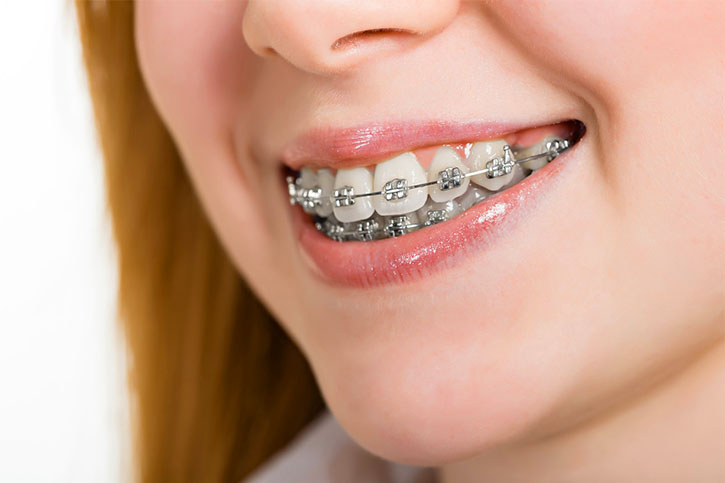
| 13 – 18 Years (Adolescence) | Permanent dentition is complete. Bone structure stabilizes. | Metal braces, aesthetic ceramic/sapphire brackets, or teen clear aligners. |
| 18+ Years (Adulthood) | Jaw development is fully completed. Bone is dense and stable. | Clear aligners, lingual braces (hidden braces), or in severe cases orthognathic surgery-assisted orthodontics. |
5. Early Loss of Baby Teeth and the Critical Role of Space Maintainers
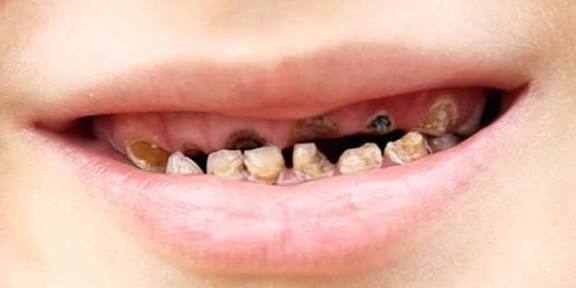
A common misconception among parents is neglecting baby teeth because “they will be replaced anyway.” However, baby teeth act as natural space maintainers that preserve the position for permanent teeth.
When a baby tooth is lost prematurely due to decay or trauma, adjacent teeth begin to drift into the empty space. As a result, there may be no room left for the permanent tooth to erupt. It may become impacted or erupt in a misaligned position. A simple space maintainer appliance placed by an orthodontist can prevent years of complex orthodontic treatment in the future.
6. Silent Habits That Distort Jaw Development in Children (Thumb Sucking, Mouth Breathing)
Sometimes jaw deformities are not caused by genetics but by harmful habits developed in early childhood:
- Prolonged Thumb or Pacifier Sucking: Continuing this habit after age 4–5 pushes upper front teeth forward and causes an open bite.
- Mouth Breathing: Chronic mouth breathing due to nasal obstruction leads to a narrow upper jaw, elongated facial appearance, and altered tongue posture.
- Abnormal Swallowing (Tongue Thrusting): When the tongue pushes between the teeth during swallowing, proper vertical closure is prevented.
Orthodontic habit-breaking appliances used at ages 7–8 can correct muscle balance and protect jaw development.
7. Adult Orthodontics: Is There an Upper Age Limit for Braces and Clear Aligners?
If you missed treatment during childhood, or your crowding has increased over time due to natural tooth movement, you should not feel it is too late. Modern dentistry has no upper age limit for orthodontic treatment.
As long as the bone and periodontal tissues are healthy, orthodontic treatment can safely be performed at ages 30, 40, or even 60. In adults, treatment may take slightly longer due to slower bone remodeling activity. However, with modern technology, adults can achieve perfectly aligned teeth without compromising their social comfort using clear aligners or ceramic braces.
8. OPC Clinic Digital Orthodontics: Age-Specific Premium Smile Design
Orthodontic treatment is not just about moving teeth; it is about designing a functional and aesthetic structure based on age, growth potential, and facial harmony. Improper timing or uncontrolled forces may lead to root damage.
OPC Clinic, located in Kadıköy, manages orthodontic treatments entirely through digital workflows. For pediatric patients, we use advanced digital cephalometric imaging systems to analyze bone development and growth stages. Instead of traditional impression materials that may cause discomfort, we use 3D intraoral scanners to capture precise digital models within seconds. AI-supported software allows us to simulate the final treatment outcome from day one. From child-friendly appliances to premium clear aligners for adults, we provide a fully personalized and comfortable orthodontic experience for all age groups.
9. Frequently Asked Questions (FAQ)
Can orthodontic treatment start before all baby teeth fall out?
Yes. If the problem is not only dental alignment but also skeletal issues such as jaw narrowing or mismatch, early phase treatment can begin at ages 7–9 with expanders or early aligners.
Can jaw problems still be corrected after age 12–13 with braces?
After the peak growth period, skeletal correction becomes difficult with appliances alone. At this stage, only dental corrections are fully effective. Severe skeletal issues require orthognathic surgery in adulthood.
Can Invisalign be used for children?
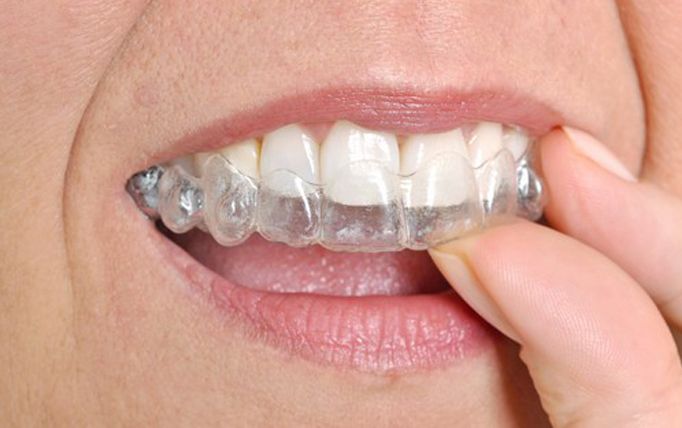
Yes. Today, child-specific clear aligner systems such as Invisalign First are available for ages 6–10, allowing both jaw development guidance and tooth alignment without traditional braces.