How Is Braces Treatment Performed? Step-by-Step Orthodontic Treatment Process and Frequently Asked Questions
Crooked teeth, spaced dental alignment, or jaw bite disorders (malocclusion) are important oral health problems that cause both aesthetic concerns and reduced chewing comfort. In modern dentistry, the most fundamental, biological, and permanent solution to these issues is undoubtedly braces treatment, also known as orthodontics. Braces allow teeth to be moved in a millimetric and controlled way over the jawbone to achieve their ideal positions.
1. Stage 1: Initial Examination, 3D Digital Planning, and X-Ray Analysis
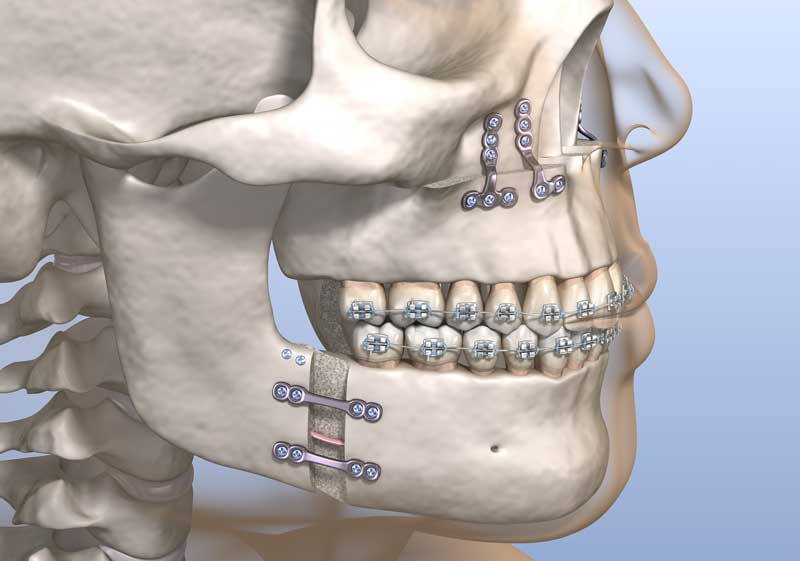
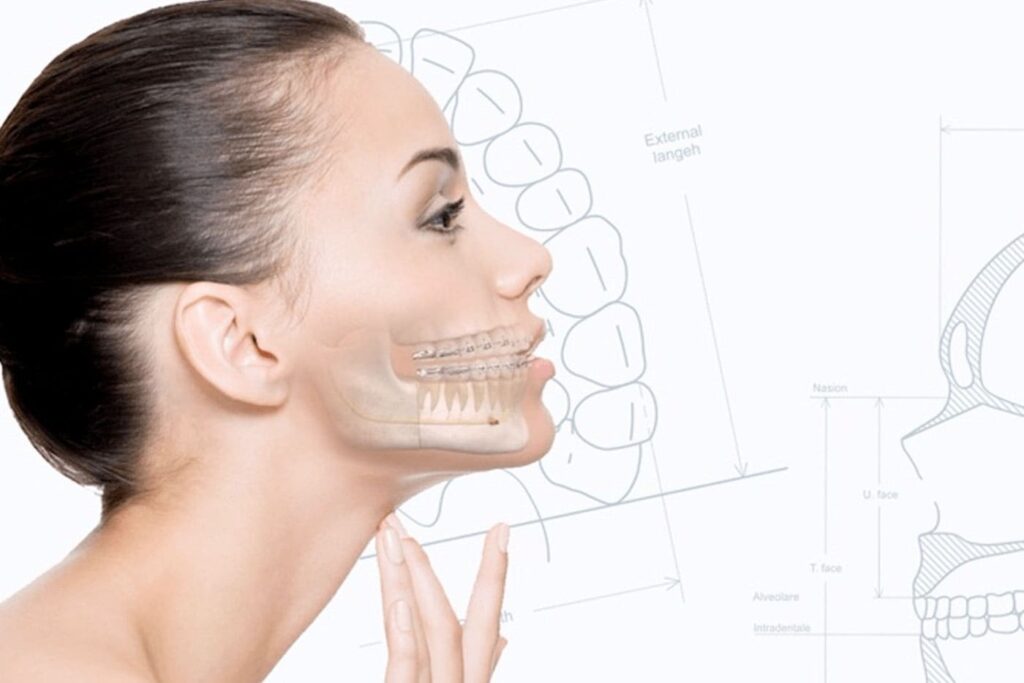
The most important foundation of a successful orthodontic journey is a complete and accurate diagnostic process. Determining where and how much force the braces should apply requires a precise engineering calculation. Therefore, at the first appointment, your orthodontist carefully examines your oral structures, jaw relationships, and facial profile symmetry.
The following digital data is collected for diagnosis:
- Cephalometric and Panoramic X-Rays: The jaw’s angle relative to the skull base, root health, and impacted teeth are analyzed.
- 3D Intraoral Scanning: Instead of traditional impression materials that may trigger gag reflex, OPC Clinic’s intraoral scanners create a 3D digital model of the teeth in seconds.
- Clinical Photographs: Smile line, facial profile, and bite position are documented from multiple angles.
2. Stage 2: Surgical and Dental Preparations (Caries Treatment and Hygiene)
Before braces are placed, all oral tissues must be 100% healthy. Since cleaning becomes more difficult after braces are installed, existing issues must be treated beforehand.
At this stage, gum inflammation is treated, and all tartar (calculus) is removed. Active cavities are restored with fillings or root canal treatment if needed. If there is insufficient space for proper alignment, tooth extractions (often wisdom teeth or premolars) may be required according to the orthodontic plan. Once the mouth is fully healthy and sterile, the bonding appointment can begin.
3. Stage 3: Braces Application (Bracket Bonding Session)
This is the moment patients are most curious about and often worry about: “Will it hurt?” The most important point is that no drilling, cutting, or anesthesia is used during braces placement. The procedure is completely painless.
Step-by-Step Bonding Process:
- Surface Preparation: Teeth are cleaned, conditioned, and dried using special solutions.
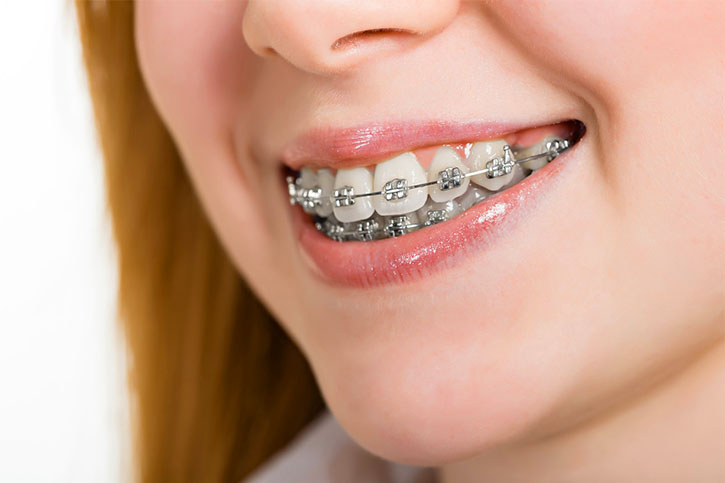
- Bracket Placement: Small metal, ceramic, or sapphire brackets are bonded to each tooth using medical adhesive. A blue curing light is used to harden the material.
- Archwire Placement: After all brackets are placed, a flexible metal archwire is inserted into the bracket slots.
- Ligature Placement: Small elastic bands (ligatures) are placed around brackets to secure the archwire.
This session usually lasts 45–60 minutes. You leave the clinic with your braces already in place.
4. Stage 4: Regular Check-Ups and Archwire Adjustments
After braces are placed, the treatment does not progress on its own. Forces must be regularly updated so teeth can continue moving correctly. Therefore, this is the longest phase of orthodontic treatment.
You are usually called for check-ups every 4 to 6 weeks. During these visits, your orthodontist evaluates tooth movement, tightens or replaces archwires, and may instruct you to use orthodontic elastics to improve bite alignment. Each appointment lasts around 15–20 minutes.
5. Summary Timeline: Biological Stages of Orthodontic Treatment
Below is a timeline summarizing the biological changes occurring during treatment:
| Treatment Phase | Biological Changes in Teeth and Bone | Patient Comfort and Adaptation |
|---|---|---|
| First 1–7 Days | Initial light mechanical force activates periodontal ligaments. | Mild soreness and chewing sensitivity; adaptation to brackets. |
| 1–6 Months | Major crowding begins to resolve; teeth align gradually. | Speech and eating habits normalize. |
| 6–18 Months | Bite correction progresses using elastics; root alignment improves. | Routine elastic use; visible aesthetic improvement. |
| End of Treatment (Removal) | Brackets removed; teeth polished; retainer placed. | Maximum aesthetic satisfaction and functional stability. |
6. Stage 5: Braces Removal (Debonding Process)
When your orthodontist determines that alignment, aesthetics, and bite are perfect, the big day arrives: braces removal.
Braces are removed using special orthodontic pliers by gently detaching brackets from the tooth surface. Residual adhesive is cleaned using polishing instruments that do not harm enamel. Teeth are then polished to a smooth finish. Seeing your straight, shiny teeth in the mirror for the first time is an unforgettable moment.
7. Stage 6: Final Step: Retention Treatment and Protective Appliances
Treatment is not fully complete after braces are removed. Teeth have a natural tendency to return to their previous positions, so retention is essential.
Retention methods include:
- Fixed Retainer (Lingual Wire): A thin wire bonded behind the front teeth, invisible from the outside.
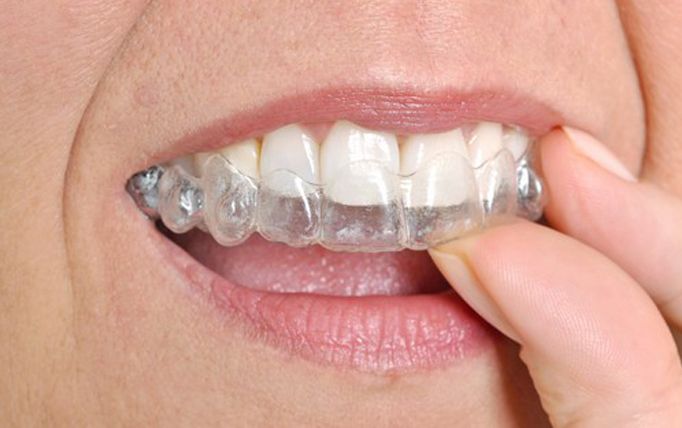
- Removable Night Guards (Essix): Custom-made clear aligners worn mainly at night to stabilize tooth positions.
8. Which Braces Are Right for You? Metal, Ceramic, Sapphire, and Lingual Systems
Modern orthodontics offers different options based on aesthetic and social expectations:
- Metal Braces: The strongest and fastest system, especially effective in children and adolescents.
- Ceramic & Sapphire Braces: Tooth-colored or transparent options preferred by adults for aesthetic reasons.
- Lingual Orthodontics: Brackets placed on the inner (tongue-facing) side of teeth, making them invisible from the outside.
9. Oral Hygiene and Nutrition During Braces Treatment
Dietary Restrictions
Hard, sticky, and crunchy foods should be avoided to prevent bracket damage. Fruits like apples and pears should be cut into pieces rather than bitten. Sticky foods such as gum, caramel, and jelly should be avoided.
Oral Hygiene Protocol
Teeth must be brushed thoroughly after every meal using orthodontic toothbrushes. Interdental brushes and oral irrigators should be used to clean areas around brackets and wires. Poor hygiene may lead to white spots (demineralization) and gum recession.
10. Why OPC Clinic? Digital Orthodontics and Perfect Smile Design
Orthodontic treatment is not just about aligning teeth; it is a complete redefinition of facial profile, lip support, and jaw joint (TMJ) harmony. Incorrect forces may cause root resorption.
OPC Clinic, based in Kadıköy, manages orthodontics entirely through digital technologies. 3D intraoral scanning and AI-based simulation software allow precise treatment planning. Our specialists create a functional and aesthetic smile design that harmonizes perfectly with your facial structure while preserving bone and joint health, ensuring a premium treatment experience.
11. Frequently Asked Questions
Does getting or removing braces hurt?
No, both procedures are painless and do not require anesthesia. Mild pressure soreness may occur for 2–3 days after adjustments, which is normal.
How long does orthodontic treatment take?
Treatment usually lasts between 12 and 24 months depending on the severity of the case. Mild cases may finish in 8–10 months.
Is there an age limit for braces?
There is no upper age limit. As long as the jawbone is healthy, orthodontic treatment can be safely applied even at 50–60 years of age.