What is the Temporomandibular Joint (TMJ)?
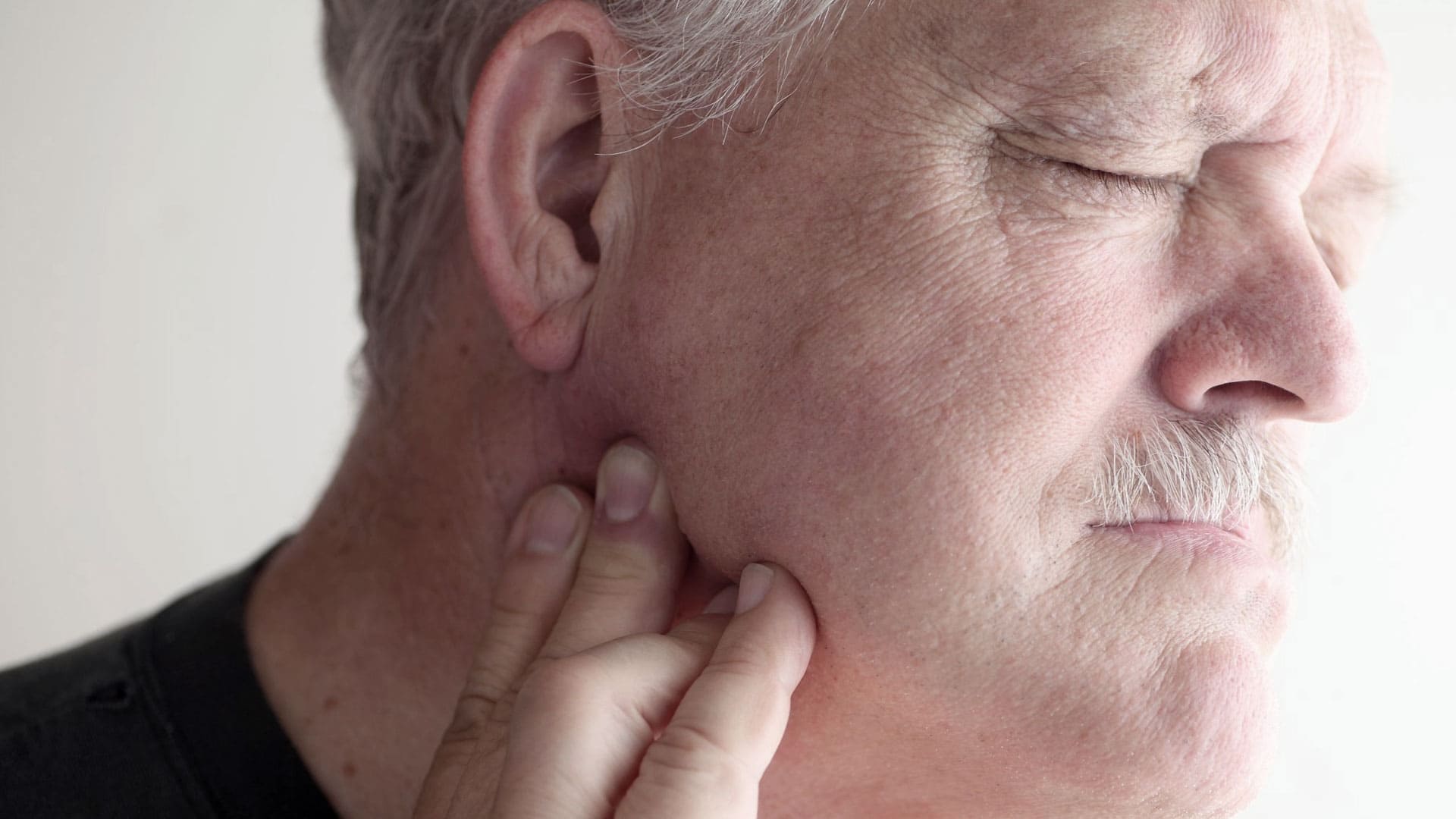
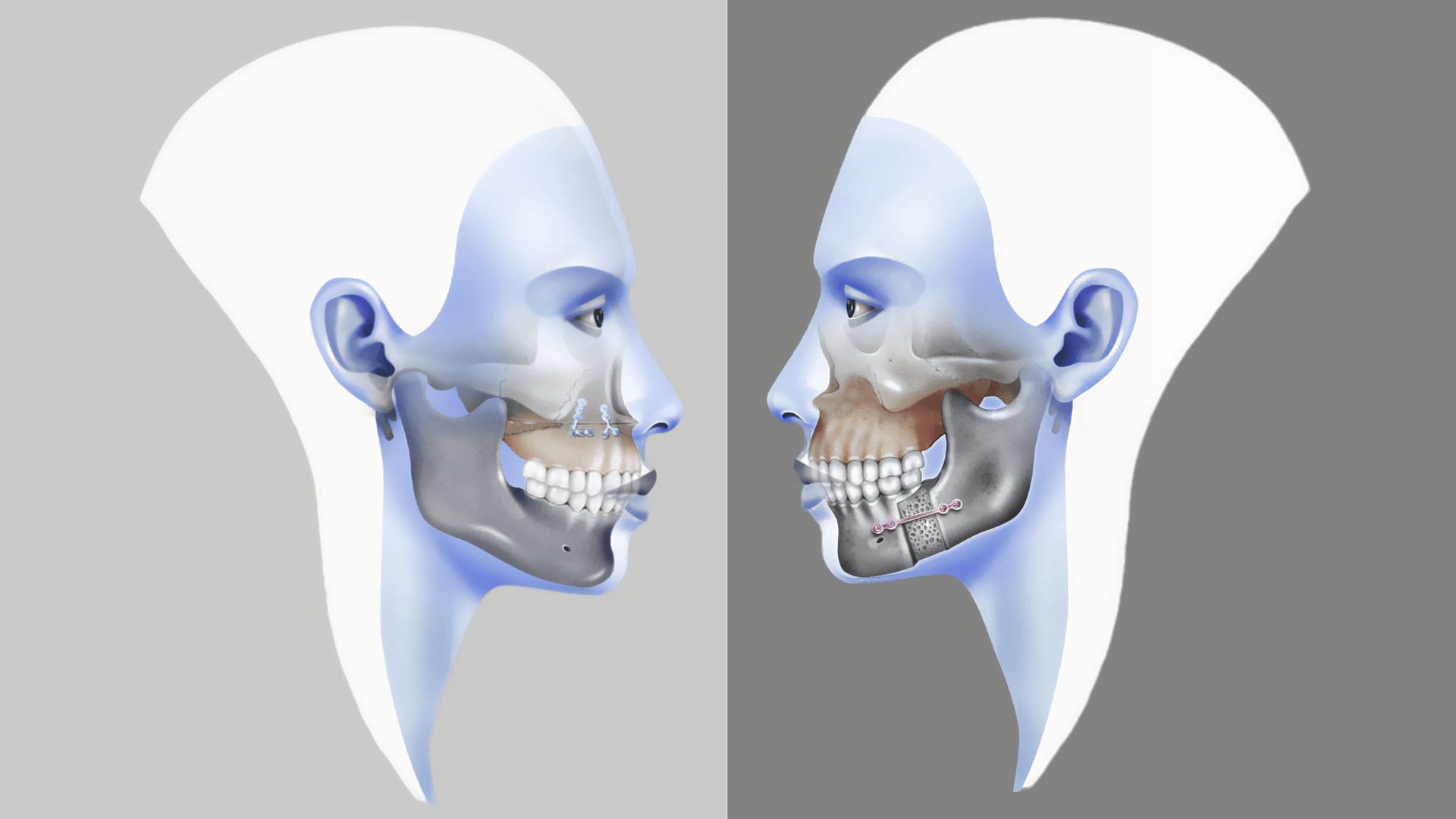
The temporomandibular joint (TMJ) is the joint connecting the lower jaw to the skull, enabling essential functions such as chewing, speaking, and swallowing. A healthy TMJ allows individuals to carry out daily activities comfortably. However, structural or functional disorders in this joint can significantly reduce quality of life. At OPC Clinic, our TMJ treatment in Kadıköy aims to help patients achieve a jaw that is both functionally and aesthetically healthy.
What Are TMJ Disorders?
TMJ disorders generally refer to temporomandibular joint dysfunctions (TMD). These dysfunctions can arise from problems in the joint structures, muscles, or connective tissue. The most common TMJ disorders include:
- Clicking, popping, or grinding sounds from the jaw joint
- Limited jaw movement or locking
- Jaw displacement or a sensation of the joint slipping out of place
These issues are often accompanied by pain and, if untreated, can become chronic, leading to more severe functional problems.
What Causes TMJ Problems?
TMJ problems can result from various causes. The most frequent include teeth grinding (bruxism), stress, misaligned bite (malocclusion), trauma, missing teeth, and certain rheumatic conditions. Particularly, modern life’s stress can lead to unconscious teeth clenching during sleep, causing wear on the joint structures. At OPC Clinic, we address not only the symptoms but also the underlying causes to provide lasting solutions.
What Are the Symptoms of TMJ Disorders?
The main symptoms of TMJ disorders are:
- Sounds from the joint while chewing or speaking
- Pain in the joint or pressure around the ears
- Widespread pain in the head, neck, or temples
- Difficulty opening the mouth or jaw locking
- Facial asymmetry and aesthetic changes
These symptoms directly impact daily life, particularly when eating or speaking. Patients seeking TMJ treatment in Kadıköy at OPC Clinic undergo a detailed assessment of these signs during their initial examination.
What is TMJ Treatment?
TMJ treatment aims to restore normal joint function, reduce pain, and improve jaw mobility. Treatment is tailored individually. At OPC Clinic, a multidisciplinary approach is used, incorporating dentistry, physical therapy, and psychological support if needed. This ensures patients receive not only temporary relief but also long-term improvement.
When is TMJ Treatment Applied?
At OPC Clinic, TMJ treatment is applied in cases such as:
- Persistent jaw joint pain
- Limited or locked jaw movement
- Increased joint sounds while chewing
- Daytime or nighttime teeth grinding
- Post-traumatic joint issues
Most patients initially present with mild symptoms, but untreated cases can progress to require surgical intervention. Early intervention is therefore crucial.
Comparison of TMJ Treatment Methods
Treatment methods at OPC Clinic vary depending on the patient’s condition. The table below compares the most commonly used approaches:
Who is TMJ Treatment Not Suitable For?
TMJ treatment should be carefully considered for some patients, particularly those with active infections, uncontrolled systemic diseases (e.g., advanced diabetes), or serious psychiatric conditions. At OPC Clinic, every patient is evaluated individually, and treatment plans are tailored to suitability criteria.
How Does the TMJ Treatment Process Work?
The treatment process begins with a thorough examination and imaging. Then, a plan is created based on the patient’s needs. At OPC Clinic, the process follows these steps:
- Examination and Diagnosis: Accurate diagnosis using panoramic X-rays, MRI, or other imaging techniques.
- Treatment Planning: Conservative (medication, splint) or advanced methods are determined.
- Application: Step-by-step individualized treatment is carried out.
- Follow-up: Regular post-treatment checks ensure long-term results.
How Effective is TMJ Treatment?
The Kadıköy TMJ treatment at OPC Clinic achieves high success rates with accurate diagnosis and personalized planning. Early patients often experience significant pain relief and restoration of normal joint function.
Possible Side Effects and Risks of TMJ Treatment
As with any medical treatment, TMJ therapies may have some side effects. These are generally temporary and mild, such as short-term speech difficulty from wearing a splint, mild stomach upset from medications, or temporary swelling after surgery. At OPC Clinic, modern methods and experienced specialists minimize these risks.
How Long Does TMJ Treatment Take?
Treatment duration depends on the severity of the condition. Mild cases may require a few weeks of splint therapy, while advanced cases can take several months. Surgical interventions generally require 3–6 months for recovery. OPC Clinic supports patients throughout the process with regular check-ups.
The Importance of Early Intervention in TMJ Treatment
Early intervention shortens treatment duration and increases success rates. For initial cases caused by teeth grinding or stress, early use of a night guard and lifestyle adjustments can prevent permanent joint damage. OPC Clinic prioritizes early diagnosis to maintain patients’ quality of life.
Post-Treatment Recovery for TMJ Patients
Patients should follow these recommendations during recovery:
- Avoid hard foods
- Manage stress
- Perform prescribed exercises regularly
These measures enhance treatment success and help preserve joint health long-term.
Factors Affecting TMJ Treatment Success
Success depends not only on the treatment method but also on the patient’s habits. Regular check-ups, consistent splint use, stress management, and proper nutrition all contribute to positive outcomes. OPC Clinic provides personalized guidance to patients in these areas.
Factors Influencing TMJ Treatment Costs
Treatment fees vary depending on the method used, severity of the disorder, additional procedures (X-rays, MRI, surgery), and duration. OPC Clinic maintains a transparent pricing policy for Kadıköy TMJ treatment, providing patients with a detailed cost plan before treatment begins.