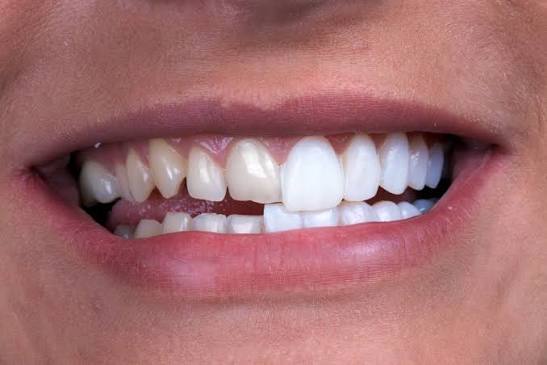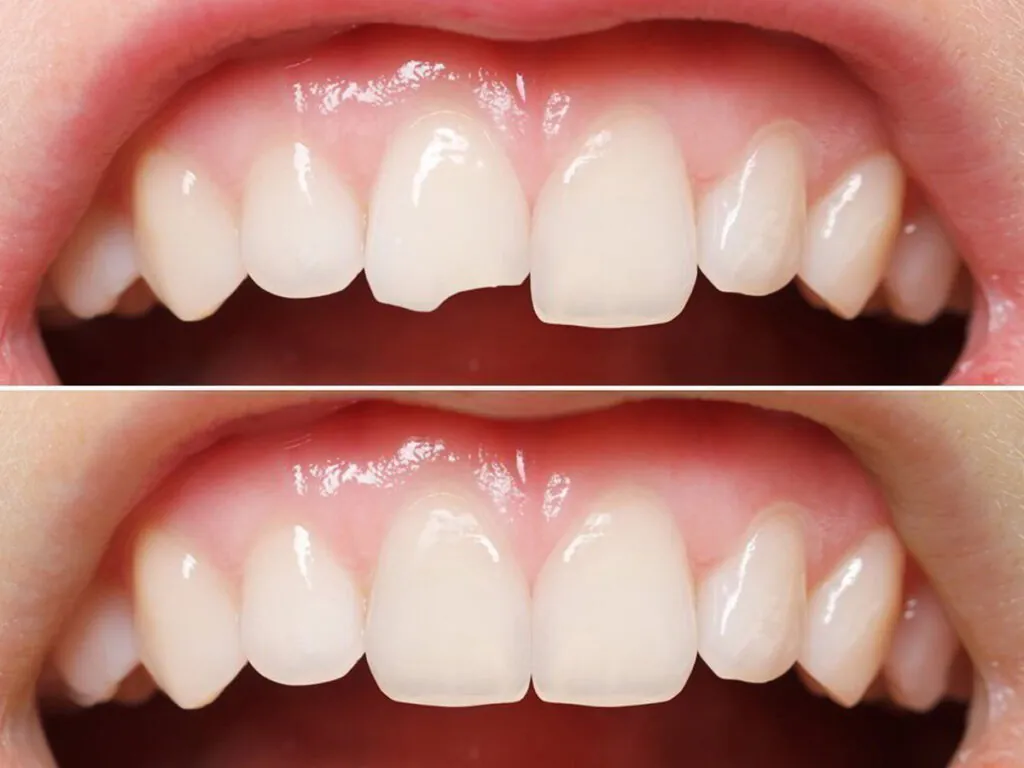
Closing a diastema is possible with bonding in suitable cases: the gap between the teeth is filled with tooth-colored composite material and shaped. If the gap is small and your teeth are healthy, this method can be considered. If the gap is large, the teeth are drifting or there is another mismatch in the jaw, orthodontics or another method may be more appropriate; the dentist makes this decision at the exam.
What is a diastema
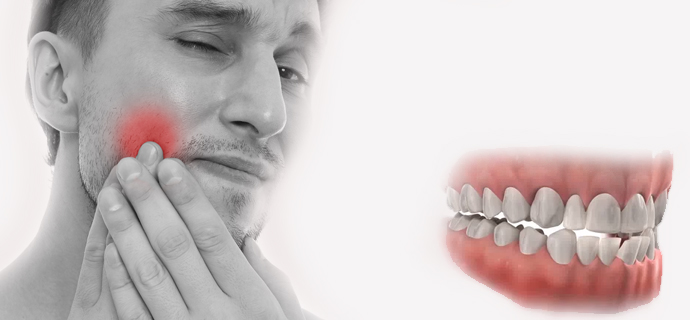
A diastema is a gap that is seen especially between the upper front teeth; the teeth do not touch side by side, and it is often experienced only as an aesthetic concern.
The causes differ from person to person:
- A mismatch between tooth size and jawbone, that is, the teeth being small relative to the jaw
- The tissue that connects the upper lip to the gum being low, thick or wide
- Thumb-sucking or tongue-thrust habits left over from childhood
- Gum disease or drifting caused by a lost tooth
- Missing or small lateral incisors
So it is necessary to look at the cause first. Unless the cause is removed, the result can change; bonding only covers the appearance of the gap and does not move the teeth.
How closing with bonding is done
Bonding is the process of adding composite material to the teeth on both sides of the gap to widen them and close the space; it is preferred because in most cases it can be done without wearing the tooth down much.
- Exam and shade selection. The gap is measured and the material closest to the color of the teeth is chosen.
- Surface preparation. The tooth surface is cleaned and lightly prepared so that the material holds. Whether the tooth needs to be cut is decided by the dentist.
- Adding the material. The composite is applied in thin layers and shaped according to the side edge of the tooth.
- Hardening with light. Each layer hardens with a special light.
- Shape and polish. The length and width of the teeth are brought into harmony with your face, the surface is polished and the bite is checked.
How many appointments the procedure will be completed in changes with the size of the gap and the number of teeth to be treated; the dentist explains this to you at the exam. You can find the details in our article how is bonding done and the general framework of the service on our Kadıköy bonding page.
For which gaps is bonding considered
Bonding is generally the option that comes to mind for small gaps and for cases where the teeth stand upright and healthy. As the gap grows, adding composite material to the two neighboring teeth can make the teeth look wider than they are; for this reason the size of the gap is the first thing looked at in the decision.
The gum line of the teeth, the midline and the proportion with neighboring teeth are examined. If there is crowding, a bite problem or gum disease next to the gap, these are dealt with first. You can read who it is suitable for on the page who is bonding suitable for.
Bonding or orthodontics
Bonding closes the gap in appearance, while orthodontics closes it by actually moving the teeth; which one is suitable depends on the size and the cause of the gap.
| Situation | Method that looks more suitable |
|---|---|
| A small, single gap; teeth upright and healthy | Bonding |
| Several gaps, teeth drifting, jaw mismatch | Orthodontics |
| The gap is large; bonding would make the teeth look too wide | Orthodontics, followed by bonding if needed |
| The teeth are small or irregular in shape | Bonding or veneers |
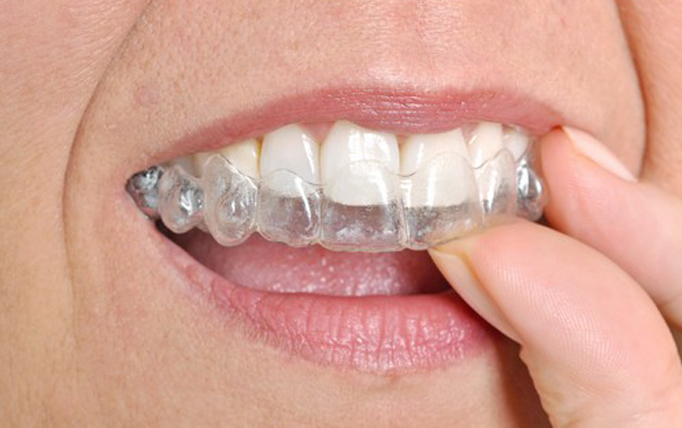
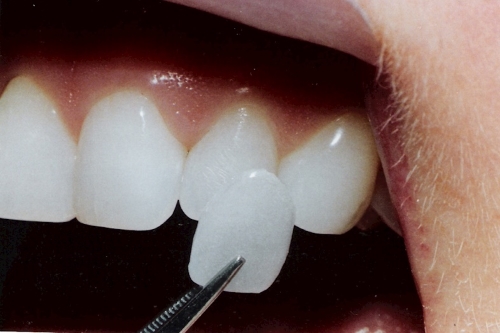
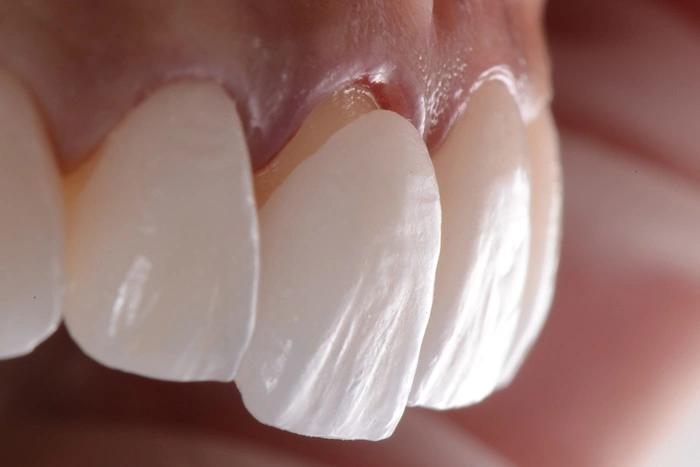
For the orthodontic option you can look at which dental problems orthodontics deals with; for the clear aligner option you can look at the Kadıköy Invisalign and clear aligners page. In some people the teeth are first brought into place with orthodontics, and then the result is completed with a small bonding correction. If the teeth are small or irregular in shape, veneers may also come into question; if you want to compare bonding with porcelain veneers, the article differences between bonding and porcelain veneers can help.
How the result looks
When color and shape are chosen carefully, bonding can give an appearance in harmony with the neighboring teeth; however, the size of the gap and the structure of the teeth set limits on the result.
Three things determine the appearance: the material matching the color and translucency of the tooth, the length and width of the tooth staying in proportion, and the surface being polished to the same texture as the neighboring teeth. Placing a very wide gap on a single tooth can make the tooth look square and wide. For this reason sharing the gap between the two neighboring teeth or orthodontic support can be planned. The overall look of the smile is also taken into account: the midline of the teeth, the lip line and the amount of tooth that shows when smiling influence the decision.
Looking together at how your teeth appear when you smile or speak during the exam clarifies your expectations. Talking before starting the procedure about what is possible and what will remain limited makes it easier for you to evaluate the result.
How long does it last, can it open again
Bonding is not a permanent method: because the closed gap does not move the teeth, it does not open by itself, but the material can wear over time, change color or chip at the edge, and it can be renewed when needed.
Durability depends on your habits:
- Breaking hard foods and ice with the teeth strains the material.
- Habits such as biting pens or nails can crack the edge.
- Tea, coffee and cigarettes can cause discoloration in composite over time.
- If there is clenching or grinding at night, the material wears down sooner; a protective splint can be discussed.
If it breaks or changes color, the dentist looks at whether the material can be repaired or needs to be renewed. If the cause of the gap was drifting of the teeth, the teeth can space out again; the reason is not the bonding but the continuation of the underlying cause. If you notice the gap appearing again, let your dentist know without waiting for a check-up appointment. You can find the limits of the method and its possible downsides in the article are there disadvantages of bonding.
The question of age in children and teenagers
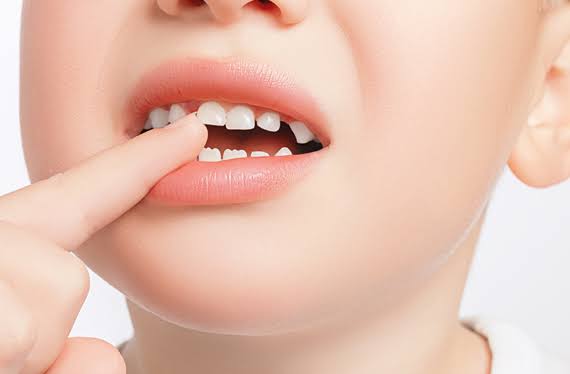
In children, a gap between the upper front teeth is often a normal stage while the permanent teeth are coming in and can close by itself; for this reason there is no rush.
There is no fixed age limit for bonding, but the decision is made by looking at how the teeth have erupted and at jaw development. Aesthetic corrections made before development is complete may have to be renewed later. If a gap catches your attention in your child, waiting for an orthodontic check and following development is often the right course. You can read when orthodontics should start in the article at what age should orthodontic treatment start.
Nothing special is needed for care: daily brushing, floss and regular check-ups are enough. During a check-up the edges of the composite, the surface shine and the bite fit are reviewed; small rough spots are easier to deal with when noticed early.
The process and what affects the cost
The process and the cost vary with the number of teeth to be treated, the size of the gap and whether orthodontic support is needed.
- Width of the gap: a small gap needs less material, while a wide gap may need more material and time.
- Number of gaps: the plan for a single diastema differs from that for several gaps.
- Additional treatments: if a gum problem, a lip frenum issue or orthodontics is needed, the process gets longer.
- Aesthetic expectation: extra wishes such as lengthening the teeth or changing the form enlarge the procedure.
A definite duration or amount can only be given after the exam and the plan; general figures on the internet may not apply to your teeth.
What is discussed at the first exam
At the first exam the dentist investigates the cause of the gap and, with photographs and measurements, explains which method is suitable for you.
It helps to bring these questions to the exam: Did the gap grow over time? Do you clench your teeth? What result do you expect? What are the limits of bonding? Is there an orthodontic option? When will the result need to be renewed? What should I pay attention to in daily care? A plan is drawn up together according to the answers you receive. OPC Klinik is a dental clinic in Kadıköy that also offers advanced treatments such as zygomatic implants and orthognathic surgery, and whose founding partners are university faculty members; we also offer bonding, and in addition to Turkish we serve in English, German and Italian. For the exam you can request an appointment through our contact page.
Frequently asked questions
How is a diastema closed?
Small gaps are handled with bonding, large gaps with orthodontics, or with a combination of the two. The dentist decides which is suitable.
Can a gapped tooth be filled?
Yes; this procedure is called bonding, and tooth-colored composite is added to the tooth on either side of the gap to close the space.
How is a gap between the front teeth closed?
A gap in the front teeth can be closed with bonding, or the teeth are brought closer together with orthodontics. The dentist decides which is suitable for you at the exam.
Does a gap closed with bonding open again?
Because bonding does not move the teeth, the gap does not open by itself; however, if a cause that makes the teeth drift continues, the gap can appear again, and the material may need to be renewed over time.