Does Jaw Clicking Require Treatment?
Quick Answer: Jaw noises (clicking or popping), if accompanied by pain, jaw locking, difficulty eating, or restricted mouth opening, definitely require treatment. The sound alone indicates a displacement issue in the joint cartilage (disc). To prevent this from progressing to wear and more serious joint disorders over time, early examination at our clinic in Kadıköy is recommended.
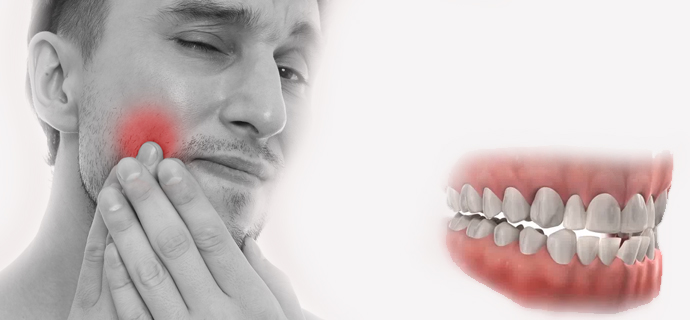
Have you ever been startled by a sudden “click” or “pop” from your jaw while laughing, yawning, or eating your favorite meal? This fairly common condition, though initially perceived as a harmless creak, is actually an important signal sent by the jaw joint (temporomandibular joint). So, are these sounds a normal part of our lives, or are they a warning sign of an underlying medical issue? Let’s take a closer look at the mystery of jaw noises and when they need to be taken seriously.
Why Does the Jaw Joint Make Noise?
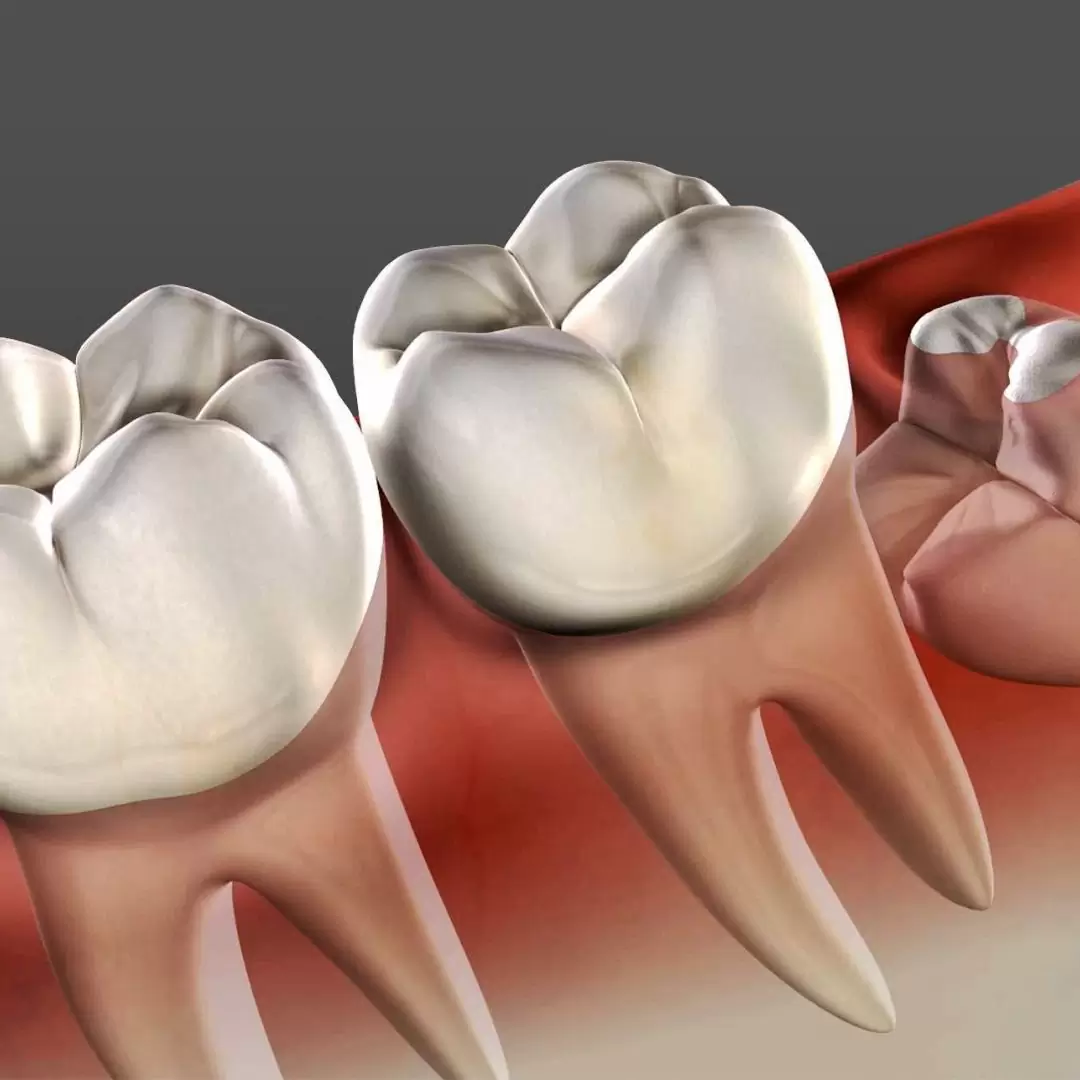
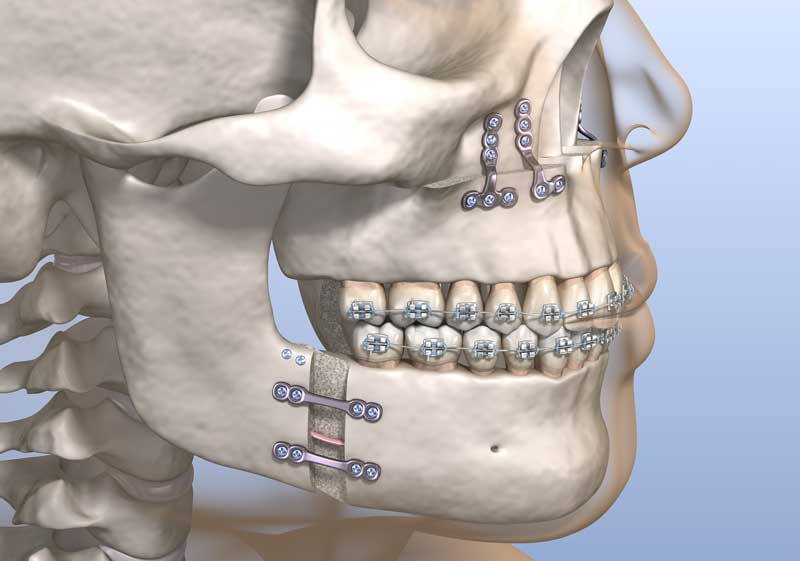
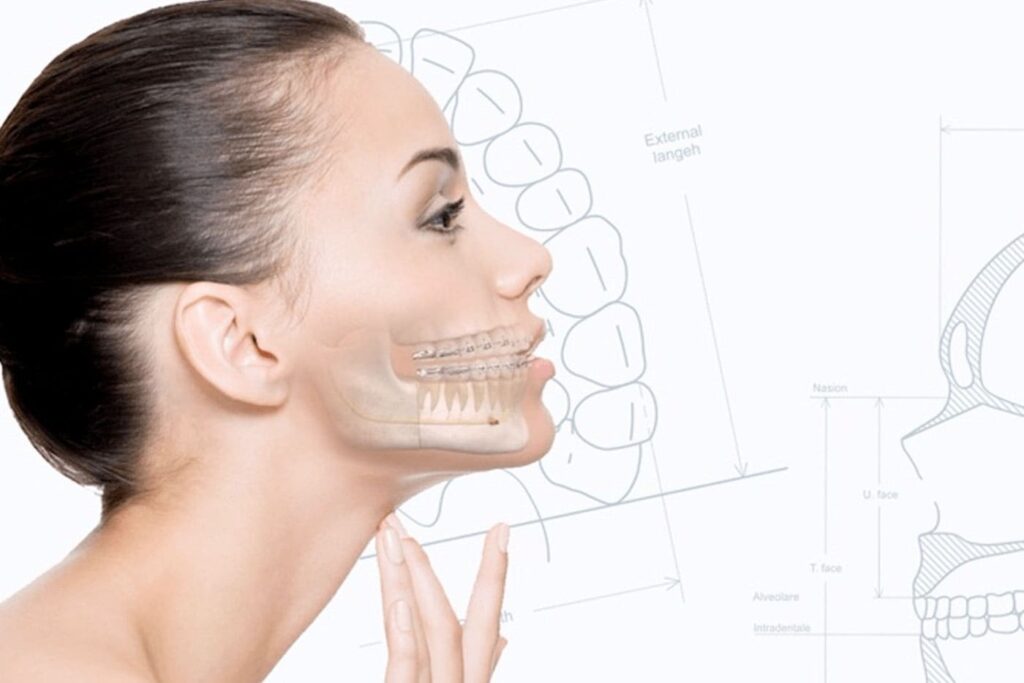
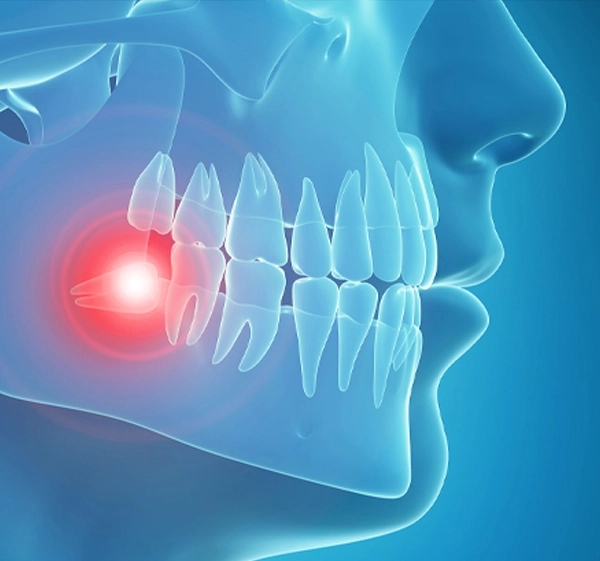
The jaw joint, which connects the lower jawbone to the skull, is one of the most complex and most actively used joints in our body. It moves dozens of times per second during essential actions such as speaking, chewing, and swallowing. Inside this joint there is a small cartilage disc that prevents the bones from rubbing against each other and cushions movement.
The main cause of jaw noise is this cartilage disc shifting forward out of its normal position and attempting to slip back into place as the jaw opens and closes. This condition, which initially manifests only as a sound, is the first evidence that the load distribution across the joint surface has been disrupted.
The Main Factors That Cause Jaw Noise
The jaw joint has a delicate structure and can be negatively affected by many different factors. Our daily habits and physical conditions directly trigger joint health issues:
- Teeth Clenching and Grinding (Bruxism): Clenching the teeth, often done unconsciously under stress or during sleep, multiplies the load placed on the jaw joint, causing the disc to shift out of place.
- Bite Misalignment (Malocclusion): When the teeth in the upper and lower jaw do not meet ideally, chewing force is distributed unevenly and asymmetrically across the joints.
- Missing Teeth: Tooth loss that is not treated in time disrupts the load balance in the jaw, creating strain on the remaining teeth and the joint.
- Past Trauma and Postural Disorders: Old impacts to the facial area, or working for long periods in a forward-leaning position at a computer (postural disorder), strain the jaw muscles.
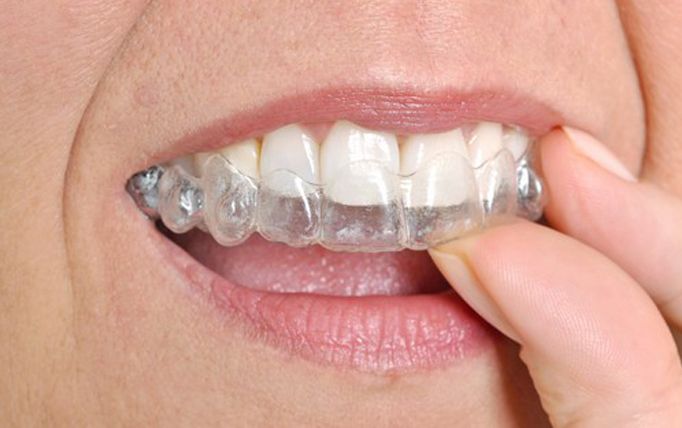
According to clinical studies in the international oral and maxillofacial research literature, approximately 25% to 30% of the population experiences mild-level jaw joint noises. Research demonstrates that in cases identified early and supported by conservative methods such as a protective splint (night guard), the success rate without the need for surgical intervention exceeds 80%.
In Which Cases Does Jaw Noise Require Treatment?
Not every jaw noise requires urgent surgery; however, there are certain accompanying symptoms that indicate the condition is progressing and that professional intervention is essential. The table below will help you understand at which stage jaw noises pose a risk:
| Clinical Condition / Symptoms | Risk Level | Approach and Recommendation |
|---|---|---|
| Only rarely heard, painless “click” or popping sound. | Low / Should Be Monitored | No urgent procedure is needed; however, a physician check-up and avoiding hard foods is beneficial to prevent joint wear. |
| Sound present with every meal and yawn; fatigue in jaw muscles in the mornings. | Moderate / Treatment Recommended | A personalized protective night guard or muscle-relaxant protocols should be planned to prevent wear of the joint disc. |
| Pain radiating in front of the ear accompanying the sound; momentary jaw locking. | High / Intervention Required | Before cartilage deformation progresses, treatment should begin with a detailed clinical examination and advanced imaging methods. |
| Inability to fully open the mouth; severe stabbing pain and locking during chewing. | Advanced / Urgent | Arthrocentesis (joint lavage) or advanced combined surgical/conservative treatments should be evaluated. |
Jaw Health in Kadıköy and the Opc Klinik Approach
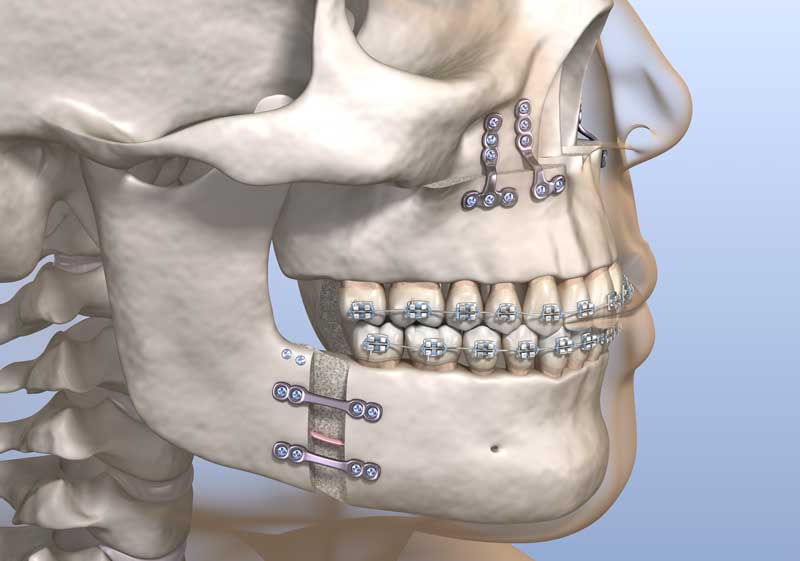
Opc Klinik, operating in Kadıköy, Istanbul, adopts a personalized, transparent, and holistic approach to jaw joint disorders and jaw surgery processes. For patients who come to our clinic with complaints of jaw noise, a comprehensive clinical evaluation and modern digital imaging systems are used to identify the root cause of the problem.
Our primary goal in the treatment process is to restore joint health while preserving the patient’s natural tooth and jaw anatomy, without disrupting their daily comfort. In cases of jaw noise diagnosed early, significant progress can be achieved with simple protective guards and lifestyle adjustments.
Frequently Asked Questions (FAQ)
1. My jaw makes noise but I have no pain at all — should I still see a doctor?
The absence of pain does not mean the joint is completely healthy. The noise is an indication that the cartilage disc has shifted out of place. Since this condition can progress to locking or chronic pain over time, seeing a specialist helps prevent larger problems in the future.
2. Does chewing gum increase jaw noises?
Yes. Constant gum chewing places excessive strain on jaw muscles and the joint that are already fatigued and sensitized. People experiencing jaw noise are advised to avoid chewing gum and to avoid straining to bite into hard, large bites of food.
3. Can jaw noises disappear completely?
With the right treatment protocols applied (night guards, suitable exercises, and supportive therapies where necessary), the load on the joint can be reduced, minimizing or completely eliminating the noises. However, personal discipline and adherence to the physician’s recommendations are very important in this process.
Conclusion
Jaw noise is one of the body’s whispers that should not be ignored. Small clicks neglected under the assumption that “it will go away eventually” can evolve over time into serious joint problems that limit your comfort. As Opc Klinik in Kadıköy, we know the importance of a healthy smile and a comfortable jaw, and we invite you to take conscious steps.