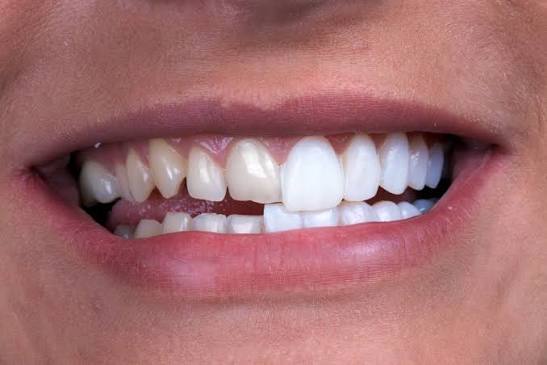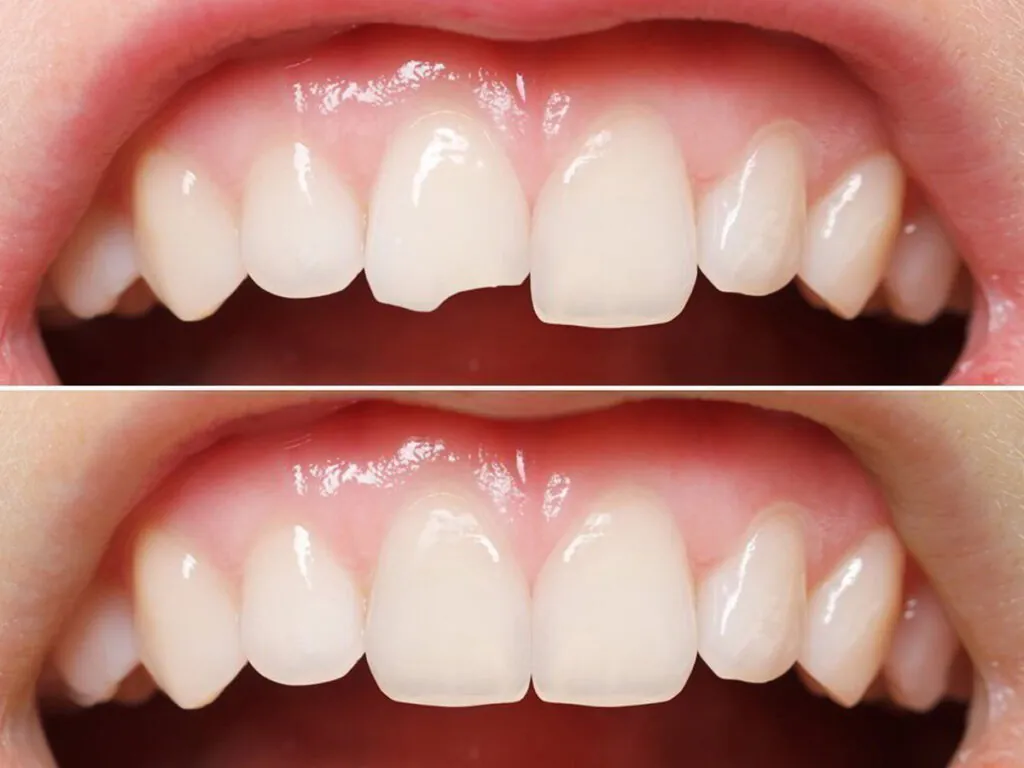
The short answer to how many sessions bonding takes: correcting a small chip, or a color or shape issue, is usually finished in a single appointment. For aesthetic corrections that cover more than one tooth, or when another treatment is needed first, the process can be spread over two or more appointments. The length of a session depends on the number of teeth treated and the size of the correction.
What determines the duration
Bonding is done by placing a tooth-colored composite material on the tooth in layers and shaping it. For this reason the time gets longer or shorter depending on how much material each tooth needs.
- Number of teeth: A small correction on a single tooth takes less time than an aesthetic arrangement covering several teeth together.
- Scope of the correction: A small edge chip is not finished in the same time as lengthening a tooth or closing the gap between two teeth.
- Color matching: The dentist takes time so that the material matches the color of the neighboring teeth.
- Additional preparation: If tartar cleaning, treatment of decay or gum reshaping is needed, these are done first.
For this reason only your dentist can give the exact duration after the exam. When scheduling, multiplying the time set aside for one tooth by the number of teeth can be misleading; clarify the plan together at the exam and, if needed, put a second appointment on the calendar from the start. You can read the steps of the bonding procedure in our article on the step-by-step treatment process.
Sensitivity and anesthesia during the session
Because bonding often does not require much intervention in the tooth tissue, it can often be done without anesthesia. If your tooth is sensitive or decay needs to be cleaned, the dentist may give anesthesia; it is right to talk about this before the procedure. If you feel any discomfort during the session, it is enough to tell the dentist right away.
How long does bonding last
How long bonding keeps its appearance in the mouth varies from person to person. Durability depends on brushing habits, on habits such as clenching, on the drinks you consume and on how much load the bonded area takes. You can ask your dentist at the exam about the expected life for your own situation; for general information, you can also look at our article what bonding is, how it is done and how long it lasts.
Care afterward and habits to avoid
After the procedure you can continue to eat normally and brush your teeth, but limiting some habits helps the bonding look good for a long time.
- Do not bite hard objects such as nails, pens or ice.
- If you clench or grind your teeth, tell your dentist; a night guard may be recommended if needed.
- Reduce smoking, tea, coffee and dark-colored drinks; they increase staining.
- Brush twice a day and use dental floss.
- Do not skip check-up appointments.
Staining and correction
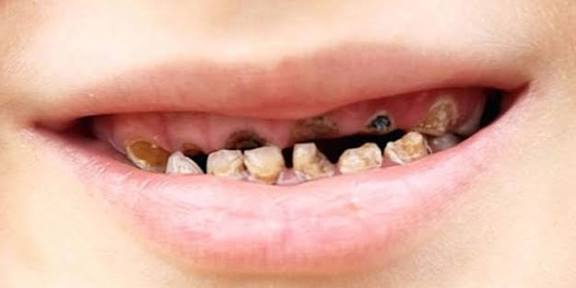
Bonding material can become stained on the surface over time; tea, coffee and smoking in particular speed this up. Light staining can often be corrected by polishing the surface. When there is a fracture, a piece falling off or a marked color change, a repair is generally made with the same material; starting over may not be necessary. If your expectation of shape or color changes, an adjustment is also possible.
Appointment planning during pregnancy
Whether bonding can be done during pregnancy depends on how urgent the procedure is and on your general condition. An aesthetic bonding can often be postponed; however, if a broken tooth or a sharp edge is bothering you, an appointment can be planned. Be sure to say that you are pregnant before booking, and also talk with your obstetrician.
OPC Klinik is a dental clinic that also offers advanced treatments such as zygomatic implants and orthognathic surgery, whose founding partners are university faculty members and which serves in four languages.
If you would like to book a first assessment appointment for bonding or find out whether bonding is suitable for you, you can reach us through our contact page.