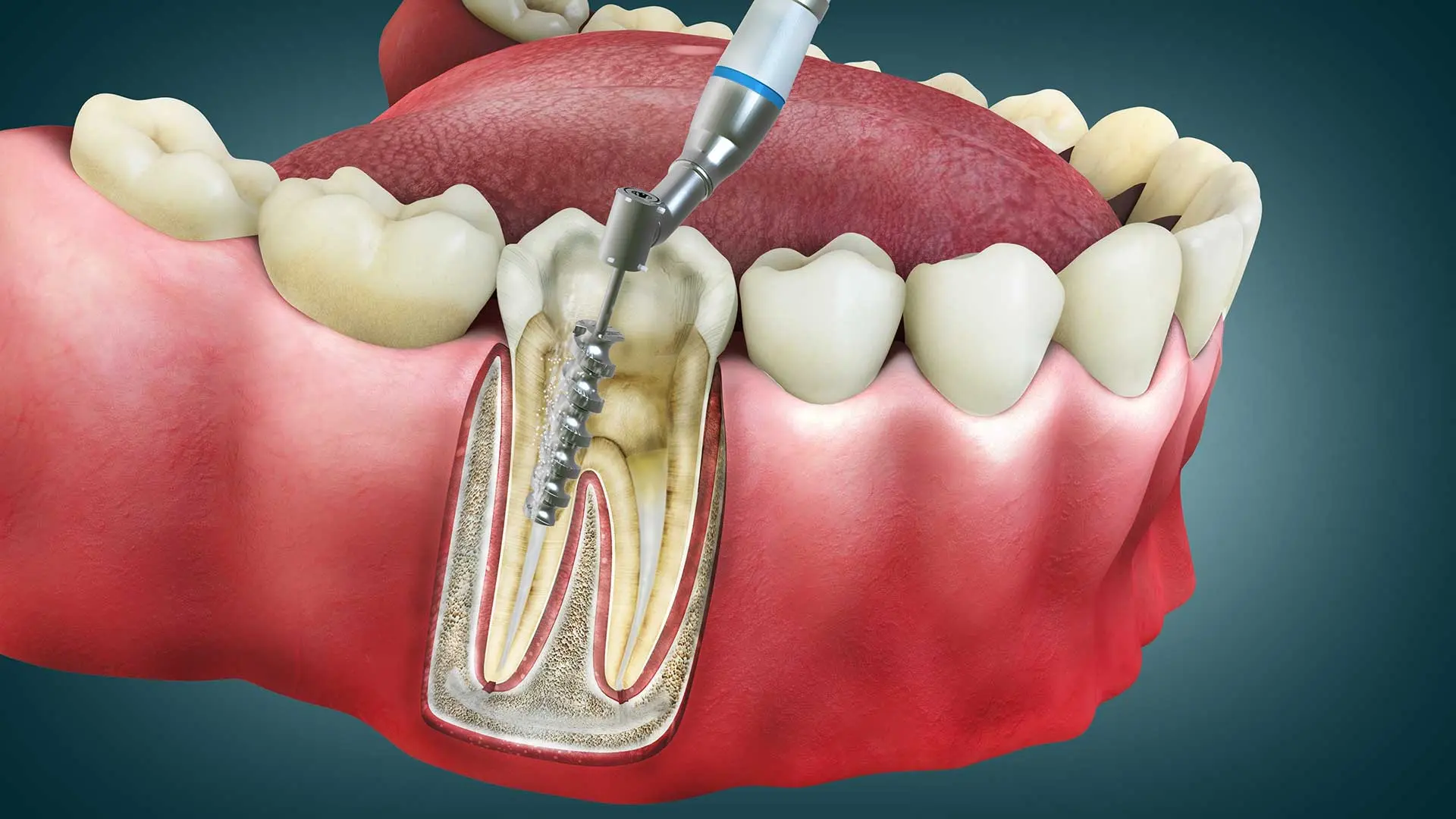
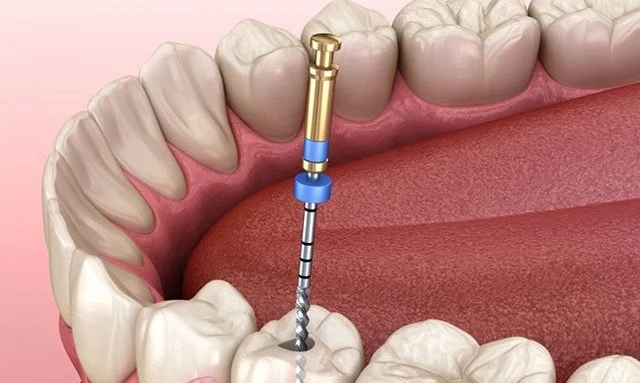
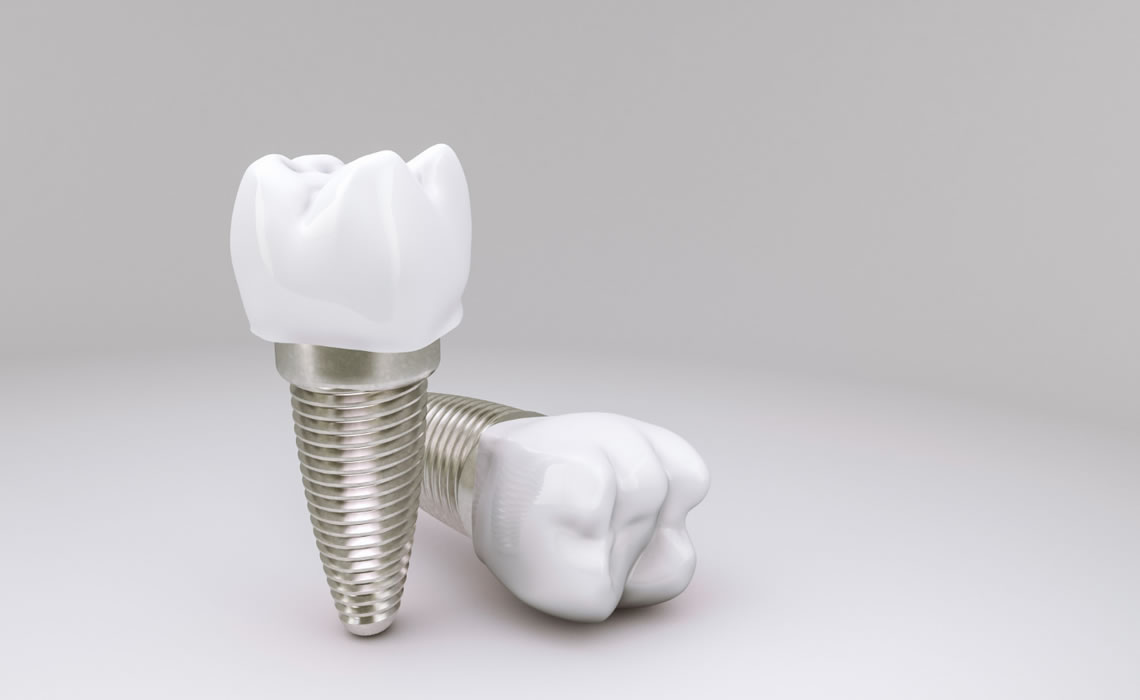
The short answer to who places dental implants is this: a dentist does, but the surgical stage is usually carried out by dentists working in oral and maxillofacial surgery or periodontology, and the tooth that will sit on top of the implant is completed with prosthetic planning. So what matters most is less a single title and more the dentist’s experience in implant surgery and who holds the plan together from the beginning of treatment to the end.
Specialties that carry out the surgical stage
Placing an implant into the jawbone is a surgical procedure. This stage can be carried out by dentists working in oral and maxillofacial surgery or by periodontists, who specialize in the gums and surrounding tissues. Both know bone and gum tissue and can perform the surgical procedure in a planned way.
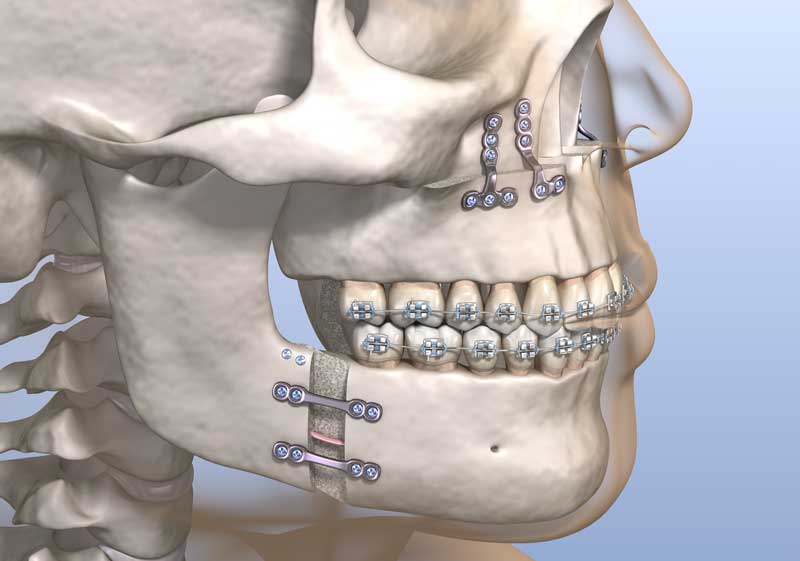
When the amount of bone has decreased, when the area is close to the sinus, or in cases where the amount of bone matters, surgical experience becomes even more decisive. In such a case, the dentist is expected to know advanced options such as bone grafting, sinus procedures or zygomatic implants, and to be able to plan them when needed.
The prosthetic specialist who plans the upper structure
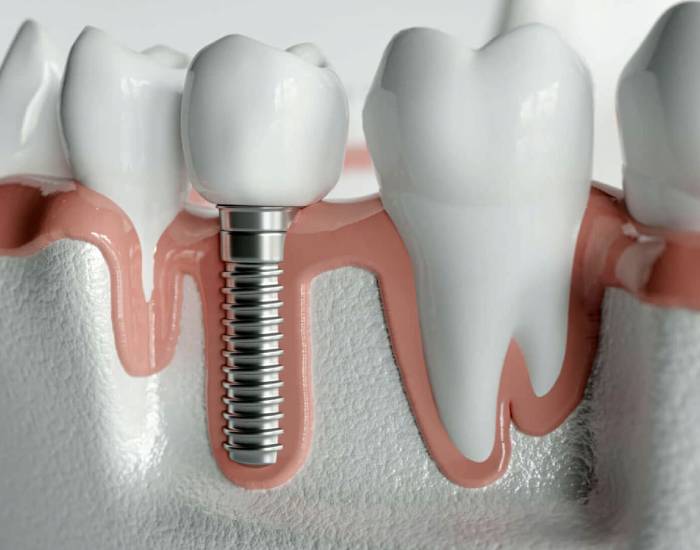
An implant is a titanium screw that carries the root of the tooth; the part you see in the mouth is the crown or prosthesis made on top of it. The dentist working in prosthetics who plans this upper structure determines the length and colour of the tooth, the bite relationship and the harmony with neighbouring teeth.
In good planning, the implant is placed according to the position of the future tooth; in other words, the target tooth is thought of first, and then the position of the implant is decided. It affects the result when the surgical dentist and the prosthetic dentist decide on this together from the start.
Teamwork and who holds the plan
Implant treatment is often completed not by a single dentist but through teamwork. The surgeon, the prosthetic dentist and, when needed, dentists in orthodontics or gum care share the same plan. What matters for you is that at the end of the process there is one responsible dentist who explains every stage and answers your questions.
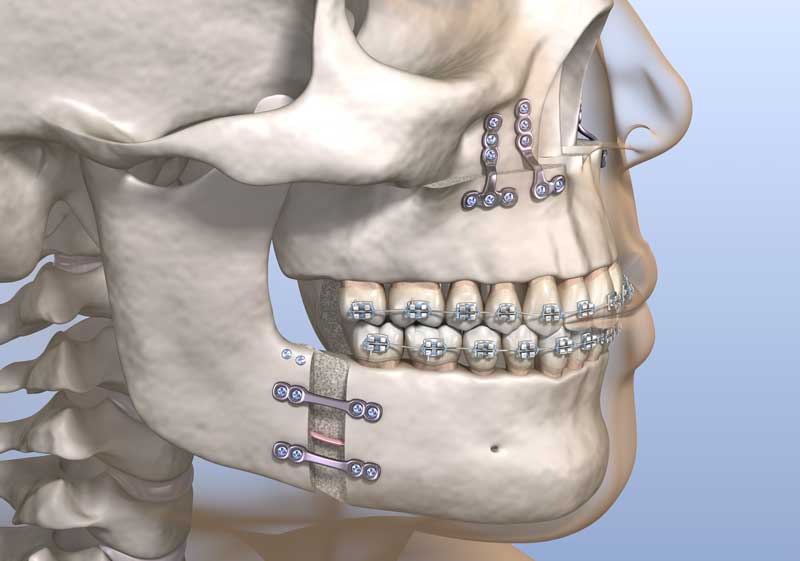
For this reason, it is more accurate to ask “which specialist should do it” together with the question “how does this team work together”. A clinic that has several fields, such as jaw surgery, paediatric dentistry, orthodontics and aesthetic dentistry, can evaluate your case across these fields under one roof when needed.
Questions to ask when choosing a dentist
- Who will perform the implant surgery, and who will plan the upper structure?
- If the bone is insufficient, what options are there, and can the clinic carry them out itself?
- How are the treatment stages, duration and check-up intervals planned?
- Is three-dimensional imaging taken before treatment?
- Who looks after you if a problem comes up?
You can get to know our dentists on our dentists page.
What should be explained at the first examination
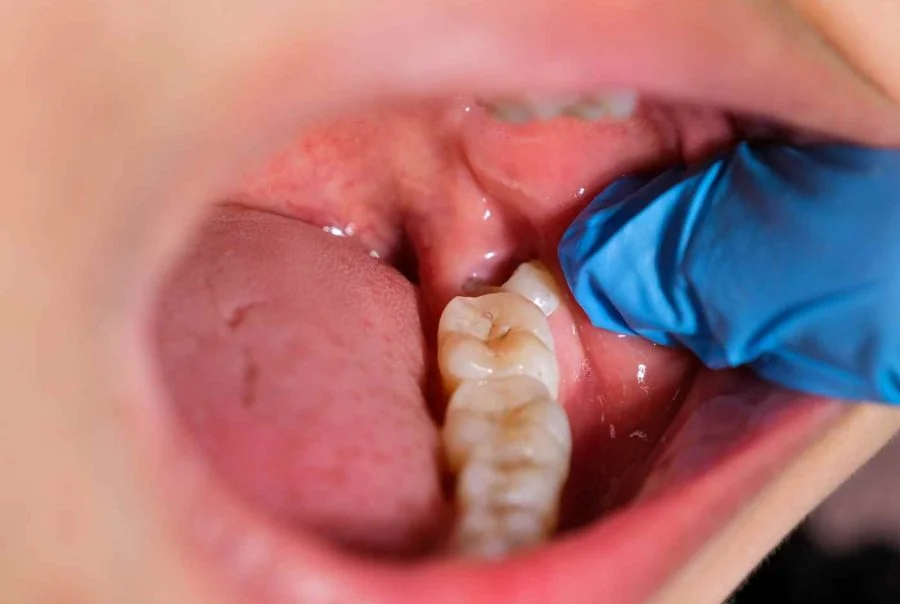
At the first examination, the dentist examines your mouth, takes the necessary images and shows you the findings. Which tooth the implant is for, how many implants are recommended, the condition of the bone and the stages the treatment will consist of should all be explained. You can find what is done in the first meeting in detail in our article on the first examination in implant treatment.
Follow-up and check-up process
After the implant is placed, the healing period begins; during this time you are called back for check-ups at certain intervals. Regular check-ups after the upper structure is fitted are also necessary for the implant to stay healthy for a long time. Find out from the start who will follow your plan and how often the check-ups are. It is also good to know whom to contact and how in case of pain, swelling or a tooth that feels loose. For your questions, you can arrange a meeting with our clinic through our contact page.