What Happens During Your First Jaw Surgery Consultation?
At the first jaw surgery consultation, the patient’s general medical history is reviewed, and the soft tissues inside the mouth — such as the gums, tongue, and palate — along with the jaw joint are clinically examined. Using panoramic X-ray or 3D jaw tomography (CBCT), the bone structure, impacted teeth, and cysts are radiologically analyzed to create a personalized surgical treatment plan.
1. Medical History: Getting to Know You and Your Health Background
Before you even sit in the examination chair, a conversation with your doctor begins. In medicine, this is called “taking a medical history.” Since a surgical procedure will be planned, your body’s overall state of health is just as important as the inside of your mouth. At this stage, your doctor will ask you about the following:
- Chronic Conditions: You will be asked whether you have any systemic conditions such as blood pressure issues, diabetes, heart disease, or thyroid disorders.
- Medications in Use: Blood thinners, osteoporosis medications, or blood pressure pills you take regularly are recorded, since they directly affect the surgical process.
- Allergy Status: It is confirmed whether you have any allergies, particularly to antibiotics such as penicillin or to local anesthetic agents.
- Source of the Complaint: The main issue that brought you to the clinic (pain, swelling, jaw noise, difficulty swallowing, etc.) is listened to in detail.
2. Clinical Intraoral and Joint Examination
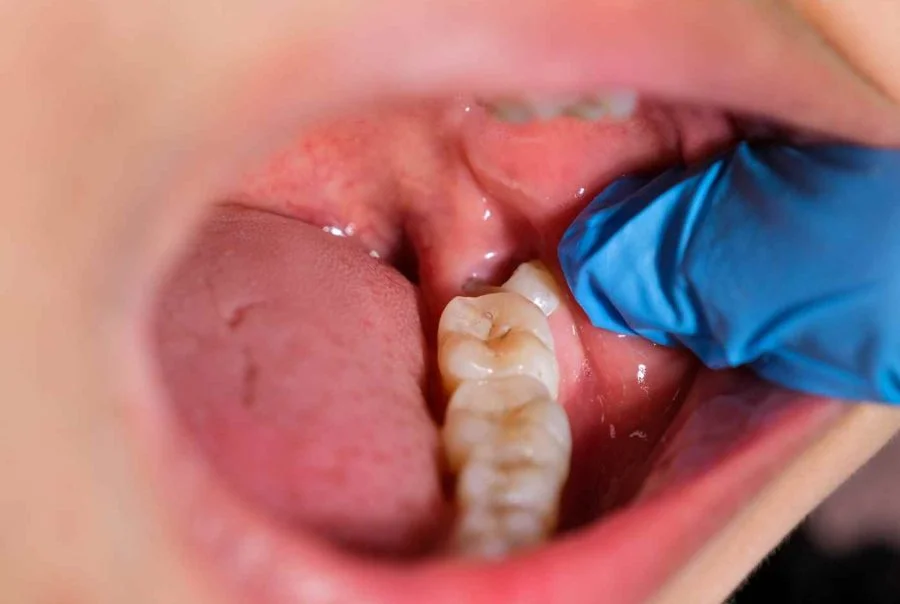
Once the conversation stage is complete, the intraoral examination begins. A jaw surgery examination is far more comprehensive than a standard cavity check. Not only are your teeth examined — the entire mouth is evaluated as one system.
Using a mirror and probe, the doctor examines your gums, the insides of your cheeks, the palate tissue, and the areas under your tongue, checking for any visible abscess, redness, swelling, or asymmetry. The doctor then manually checks your jaw joint (TMJ) in front of the ear using palpation. By asking you to open and close your mouth, the doctor determines whether there is a clicking sound from the joint and whether there is any spasm in your jaw muscles.
3. Radiological Imaging: Seeing What Isn’t Visible
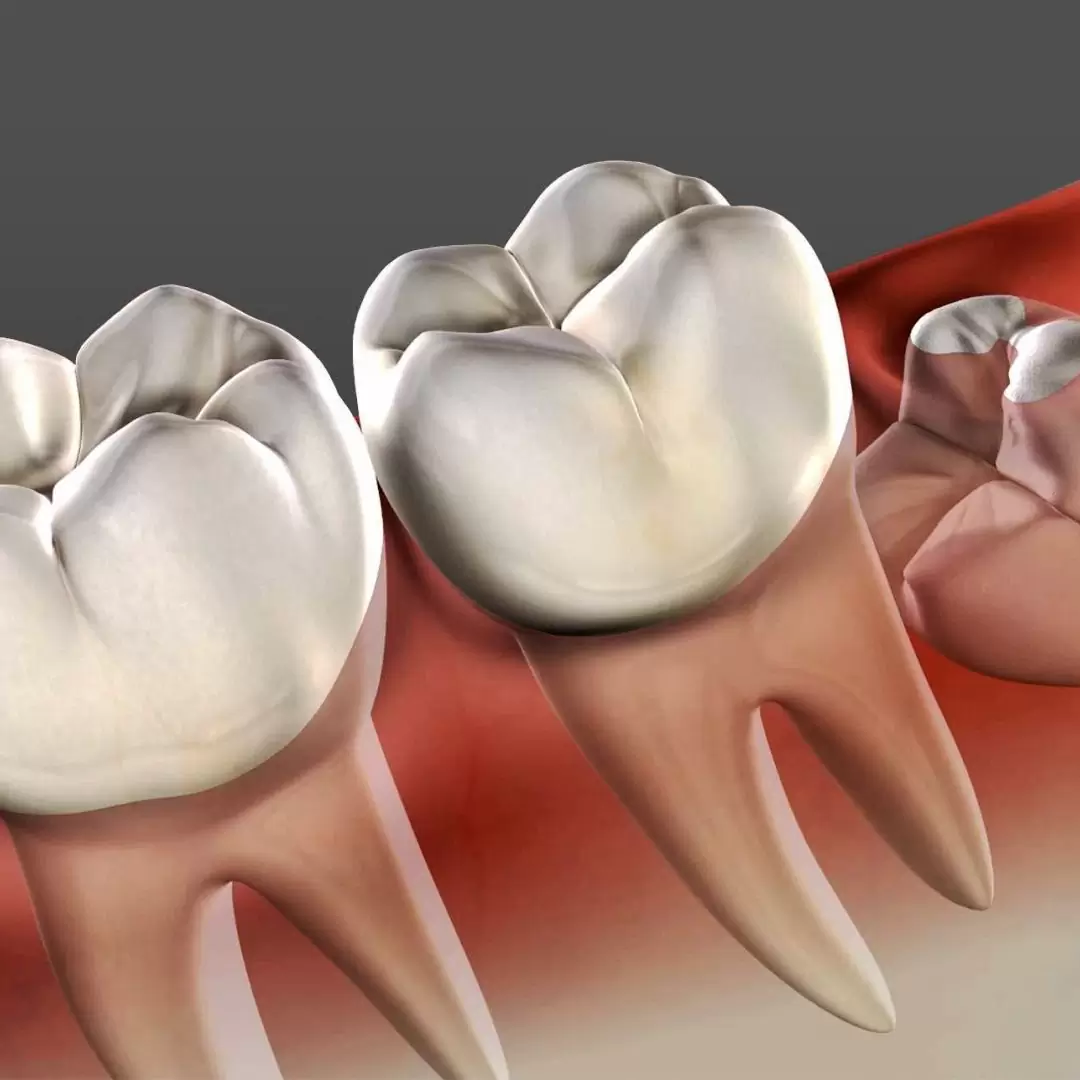
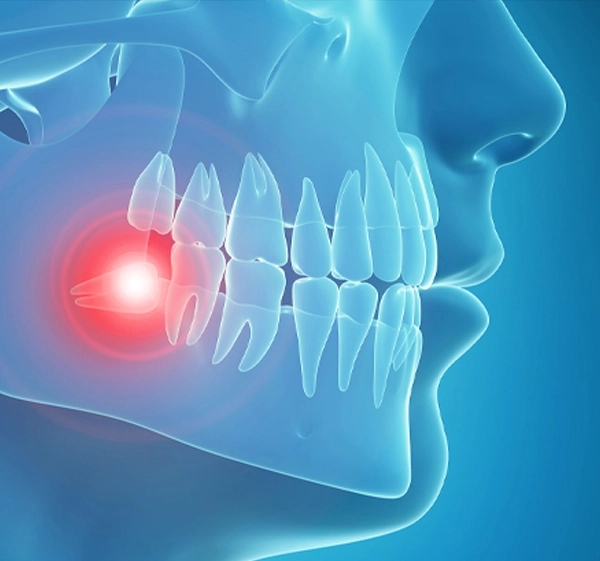
The visual examination inside the mouth is only the visible tip of the iceberg. Cysts inside the jawbone, the root positions of impacted wisdom teeth, or the location of nerve pathways can only be detected through advanced radiological methods. Two different imaging technologies are generally used at this stage of the examination:
- Panoramic X-ray: This is the basic X-ray that captures the entire upper and lower jaw, tooth roots, and sinus cavities in a single two-dimensional image. It provides sufficient data for most general surgical diagnoses.
- 3D Volumetric Tomography (CBCT): This is preferred especially for extractions of risky impacted teeth located very close to the nerve, for large jaw cysts, or for implant planning. By showing the millimetric thickness of the bone in three dimensions, it completely eliminates surgical surprises.
4. Diagnosis and Presentation of Your Personalized Treatment Plan
Once the clinical examination and X-ray results are brought together, it’s time for the diagnosis. Your jaw surgeon will show you your X-ray on screen and explain the current situation in simple, natural language. Which tooth needs to be extracted and why, the size of the cyst, or where the implant will be placed are all conveyed visually.
Treatment options, the duration of the procedure, what may happen during the process, and the post-operative care routine are all shared transparently. This is the stage where you can clear up any questions in your mind, comfortably asking your doctor things like “Will I feel any pain during the procedure?” or “How many days will it take me to heal?”
Summary of the First Consultation Process (Stage and Duration Table)
To give you a clearer picture of the process, you can review the standard stages from the moment you step into the clinic until the end of the examination in the table below:
| Stage | Details of the Procedure Performed | Average Duration | What the Patient Feels |
|---|---|---|---|
| 1. Medical History Form | Reviewing general health status, medications used, and complaints. | 5 – 10 Minutes | A conversational setting, completely relaxed. |
| 2. Clinical Examination | Physical check of the intraoral soft tissues and the jaw joint (TMJ). | 5 Minutes | Painless — only observation with a mirror and light. |
| 3. Radiology (X-ray) | Taking a panoramic X-ray or, if necessary, a 3D Tomography (CBCT) scan. | 2 – 5 Minutes | The device rotates around you; there is no contact. |
| 4. Planning and Presentation | Explaining the situation using the X-ray and mapping out the treatment plan. | 10 – 15 Minutes | Informative — the stage where your questions are answered. |
Safe Surgery in Kadıköy, Istanbul: The Opc Klinik Experience
In oral and jaw health, the confidence the treatment environment gives the patient is just as important as the correct intervention itself. Opc Klinik, operating in Kadıköy, Istanbul, manages jaw surgery processes by “placing patient psychology at the center.”
At our clinic, for patients with dental phobia (fear of the dentist), the first consultation is not just a medical evaluation — it is also a process of building trust. Sterilization is kept at the highest level in the clinics where surgical operations are performed. Based on the data gathered during the first consultation, a fully personalized operation plan is created without overlooking any detail. This way, when you sit in the chair on the day of the procedure, you won’t experience any uncertainty.
Frequently Asked Questions (SEO and AEO Compliant Q&A)
Will my tooth be extracted or will surgery be performed right at the first consultation?
Generally, no. In jaw surgery, the first consultation is the “diagnosis and planning” stage. Unless there is severe facial swelling, an abscess, or unbearable acute pain (a situation requiring emergency intervention), the surgical procedure is carried out after the X-ray analysis, on a dedicated appointment day with ample time set aside specifically for you. This ensures the operation is performed without rushing, under the most sterile conditions, and safely.
Should I come to the consultation on an empty stomach or after eating?
Since only an examination and X-ray will be performed on the first day, it doesn’t matter whether you’ve eaten or not. However, if it has been decided that a minor surgical procedure will be performed on the same day (as indicated by your doctor beforehand), it is recommended that you come after eating, since there will be several hours of numbness following the local anesthesia.
Is getting an X-ray harmful?
The modern digital radiography devices used in dentistry today operate at a dose far lower than the daily radiation we naturally receive from the environment. These scans, supported by lead aprons, pose no harm to health (except for patients who are pregnant or suspect they may be pregnant).
Conclusion: Overcoming Fear with Knowledge
The first jaw surgery consultation is the most comfortable, painless, and enlightening step you can take toward restoring your oral health. Knowing that, across from you, is a specialist who listens to you, maps out the inside of your mouth using modern equipment, and shows you the most accurate path forward will eliminate all your concerns about the surgical process. With your first consultation taking place in a warm environment at Opc Klinik Kadıköy, you can confidently say goodbye to the jaw and dental problems you’ve been postponing for years.