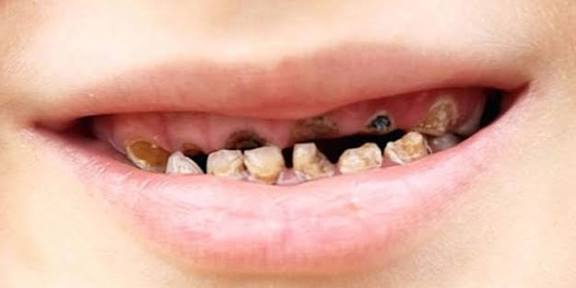
A hybrid prosthesis implant is a fixed prosthetic structure that is attached on top of several implants placed in the jawbone and carries all the teeth of one jaw as a single piece. It is considered for people who have lost most of their teeth or are about to, who are not satisfied with a removable denture and who want a fixed solution. Bone condition, general health and gum health determine suitability; for this reason the decision is made after the exam and imaging.
What is a hybrid prosthesis implant?
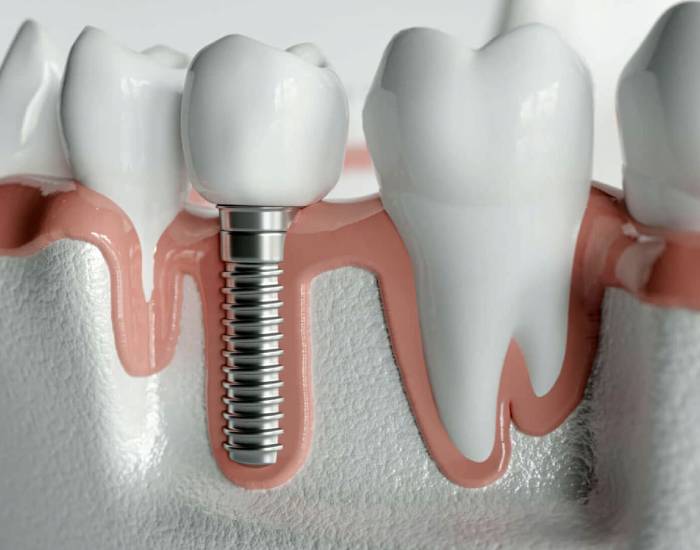
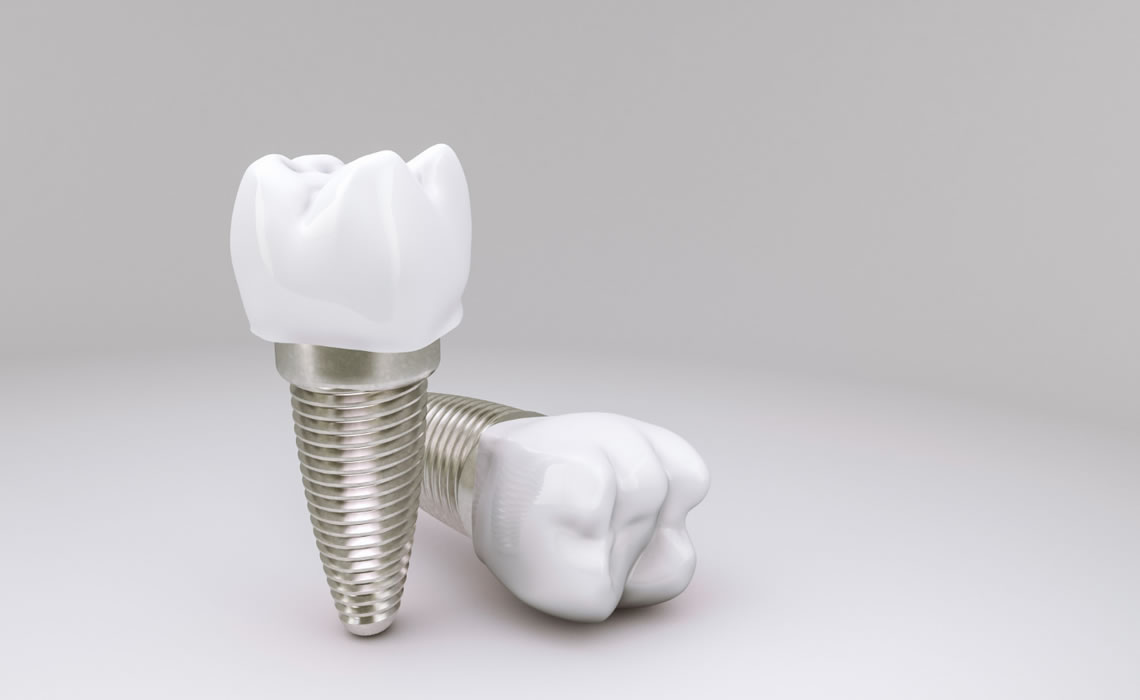
A hybrid prosthesis renews not single teeth but all the teeth in a jaw with one prosthetic body seated on several implants. Here the implants are titanium screws placed in the jawbone; the prosthesis is the tooth and gum part attached to these screws. At OPC Klinik, the forms of this approach you will encounter most often are All-on-4 and All-on-6 implant treatments; they aim to carry the whole jaw with only four or six implants. You can find the details on the All-on-4 / All-on-6 implant page.
Because a separate implant is not needed for every missing tooth, treatment is planned more simply in complete tooth loss. For the general logic of implants, you can also look at our article the place of implants in treating missing teeth.
Who is a hybrid prosthesis applied to?
The hybrid prosthesis implant option is considered in the following situations:
- If most of the teeth in the upper, lower or both jaws are missing or cannot be kept
- If the removable denture often moves, causes sores or makes eating difficult
- If the bone support of the remaining teeth has weakened and extraction is needed
- If a fixed solution with high chewing strength is wanted
It is not suitable for everyone. Conditions such as uncontrolled diabetes, advanced gum disease, heavy smoking and insufficient bone can change the plan or require other treatments first. The amount of bone is decisive in this decision. When the bone is insufficient, alternatives such as bone augmentation surgery or zygomatic implants can come up; OPC Klinik also offers a Zygomatic Implants service.
Waiting time in the upper and lower jaw
The waiting time for implants in the upper jaw and the lower jaw is not the same. Because the lower jawbone is denser and harder, the implant’s fusing to the bone is usually completed in a shorter time. The upper jawbone is more spongy, so this time is mostly longer. The duration varies with bone grafting, the sinus area and the person’s healing rate.
It would not be right to state this time as a fixed number, because what sets the plan is the quality of the bone and the number of teeth to be extracted. For the general process, you can look at our article how many months does implant treatment take.
Osseointegration: the implant fusing with the bone
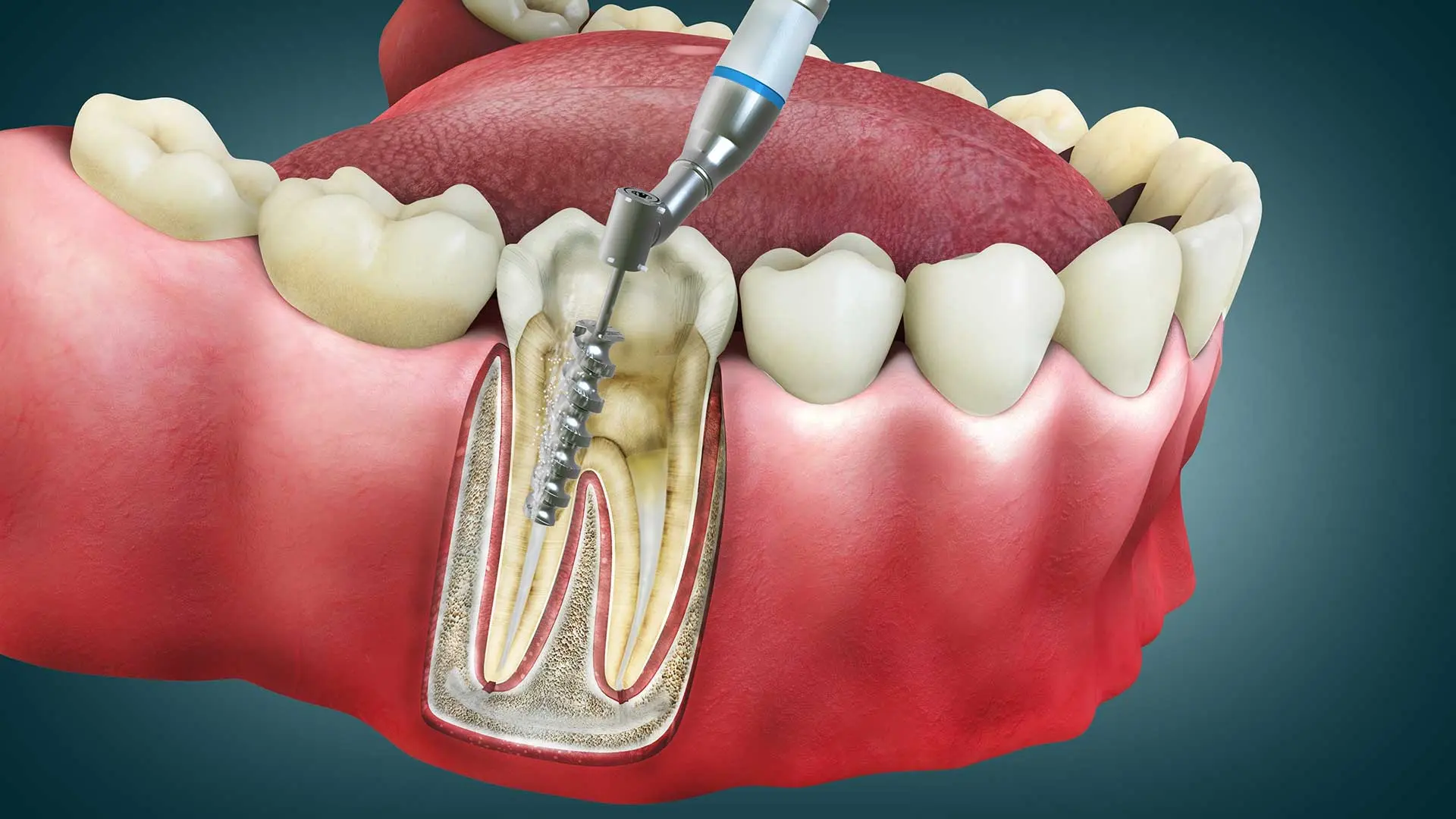
Osseointegration means the titanium implant biologically fusing with the jawbone. After the implant is placed in the bone, within a certain time bone cells attach to the surface of the implant and the screw starts to act like a solid root. This fusion needs to be sufficient before chewing force is applied to the hybrid prosthesis.
The factors that affect fusion are bone quality, oral hygiene, smoking, chronic diseases and the precision of the surgery. For this reason the check-ups during the healing period must not be neglected.
Temporary solutions and how they differ from an implant
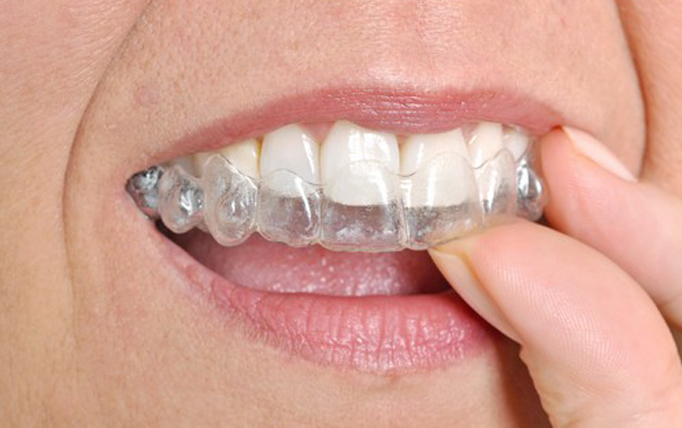
Being without teeth between the extraction of the teeth and the fitting of the final prosthesis is the biggest worry for most people. During this time temporary prostheses can be used; they can be removable or fixed. The aim is to make eating and speaking easier and to preserve appearance. However, temporary solutions do not take the place of an implant; in terms of chewing strength and bone protection they cannot be compared with an implant.
Advantages and limits of the hybrid prosthesis
Being fixed is its most obvious advantage: the problems of a removable denture, such as moving, taking up room on the palate and causing sores, are largely removed. Because the implants carry the chewing load on the bone, eating is also easier. In terms of appearance, the teeth and the gum part are planned to suit the facial structure.
It is also necessary to know the limits. A hybrid prosthesis requires cleaning every day; if the area under the prosthesis and around the implants is not cleaned with special brushes and floss, gum inflammation can develop. In addition, the prosthesis itself can wear over time, and maintenance or repair may be needed at periodic check-ups.
Common worries
The thought that the procedure will be painful is the most common worry; what you will feel varies with the person and the procedure to be done, so ask your dentist at the exam about the anesthesia options and how the period after the procedure will be managed. Another worry is the “rejection” of the implant. Titanium is generally accepted by the body; a failure to fuse is mostly related to infection, smoking, insufficient bone or neglected oral care. A third worry is that the prosthesis will not look natural; at the planning stage the color, length and gum form are chosen together with the dentist.
Another frequent question is how long the prosthesis will last. Durability depends on oral care, on habits such as clenching, on smoking and on the regularity of check-ups. If you clench your teeth at night, the dentist may recommend a protective guard.
Implant or crown: which is more suitable?
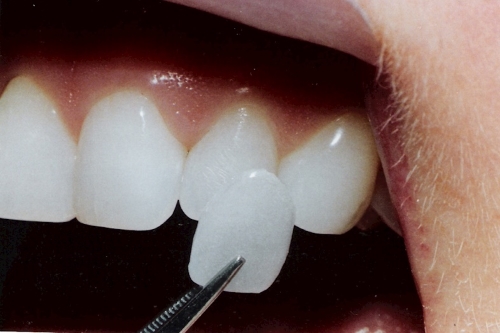
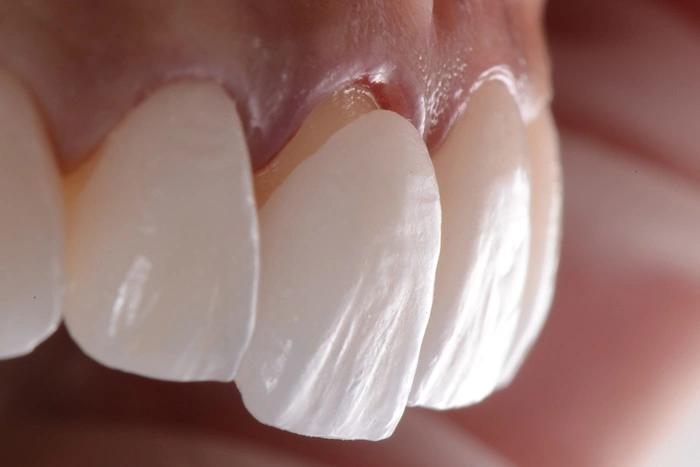
A crown is made to keep a tooth when a sound tooth root or structure still exists; an implant, on the other hand, gives a new root in place of a missing tooth. So the two are not two answers to the same problem but solutions to different situations. If the root of the tooth is sound and can be saved, a crown is considered. If the tooth is lost from the root, broken or damaged to the point that it cannot be saved, an implant comes up. When many teeth are affected, crowns alone are not enough and a comprehensive solution such as a hybrid prosthesis is planned.
Implant types and how the dentist chooses
The length, diameter and number of implants are determined by the bone structure of the jaw, the position of the teeth and the chewing load. The dentist does not look for a single “right implant”; they plan the size and position that suit your bone. In a hybrid prosthesis the number and angle of the implants are calculated so that the prosthesis distributes the load in a balanced way.
How does the treatment process go?
The process usually starts with an exam and imaging. After that, if needed, treatments for decay and gums are completed, teeth that cannot be kept are extracted and the implants are placed. While the implants fuse with the bone, daily life goes on with a temporary prosthesis. When fusion is complete, an impression is taken, the final prosthesis is prepared and attached to the implants. Finally the bite fit is checked and the care plan is explained.
The order and duration of these steps vary from person to person. In some people an implant can be placed on the day the tooth is extracted; in others the healing of the bone is awaited first. The decision depends on the condition of the bone and gum. For this reason the answer to whether an implant can be placed right after an extraction is not the same for everyone either. The dentist determines the timing specific to you by looking at the infection status of the area to be extracted and the integrity of the bone walls.
What is assessed at the first exam?
At the first exam an examination of the mouth is done, and X-rays and, if needed, a three-dimensional image are taken. The dentist looks at the health of the remaining teeth and gums, the amount of bone, your general health, the medications you use and your expectations. You can read this exam step by step in our article what is done at the first exam in implant treatment. To find out whether a hybrid prosthesis implant is suitable for you, you can request an exam appointment through our contact page.