There is no single answer to how long a root canal takes: in a simple tooth with sound canals it can be finished in one session, while in an infected or multi-canal tooth it is spread over two or more sessions. The length of a session varies with the position of the tooth, the number of canals and the state of the infection. Below you will find the process step by step, how long you wait between sessions and when the permanent filling and crown are made after treatment.
What decides whether it finishes in one session or several
What decides the number of sessions is mainly how clean the inside of the tooth is and how complex the canals are. The dentist assesses this beforehand with an examination and an X-ray.
- Number and shape of the canals: Front teeth usually have a single canal; molars may have more than one, and curved ones. The more canals there are, the longer it takes.
- State of infection: If there is inflammation, an abscess or drainage at the root of the tooth, the canal may need to be cleaned with medication for a while.
- Treatment done before: In teeth that need renewal, that is, where an old canal filling has to be removed, the process is longer.
- Structure of the tooth and root: Teeth that are broken, cracked or have a thin root need extra precautions.
- Personal situation: How easily the mouth opens, whether the anesthesia takes and your general health also affect the plan.
For this reason, giving an exact number of sessions before the examination would be misleading; after looking at the images, the dentist presents a clear plan.
How a root canal proceeds step by step
A root canal is made up of steps that proceed in order; knowing what happens at each step makes it easier to understand the time. For a detailed description, you can also look at our page on how a root canal is done.
- Examination and X-ray: The dentist examines the tooth and its surroundings and sees the structure of the canals and the location of the inflammation on the X-ray. This step makes up an important part of the first appointment.
- Anesthesia: The tooth and its surroundings are numbed. Once the anesthesia has taken, you do not feel pain during the procedure; you may feel pressure or vibration.
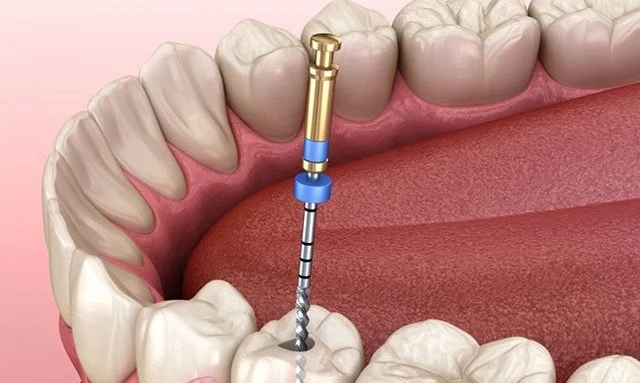
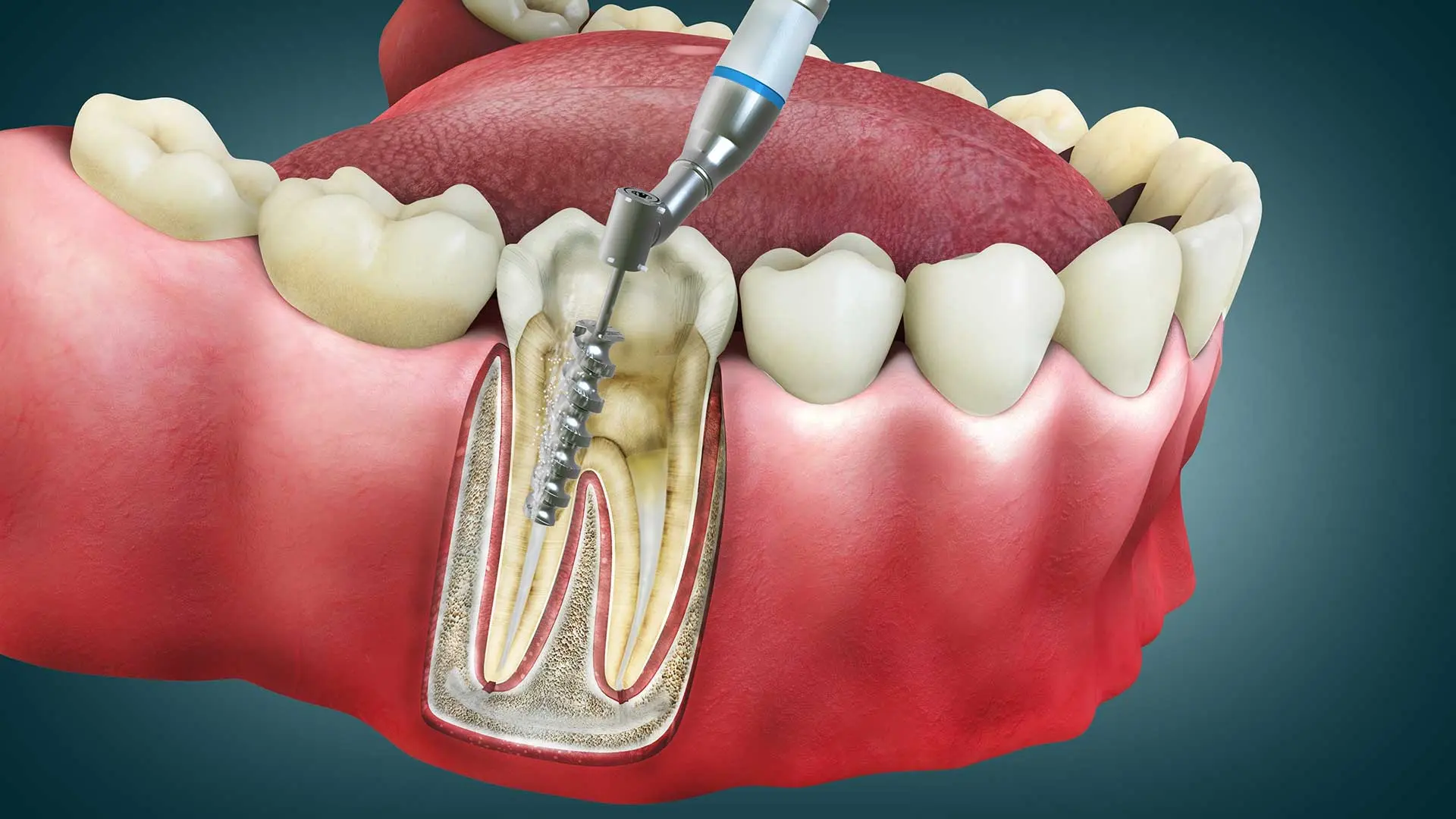
- Opening the tooth and finding the canals: A small access is opened at the top of the tooth and the openings of the canals are found.
- Cleaning and shaping: Infected or dead nerve tissue is removed, and the canals are cleaned and shaped with fine instruments and irrigation solutions. This is the step that lengthens the time the most.
- Disinfection and, if needed, medication: If there is infection, medication is placed in the canal and the tooth is closed with a temporary filling; in this case, treatment continues at the next session.
- Filling the canal: The clean canals are filled with a suitable filling material and sealed.
- Permanent filling or crown: The tooth is protected with a permanent filling or, if needed, a crown so that it regains its function.
What happens at the first appointment
At the first appointment, the examination, X-ray, anesthesia and the start of cleaning the canals usually take place. If the condition of the tooth allows, the work can go as far as the canal filling in the same session; if the infection is marked, cleaning and medication are done in this session and the filling is left for later. Telling the dentist about your complaint, when the pain began, the medications you use and your allergies makes planning easier.
How long you wait between sessions
The wait between sessions varies with the settling of the infection and the dentist’s plan; it is often between a few days and a few weeks. This time is given so that the medication inside the canal can work and the surrounding tissue can calm down. It is important not to delay the appointment, because a temporary filling is not designed to stay in the mouth for long and may leak.
Mild sensitivity in the meantime is normal. If there is swelling, increasing pain or fever, call the clinic without waiting for the next appointment.
The process in infected and multi-canal teeth
In an infected tooth, the aim is first to calm the inflammation and then to fill the canal permanently; this usually means more than one session. In multi-canal molars, each canal has to be found and cleaned one by one, so the time naturally grows. In these cases the quality of the treatment matters as much as its number of sessions; a rushed cleaning may require retreatment later. We explained in which situations a root canal is needed in our article when a root canal is needed.
Appointment pattern in treatment planned in two stages
When a root canal is planned in two stages, the first stage is cleaning and medication, and the second stage is sealing the canal and repairing the tooth. The reason for the two-stage approach is to bring the infection fully under control first and to fill the canal in a clean environment. At the first session the inside of the tooth is cleaned and a temporary filling is placed; at the second session, if the complaints have settled and the canal is clean, the filling is done.
When planning appointments, if you tell the dentist beforehand about travel, long meetings or a busy work period between the two sessions, the calendar can be arranged accordingly.
Can a root canal be done on more than one tooth at the same time
More than one tooth may need a root canal, and these are often planned in order, with as many in the same session as the dentist finds suitable. The dentist sets the order according to the position of the teeth, the state of infection and your ease. The tooth with the most pain and a risk of the infection spreading comes first; because a long session may tire you, the procedure can be divided into several appointments. Since a root canal and a filling call for different approaches in some teeth, the page on the differences between a root canal and a filling is also a useful guide.
When the permanent filling and crown are done after treatment
After the canal filling, the tooth should be protected with a permanent filling or a crown within a short time, because a tooth with a root canal is more prone to breaking. In front teeth a permanent filling is often enough; for molars that carry a heavy chewing load, a crown is recommended. Since a crown needs a separate impression and cementing appointment, the total treatment time grows accordingly. Delaying the permanent filling or crown unnecessarily can cause the temporary filling to leak and the tooth to become contaminated again; so add this appointment to your plan from the start.
It is normal for the tooth to be sensitive in the first days after treatment; eating soft foods and not biting hard objects with the treated tooth is enough. Use the painkiller the dentist recommended as advised; if the complaints increase instead of decreasing or swelling develops, let the clinic know without waiting for the check-up appointment.
What to pay attention to when preparing for the appointment
A few simple steps are enough to prepare for the first root canal appointment. Before the appointment, try to stay calm, eat something light, brush your teeth and note the medications you use. If you use blood thinners or have a chronic condition, be sure to say so.
Because the effect of the anesthesia will continue for a while after the appointment, postpone eating until it has worn off so that you do not bite your tongue or cheek. If you want to book an examination appointment for a root canal or learn the duration for your tooth, you can talk to OPC Klinik through our contact page.