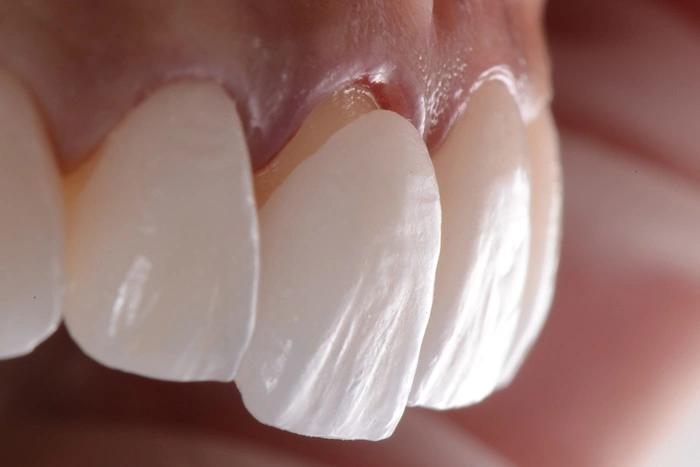
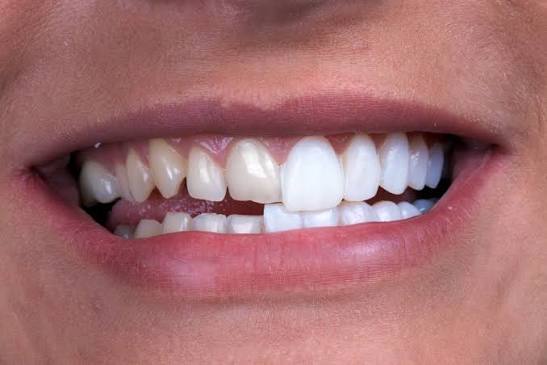
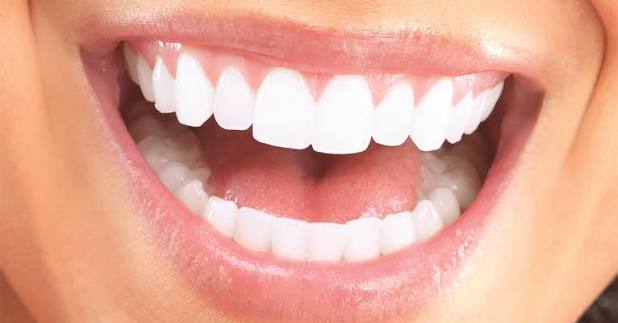
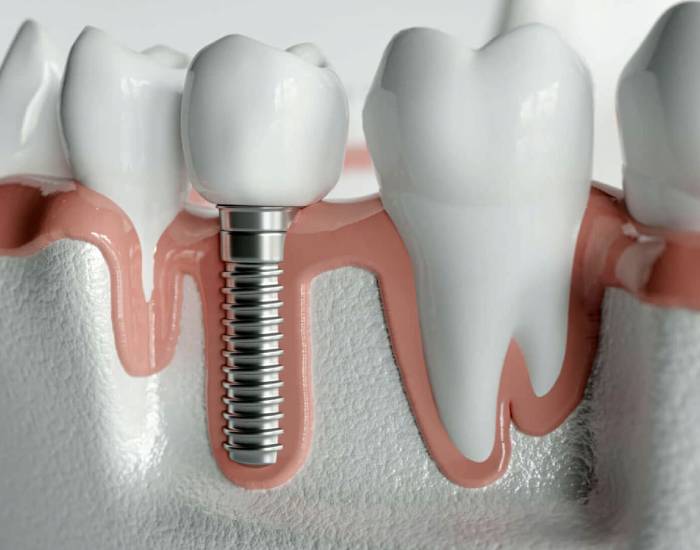
Bonding does have disadvantages, but most of them can be managed with the right patient selection and care: composite material stains more easily than porcelain, it can chip with impact and teeth clenching, and over time it may need polishing or renewal. On the other hand, it removes little of the tooth and is often completed in a single appointment, which are its important advantages. Below you will find its limits stated plainly, when another solution is considered and how you can reduce the risks.
Situations where bonding is limited
Bonding works very well for small and medium aesthetic corrections; for large corrections that bear a heavy load, it is limited. Covering a small chip, reducing the gap between two teeth or adjusting shape and length are suitable for bonding. If the color and shape of many teeth need to be changed together for the long term, options such as laminate or porcelain veneers may be more suitable.
The advantages of bonding alongside its disadvantages
To weigh the disadvantages properly, you also need to know the advantages: bonding often takes very little from the tooth, in some cases nothing at all, and is finished at the dentist’s chair in a single appointment. Because the composite material is shaped in the mouth, color and form are matched to the neighboring tooth on the spot. If a problem arises, the material can usually be repaired or renewed; with porcelain veneers this convenience is limited.
Color change and staining
Bonding can change color over time, because the surface of composite material is not as tight as porcelain. Tea, coffee, red wine, dark sauces and cigarettes can leave stains on the surface. Mild discoloration can often be reversed by polishing the surface; with a noticeable change, the bonding is renewed.
Another point is that bonding material does not respond to whitening gel: if you have teeth whitening, natural teeth become lighter but the bonding stays the same. So it is a healthier order to whiten first and then do the bonding to match the color.
The likelihood of chipping and cracking
Bonding is more sensitive to impact than porcelain; biting a hard object, biting your nails or chewing the tip of a pen can cause it to chip. A chip can often be repaired with the same material, so you do not need to start over.
The risk of chipping also depends on where the bonding is placed. On front tooth edges and back teeth, where the biting load is heavy, the material is put under more strain; so the dentist looks at your bite and plans the placement and thickness accordingly.
Bonding or porcelain veneer: which is more suitable
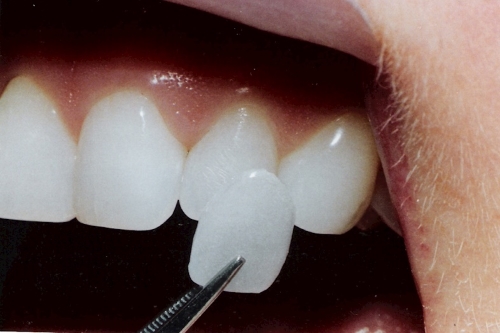
Bonding is a quick method that is easy to reverse and removes little of the tooth; a porcelain veneer is more durable and more resistant to staining, but it requires more tissue to be removed from the tooth surface. The decision depends on expectations: for a small correction on one or a few teeth, bonding; for a broad and long-lasting smile change, a veneer comes to mind. We compared the difference between the two methods in detail in our article on the differences between bonding and porcelain veneer.
Edge fit and the risk of decay
If the bonding edge does not fit the tooth surface well, or if care is neglected, plaque can build up at the edge and decay can develop underneath. This is why care matters in the steps of the procedure such as preparing the tooth, keeping it protected from moisture and polishing the edges. At home, the edge needs to be kept clean with dental floss.
Sensitivity and the adjustment period
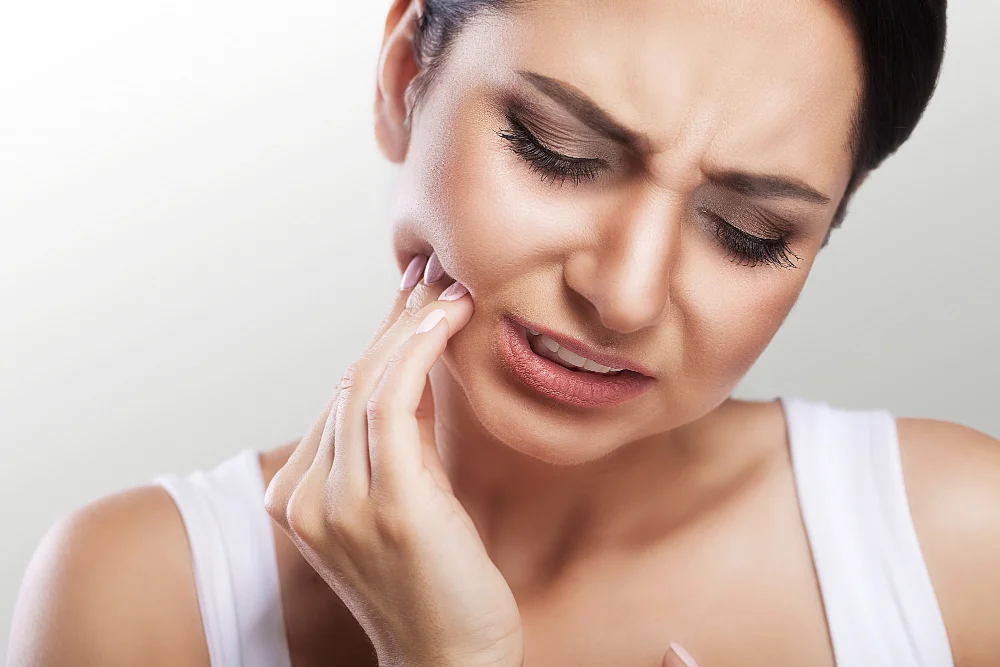
After bonding, you may feel mild cold and hot sensitivity or a sense of bite height for a day or two. If the bonding feels high when you bite, the dentist corrects it with a brief adjustment; rather than waiting for it to settle by itself, it is better to come for a check-up.
The need for renewal and polishing
Bonding is not an application that stays without care for a lifetime; over time its surface may dull and a small line of discoloration may form at its edge. At regular check-ups, the dentist can polish the surface or, if needed, renew the material. How often it needs renewing varies from person to person according to your care routine, your habits and the location of the bonding; giving a fixed date would be misleading.
How teeth clenching and grinding affect bonding
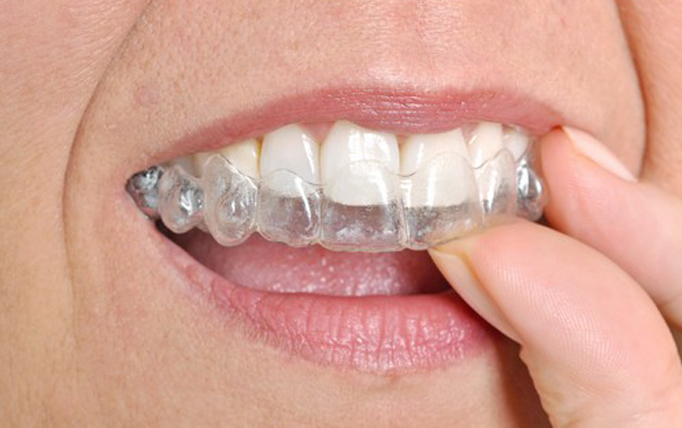
Teeth clenching and grinding are among the biggest enemies of bonding, because they put constant, excessive load on the tooth, which damages the edges of the material and raises the risk of chipping. Someone with bruxism can have bonding; however, the dentist first assesses the situation and, if needed, plans protection with a night guard. We explained this topic on the page about the role of the night guard in treating teeth clenching.
Common worries and the facts
The worry that “bonding harms the tooth” is mostly unnecessary; the material is bonded to the tooth, tooth tissue is often not cut, and if needed the material can be removed later. The thought that “bonding does not look natural” is largely overcome by good color matching. The real limit is that the material is not as hard and stain-resistant as porcelain; deciding with this limit in mind prevents disappointment later.
A filling and bonding can be confused: a filling is for filling a cavity, while bonding adjusts the shape and color of the tooth for aesthetic purposes. In some cases the two are done together; the dentist explains the distinction clearly at the examination.
Situations where another solution is considered instead of bonding
For some teeth, bonding may not be the most suitable method. The dentist brings alternatives forward in these situations:
- If a large part of the tooth has broken down; here a crown protects the tooth better.
- If a fundamental change of color and shape is wanted on many teeth; laminate or zirconia crowns are considered.
- If severe teeth clenching and grinding is not under control; this problem is solved first.
- If there is gum disease or decay; these are treated first.
You can read about who is suitable for bonding on the page who is bonding suitable for.
Care recommendations to increase durability
What extends the life of bonding is small but regular habits. We can summarize the rules as follows:
- Brush twice a day with a soft brush and use dental floss.
- Limit tea, coffee, red wine and cigarettes.
- Do not bite hard objects or your nails.
- If you clench your teeth, tell your dentist and use the protective guard that is recommended.
- Do not skip check-up appointments; a small chip or discoloration is easy to fix if noticed early.
How the decision is made at the dentist’s examination
Whether bonding is right for you is looked at during the examination. The dentist assesses the condition of your teeth, your bite, whether you clench your teeth and your aesthetic expectations together; if needed, options such as bonding, whitening or crowns are explained side by side. When the advantages and limits of bonding are discussed from the start, the result also matches your expectation. If you note the fillings and crowns you have had before, your sensitivity complaints and any suspicion of teeth clenching at night when you come to the examination, the dentist reaches the decision more quickly and more accurately.
Because bonding, laminate and zirconia crowns, teeth whitening and bruxism treatment are offered together at OPC Klinik, you can choose together not a single method but the one that suits your situation. For an appointment or your questions, you can reach us through our contact page.