When Should Children First Be Taken to the Dentist?
A baby’s first dental visit should take place with the eruption of the first baby tooth, or at the latest by their first birthday. This early introduction lays the groundwork for properly monitoring the baby’s oral development, evaluating feeding habits, and educating families about cavity-preventive methods. The answer to when children should first be taken to the dentist is this early introduction stage, before any problems begin.
In dental practice, the purpose of this early introduction is not just to begin a treatment process, but to establish a “dental home” for the child’s oral health. Families often tend to visit a clinic only when they notice a visible cavity or their child feels pain. However, visits made after problems have already developed can cause the child to associate the clinical environment with discomfort. In contrast, having a baby whose teeth have just started to come in sit in the dentist’s chair, explore the environment, and have a positive interaction with the dentist helps them develop a positive attitude toward future oral care routines. During this first session, the dentist informs the family about pacifier use, bottle-feeding habits, and proper cleaning techniques, helping to prevent structural differences that could develop later.
How Does the Eruption Process of Baby Teeth Progress, and Why Does It Matter?
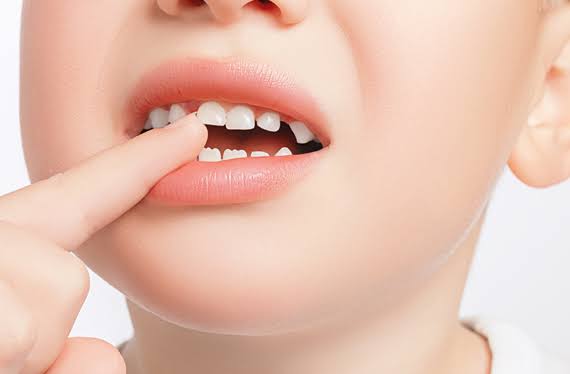
The eruption process of baby teeth generally begins around the sixth month of life with the appearance of the lower front incisors, and continues until all twenty teeth are in place by around two and a half to three years of age. This process is of great importance for the child to gain chewing function, lay the foundations of speech skills, and preserve the proper space in the jawbone for the permanent teeth that will come in later.
The teething period can sometimes be a challenging stage for babies. Itching in the gums, mild redness, increased saliva production, and changes in sleep patterns are among the conditions families commonly encounter. Using clean, cold teething rings and gently massaging the gums with a finger can create a soothing effect to help the child get through this process comfortably. Baby teeth should not be viewed merely as temporary tools. They play a key role in the child’s transition to solid foods and their ability to properly pronounce words and sounds. They also act as a kind of guide for the permanent teeth that will follow. For this reason, each baby tooth erupting properly and being protected from decay until the time it is meant to fall out are factors that support the child’s overall physical development.
| Type of Baby Tooth | Average Eruption Time | Average Shedding Time |
|---|---|---|
| Central Incisors | 6 – 12 Months | 6 – 7 Years |
| Lateral Incisors | 9 – 16 Months | 7 – 8 Years |
| Canines (Cuspids) | 16 – 23 Months | 9 – 12 Years |
| First Molars | 13 – 19 Months | 9 – 11 Years |
| Second Molars | 23 – 33 Months | 10 – 12 Years |
What Steps Does a Baby’s First Dental Examination Include?
A baby’s first dental examination generally involves examining the inside of the mouth using only a mirror and light, with the baby seated comfortably in a parent’s lap. During this session, without using any instruments, the condition of the gums, the position of the erupted teeth, and the risk of decay are evaluated, while the dentist provides the family with guidance on feeding and cleaning routines.
Everything is new for a baby stepping into a clinical environment. The sounds, lights, and smells spark curiosity in the baby. The dentist positions the baby using what is called the “knee-to-knee” position, with the baby’s head in the dentist’s lap and their body in the parent’s lap. This allows the baby to maintain eye contact with their mother or father while the dentist can comfortably see inside the mouth. The gum ridges are checked with a finger, and the anatomical condition of the lip and tongue ties (frenulum) is examined. Since a short tongue tie can make it difficult for a baby to breastfeed, early detection of such details improves the quality of feeding. After the examination, a comprehensive conversation is held with the family about tooth-friendly foods, brush selection, and the effects of nighttime feeding on the teeth.
How Do Early Dental Visits Affect Children’s Psychology?
Dental visits made at an early age, before any decay or discomfort exists in the mouth, allow children to perceive the clinical environment as more like a play area and to form a positive bond with the dentist. Children who become familiar with the dental chair without experiencing pain show a much more cooperative and calm approach to possible interventions later in life.
Dental fear (dental phobia) usually stems from a traumatic experience during childhood or from family members projecting their own fears onto the child. Children tend to copy the reactions of the adults around them. If a child is only brought to the dental clinic when their tooth hurts and in a stressful environment, an equation of “dentist equals pain” can form in their mind. During early introduction visits, on the other hand, the chair going up and down is likened to an elevator game, and air and water spray tools are introduced as fun materials (the “Tell-Show-Do” technique). Allowing the child to explore this process at their own pace builds a sense of trust. These early positive contacts play a significant role in raising children who value their own oral health and embrace brushing as a responsibility.
What Are the Causes of Baby Tooth Decay in Children?
Baby tooth decay in children arises from causes such as bottle-feeding throughout the night, frequent consumption of sugary liquids, and irregular brushing of erupted teeth. Because baby teeth structurally have a thinner enamel layer compared to permanent teeth, they react much more quickly in acidic environments, creating a base that is more prone to decay.
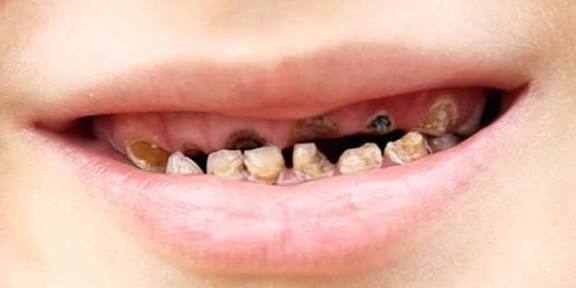
Early childhood caries (commonly known as “bottle rot” or “baby bottle tooth decay”) usually begins as brown spots on the upper front teeth and tends to spread across the entire surface of the tooth in a short time. Since saliva flow slows down during sleep, the sugar in milk or juice consumed before bedtime remains on the tooth surface for many hours. Bacteria in the mouth use this sugar to produce acid, weakening the enamel layer. In addition, sticky foods, biscuits, and chips that children consume as snacks fill the grooves on the chewing surfaces of the teeth, creating a structure that is difficult to clean. Rinsing the mouth with water or brushing after eating are basic steps that help reduce the damaging effects of these foods.
Tooth-Friendly and Tooth-Damaging Snacks
- Tooth-Friendly Options: Cheese, yogurt, milk, raw carrots, apples, walnuts, and almonds — foods that increase saliva production or mechanically help clean the tooth surface.
- Tooth-Damaging Options: Gummy candy, caramel, acidic drinks, ready-made fruit juices, packaged biscuits, and sweet pastries that stick between the teeth and produce acid for a long time.
How Should Oral and Dental Care Be Carried Out During Infancy?
Oral care during infancy should begin, before the first tooth erupts, by wiping the gums with a clean, damp piece of gauze after feeding. Once the first teeth erupt, one should move on to a routine of gently brushing in the morning and before bedtime using small, soft-bristled, age-appropriate toothbrushes, with the process carried out under family supervision.
Cleaning a baby’s gums helps reduce the risk of oral thrush or fungal infections developing in the mouth. Once the teeth begin to appear in the mouth, silicone finger brushes or first-year toothbrushes designed with a handle shape a baby can grip come into use. Since there is a risk that children under the age of three may swallow fluoride toothpaste, it is recommended to use only a “smear” or rice-grain-sized amount of toothpaste on the brush. Until children fully develop their motor skills (usually up to around age 7-8), the act of brushing teeth should be carried out with the active support of the parents. Even after the child is allowed to brush on their own, a parent giving a final touch-up to remove plaque remaining on the back teeth helps ensure hygiene is fully maintained.
How Does Pacifier and Bottle Use Affect Dental Development?
Prolonged pacifier and bottle use causes an opening (open bite) to form between the upper and lower teeth by applying continuous outward pressure on the child’s jawbones and erupting front teeth. If these habits continue past the age of two, they affect the swallowing reflex and the width of the palate, creating a foundation for functional bite discrepancies.
The sucking reflex is a natural comfort mechanism for babies and is considered normal in the first years of life. However, it is recommended that these habits be gradually discontinued between the ages of two and three, when the teeth are erupting and the jawbones are actively developing. The space the pacifier occupies in the mouth can cause the upper palate to narrow into a V shape and the lower jaw to become positioned further back. In cases where the front teeth cannot make contact with each other, problems such as lisping or mouth breathing may emerge in children. When breaking these habits, achieving a gradual transition through reward-based methods, without pressuring the child, tends to be psychologically more effective.
What Regional Approaches Does Opc Klinik Offer?
Opc Klinik designs child-focused, communication-based oral care processes tailored to the profile of families it serves, particularly those coming from Kozyatağı and the surrounding area. Care is taken to create an environment comfortable for both parents and children through transparent informational processes that make it easier for local families’ children to adapt to the clinical setting.
In the clinic’s approach, building a trusting bond with children before any procedures is prioritized. Communication techniques are determined according to the child’s age, cognitive level, and anxiety state. Reviewing the patient’s medical history is also an integral part of this process. Specialists holding a medical doctor title, such as Dr. Suada Gasimova, who conducts medical evaluations at Opc Klinik, examine the connections between children’s general health condition and their oral health with a holistic approach. The effects of a systemic condition, a vitamin deficiency, or an allergic reaction on dental development are evaluated within a medical framework, providing families with well-rounded guidance that supports not just brushing habits but overall health.
If Baby Teeth Are Going to Fall Out Anyway, Why Should They Be Treated?
Even though baby teeth are temporary, they should be treated to support the child’s healthy nutrition, correct pronunciation of words, and to preserve space for the permanent tooth that will come in beneath it. A baby tooth that decays and is lost early causes neighboring teeth to shift into that space, blocking the eruption path of the permanent tooth and leading to orthodontic problems later on.
The buds of the permanent teeth are located in the bone tissue beneath the baby teeth. When deep decay occurs in a baby tooth and progresses into inflammation reaching toward the root tip, it can structurally damage the permanent tooth bud right beneath it or cause discoloration in its enamel layer. A child who feels pain while chewing may avoid using that area, developing a habit of chewing only on one side. Chewing on only one side, in turn, can cause the facial muscles to work asymmetrically and lead to long-term imbalances in the jaw joint. Therefore, trying to keep baby teeth in the mouth through approaches such as fillings or root canal treatment is an investment that directly affects both the child’s present well-being and their future anatomical structure.
What Methods Help Children Develop a Tooth-Brushing Habit?
The habit of brushing teeth is instilled in children through methods such as parents acting as role models, turning the process into a game or a fun activity, and allowing the child to choose their own brush in a color they like. Creating brushing charts and applying this routine alongside fun two-minute songs helps increase the child’s internal motivation and reinforce the habit.
Young children prefer copying what they see rather than receiving instructions. Parents brushing their teeth together with the child in front of a mirror, and using gamification techniques such as “let’s chase away the germs on our teeth,” takes the process out of being a mandatory chore. Placing a small stool or mirror suited to the child’s height in the bathroom allows them to feel a sense of independence while caring for themselves. Creating brushing calendars and placing a sticker for each day the child brushes helps them set a visual goal. The important point is to patiently demonstrate the correct technique — gentle circular motions, without hurting the child or irritating the gums with hard bristles.
What Contribution Do Fluoride Applications Make to Children’s Dental Development?
Fluoride applications become incorporated into the structure of the tooth enamel, making the enamel more resistant to acid and bacteria, thereby helping to reduce the risk of decay. These minerals, applied superficially by dentists at intervals determined according to the child’s age and decay-risk profile, contribute to the repair (remineralization) of enamel surfaces that have begun to weaken.
Although there are various concerns among the public about fluoride applications, topical (surface-level) fluoride gels or varnishes applied under a dentist’s supervision in a clinical setting are planned to work at safe doses, affecting only the surface of the tooth. Since it is not systemically swallowed, it does not spread throughout the body. When a child’s susceptibility to decay is assessed and brushing alone is insufficient, fluoride strengthens the calcium structures in the enamel layer, forming a shield against acid attacks. This procedure is quite quick — it is applied to the teeth with a small brush, similar to applying a special varnish, and afterward the patient is asked to follow eating and drinking guidelines for the period specified by the dentist.
What Do Pediatric Dentistry (Pedodontics) Approaches Cover?
Pediatric dentistry approaches cover the monitoring of oral, dental, and jaw development from infancy through adolescence, preventive applications, and communication techniques suited to child psychology. Rather than focusing on treating decay, this field concentrates on preventive procedures aimed at ensuring decay never forms in the first place, and on behavior-guidance techniques that prevent dental phobia in children.
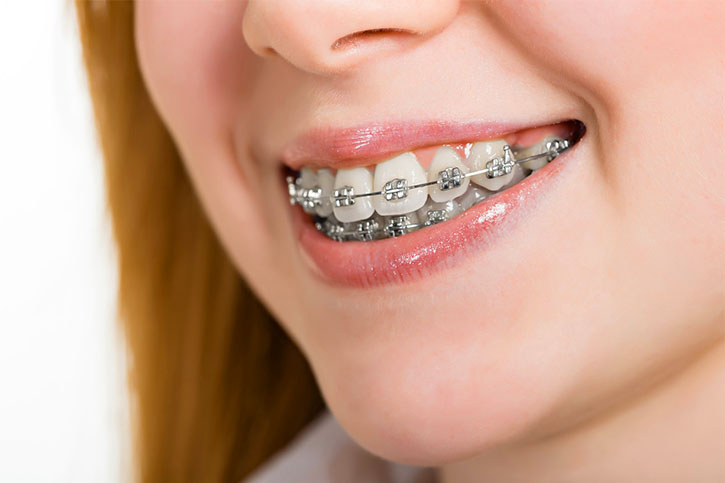
Pedodontists, or dentists who work specifically with children, receive training to manage the varying anxiety levels of children according to their age group. Since the anatomy of baby teeth differs from that of permanent teeth, the filling materials, root canal treatment methods, and dose-adjusted radiographic examinations used are chosen entirely to suit the child’s structure. Preventive orthodontic approaches are also part of this process. Preserving the space left by extracted baby teeth through space maintainers, or planning appliances to prevent habits such as thumb-sucking, are among the steps taken to reduce the likelihood of needing more complex jaw treatments later in life.
What Steps Should Families Follow in the Case of Dental Trauma?
In cases of dental trauma such as falls or impacts, families should first stay calm and control any bleeding by applying gentle pressure with a clean cloth, and seek dental care without delay. If a permanent tooth has been knocked out entirely, it should be held by the crown without touching the root, kept in milk or saliva, and brought to the clinic as quickly as possible.
Given children’s active nature, falling while playing at school or in the park is a common occurrence. Front teeth that have recently erupted are especially vulnerable to trauma. If a baby tooth is knocked completely out of its socket due to impact, it is generally not attempted to be reinserted, as this carries a risk of damaging the permanent tooth bud beneath it. However, if a tooth has broken and the broken piece can be found, it can be reattached to the tooth using special adhesives if brought to the dentist in a moist environment (in milk or water). If a tooth has been pushed into its socket or shifted position due to impact, the dentist will take an X-ray to check the condition of the root and set up a follow-up process. In cases of trauma, time is of the essence; the first hours after the incident occurs are of great value in terms of preserving the tissue.
In Which Direction Does Thumb-Sucking Affect Jaw Development?
Thumb-sucking creates a skeletal effect in which the upper jaw and front teeth are pushed forward, while the lower teeth become positioned further back. If this habit is not given up by around age four, the vacuum effect the finger creates on the palate leads to narrowing of the upper jaw arch and a V-shaped form.
The position of the tongue also changes while a child sucks their thumb. Normally, during swallowing, the tongue should touch the upper palate, but since the finger occupies that space, the tongue remains lower. This prevents the upper jaw from widening sideways and leads to dental asymmetries commonly known as crossbite. Families resorting to punishment methods to stop the habit often increase the child’s stress, which can lead to more thumb-sucking rather than less. Instead, redirecting the child’s attention to different activities, giving them a small toy to hold while falling asleep, and, when necessary, making use of special habit-breaking oral appliances prepared by the dentist allow the process to be managed in a healthy way.
In Which Situations Are Fissure Sealant (Protective Filling) Applications Planned?
Fissure sealant applications are planned in situations where the deep and narrow grooves (fissures) on the chewing surfaces of the back molars are prone to plaque accumulation and display a form susceptible to decay. These grooves are covered with a liquid-form flowable filling material, preventing food debris from sticking in that area and creating a flat surface that a toothbrush can clean more easily.
The first permanent molars, which erupt around age six, are the teeth that are the hardest for children to clean but are meant to last a lifetime. The fissures found at the tops of these teeth can sometimes be too narrow for toothbrush bristles to enter. When sugary and sticky foods settle into these grooves, decay formation can become inevitable. The fissure sealant procedure is an extremely comfortable process, applied without needing to numb the tooth and without removing any tissue from the tooth surface (no abrasion involved). The protective layer is poured onto the tooth and hardened with a special light. The integrity of these sealants is monitored through regular dental check-ups, and when necessary, they are renewed to largely prevent the formation of decay.
Frequently Asked Questions (Information for Families)
1. Should we go to the dentist even if my child’s tooth doesn’t hurt?
Yes, the main goal is to put preventive measures in place before pain develops. Early check-ups allow the detection of tiny, not-yet-visible beginnings of decay and help the child get used to the clinical environment without stress.
2. Is root canal treatment done on baby teeth?
In cases where decay has progressed to the nerve layer (pulp), a baby tooth root canal treatment (pulpotomy or full pulpectomy) is performed using special materials suited to the root structure of the baby tooth, in order to keep the tooth in the mouth and protect the permanent tooth bud beneath it.
3. Is fluoride application harmful?
Professional fluoride varnishes applied under a dentist’s supervision, at doses calculated according to the child’s age and weight, and applied only to the tooth surface, do not enter systemic circulation and are considered a safe, enamel-strengthening preventive method.
4. My child doesn’t want to brush their teeth, what should I do?
You can turn the process from an obligation into a game. Playing their favorite song, using colorful brushes, and brushing your own teeth alongside them as a role model will increase their cooperation.
5. Is teeth grinding (bruxism) normal in children?
Mild teeth grinding is common during the mixed dentition period (when baby teeth are falling out and new ones are coming in) and usually resolves on its own after a while. However, if severe wear is present, a dentist’s evaluation is needed.
6. Are gaps between baby teeth a problem?
No, on the contrary, having gaps (diastema) between baby teeth is a desired condition. These gaps indicate that the necessary space is being prepared in the jaw for the larger permanent teeth that will come in later.
7. Which toothpaste should I use?
Until your child develops the ability to spit (usually until around age 3), it is recommended to use a rice-grain-sized amount, and afterward a pea-sized amount, of age-appropriate fluoride toothpaste for children.
8. By what age should thumb-sucking be given up at the latest?
To avoid permanent skeletal changes, the goal should be to gradually stop thumb-sucking or pacifier use ideally around age 2-3, and at the latest by age 4.
9. When does a new tooth come in after a baby tooth falls out?
The eruption of the permanent tooth after a baby tooth falls out can vary from a few weeks to a few months. If a tooth was extracted much earlier than expected, the arrival of the tooth beneath it may take longer.
10. What is a space maintainer appliance, and what is it for?
When a baby tooth has to be extracted before its natural time, these are special appliances placed to prevent neighboring teeth from shifting into that space and to preserve the area where the permanent tooth will erupt.
11. How can bottle rot (baby bottle tooth decay) be recognized?
It usually begins as chalky white spots, especially where the upper front teeth meet the gums, and later progresses into yellow or brown pits that can reach a level severe enough to cause the tooth to break.
12. How long do fissure sealants last?
Since fissure sealants are exposed to the chewing forces of the tooth, they can wear down over time. Their condition is examined during annual regular check-ups, and worn areas can easily be renewed by the dentist where necessary.
13. Is X-ray imaging risky for children?
Digital radiography devices used today emit radiation at a very low level, close to the natural daily background radiation found in nature. Imaging is performed safely using protective lead aprons.
14. My child’s first tooth came in very late, is this a problem?
Due to genetic factors, the eruption time of teeth can be delayed until the 12th month or later in some babies. This is generally considered a normal physiological variation, but follow-up with a dentist is still necessary.
15. Why does gum bleeding occur in children?
Gum bleeding in children is most often caused by mild inflammation (gingivitis) resulting from bacterial plaque accumulating at the gum line due to insufficient or improper brushing. With regular and correct brushing, the tissues return to a healthy state.