Orthognathic Surgery: A Comprehensive and Permanent Solution to Jaw Structure Problems
Mismatches in your facial and jaw structure not only affect your aesthetics, but can also lead to serious and chronic problems with basic functions such as chewing, speaking, and breathing. Skeletal problems such as an improperly positioned upper or lower jaw, jaw asymmetry, or an open bite cannot be corrected with orthodontic treatment alone and require more comprehensive intervention. This is where orthognathic surgery, a combination of modern medicine and dentistry, comes into play. This advanced surgical procedure restores the jaw structure to its ideal position, providing permanent improvement in both function and aesthetics. At OPC Clinic, with our deep expertise and technological infrastructure in Kadıköy Orthognathic Surgery, we radically improve the quality of life of our patients, even in the most complex cases.
What is Orthognathic Surgery?
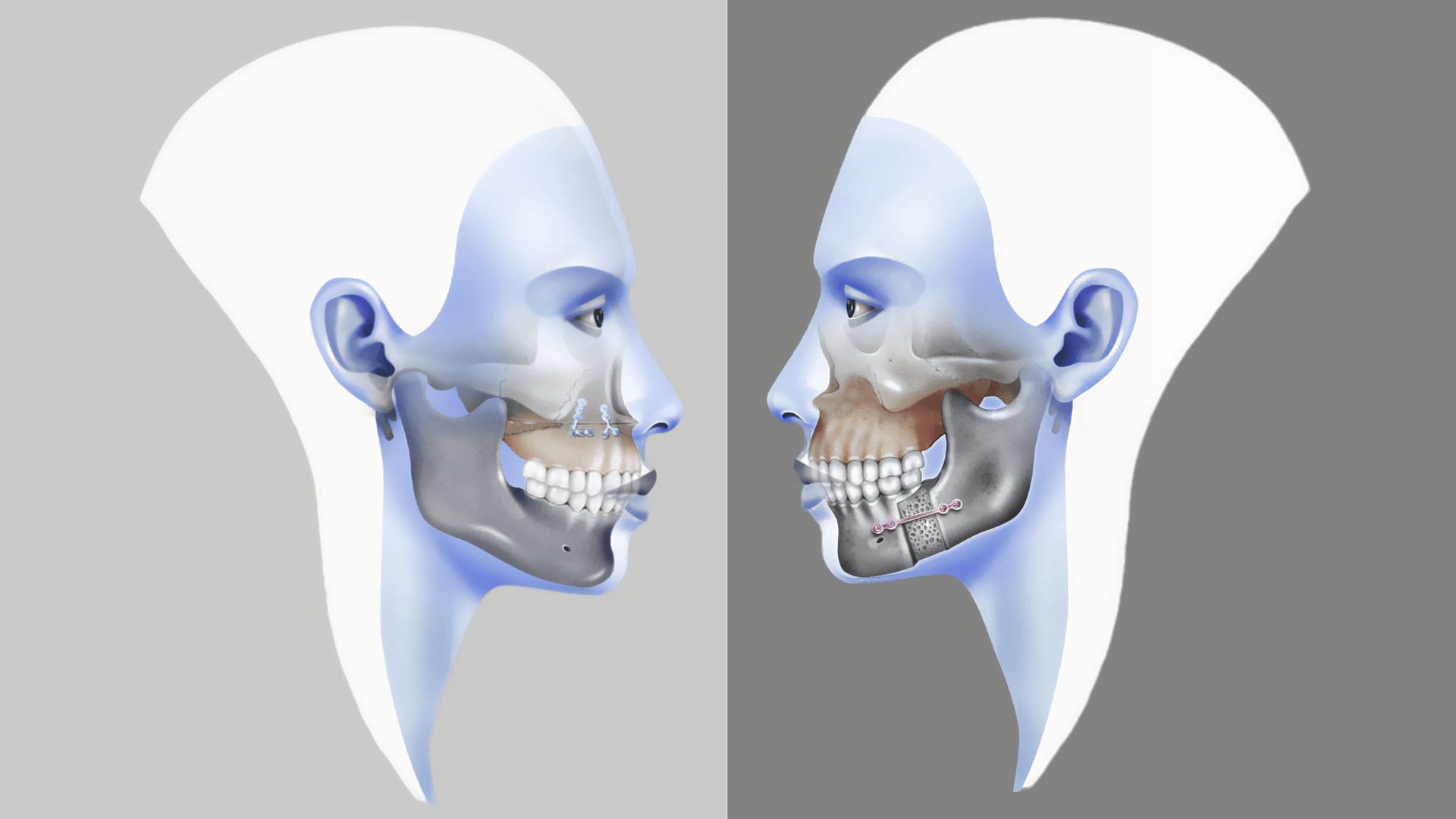
Orthognathic surgery, commonly known as jaw surgery, is a corrective procedure performed to bring the jawbones into their correct position. This surgery not only addresses aesthetic concerns but also improves basic functions such as chewing, swallowing, and speaking. While orthodontic treatments (braces or clear aligners) correct the placement of the teeth, orthognathic surgery repositions the jawbones themselves, achieving ideal balance in the skeletal structure of the face and jaw. These two disciplines, usually an orthodontist and an oral, maxillofacial surgeon, work together to achieve excellent and long-lasting results.
When is Orthognathic Surgery Used and In What Situations?
Orthognathic surgery is not a simple procedure; it is a complex treatment that requires a multidisciplinary approach and detailed planning. This advanced surgery is specifically used for the following conditions:
- Jaw Growth Imbalances: Skeletal Class II or III malocclusions, such as the lower or upper jaw being more prominent (prognathia) or recessed (retrognathia).
- Facial Asymmetries: Significant aesthetic and functional asymmetries between the right and left halves of the face.
- Open Bite: The front or back teeth do not meet, making it impossible to bite or cut food.
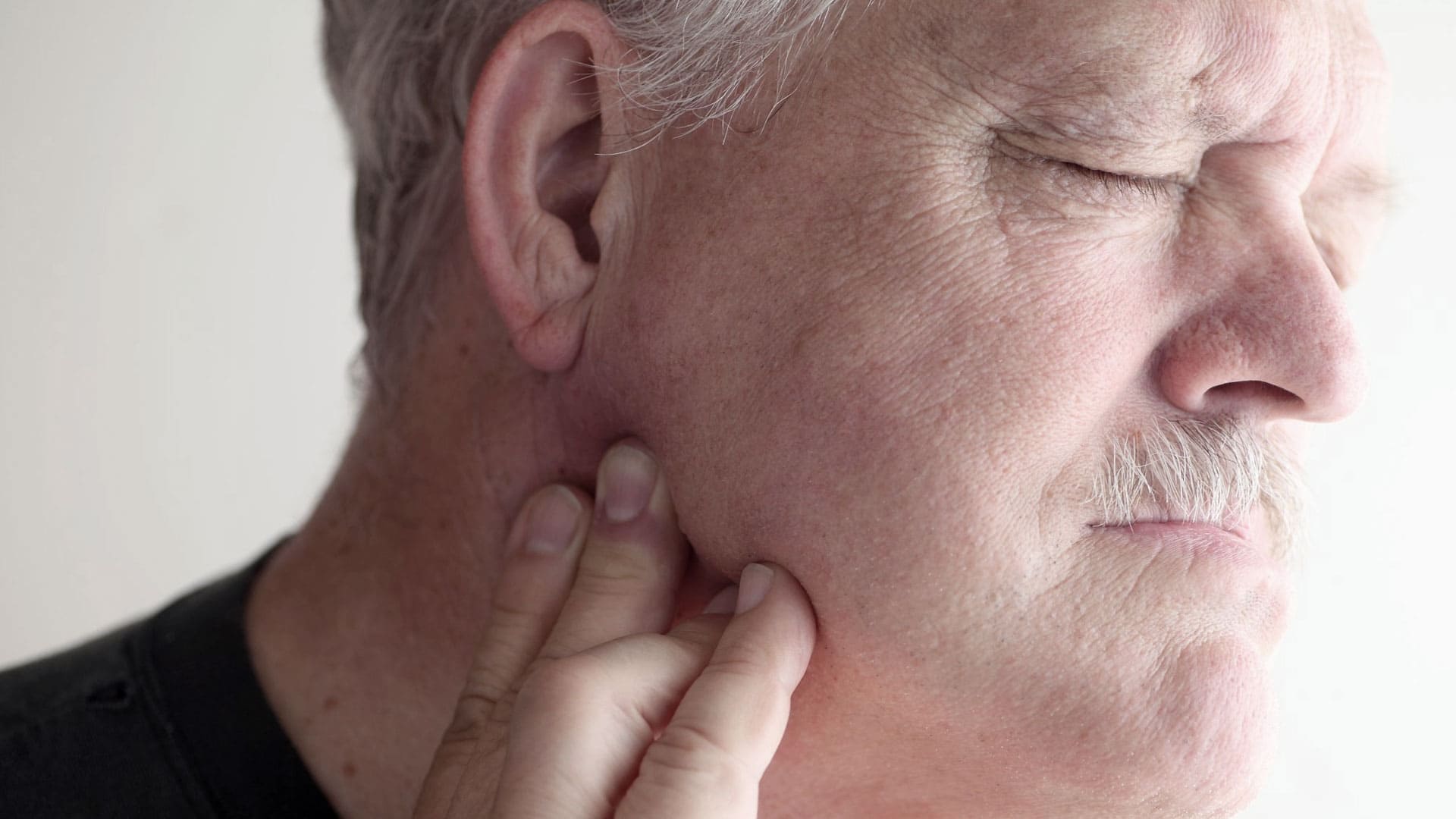
- Chronic Temporomandibular Joint Pain: Temporomandibular joint (TMJ) problems caused by misalignment of the jaws that do not improve with other treatments.
- Sleep Apnea: Sleep apnea syndrome, which develops due to upper airway obstruction, occurs due to a receding jaw or a narrow jaw structure.
Who is Suitable for and Who Is Not?
Because orthognathic surgery is a major operation, the patient’s general health and physical fitness are very important. Before starting treatment, the patient’s entire health history is thoroughly evaluated. This surgery is generally not suitable for the following situations:
- Individuals Who Have Not Completed Their Growth Period: Surgery is not performed on individuals whose jawbones have not completed their development, and are generally under the age of 18. The best time for surgery is when skeletal growth has stopped.
- Uncontrolled Systemic Diseases: The risks of surgery increase in individuals with uncontrolled diabetes, serious heart disease, blood clotting disorders, or immune system problems.
- Excessive Smoking and Alcohol Consumption: These habits can seriously impair postoperative wound healing.
How Is Orthognathic Surgery Performed? and Process
The answer to the question “How is orthognathic surgery performed?” involves digital planning and meticulous preparation. The treatment process at our clinic consists of several stages and typically lasts 1-2 years.
- Detailed Diagnosis and Digital Planning: This process is carried out jointly by the orthodontist and oral surgeon. Using advanced 3D tomography and digital imaging systems, the jaw structure is analyzed, and nerve and vascular pathways are mapped. Virtual surgery programs simulate all steps of the surgery in a digital environment, and the ideal jaw position is determined. This planning maximizes surgical success and allows the patient to visualize their postoperative appearance.
- Orthodontic Preparation: Before surgery, the orthodontist properly aligns the teeth to accommodate the new jaw position after surgery. This process typically takes 9-18 months.
- Surgical Intervention: The surgery is performed by an oral and maxillofacial surgeon in a hospital setting under general anesthesia. The surgeon cuts the jawbones according to a precise digital plan, repositions them, and secures them with titanium plates and screws.
- Post-Operative Orthodontic Treatment: Immediately following surgery, the orthodontist will adjust the teeth to their new jaw positions.The treatment continues to adapt to the patient’s condition. This final phase usually lasts 6-12 months.
Advantages and Side Effects of Orthognathic Surgery
The advantages of orthognathic surgery are that it offers permanent and life-changing results, both aesthetically and functionally.
- Permanent Aesthetic Improvement: Permanent harmony and symmetry are achieved in the facial and jaw structure.
- Functional Improvement: Basic functions such as chewing, speaking, and swallowing are significantly improved.
- Sleep Quality: Ideal jaw position can widen the airway and resolve respiratory problems such as sleep apnea.
- Temporomandibular Joint Health: Temporomandibular joint pain and dysfunction caused by malocclusion are relieved.
As with any major surgical procedure, orthognathic surgery can have some potential side effects. These are usually temporary. These side effects include significant post-operative facial swelling and bruising, temporary numbness in the lips or tongue, pain, and the need to eat pureed foods for the first weeks. These can be easily managed with medications and instructions given under the supervision of a physician.
Comparative Analysis of Orthognathic Surgery and Alternative Treatments
Post-Orthognathic Surgery Care and Follow-Up
Post-operative care is vital to the success of the treatment.
- Diet: For the first 1-2 weeks, only liquids and pureed foods should be consumed, then, with your physician’s approval, soft foods should be introduced.
- Medication: Painkillers and antibiotics recommended by your physician should be used regularly.
- Oral Hygiene: Cleanse the mouth without straining the surgical area, and use recommended mouthwashes.
- Regular Checkups: Regular checkups should be attended at the intervals determined by your physician.
A Change That Improves Your Quality of Life
At OPC Clinic in Kadıköy, we understand that orthognathic surgery is not just a surgery; it is a process that creates a radical change in your life. With our high success rates, advanced digital planning technology, and our commitment to patient comfort, we are the address you can trust in this field. Contact our expert team to take a step towards a better life, both aesthetically and functionally.