Braces: The Safest Way to Achieve a Straight Smile
Revealing your most aesthetically pleasing smile is a process that directly impacts not only your appearance but also your self-confidence, social interactions, and oral health. Crooked, irregular, or spaced teeth not only create aesthetic concerns but can also make basic functions like chewing, speaking, and maintaining proper oral hygiene more difficult. These problems can lead to gum disease and jaw joint problems in the long term. Fortunately, modern orthodontics offers an effective and permanent solution to these problems with braces. At OPC Clinic, we utilize the latest orthodontic technologies and our expert knowledge to design a straight, healthy smile specifically for you.
What is Braces?
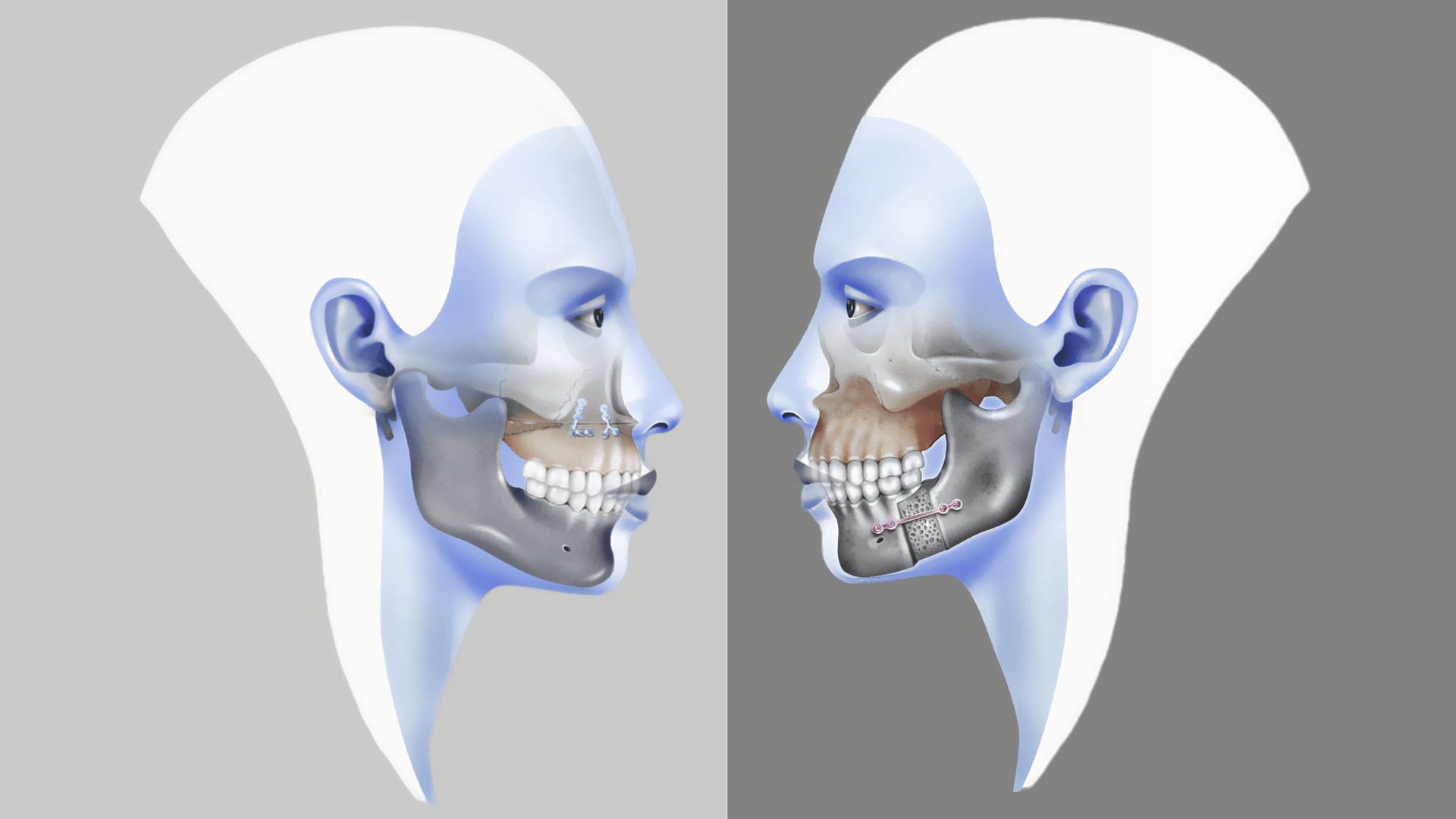
Orthodontic treatment, commonly known as braces, is a branch of dentistry that corrects irregularities in the position of teeth and jaws. This treatment aims to gently move teeth into their ideal positions through controlled and continuous forces applied to the teeth and jaws. Braces are not just an aesthetic concern; they also improve chewing function by ensuring proper occlusion of the teeth and jaw, prevent temporomandibular joint (TMJ) problems, and allow for easier cleaning, reducing the risk of cavities and gum disease. This treatment is based on the principle of remodeling the bone structure around the teeth, and this process requires meticulous planning and patient compliance.
How is Braces Performed and When Are They Used?
Orthodontic treatment is a gradual and long-term process that varies depending on the patient’s age and the severity of the problem. Before starting treatment, the orthodontist conducts a detailed examination and analysis. This examination includes advanced imaging techniques such as intraoral photographs, panoramic X-rays, and cephalometric X-rays. This comprehensive analysis of critical information, including tooth and jaw structure, growth potential, and nerve pathways, is then used to create a digital treatment plan. Braces are generally used in the following situations:
- Crowding: Overlapping or irregular alignment of teeth.
- Diastema: The presence of wide spaces between teeth.
- Malocclusion: The upper jaw overlapping the lower jaw too much (deep bite) or vice versa (overbite).
- Open Bite: The front or back teeth not touching each other.
- Functional Disorders: Difficulty chewing or speaking.
Who is Suitable for Braces and Who Is Not Suitable for Braces?
Braces are suitable for individuals of all ages. While the ideal age for orthodontic treatment is considered to be childhood and adolescence, when the jawbones are still developing (usually between the ages of 10 and 14), thanks to today’s advancements in technology, adults can also achieve successful and aesthetic results. While the treatment process may be longer for adults, less noticeable options like clear aligners allow them to receive treatment without compromising their social lives.
However, while a common treatment, braces may not be suitable in some cases. Patients with advanced gum disease (periodontitis) or active cavities should have these issues addressed first. For individuals with inadequate oral hygiene habits, braces and brackets can cause plaque accumulation during treatment, increasing the risk of cavities and gum problems. Therefore, it is essential that the patient receive oral hygiene education before starting treatment. Furthermore, the treatment plan for individuals with chronic conditions such as uncontrolled diabetes should be specifically evaluated.
The Braces Treatment Process
Orthodontic treatment is a multi-stage process based on patient-doctor collaboration.
- Stage: Diagnosis and Planning: This stage is the foundation of treatment. The orthodontist conducts a detailed analysis using intra- and extra-oral photographs, X-rays, and jaw models. In modern orthodontics, digital scanning and 3D simulation programs are used to show the patient how the teeth will appear at the end of treatment. This process enables the creation of a personalized treatment plan.
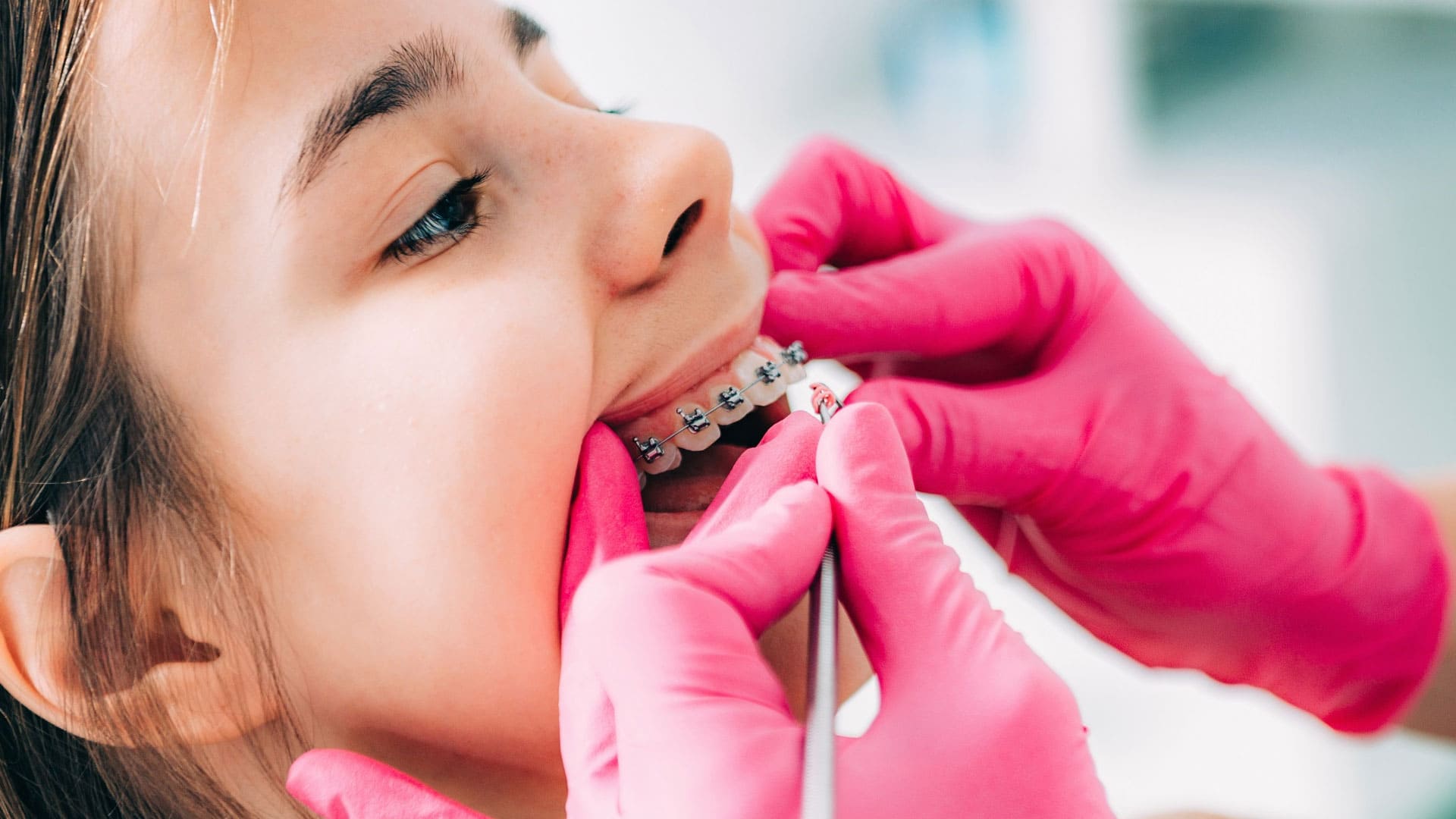
- Stage: Application: In this stage, a device such as metal, ceramic, or clear aligners is attached to the teeth or delivered to the patient, depending on the patient’s preference and treatment plan. The application process is painless and comfortable.
- Stage: Monthly Checkups: This is the most critical stage of treatment. Your dentist will perform regular monthly checkups to adjust the force applied to your teeth, tighten your braces, or change your clear aligners. These checkups are crucial for ensuring the treatment plan progresses smoothly and your desired results are achieved.It is vital for the teeth to move forward.
- Stage: Retention: After the braces are removed and the teeth reach the desired position, retainers are used to prevent them from returning to their original position. This stage ensures the success and longevity of the treatment.
Side Effects and Success Rate of Braces Treatment
Some side effects may occur during braces treatment, but these are usually temporary and easily managed. Mild pain and tenderness may occur in the teeth and jaw during the first few days of wearing braces or after the braces are tightened. This can be easily controlled with painkillers. Small sores may occur as a result of the wires or brackets rubbing against the inner surfaces of the cheeks, lips, and tongue; special orthodontic waxes help prevent this.
The success rate of braces treatment is over 95%, depending on accurate diagnosis, patient compliance, and the dentist’s experience. Regular checkups and meticulous adherence to the post-treatment reinforcement phase are crucial for lasting success.
Post-Braces Care and Hygiene
The success of treatment and maintaining dental health depend on good oral hygiene and regular care.
- Regular Brushing: Teeth and braces should be thoroughly cleaned after each meal with a toothbrush and special orthodontic brushes.
- Dental Flossing: Special orthodontic dental floss or an oral irrigator should be used to clean between braces.
- Food Choice: Hard, sticky foods, or foods that can damage braces (caramel, gum, nuts, etc.) should be avoided.
Brace Types and Comparative Analysis
The Right Address for Your Dream Smile
Braces not only straighten your teeth, but also give you a healthy, functional, and aesthetically pleasing smile. With our expertise in Kadıköy Braces, our modern technology, and our commitment to patient comfort, OPC Clinic is the perfect address to help you achieve your dream smile. Contact us to boost your self-confidence and achieve a healthy smile.