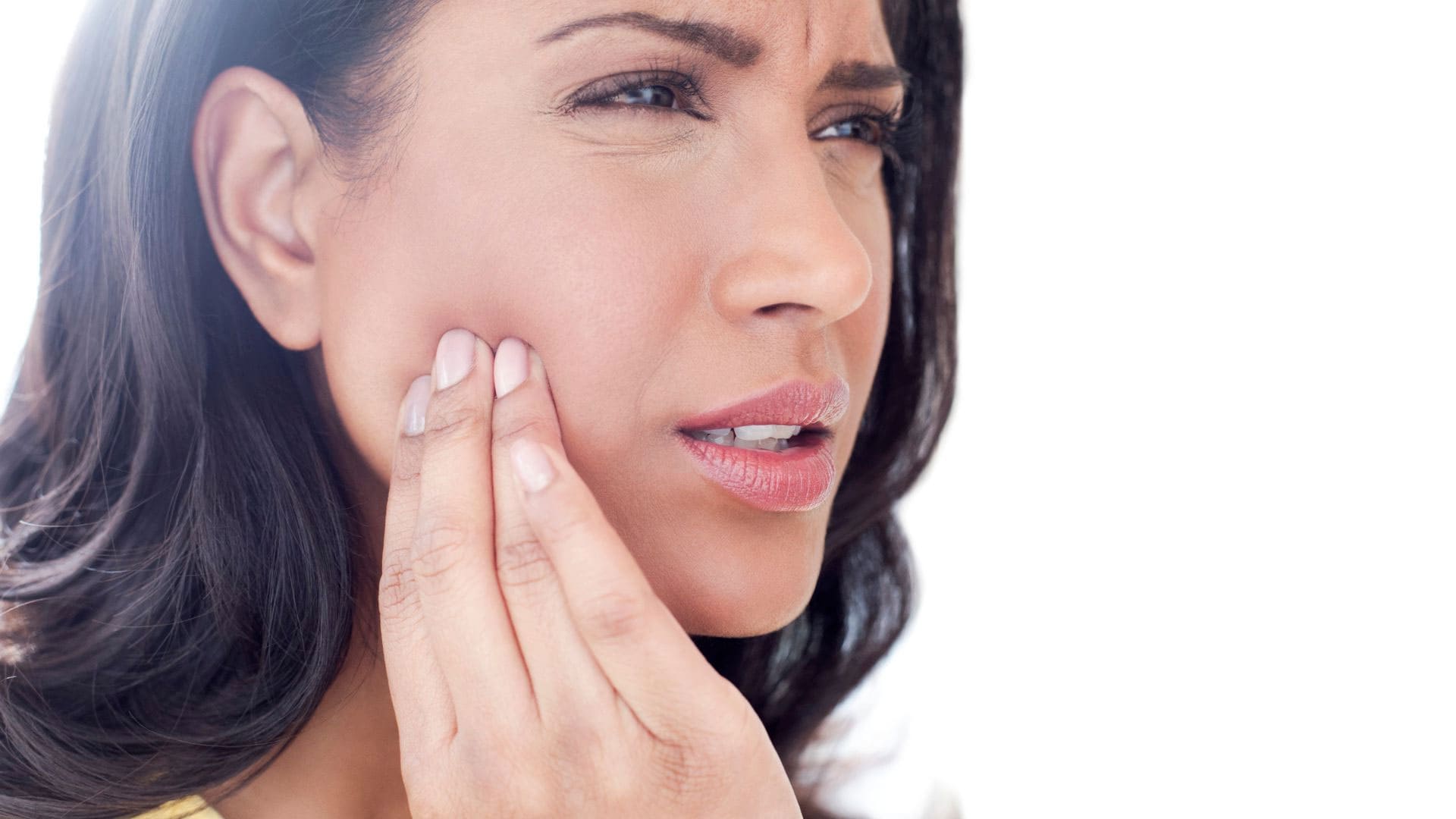
The symptoms of a dislocated jaw are a mouth that will not close, the jaw sliding forward or to the side, a hollow in front of the ear, difficulty speaking and swallowing, and sudden pain. What people commonly call a “dropped jaw” is, medically, a jaw dislocation: the head of the jaw joint comes out of its socket and does not slip back in. When the jaw dislocates, the first step is to stay calm, not to force the mouth, and to go to a doctor or the emergency room without losing time; trying to put it back in place yourself is risky.
What is a jaw dislocation?
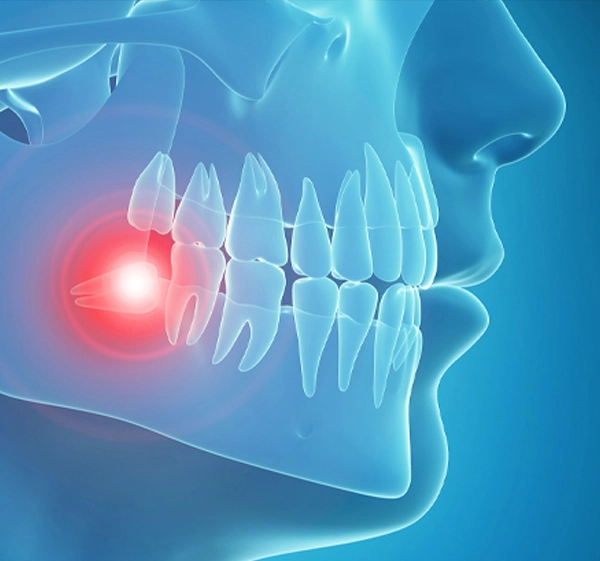
A jaw dislocation is when the joint head of the lower jaw slips out of its socket in front of the ear and gets stuck forward. A very wide yawn, laughter, a long dental treatment, a blow or opening the mouth too wide can lead to this. Dislocation is more common in people with loose joint ligaments. It may be on one side or on both sides. The risk of dislocation is also higher in people who have previously had a jaw joint problem, teeth clenching or noises from the jaw; so it is useful not to take these complaints lightly and to go for an examination.
Symptoms noticed immediately
When the jaw dislocates, the symptoms usually appear within a few seconds and are obvious:
- The mouth stays open and cannot be closed
- The jaw looks pushed forward; if it is on one side, it shifts to that side
- A hollow or a bulge is felt in front of the ear or over the cheek
- Speech is impaired, saliva may drool and swallowing becomes difficult
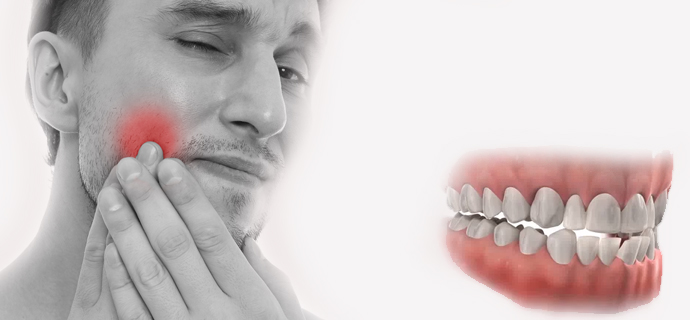
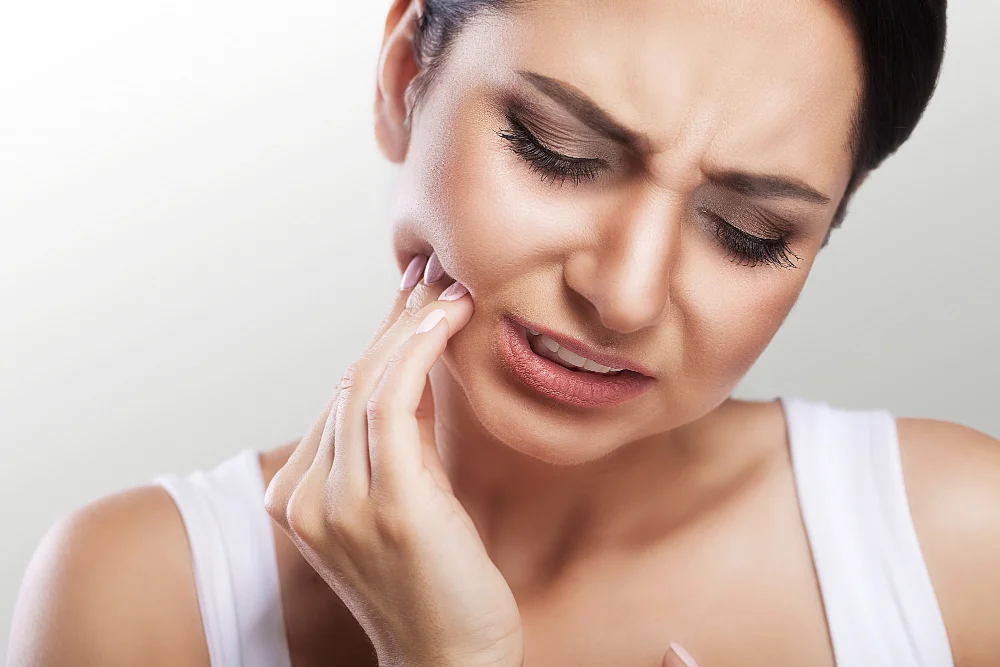
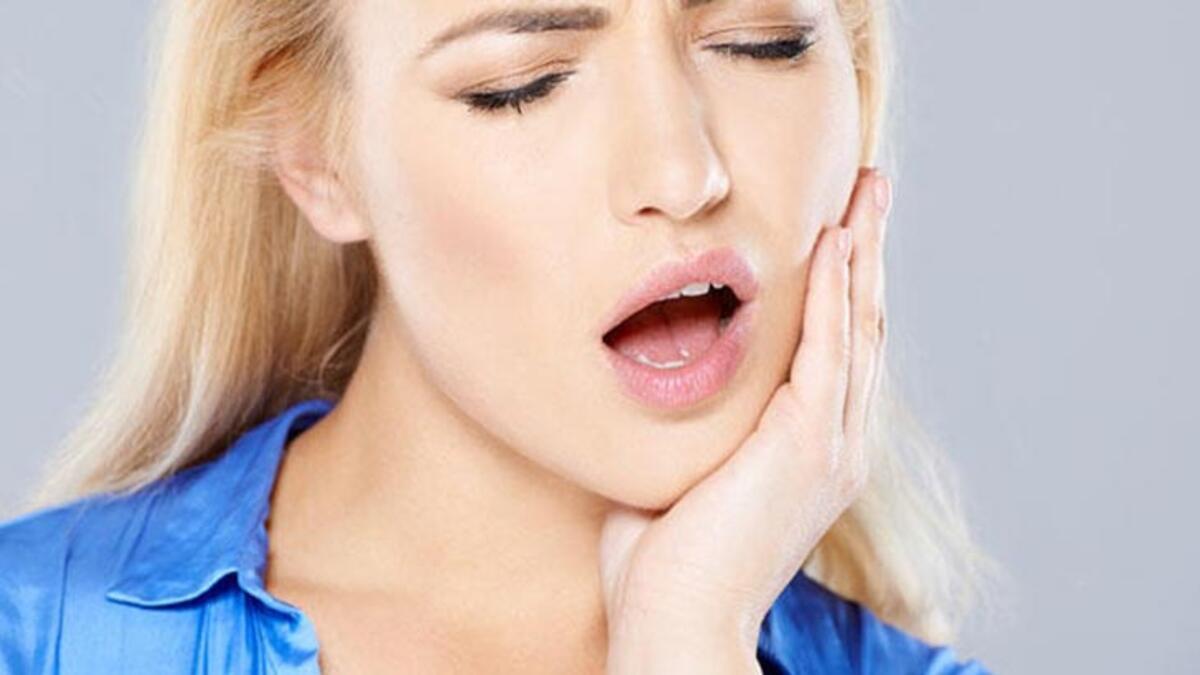
- There is sudden pain around the jaw and ear
- The lower and upper teeth do not touch each other
How is it different from a locked jaw?
In a jaw dislocation the mouth stays open and cannot close; in a locked jaw, the mouth stays closed and cannot open. Locking is mostly related to a displaced disc in the jaw joint or a muscle spasm. If your jaw makes noises or you have difficulty opening and closing it, the article on symptoms of jaw joint problems can guide you; a dislocation, however, is a different and urgent situation.
First steps when the jaw dislocates
When the jaw dislocates, do the following in order:
- Stay calm and do not force the mouth. Trying to close it increases pain and muscle spasm.
- Support the jaw. Put one hand under your chin and hold it gently, or support the jaw with a clean cloth; do not speak, eat or drink.
- Apply cold. Holding an ice pack wrapped in a cloth around the ear reduces swelling and pain.
- Have someone with you. Do not drive yourself; if possible, go to the doctor or the emergency room with someone.
- Let the doctor put the jaw back. The procedure is done in a suitable position and, if needed, with a relaxing measure; it often takes a few minutes.
The risk of trying to put it back yourself at home
If the jaw is put back without knowing how, the jaw joint, ligaments, teeth and fingers can be harmed. Because the muscles are contracted, pushing in the wrong direction can make the dislocation permanent. For this reason, even if you have had a dislocation before, it is more sensible to wait for suitable intervention by a doctor in the first moments.
Can the jaw dislocate during sleep?
The jaw can dislocate during sleep, but this is seen less often. Teeth clenching at night, opening the mouth too far or a long yawn that opens the mouth too wide can lead to this. If in the morning your mouth will not close, or you wake up with the jaw painful and shifted to one side, the same first aid steps apply. If you have a habit of clenching at night, the article on the role of the night guard may be useful.
When do you go to the emergency room or the doctor?
When the jaw dislocates, go to the doctor without losing time. In the following cases, going to the emergency room should not be delayed:
- If the mouth does not close completely and the pain does not go away
- If the jaw dislocated after a blow or a fall (there may also be a fracture)
- If breathing, swallowing or speaking has become seriously difficult
- If pain, numbness or a bite problem continues even after the jaw is back in place
A jaw dislocation can slip back by itself, but if pain and restriction do not go away, an examination is still needed.
What not to do when the jaw dislocates
Some movements made in a moment of panic can make the situation worse. Do not try to close the jaw by force, do not ask someone else to press on your jaw, do not try to eat or drink, and do not cover up the problem with a painkiller and wait. The earlier a dislocation is corrected, the less the muscles are strained and the easier the procedure is; so waiting often makes things harder.
The first days after the dislocation is corrected
After the jaw is back in place there may be tenderness and mild pain for a few days. During this period prefer soft foods, avoid opening the mouth too wide and avoid hard or sticky foods, and support the jaw with your hand when yawning. Your dentist may give a short-term check-up or recommendations aimed at resting the jaw. If the pain lasts longer than a few days, if the jaw slips again or if mouth opening remains limited, go for a check-up.
What does the dentist look at during the examination?
After the jaw is back in place, the dentist checks the movement of the jaw, the bite pattern and the muscles around the joint. If the dislocation was caused by a blow, imaging may be requested for the possibility of a fracture. You are asked questions about whether you have had a dislocation before, your sleep pattern and your teeth-clenching habit; this information determines the risk of recurrence and the treatment plan. Briefly noting down and bringing the symptoms you had, how the dislocation started and how long it has been going on makes the assessment easier.
Treatment and exercises for a recurrent dislocation
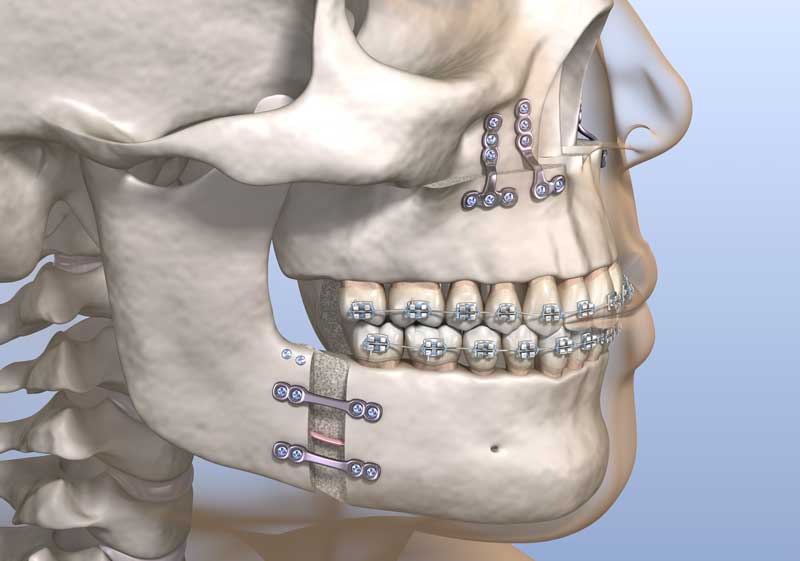
If the jaw dislocates more than once, the cause needs to be investigated instead of short-term management. The dentist looks at the structure of the jaw joint, the looseness of the ligaments and the muscle balance, and requests imaging if necessary. Treatment may consist of exercises that regulate muscle balance and joint movement, a night guard and changes in habits. There are also options for the few cases that require oral and jaw surgery. You can read about the role of exercises in the article the effect of jaw joint exercises. For information on jaw joint treatment, you can look at the Kadıköy jaw joint treatment page.
Daily precautions to prevent a dislocation
After a dislocation, a few habits make a difference in protecting the jaw joint:
- Support your jaw with your hand when yawning and do not open the mouth all the way
- Cut foods that need a big bite (a large sandwich, an apple) into small pieces
- Give up chewing gum and biting nails or pens
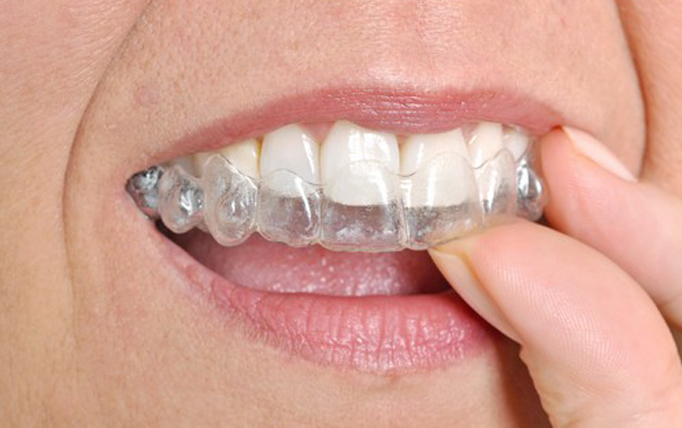
- If you clench your teeth, ask your dentist about a night guard
- In the days after a dislocation, prefer soft foods and do not open the mouth too wide
If you have had a dislocation, you can request an appointment for an examination through the contact page.
Frequently asked questions
What are the symptoms of a dislocated jaw?
The mouth not closing, the jaw sliding forward or to the side, a hollow in front of the ear and sudden pain.
What is the first aid when the jaw dislocates?
Support the jaw without forcing the mouth, apply cold and go to the doctor or the emergency room without delay.
Does a jaw dislocation go back by itself?
Sometimes it does, but if pain or restriction continues, a doctor’s examination is needed.
What should be done so the jaw does not dislocate again?
Avoid opening the mouth too wide, manage teeth clenching and, in a recurrent dislocation, get an exercise and treatment plan from the dentist.