Why Do Age and Jaw Development Matter in Orthognathic Surgery?
In surgical procedures applied to correct skeletal incompatibilities in the mouth and jaw area, an individual’s biological age and stage of bone development are among the most critical medical parameters. Whether the jawbones have completed their growth potential directly affects the timing of the intervention and the permanence of the functional gains that will be achieved. In medical processes carried out in the Istanbul region, Opc Klinik — serving in particular the Kadıköy and Suadiye locations — carefully monitors individuals’ developmental stages to create personalized plans. This comprehensive content provides detailed information on why age is a decisive factor in orthognathic surgery processes, how bone development is medically analyzed, and the diagnostic steps that should be applied within the framework of 2026 health regulations.
Why Is Age the Most Critical Criterion in Planning Orthognathic Surgery (Jaw Surgery)?
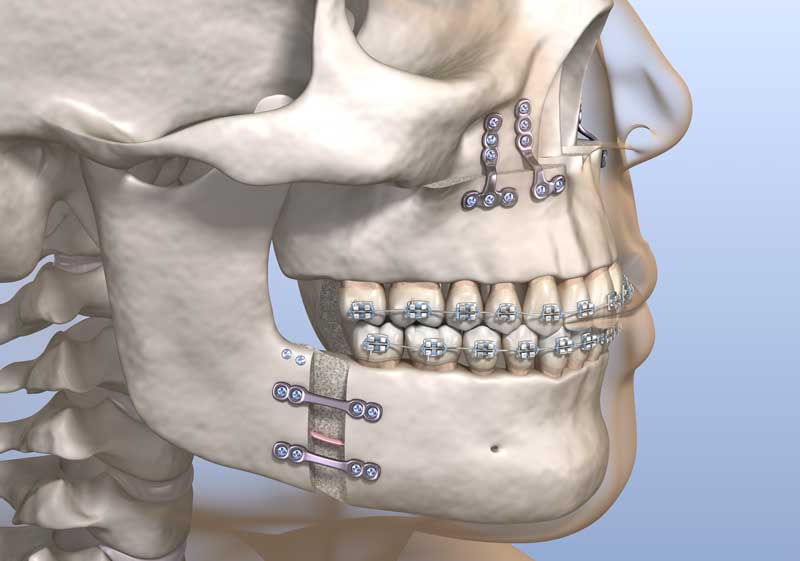
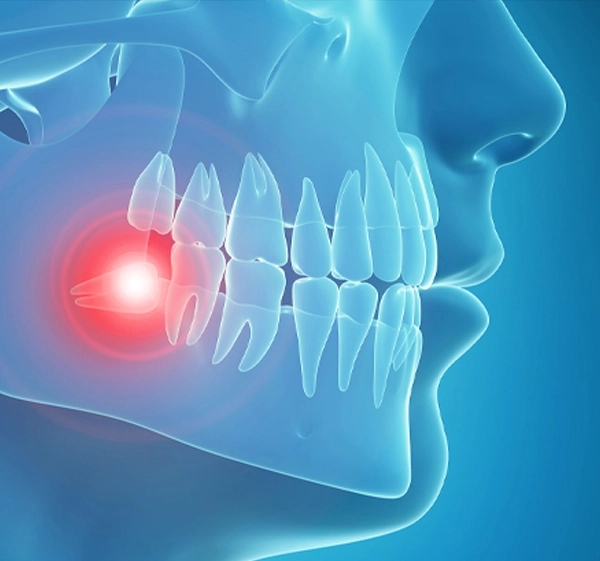
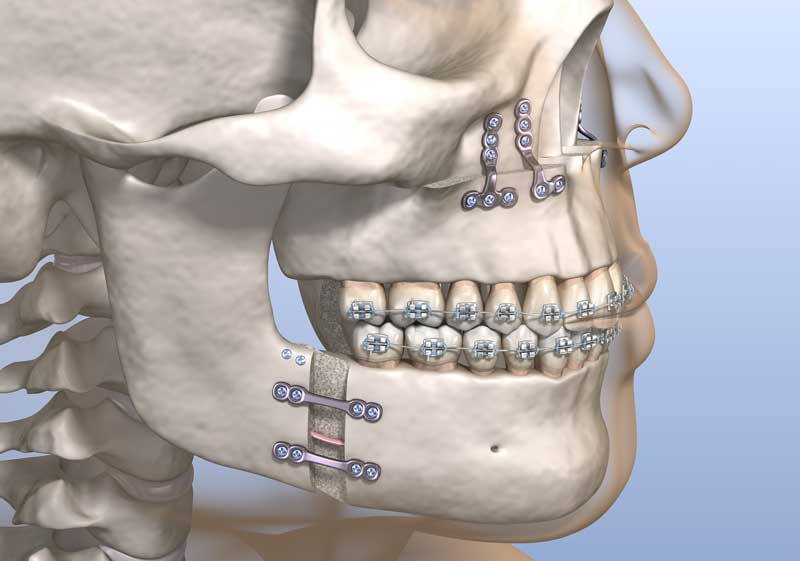
In the human body, the lower and upper jawbones, just like the arm and leg bones, tend to elongate and expand in volume up to a certain age. Orthognathic surgery is a procedure that surgically cuts the existing bone (osteotomy) and moves it to a new, ideal position. If this anatomical repositioning is carried out before the bones’ growth spurt has ended, the body’s physiological growth dynamics will disrupt the balance achieved through treatment. For this reason, healthcare institutions in Istanbul focus, before the surgical operation, not just on the patient’s calendar age but on their skeletal bone age.
Within What Age Ranges Does Skeletal Jaw Development Get Completed?
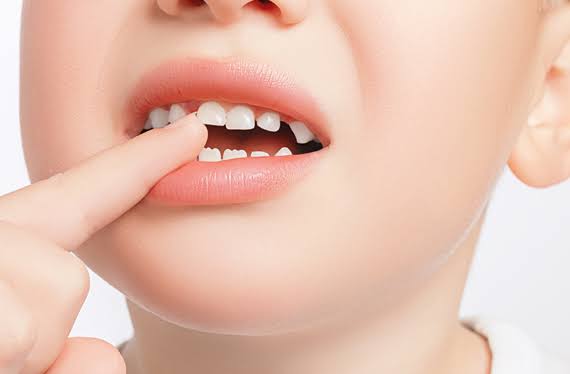
Growth curves vary in each individual according to genetic factors, eating habits, and hormonal balance. Since the pubertal growth spurt begins at an earlier age in girls, skeletal maturation is completed earlier compared to boys. The generally accepted anatomical development stages when planning jaw surgery are as follows:
| Developmental Stage | Average Age in Women | Average Age in Men | Medical Status for Orthognathic Surgery |
|---|---|---|---|
| Active Growth (Puberty) | Ages 11 – 14 | Ages 13 – 16 | The operation is definitely postponed. Only guidance-based orthodontic treatments are applied during this period. |
| Slowing of Growth | Ages 15 – 17 | Ages 17 – 19 | Bone maturation is monitored; growth is expected to stop, confirmed through hand-wrist X-rays and radiological measurements. |
| Skeletal Maturity (Growth Stopped) | Age 18 and Above | Ages 20-21 and Above | Jaw development has stopped. Surgical planning can be done following medical assessment. |
What Are the Medical Drawbacks of Performing Jaw Surgery While Growth Is Still Ongoing?
Surgical interventions performed at an early age can leave the individual facing the need for a second operation in later years. For example, in a young patient with a lower jaw that is growing more than normal (prognathism), if the lower jaw is brought back before growth has stopped, it will project forward again with the pubertal growth spurt. This is not only an aesthetic or structural loss but also a medical complication that can lead to irreversible damage to the jaw joint (temporomandibular joint). Avoiding such risks forms the basis of international surgical principles.
How Is Developmental-Stage Monitoring Carried Out at Istanbul Opc Klinik?
Deciding that growth has stopped is not a process determined solely by looking at the patient’s date of birth. Within the interdisciplinary approach at the Suadiye and Kadıköy branches, orthodontics specialists and jaw surgeons analyze clinical data together. Lateral cephalometric X-rays taken are overlaid with the previous year’s X-rays using special medical software. If any elongation, even at the millimeter level, is observed at the chin tip or upper jaw points, it is understood that growth is continuing, and the surgical process is put on hold. At the same time, the cessation of height growth also provides physicians with secondary clinical evidence that bone development has concluded.
How Do Differences Between Skeletal Age and Biological Age Affect Orthognathic Surgery?
One of the aspects physicians pay the most attention to in medical diagnostic processes is precisely these developmental differences. Hormonal makeup, illnesses experienced in childhood, or genetic predispositions can slow down or speed up bone development. For this reason, reaching legal age (turning 18) alone is not considered a sufficient criterion for orthognathic surgery. One of the most valid methods used in determining bone age is examining the fusion rates (calcification stages) of the small bones in the hand and wrist relative to each other.
Can Jaw Growth Be Guided with Orthodontic Treatment During the Developmental Period?
Although orthognathic surgery is a definitive solution for bone incompatibilities, correct orthodontic interventions applied at an early age can spare some patients from needing surgery. In this treatment approach, called growth modification, an attempt is made to achieve skeletal balance while the bones are still soft and can be guided. However, once the growth spurt has ended (once the bones have hardened), the ability of functional appliances to change bone size disappears. From this stage onward, the only medical solution for detected skeletal incompatibilities is orthognathic surgery (jaw surgery) procedures.
Can Jaw Surgery (Orthognathic Surgery) Be Planned for Older Individuals?
The main motivation of patients who have jaw surgery in adulthood or middle age is to resolve the functional problems (jaw joint pain, tooth wear, breathing problems) that have accumulated over the years due to an incorrect bite. In older age, the rate of bone renewal (metabolism) may proceed more slowly compared to younger individuals, so post-operative tissue healing and the full fusion of the bones is planned to take a few weeks longer. Before the operation, under Opc Klinik’s procedures, the patient’s chronic conditions (hypertension, diabetes, etc.) are examined in detail and a consultation with the anesthesiologist is carried out.
How Does Jawbone Quality (Osteoporosis Status) in Adults Change the Surgical Process?
Decreases in bone mass do not mean surgery cannot be performed; however, they do change the osteotomy (bone-cutting) method and the fixation protocol the surgeon will use. If the cortical (outer) layer of the jawbone is not sufficiently firm, in order not to risk the fusion of the bones during the healing period, the patient’s teeth may be kept bound together with special elastics for a longer period after the operation, or the liquid-diet period may be extended. Such detailed planning is optimized according to the individual’s anatomical reality in Istanbul-based clinical processes.
Which Radiological Tests Are Requested Before Jaw Surgery (Orthognathic Surgery)?
With the advancement of medical technology, orthognathic surgery preparations have evolved from two-dimensional planning to three-dimensional digital simulations. The table below details the functions of the requested tests in operation planning:
| Radiological Test Requested | Clinical Function and Importance | Role in Surgery |
|---|---|---|
| 3D Tomography (CBCT) | Analyzes the height, thickness, airway (respiratory) volume, and nerve pathways of the jawbones in three dimensions. | Allows the amount the bones will be moved to be determined on the computer through virtual surgical planning (VSP). |
| Lateral Cephalometric X-ray | Measures the facial profile and the angular relationships of the upper and lower jaw to the base of the skull. | Finalizes the diagnosis of which jaw the skeletal disorder (Class 2 or Class 3) stems from. |
| Temporomandibular Joint (TMJ) Imaging | Examines the disc position and bone surface of the joint connecting the lower jaw to the skull. | Used to anticipate potential adaptation problems that could arise in the joint after surgery. |
Why Is a Multidisciplinary Approach Mandatory at Opc Klinik’s Kadıköy Branches?
This requirement stems from the fact that the treatment rests on two main pillars. The orthodontist (braces specialist) prepares the jaws for surgery an average of 1-1.5 years before the operation by bringing the patient’s teeth into their correct angles within the bone (decompensation). The jaw surgeon then cuts the bone, whose teeth are now ready, and moves it to its new anatomical location. If instant, digital communication between these two specialists is not established, it becomes impossible for the teeth to fit together fully and precisely (occlusion) during the operation. The treatment protocols carried out at the relevant locations allow physicians to perform joint virtual surgical planning over the same digital database.
Are There Exceptional Medical Situations Requiring Surgery Before Jaw Development Is Complete?
In such extreme cases, the purpose of the operation is not to achieve aesthetic balance but to secure the patient’s physiological survival functions (breathing, nutrition). In mandatory jaw operations performed at an early stage, physicians, knowing the individual will continue to grow, inform the family and the patient in detail that a secondary corrective operation (revision surgery) will be needed at a later age. However, early surgery is always avoided in standard skeletal bite disorders that do not pose a life-threatening risk.
In What Ways Do Skeletal Jaw Disorders Affect an Individual’s Life Functions?
The perception that jaw surgery is merely an aesthetic procedure that changes profile appearance is incomplete. Skeletal disorders lead to chronic functional damage that directly strains the human metabolism. Teeth not making contact in an ideal position causes continuous asymmetric loading of the temporomandibular joint (TMJ) area and, over the years, the degeneration of the joint discs. Food swallowed without proper chewing can disrupt the balance of stomach acid, creating conditions for digestive issues such as reflux. Orthognathic surgery is an entirely health-focused surgical intervention that resolves this entire domino effect at its source by correcting the anatomical alignment of the jawbones.