What Should Be Known Before Laminate Veneer Application?
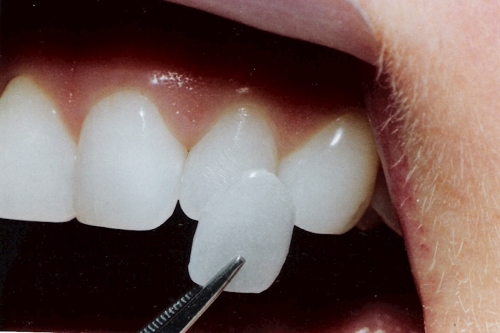
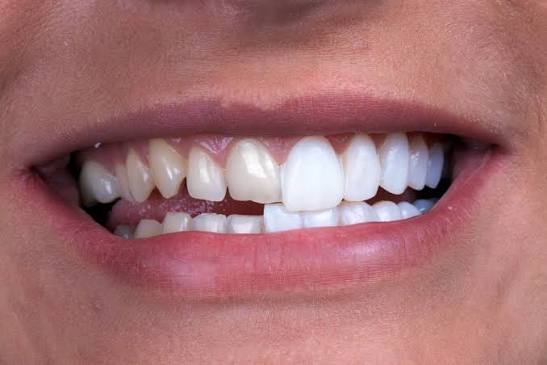
What needs to be known before a laminate veneer application is of great importance in order to clear the question marks in the minds of individuals preparing to step into an aesthetic and functional dentistry process. A laminate is an aesthetic restoration material prepared in the form of a thin leaf, applied only to the front (facing the lips and cheeks) surfaces of the teeth. The fundamental philosophy of this application is to achieve maximum aesthetic and structural harmony with minimal intervention to the natural tooth tissue. Before starting the process, the individual’s intraoral dynamics, gum health, and chewing habits must be evaluated in a multidimensional way. This stage ensures the determination of whether the anatomical structure of the tooth, enamel thickness, and overall smile profile are in harmony. Laminate applications differ from traditional methods where the entire tooth is abraded, as they are based on making minor adjustments only in the required areas. The convergence of individuals’ expectations with the scientific and functional realities offered by dentistry gains clarity during this preliminary evaluation phase.
During the evaluation process, many different elements ranging from the individual’s personal habits to facial features are brought together to draw a personalized roadmap. In our OPC Klinik organization, which focuses on providing services to our clients in the Kozyatağı region, we aim for individuals to pass through this preparation phase before the process with transparent communication. By taking detailed measurements of the mouth and jaw structure, information is provided about the light transmittance, durability, and biological compatibility of the material to be applied with the gums. Individuals who have detailed information about the process assimilate the steps to be taken more easily and can integrate this process into their daily lives more comfortably. In this detailed guide, the clinical steps, material differences, effects of personal habits on the process, and all technical details that are wondered about before deciding on leaf porcelain or composite laminate applications are addressed with an informative approach.
Why is a Dentist Examination of Great Importance Before Making a Laminate Veneer Decision?
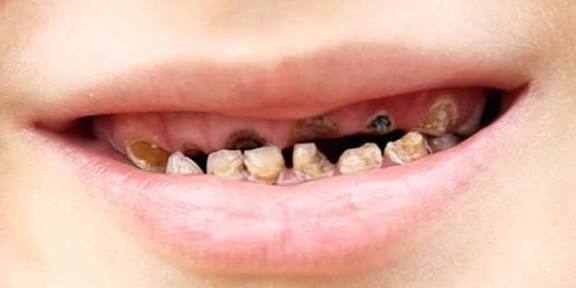
The dentist examination performed before making a laminate veneer decision is of great importance in terms of taking a comprehensive picture of all tissues in the mouth and building the process on healthy foundations. For an individual applying to the clinic with aesthetic expectations, it is primarily investigated whether they have a structurally suitable foundation for this restoration. If there are existing decays in the teeth, infections at the root tips, or old, ill-fitting fillings, the focus is first on eliminating these structural deficiencies. During the clinical examination, not only the visible areas but also bone levels and root structures are examined with the help of panoramic or periapical x-rays. Whether there is sufficient thickness on the front surface of the tooth (in the enamel layer) is one of the main factors determining the bonding resistance of the laminates to the tooth. In cases where the enamel tissue is heavily thinned due to acid erosion or abrasions, alternative restoration options may be considered since the bonding capacity of the adhesive agents may change.
The correct communication established with the physician during the examination ensures that the process aligns with the individual’s expectations. The patient’s smile line, lip movements during speech, and the closure (occlusion) relationship of the lower and upper teeth are recorded in detail. Especially when listening to the expectations of our guests coming from around Kozyatağı, as OPC Klinik, we take care to choose forms suitable for individuals’ social lives and facial anatomies. If there are closing relationships where the teeth overlap excessively, reverse closure, or open bite situations where the teeth do not contact each other, these forces must first be balanced for the laminate application to show durability in the functional dimension. A comprehensive examination allows anticipating and managing biomechanical problems that may be encountered in subsequent sessions.
What Should the Condition of Gum Health Be Before the Process Begins?
Before the laminate veneer, gum health should be in an inflammation-free, pale pink, and non-bleeding structure to ensure aesthetic and biological harmony. This concept, called “pink aesthetics” in dentistry, refers to the healthy form of the soft tissues surrounding the teeth. The boundary where the laminates meet the tooth is usually located right next to or slightly inside the gum. If there are signs of gingivitis (gum inflammation) such as swelling, redness, or bleeding during brushing in the gums, the precision of the impressions to be taken is lost, and the marginal adaptation of the laminates may be compromised. An inflamed gum carries the risk of weakening the chemical bond of the adhesive agents (resin cements) to the tooth surface due to the fluids it will leak during the process.
For this reason, before starting the process, individuals are expected to regain the normal form of their gums by applying professional dental calculus (tartar) cleaning and polishing procedures. If there are level differences, an asymmetrical appearance, or excessive gum display during smiling (gummy smile) in the gums, minor gum shaping (gingivectomy or gingivoplasty) procedures can be planned before moving on to the laminate production stage. After waiting a certain period for the soft tissue to reshape and heal, impressions are taken over a healthy foundation. A structure where the gums tightly surround the teeth and biological boundaries are preserved is the main element that supports the long-term form of aesthetic restorations.
Effects of Gum Health on the Process
| Current Condition | Possible Effect on the Process | Approach to be Applied |
|---|---|---|
| Gum Inflammation (Redness, Swelling) | Disrupts impression precision, creates leakage during bonding. | Tissue health is restored with tartar cleaning and oral hygiene education. |
| Gum Asymmetry | When porcelains are attached, tooth lengths appear different and mismatched. | Gum leveling (gingivectomy) with laser or electrocautery is performed before the impression. |
| Advanced Gum Recession | The tooth root is exposed, the aesthetic boundary remains high. | First, tissue loss is managed with periodontological approaches, if suitable, a laminate is planned. |
Is Tooth Surface Abrasion Necessary for Every Individual?
Whether or not tooth surface abrasion (preparation) will be performed in laminate veneer applications varies depending on the current situation in the individual’s dental arch, the alignment, and the color of the teeth. Generally, a thin enamel layer between 0.3 and 0.7 millimeters is removed from the front surface of the tooth so that the porcelain leaf adapts to the tooth and does not push the lip outwards, creating a bulky appearance. This minor preparation both makes room for the material and helps provide a smooth, step-free transition at the gum line. In cases where there is mild crowding in the teeth, minor updates in the amount of abrasion in the relevant areas may be required to bring the protruding teeth into the same alignment with the others.
However, in methods called “no-prep” (without preparation) or “micro-prep” (with very little preparation), it is also possible to apply veneers without touching the surfaces of the teeth at all or with almost non-existent intervention. This situation is generally preferred in cases where the teeth are anatomically small (microdontia), there are natural gaps (diastema) between the teeth, or the dental alignment is already positioned inwards (backwards). In cases where the tooth color is very dark and color masking is difficult, the abrasion process can be kept slightly more pronounced to increase the thickness of the porcelain. Keeping the process within the enamel borders is a rule that physicians primarily observe in order to prevent the tooth from losing its vitality and to maintain bonding resistance.
How Does Clenching or Grinding Habit Shape the Process?
The habit of clenching or grinding teeth (bruxism) is a condition where the jaw muscles contract with high pressure during sleep or moments of stress during the day, causing the lower and upper teeth to apply force to each other. These non-chewing parafunctional forces, which can lead to enamel cracks, abrasions, and joint disorders even in natural teeth, also create a risk of fracture or dislocation on thin-structured ceramic laminates. In the evaluations before the laminate, it is examined whether there are flattenings on the incisal edges of the individual’s teeth, wear surfaces (facets), or enlargement (hypertrophy) in the jaw muscles. When active bruxism is detected, the process must be managed from a different angle to protect the laminates from these excessive forces.
In such cases, it is of great importance to take protective measures before or after the process. During the production stage of the restorations, the contact points of the lower and upper jaws, horizontal and vertical movements are taken into consideration to ensure that extra load is not placed on the porcelain surfaces (occlusal balance). When the procedure is completed, it is recommended to use night guards (occlusal splints), usually made of hard or semi-hard acrylic, specially prepared for the individual. The regular use of this plate by the individual during sleep cuts the direct contact between the jaws, distributes muscle tension, and supports the preservation of the mechanical integrity of the restorations. In excessively severe cases, relaxing medical approaches directed at the chewing muscles can also be included in the process under the control of a physician.
What Are the Distinguishing Features Between Porcelain Veneers and Composite Veneers?
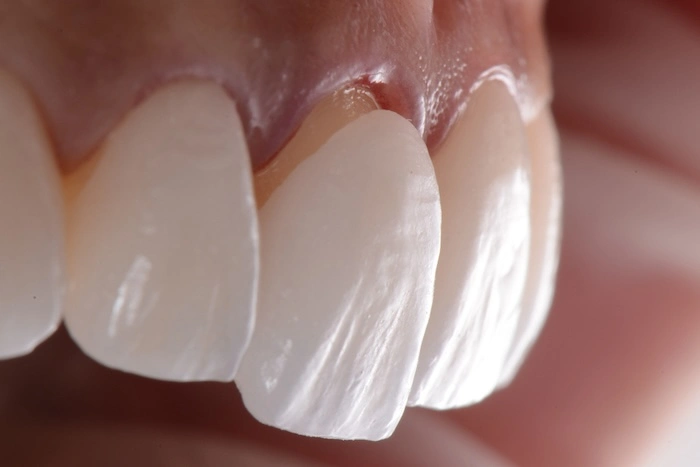
Porcelain (ceramic) veneer and composite veneer (bonding) are two different material groups applied to the tooth surface to meet aesthetic expectations, and the distinguishing features between them play a role in making the right choice according to the patient’s needs. Porcelain veneers are glass-ceramic materials produced in a laboratory environment by dental technicians by baking at high temperatures after clinical impressions. They closely imitate the light transmittance and reflection of natural tooth enamel with very high naturalness. Since their surfaces are highly polished and smooth, their tendency to undergo color change due to factors such as tea, coffee, or cigarettes is quite low. Their forms and structure maintain their stability for many years, but the process usually spans over several sessions due to impressions and rehearsals.
Composite veneers, on the other hand, are polymer-based resin filling materials that are applied directly to the tooth surface by the physician in a single session in a clinical setting without the need for a laboratory phase, and hardened with special light devices. The process of removing tissue from the tooth is usually not performed at all or kept to a minimum. It offers a more economical alternative compared to porcelain and can be easily repaired in the mouth in case of a possible fracture. However, depending on brushing habits and diet, the structure of composites may lose its polish over time, and show discoloration or minor abrasions. Which material to choose is determined in partnership with the physician and the patient by evaluating criteria such as budget, targeted permanence, aesthetic expectation, and suitability for the case.
Material Properties and Application Differences
| Criterion | Porcelain Veneer (Ceramic) | Composite Veneer (Resin) |
|---|---|---|
| Production Process | Prepared indirectly in the laboratory according to the impression. | Processed directly by the physician in the clinic. |
| Number of Sessions | Takes an average of 2-3 sessions due to preparation, impression, and rehearsal. | Usually shaped and polished in a single session. |
| Color and Polish Resistance | Highly resistant, discoloration and staining are not expected. | May become dull or discolored over time depending on dietary habits. |
| Light Reflection | Offers depth and translucency very close to natural enamel. | It is aesthetic, but structurally difficult to reach the depth of ceramic. |
How is Digital Smile Design Prepared Before the Process?
Digital Smile Design (DSD) prior to the process is a modern planning tool that allows the individual to see what kind of appearance they will achieve when the treatment is finished, even before any physical procedure is performed. At this stage, the person’s facial anatomy, lip borders, eye level, and current dental profile are transferred to the computer environment with high-resolution photographs and video recordings. A three-dimensional digital copy of the teeth is created using intraoral scanners. All these obtained data are combined through special software, and tooth forms, lengths, and symmetry suitable for the person’s facial features are drawn millimetrically in the digital environment.
This prepared virtual design is presented to the patient on a computer screen, creating an interactive environment for exchanging ideas. The physician and the patient decide together whether the teeth will be angular or more rounded, and whether their lengths will be extended. After the design is approved, these digital data are converted into a concrete guide model (wax-up) through three-dimensional printers. By placing a temporary material into silicone molds prepared over this obtained model, the design is applied onto the patient’s own teeth (mock-up procedure). Thus, when the individual looks in the mirror, they have the opportunity to experience how the new tooth form reflects on their face, and how it affects their speech and lip support. Fine adjustments in the design are clarified during this rehearsal session.
How Do Orthodontic Conditions Affect Laminate Planning?
In laminate planning, the current structure (orthodontic condition) in the individual’s dental alignment is an element that directly affects the shape and preparation phase of the application. Laminates have the ability to aesthetically restore mild crowding, rotations, or gaps (diastema) in the teeth. However, in skeletal or structural disorders where the teeth severely overlap each other, jaw narrowness is pronounced, or the lower jaw applies severe pressure to the upper teeth during closure, it is biomechanically not appropriate to achieve a proper alignment just by applying porcelain leaves. In severe crowding, it may be necessary to remove too much tissue from the tooth in order to fit the porcelain, which causes the enamel layer to be breached, reaching the dentin and weakening the tooth.
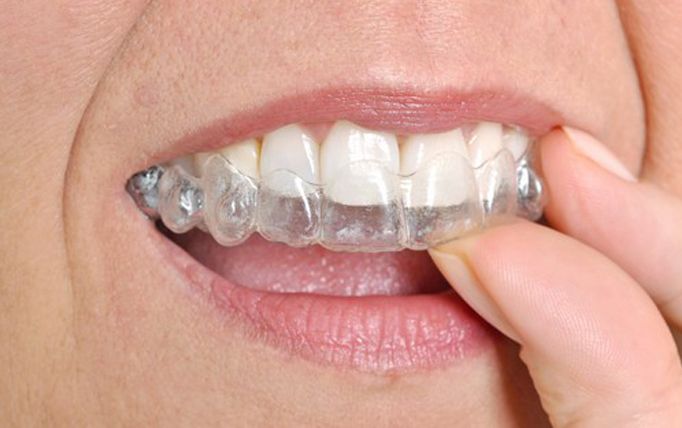
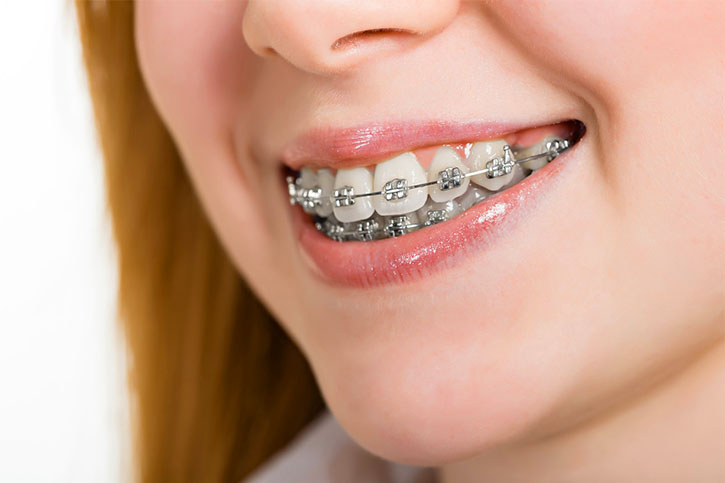
In such cases, in accordance with the principles of preventive dentistry, an orthodontic arrangement (clear aligners or braces) is planned first. After the teeth are brought to their appropriate, natural alignments in the dental arch with orthodontics, if form, size, or color inequalities still persist, the laminate application is initiated. In this way, unnecessary loss of substance from the tooth is prevented. The physician analyzes whether the current alignment is within suitable limits for the laminate in the first evaluation session and informs the individual about whether orthodontic support is needed. The goal is to carry out aesthetics together with function and tissue-preserving principles.
What is the Role of Temporary Veneers During the Procedure?
Temporary veneers are acrylic or composite-based materials applied to the teeth after the impressions are sent to the laboratory for the production of the actual laminates, in order to prevent sensitivities that may arise from the preparation phase of the teeth and to ensure that the individual can continue their social life without problems. When a thin part of the enamel layer is removed from the front surface of the teeth, microscopic channels going to the lower layers of the tooth may open to the external environment. This situation can create temporary sensitivity when consuming cold, hot, or acidic food and beverages. Temporary veneers act as a shield, restricting external factors from reaching the tooth and supporting the individual’s daily comfort.
Additionally, temporary restorations are an important rehearsal tool where the final porcelain teeth are tested in terms of form, size, and harmony with the face. By using these temporary teeth for a few days, the individual evaluates their speech dynamics (especially the pronunciation of sounds like ‘f’, ‘v’, ‘s’), lip closure, and aesthetic appearance. Any parts deemed too long, angular, or uncomfortable are communicated to the physician, and the production process in the laboratory is refined in light of this feedback. Since temporary veneers are not attached with an adhesive as strong as permanent porcelains due to their nature, it is important to stay away from very hard foods like hazelnuts and walnuts or very sticky foods like gum and caramel during this waiting period so that the veneers do not dislodge.
Which Variables Are Considered in Color and Form Selection?
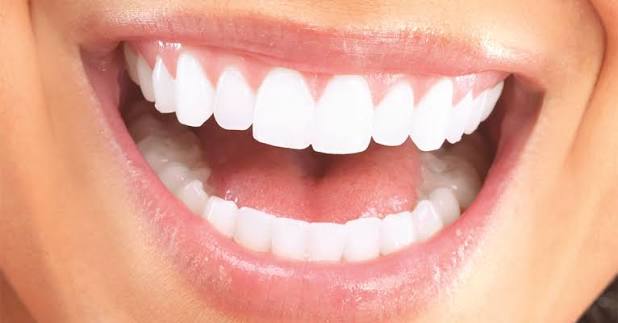
In color and form selection, objective and subjective variables are taken into consideration where the individual’s personal aesthetic expectations and anatomical realities are blended in harmony. The aim of porcelain laminates is not just to whiten the teeth, but to create a completely natural smile profile integrated into the face. In this process, parameters such as gender, age, face shape, lip thickness, skin color, and the tone of the white of the eye are used as guides. For example, while the edges of the teeth are designed with more pronounced angles in individuals with square or angular facial features, tooth forms are shaped to have rounder corners in oval and soft facial features. In young age groups, central incisors are designed in a slightly longer form than lateral teeth, whereas in advanced ages, flatter forms imitating tooth wear offer a natural reflection.
When determining the color, the light conditions of the clinic, the patient’s natural tooth color scale, and skin contrast are examined. Just as an artificial appearance may occur when very white (opaque) teeth are made for a very light-skinned individual, excessive whiteness in a very dark-skinned individual can also create an unnatural contrast. The natural structure of the tooth does not consist of a single color; while the parts close to the root (gum) are in darker and warmer tones, the transparency (translucency) of the tooth increases towards the incisal edges and takes on a bluish/grayish translucent state. Laboratory technicians process porcelain powders in layers, fictionally setting this depth and light transmittance (opalescence) true to the original. The individual’s satisfaction with the chosen color and form is confirmed practically through mock-up rehearsals.
How Should Smoking, Tea, and Coffee Consumption Be Managed Before and After the Application?
Coloring habits such as smoking, intense tea, or filter coffee are the main external factors that cause yellowing and staining in natural teeth or composite fillings over time. Before the laminate application, the level of these habits is evaluated by the dentist. One of the most prominent advantages of porcelain (ceramic) laminates is that they show a very high resistance to such external colorants thanks to their glass-like smooth surface structure. As long as regular oral care is maintained, tea, coffee, or cigarette smoke cannot adhere to the porcelain surface; thus, the porcelain continues to maintain its color from the first day it was placed.
However, it should not be forgotten that the process is not only about the color of the porcelain. Laminates cover only the front surface of the tooth; the back surface of the tooth and the lower jaw teeth where laminates are not applied retain their natural structure. When the intense use of coloring food and tobacco continues, the non-veneered natural teeth and the gums around the porcelain can be affected by this situation and change color. In this scenario, even if the porcelains remain the same color, an unwanted color difference (contrast) may arise in the mouth with the yellowing of the surrounding teeth. For this reason, after the application, physicians recommend keeping the consumption of colorants at a controlled level and not neglecting daily brushing and interdental cleaning in order to protect the color of natural teeth, prevent gum recession (decreased blood supply due to smoking), and maintain aesthetic integrity.
What Are the Biological and Mechanical Limits to Consider Before the Process?
The long-lasting use of laminate veneers is related not only to the quality of the material but also to how accurately the biological and mechanical limits of the individual are analyzed before the process. The human jaw produces complex forces during chewing, speaking, and swallowing functions. The movement path of the lower teeth (functional envelope) rubs against the inner (palatal) surface of the upper teeth. If laminates are designed to restrict this movement path or are excessively long, collisions occur at the incisal edges. Over time, these collisions pave the way for the thin porcelain to chip off (fracture) small pieces from the tips. While planning the process, as physicians extend the length of the teeth with an aesthetic reference, they mechanically test whether the lip closure and lower jaw movements allow this length.
From a biological perspective, the tolerance limits of the gum tissue (biological width) are taken into consideration. If the step (margin) where the porcelain sits on the tooth is placed deeply into the gingival sulcus, exceeding healthy limits, the tissue perceives this as a foreign object. This situation can lead to non-healing chronic gum inflammations, a purplish gum color, and bone resorption over time. In the analyses we conduct as OPC Klinik, which focuses on providing services to our clients in the Kozyatağı region, we evaluate the principles of mechanical durability and biological compatibility on equal footing with aesthetic expectations, and establish the infrastructure of the process with a tissue-respectful approach.
Frequently Asked Questions
1. Is dental calculus cleaning necessary before a laminate veneer?
A detailed professional dental calculus (tartar) cleaning is necessary before the process begins so that impressions can be taken with millimetric precision and the gums can achieve a bleeding-free, healthy form.
2. Is there an age limit for laminate application?
Unless there is an emergency trauma situation, the period after the ages of 18-20, when jawbone development and tooth eruption are completed, is the appropriate time frame to start the application in order to ensure form stabilization.
3. Can laminates be done in cases of missing teeth?
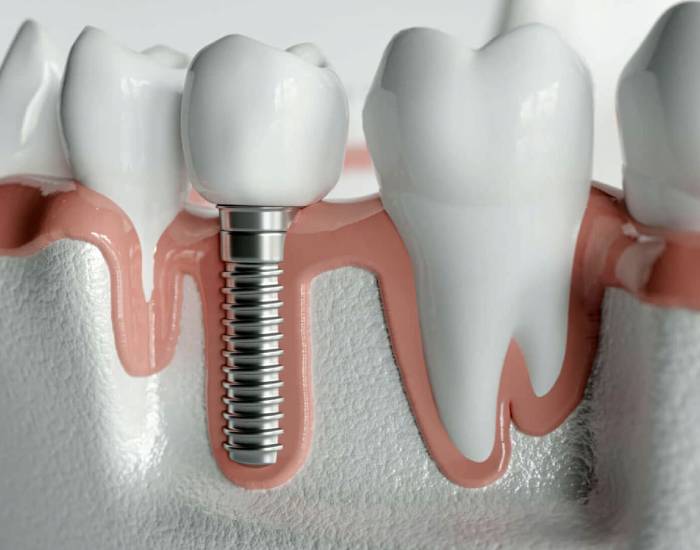
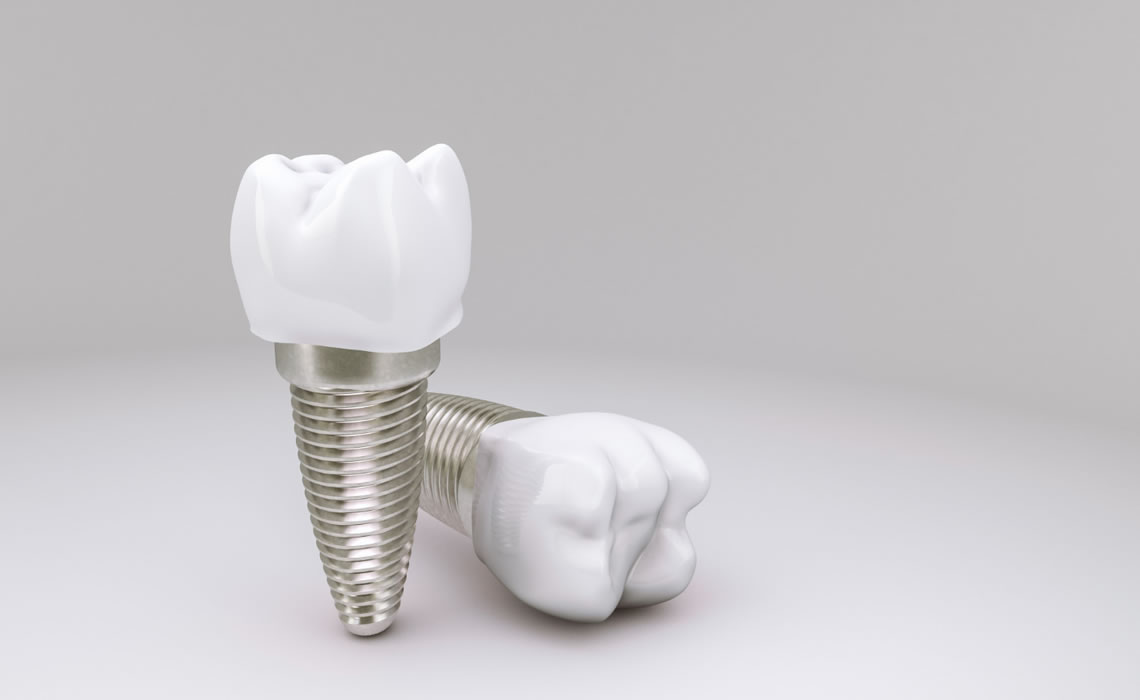
Laminates are materials in a leaf form bonded only to the front surface of existing teeth. They cannot fill the gap of a missing tooth like a bridge. Implants or crown prostheses surrounding the tooth should be considered to compensate for the gaps.
4. Should tooth whitening (bleaching) be done before the laminate?
Because porcelains are very thin, they may somewhat reflect the color of the underlying tooth. If the natural tooth color is very dark, whitening (bleaching) can be applied before the procedure to make the masking process easier and increase the harmony of the porcelain with the adjacent natural teeth.
5. Can people who clench their teeth at night get laminates?
Laminate application can be planned for individuals with a teeth clenching or grinding (bruxism) habit; however, it is recommended to examine the joints and adjust the occlusion when starting the process, and to use a night guard during sleep to protect the restorations after the procedure is finished.
6. Can a laminate be done without the abrasion (cutting) process?
In suitable cases where teeth are small in size, spaced, or positioned slightly backwards, and where color masking is not highly necessary, “no-prep” (preparation-free) leaf porcelains can be applied without touching the enamel surface at all.
7. Can food be eaten with temporary teeth?
Normal nutrition can be maintained with temporary veneers that protect the teeth until permanent laminates are fitted. However, since these materials are not attached with permanent adhesives, consuming hard (nuts, etc.) or very sticky foods should be avoided so they do not dislodge.
8. Can the process be started if my gums are bleeding?
Bleeding in the gums is a sign of inflammation, and this situation negatively affects impression accuracy and bonding quality. Primarily, bleeding should be taken under control by applying gum treatment, and the process should be started after tissue health is restored.
9. Is it possible to see a digital design before the laminate?
By using intraoral scanners and DSD (Digital Smile Design) software, the state of the individual’s teeth before undergoing any procedure is modeled in a computer environment, and the planned new smile profile can be presented to the patient digitally.
10. How is a decision made between porcelain and composite?
During the decision phase, the level of discoloration in the case, budget, targeted durability duration, and time criteria are evaluated. While composites can be applied in the clinic in a single session, porcelain laminates stand out as a long-term laboratory project with their stain-resistant structures.
11. Can laminates be done on crowded teeth?
Mild crowding can be aesthetically recovered with porcelains that regulate the tooth form. However, in severe crowding where teeth heavily overlap, it is a healthier approach to plan orthodontic regulation (braceless orthodontics, etc.) primarily to protect the tooth.
12. Does smoking before the procedure affect the process?
The porcelain surface does not change color due to smoking; but intense smoking consumption can disrupt blood flow in the tissues, masking gum diseases, and create an undesirable color difference in the mouth with the yellowing of surrounding natural teeth.
13. How is the process organized for clients coming from the Kozyatağı region?
In our OPC Klinik organization, examination, digital scanning, rehearsal, and bonding sessions for our clients in the Kozyatağı region are organized within the framework of a planned schedule where appointment times are used efficiently without disrupting the individual’s social life.
14. How do laminate leaves adhere to the tooth surface?
The material is integrated into the tooth surface using high-quality and durable adhesive agents called “resin cement,” which establish a chemical and mechanical network with the enamel tissue of the tooth. When applied correctly, it is not expected to dislodge except under unusual forces.
15. How many sessions does the application process take in total?
Considering the clinical evaluation, impression taking, mock-up (rehearsal) phase, and laboratory production, the process is generally completed between two to three clinical appointments, typically spanning a time frame of an average of one week to ten days, depending on the case.