What is a Laminate Veneer? In Which Situations Can It Be Considered?
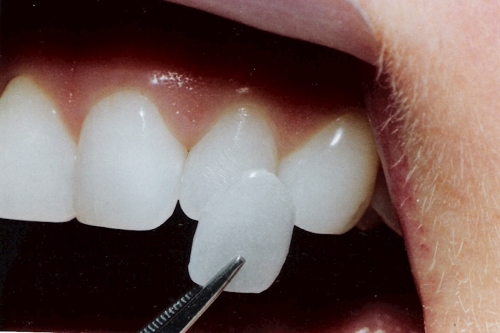
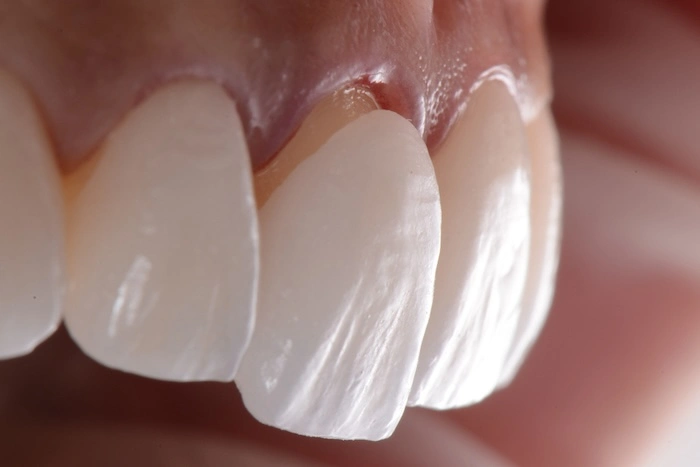
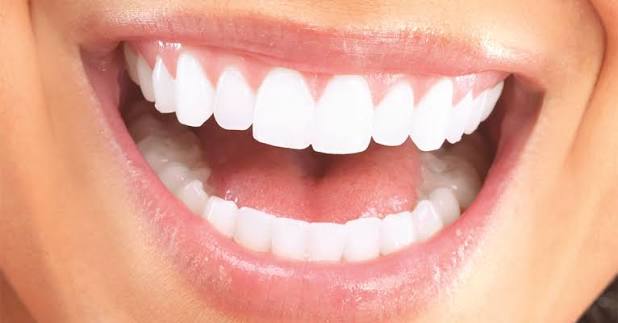
Laminate veneer is a restorative dentistry application made from thin-structured ceramic or composite materials, applied only to the front surfaces of the teeth to meet aesthetic and functional expectations. This procedure, performed with minimal intervention to the tooth tissue, is also known as leaf porcelain and is designed in accordance with the anatomical structure of the tooth. Preferred for correcting shape, color, and size differences in individuals’ teeth, this method allows for an aesthetic appearance thanks to its structure that can mimic the light transmittance of natural tooth enamel. It holds an important place among the conservative approaches performed in dental practice by preserving the structural integrity of the teeth. Its main features include the removal of a very thin enamel layer, usually ranging from 0.3 to 0.7 millimeters, only from the front surface of the tooth, or in some cases, its application without any abrasion at all.
During the evaluation process, the individual’s oral health, gingival harmony, and overall bite dynamics are considered as a whole. With the help of obtained digital impressions and photographs, a design suitable for facial features and smile profile is produced in a laboratory environment with millimetric calculations. The prepared thin leaf-shaped materials are integrated into the tooth surface using special adhesive agents (resin cements). It is a frequently considered option for aesthetic arrangements in individuals who have a healthy mouth structure and do not have major orthodontic problems. The application process begins with a detailed analysis of the individual’s current tooth structure and is shaped in line with the mutual expectations of the physician and the patient.
What Are the Stages of the Laminate Veneer Process?
The laminate veneer process is a multi-step dentistry protocol that starts with a detailed clinical and radiographic examination, followed by impression taking, digital or physical design, and finally, the bonding procedures. In the first stage, it is checked whether the gums are healthy and whether there is caries or abrasion in the teeth. After listening to the expectations of the individual, the current copy of the teeth is obtained using intraoral scanners or traditional impression materials. The temporary designs created from these impressions, called ‘mock-ups’, are rehearsed in the patient’s mouth before any procedure is performed on the teeth, providing a concrete idea of the anticipated result. Once the design is approved, the necessary minimal adjustments are made on the front surface of the teeth, and the permanent impression is sent to the laboratory for the production of the actual laminates. When the production phase is completed, the tooth surface and the laminate material are prepared with special solutions to provide a strong bond.
Each step of the process requires great precision and technical knowledge. During the preparation phase on the tooth surface, the thickness and anatomical form of the tooth enamel are taken into consideration. Keeping the abrasion process within the enamel borders is one of the main factors that increases the bonding strength of the laminates to the tooth. Because when the dentin layer is reached, the bonding resistance of the adhesive agents (bonding) may vary. The thin leaves obtained by processing porcelain powders layer by layer or scraping monolithic blocks in the laboratory environment are tested in terms of color, harmony, and occlusion in the final rehearsal. The restorations approved by the physician are integrated into the tooth by providing isolation, and the process is concluded with polishing procedures.
In Which Tooth Structures Can Laminate Veneer Application Be Considered?
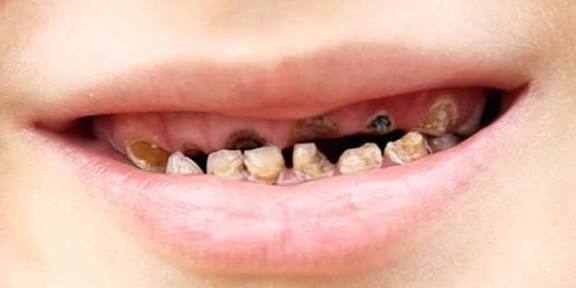
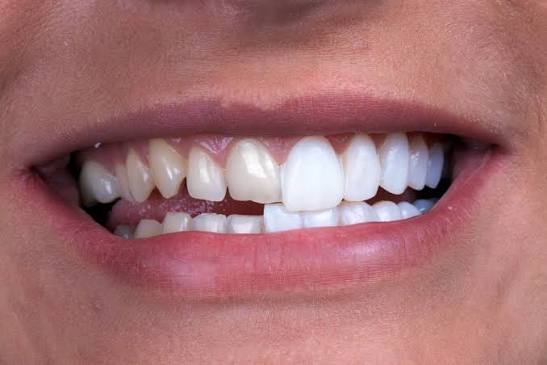
Laminate veneer application is a method that can be evaluated by dentists in cases such as deep discolorations that do not respond to bleaching, spaces between teeth (diastema), mild crowding, and structural defects on the enamel surface. In particular, gray-brown stains caused by the use of antibiotics like tetracycline or teeth that darken after root canal treatment can regain a natural appearance thanks to these thin ceramic layers. At the same time, laminate restorations come to the forefront in compensating for abrasions in tooth lengths due to age or environmental factors, or small fractures and cracks caused by trauma. Such structural or aesthetic differences can be corrected with these leaf-shaped materials applied only to the front surface without damaging the integrity of the tooth.
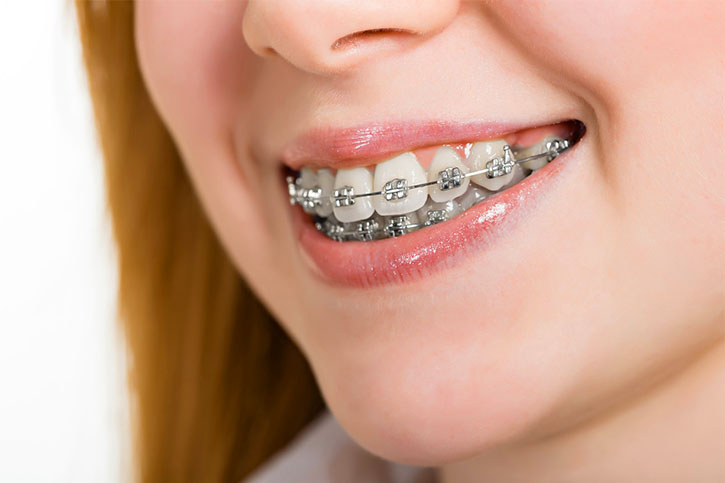
Mild rotations or asymmetrical appearances in the dental arch can be restored to a certain extent with laminate applications for individuals who do not prefer long-term orthodontic treatment (braces). However, at this point, the occlusal relationship of the teeth with each other and the adequacy of the available space are examined in detail by the physician. If there are asymmetries in the gingival levels, a minor gingival arrangement (gingivectomy) is performed before the laminate procedure to ensure harmony between the tooth and the gum (pink-white aesthetic balance). All these structural situations are planned in the light of a detailed analysis so as not to disrupt the functional chewing movements of the individual.
How is the Process Planned by OPC Klinik for Individuals in the Kozyatağı Region?
OPC Klinik carries out a personalized, informative evaluation process where the oral and dental structure is comprehensively examined for individuals residing in the Kozyatağı region or those who want to receive services from around this region. During the individuals’ clinic visit, the general oral health status is first examined, and their expectations are listened to in detail. The current tooth anatomy is recorded using panoramic x-rays and three-dimensional scanning technologies. In this roadmap created for clients in the Kozyatağı region, all stages of the laminate veneer process, the features of the materials to be applied, and subsequent care routines are conveyed in a transparent language. The aim is to ensure that the individual has sufficient information about the process, allowing them to evaluate the options suitable for their own mouth structure together with the physician.
Within the framework of the regional service approach, OPC Klinik organizes appointment schedules in a way that will not disrupt the social and business lives of individuals in Kozyatağı. The time period between laboratory stages and clinical rehearsals is planned in accordance with the individual’s daily life flow. Information that the application should be handled not only in its aesthetic dimension but also in its functional dimensions such as speaking and chewing is shared with the clients. This approach, where physician-patient communication is prioritized, offers a guidance service that will help individuals make informed decisions about their own dental health.
What Are the Main Differences Between Porcelain Veneers and Composite Veneers?
Porcelain veneers and composite veneers are two different material groups frequently used in dentistry, and the main differences between them are based on factors such as the structure of the material, application time, light transmittance, and durability. Porcelain (ceramic) veneers are materials that are produced in special dental laboratories by baking at high temperatures and can closely mimic the enamel tissue. The structure of porcelain shows high resistance to coloring agents such as tea, coffee, or cigarettes. Composite veneers, on the other hand, are resin-based filling materials that are usually processed and shaped directly on the tooth surface by the physician in a single session. Although composites have advantages in terms of cost and time, they exhibit a structure that is more open to discoloration or wear over time compared to porcelain.
During the selection phase, the individual’s intraoral dynamics and aesthetic expectations are decisive. Since porcelain leaves require a laboratory process, they create a schedule spread over several sessions, while composite applications (also known as “bonding”) can often be completed in the clinic on the same day. In terms of light reflection and tissue harmony, porcelain ceramics are considered an option that supports long-term durability in aesthetic dentistry; whereas composite materials may be preferred mostly for repairing small fractures, closing gaps, or minimal invasive (preventive) approaches in younger individuals.
Material Comparison Table
| Features | Porcelain Veneer (Ceramic) | Composite Veneer (Resin) |
|---|---|---|
| Material Structure | Glass ceramic produced in a laboratory environment. | Polymer-based resin applied directly in the clinic. |
| Application Time | Takes an average of 2-3 sessions due to impression and rehearsal stages. | Usually completed in a single session in a clinical setting. |
| Color Stability | The surface is smooth; discoloration due to external factors (tea, coffee) is rarely seen. | Its polish may decrease over time and change color depending on dietary habits. |
| Light Transmittance | Offers light reflection very close to natural tooth enamel. | It is aesthetic, but it is difficult to achieve translucency as much as ceramic. |
| Repairability | In case of breakage, it generally needs to be renewed. | Can be easily repaired in the mouth with minor additions. |
What Kind of Abrasion Process is Performed on the Tooth Surface Before Application?
The abrasion process to be performed on the tooth surface before application is a very precise preparation process, generally remaining within the enamel borders, determined according to the current position, color, and targeted new form of the tooth. Since the thickness of laminate veneers ranges on average between 0.3 and 0.7 millimeters, it is aimed to remove a tissue equivalent to this thickness from the facial (lip-facing) surface of the tooth. This minor abrasion is done to prevent the newly fitted leaf porcelain from looking thick and bulky on the tooth surface and to provide a natural emergence profile by creating a step at the gum line. Physicians ensure that the abrasion remains at the millimetric level by using special burs and guide impression rubbers when determining the amount of preparation.
In some special cases, if the teeth are already positioned backward or are smaller than normal (microdontia), “no-prep” (preparation-free) laminate applications can be planned without any abrasion on the tooth. However, if there is a certain amount of crowding in the teeth or if the tooth color is very dark, the amount of abrasion can be slightly increased to mask the underlying color by increasing the thickness of the porcelain. Keeping the abrasion process within the enamel layer is of critical importance in terms of preserving the vitality of the tooth and the durability of the bond to be established with the resin cement (adhesive). The micro-step created at the gum line supports biological harmony by preventing the laminates from putting pressure on the gum.
How Are Laminate Veneer Maintenance and Long-Term Use Supported?
Laminate veneer maintenance and long-term use are directly related to the meticulous application of oral hygiene rules applicable to natural teeth. Although the surface of the restorations is resistant to plaque retention, the borders where the tooth and the gum meet and the interfaces of the teeth are open to bacterial accumulation. For this reason, it is important to brush at least twice a day with a soft-bristled toothbrush and a toothpaste that does not contain abrasive particles. In addition to brushing, the regular use of dental floss or an oral irrigator to ensure interdental cleaning contributes to the protection of gum health. Healthy gums are the most important framework that supports the aesthetic stance of laminate veneers; when gum recession occurs, the root borders of the veneer may be exposed.
In addition to care routines, it is also recommended to be careful about the consumption of hard foods. Habits such as biting pens, nail-biting, cracking nuts with front teeth, or trying to open packages with teeth can lead to chipping or fractures at the tips of the thin-structured ceramic material. It is advised to be careful when consuming pitted fruits and to chew food with the back teeth in bites rather than tearing it off. It is of great importance for individuals to routinely visit the dentist for check-ups every 6 months to evaluate the marginal adaptation of the restorations, bite dynamics, and the health of surrounding tissues.
Which Situations Do Not Provide a Suitable Foundation for Laminate Veneers?
Laminate veneer application may not be a suitable option for every mouth structure because it is a thin and aesthetic restoration. Certain biological and mechanical conditions must be met in order for the procedure to be performed healthily and to maintain its integrity. If there is not enough enamel tissue on the front surface of the tooth or if the substance loss of the tooth has increased due to large fillings made previously, it means that there is no solid foundation left for the laminate veneer to hold onto. In such cases, turning to crown restorations that completely surround the tooth may be a structurally more accurate choice. As a result of the examination by the physician, the most suitable restoration material is selected by analyzing the individual’s current condition in detail.
- Insufficient Enamel Tissue: Adhesion resistance drops in teeth where the enamel tissue is heavily thinned due to genetic or environmental reasons such as acid erosion.
- Severe Teeth Clenching (Bruxism): Uncontrolled and excessive load on the jaws can cause thin ceramics to crack or dislodge.
- Severe Crowding or Malocclusion: In cases where teeth overlap excessively or jaws close inversely, laminates applied without orthodontic intervention may fail to provide structural integrity.
- Active Gum Diseases (Periodontitis): Aesthetic restorations cannot be performed while bleeding, swelling, or bone loss continues in the gums; tissue health must be restored first.
- Teeth with Extensive Substance Loss: Leaf porcelain application is not mechanically supported in teeth that have very large cavities or have been excessively abraded environmentally in the past.
How Are the Color and Form of Laminate Veneers Chosen?
The selection of the color and form of laminate veneers is carried out within the framework of aesthetic dentistry principles, taking into account the patient’s facial features, gender, skin tone, age, and lip dynamics during a smile. The human face contains harmonious proportions with each other; therefore, the general structure of the face is taken as a reference when designing the size and form of the teeth. For example, while rounder tooth forms adapt well to individuals with oval or round facial features, tooth forms with more distinct angles may be preferred for individuals with angular facial features. Mathematical calculations such as the “Golden Proportion” are among the tools that guide physicians in planning aesthetic design.
In the color selection phase, maintaining naturalness is at the forefront. The current color of the lower and upper teeth, the color of the sclera (white of the eye), and the person’s skin tone are taken into consideration when deciding on the color of the porcelain. The porcelain material is produced more transparent at the tips and in more intense and warm tones (opaque) at the gum line, capturing the optical illusion of the natural tooth. Today, thanks to digital smile design software, photographs of the patient taken in a studio environment are transferred to a computer, and the selected form and color options are digitally integrated into the patient’s face, visualizing it before the process begins. This interactive approach helps reveal an aesthetic profile that matches the individual’s expectations and does not stray from naturalness.
What is the Role of Temporary Veneers in the Process?
The role of temporary veneers in the process is to protect the teeth and provide aesthetic and functional comfort to the individual from the preparation stage on the tooth surfaces until the day the actual laminates are fitted. When the enamel layer is removed from the front surface of the teeth, even minimally, the teeth can show sensitivity to temperature (hot-cold) or a structurally rougher surface may be exposed. Right after the impression is taken, the teeth are covered using “mock-up” templates prepared in the laboratory or temporary acrylic/composite materials applied by the physician in the clinic. This procedure largely prevents the patient from experiencing any visual or sensitivity-related distress in their daily life outside the clinic.
Temporary veneers also act as a kind of preview of the permanent laminates to be produced. By using the temporary restorations for a few days, the individual gets the opportunity to experience lip closure, speech (especially the pronunciation of f, v, s sounds), and smile profile. Minor details requested to be changed (e.g., millimetrically shortening the tooth length or rounding the edges) are communicated to the physician, and the production of the actual porcelains in the laboratory is shaped according to this feedback. Since temporary veneers are attached with temporary adhesives, it is important to stay away from very hard or sticky foods during use so that these materials do not dislodge.
What Are the Differences Between Traditional Crown Caps and Laminate Veneers?
The main differences between traditional crown caps (crowns) and laminate veneers lie in the amount of tissue removed from the tooth surface, the purpose of the application, and the way it surrounds the tooth. A crown (colloquially known as a cap), is a type of restoration that wraps the tooth 360 degrees like a hat by making an abrasion of approximately 1.5 to 2 millimeters from all surfaces of the tooth (front, back, sides, and chewing surface). It is mostly preferred for functional reasons in order to protect fragile root-canal-treated teeth, repair large cavities, or use as abutments in bridge prostheses. It requires a considerable reduction of sound tooth structure.
A laminate veneer, structurally, does not completely wrap the tooth; it is bonded only to the front surface of the tooth facing the lips, with the thinness of a contact lens. Since the back or side surfaces are not touched, the biomechanics and durability of the tooth are largely preserved. The tissue removed in the preparation phase is only around 0.3-0.7 millimeters, an abrasion limited only to the enamel. While laminates are mostly applied to eliminate aesthetic concerns such as form disorders, discolorations, and small position anomalies; crowns aim to strengthen the tooth against chewing forces by encircling it from all directions. Which method will be applied is determined by the physician after analyzing how much healthy tissue the tooth has.
How is Laminate Veneer Planning Managed for Individuals with a Clenching Habit?
The habit of clenching and grinding teeth (bruxism) is a condition where jaw muscles contract uncontrollably during sleep or in stressful moments, putting an excessive load on the teeth. These strong forces can lead to abrasions and cracks in natural teeth, as well as create a risk of breaking or dislodging thin ceramic restorations like laminate veneers. For this reason, when an active bruxism condition is detected, whether the laminate application can be done or not is evaluated in detail. If it is decided to proceed with the process, it is essential to take various protective measures in the planning.
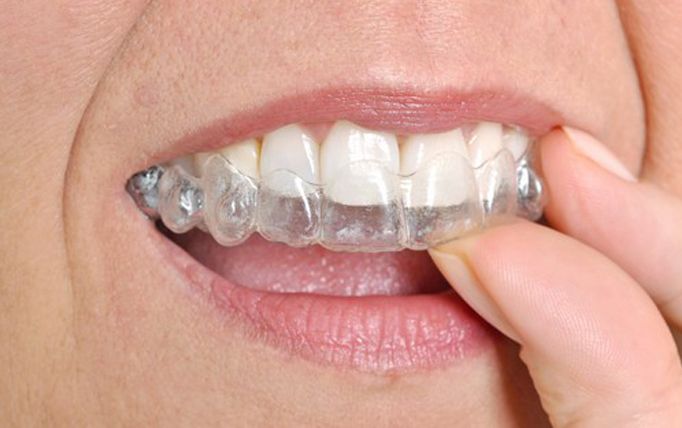
Before the application, the condition of the temporomandibular joint (TMJ) and chewing muscles is examined. During the construction phase of the restorations, the contact points of the lower and upper teeth are designed to balance the load placed on the porcelains during horizontal and vertical chewing movements (occlusal adjustment). After the procedure is completed, the individual is asked to use a hard or semi-hard acrylic “night guard” (occlusal splint) specially produced for them, worn on the upper or lower jaw while sleeping at night. The night guard cuts the direct contact between the jaws, distributes muscle tension, and protects the surface of the ceramic laminates against excessive frictional forces that may occur. Regular use of a night guard is an important habit that supports the long-term use of restorations in individuals with a tendency to bruxism.
How Are Digital Dentistry Applications Integrated into the Laminate Process?
Digital dentistry applications are integrated into the laminate process, increasing both the working precision of the physician and facilitating the patient’s compliance and foresight with the treatment. Replacing classic paste-like impression materials, intraoral scanners take thousands of photos in seconds and transfer the high-resolution 3D model of the teeth to the computer environment. While this technology offers a comfortable impression-taking process for individuals with a gag reflex, it eliminates potential material shrinkage or deformation errors in the acquired data. Digital data can be transmitted to the laboratory instantly using CAD/CAM (Computer-Aided Design and Manufacturing) systems.
In the design phase, the patient’s existing facial photographs and the three-dimensional model of the teeth are combined using DSD (Digital Smile Design) programs. Through the software, the physician millimetrically shapes the size, aspect ratios, and gingival symmetry of the new laminates using virtual tooth libraries. This virtual design offers the opportunity to visually explain to the patient “how the final smile will be” before the process begins. Following the approval of the design, 3D milling machines connected to the computer carve the selected high-quality porcelain blocks with micron-level precision to produce the laminates. The digital workflow minimizes the margin of error and contributes to the creation of restorations with high tissue harmony.
Frequently Asked Questions
1. Can the laminate veneer procedure be applied to individuals of all ages?
Tooth development, jaw, and bone growth generally continue until the ages of 18-20. Therefore, unless there is an urgent structural need such as trauma, it is recommended to wait for adulthood, when bone development is complete, for aesthetic laminate restorations.
2. Do laminate veneers change color over time from tea or coffee?
The surface of porcelain (ceramic) laminates baked at high temperatures in a laboratory environment has a smooth and non-permeable structure similar to glass. Thanks to these features, as long as regular oral care is maintained, they do not undergo color changes due to factors such as tea, coffee, red wine, or cigarettes.
3. I find my natural tooth color too yellow, can I achieve the whiteness I want with laminates?
Yes, porcelain material can be produced in different color scales. According to the individual’s expectation and skin harmony, the desired natural white appearance can be achieved by masking the existing yellow color with a lighter tone chosen.
4. Do I need to have my teeth cut for the laminate application?
The procedure does not require the entire tooth to be cut as in traditional crowns. In order for the porcelain to adapt to the tooth, only an enamel layer ranging from 0.3 to 0.7 millimeters is abraded from the front surface of the tooth. In some suitable cases, this abrasion may not be needed at all.
5. Is there a possibility of the veneers falling off my tooth?
High-tech adhesive agents called “resin cements” used during the application establish a very strong chemical and mechanical bond between the porcelain and the enamel layer of the tooth. A laminate bonded according to the rules is not expected to detach from the tooth on its own with normal chewing forces.
6. Can laminates be done if I have too many cavities or large fillings in my mouth?
A large part of the adhesive strength of laminates comes from healthy enamel tissue. If there is too much substance loss, large cavities, or extensive composite fillings in the teeth, the bonding surface will weaken, so it is more appropriate to make crowns that protect the tooth entirely instead of laminates on these teeth.
7. Will my gums be damaged during the procedure?
The preparation phase on the tooth surface is highly precise and done under magnifying systems (loupes). When working with a correct milling (abrasion) technique while respecting the gum borders, no damage is done to the gum tissue or biological width.
8. Can my teeth be straightened with clear aligners or braces treatment, or should I prefer laminates?
If you do not have a color, form, or size problem in your teeth, and there is only a crookedness (crowding) in the alignment, orthodontic approaches (clear aligners or braces) should be evaluated primarily. Laminates are planned for cases where form and color changes are also desired.
9. What should I pay attention to while using temporary veneers?
Temporary veneers fitted until your actual laminates are prepared are attached with non-permanent adhesives for easy removal. During this period, you should refrain from eating by biting hard apples, carrots or consuming sticky foods such as gum or Turkish delight to protect the temporary material.
10. Can decay occur in teeth with laminates?
The porcelain material itself does not decay; however, the natural tooth tissue remaining under or on the back surface of the porcelain can become open to decay by being affected by bacterial plaque, just like other teeth, in case of insufficient brushing or not using dental floss.
11. What kind of technologies are used for patients coming from the Kozyatağı region at OPC Klinik services?
Process management within the clinic is carried out with a computer-aided workflow using high-resolution 3D intraoral scanners (digital impressions), digital smile design software, and panoramic radiography systems.
12. Can laminate veneers be done after braces?
After orthodontic applications (braces) are completed, if there are hereditary or developmental size smallness, abrasion, or color defects that cannot be bleached in the structure of the teeth, laminate aesthetic applications can be started while the teeth are in their ideal positions.
13. Can a laminate bridge be made to replace missing teeth?
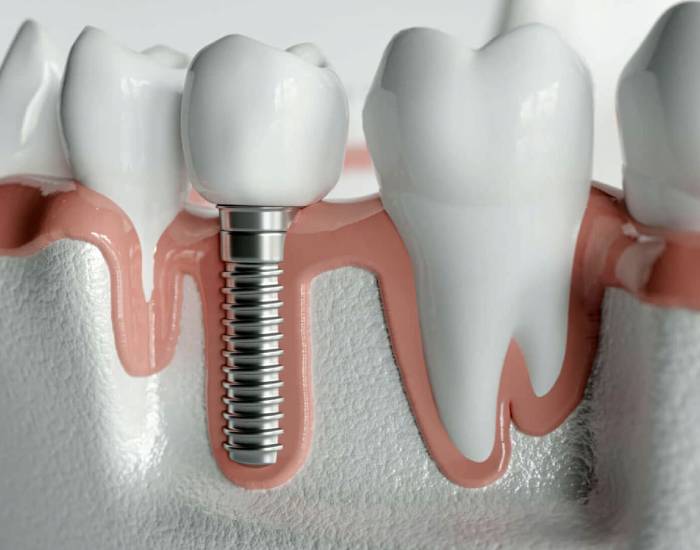
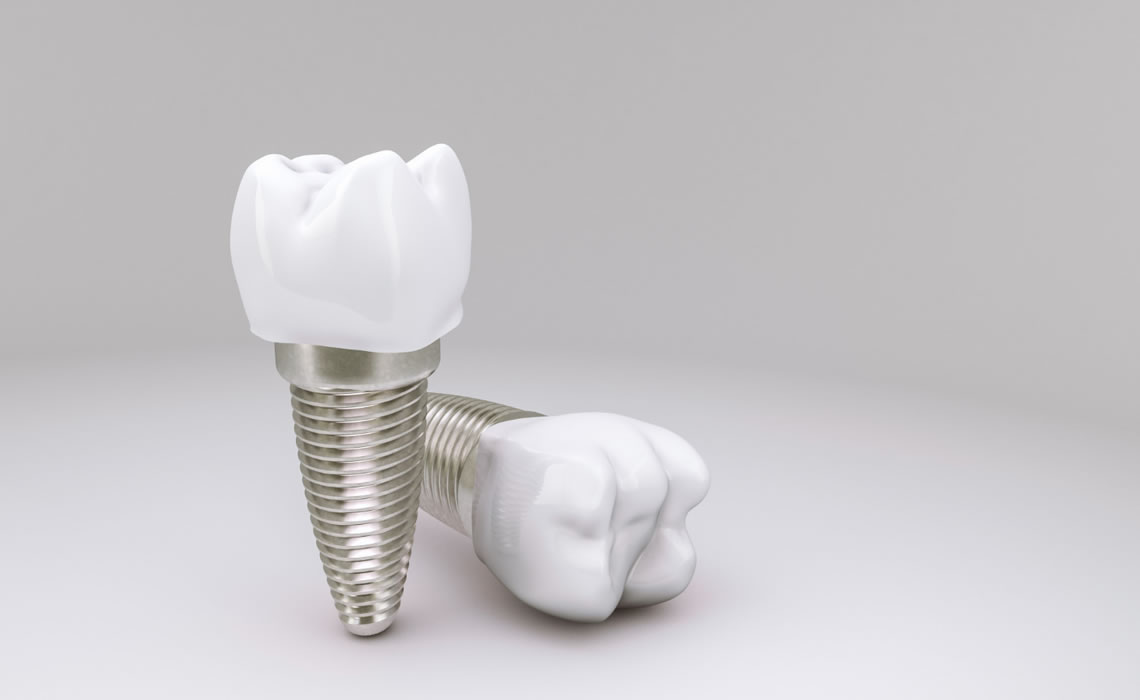
No, because laminates are in the form of a thin leaf and are bonded only to the front surface of a single tooth, they cannot function as a bridge body. To fill an extracted or missing tooth gap, implant or full crown bridge restorations should be evaluated.
14. Should I buy a special brush or toothpaste for the veneers after the process is over?
No special equipment is required. Instead of thick-grained (abrasive) whitening toothpastes that can ruin the polish of porcelains, it is sufficient to apply standard toothpastes with a gel form and low abrasiveness with a soft or medium-hard brush.
15. Is using a night guard (occlusal splint) a mandatory step?
Although not a general obligation, it is recommended for individuals who have been diagnosed with teeth grinding or jaw clenching (bruxism) during sleep or who have a suspicion in this direction to use a night guard to the extent advised by the physician to protect their restorations from possible trauma or cracking.