Why Is Orthodontic Treatment Necessary? The Real Facts Behind a Healthy Smile and Functional Jaw Anatomy
Smiling is our most natural “calling card” in human relationships—a direct reflection of confidence and positive energy. However, beyond an aesthetic smile, there is a complex mechanical system operating in the background: the contact between teeth, the harmony of jaw closure, and chewing efficiency. When teeth are not properly aligned on the jawbone—due to crowding, spacing issues, or mismatched upper and lower jaws (malocclusion)—the problem goes far beyond appearance. It can silently compromise oral health, facial balance, and even digestive function.
So, is orthodontic treatment (braces or clear aligners) only for cosmetic reasons? Why is orthodontic treatment necessary? And what long-term health problems can develop from crooked or misaligned teeth? From jaw joint pain to speech disorders, and from digestive issues to gum disease, many systemic problems actually originate within the scope of orthodontic care.
1. What Are Orthodontics and Malocclusion? Is It Only About Crooked Teeth?
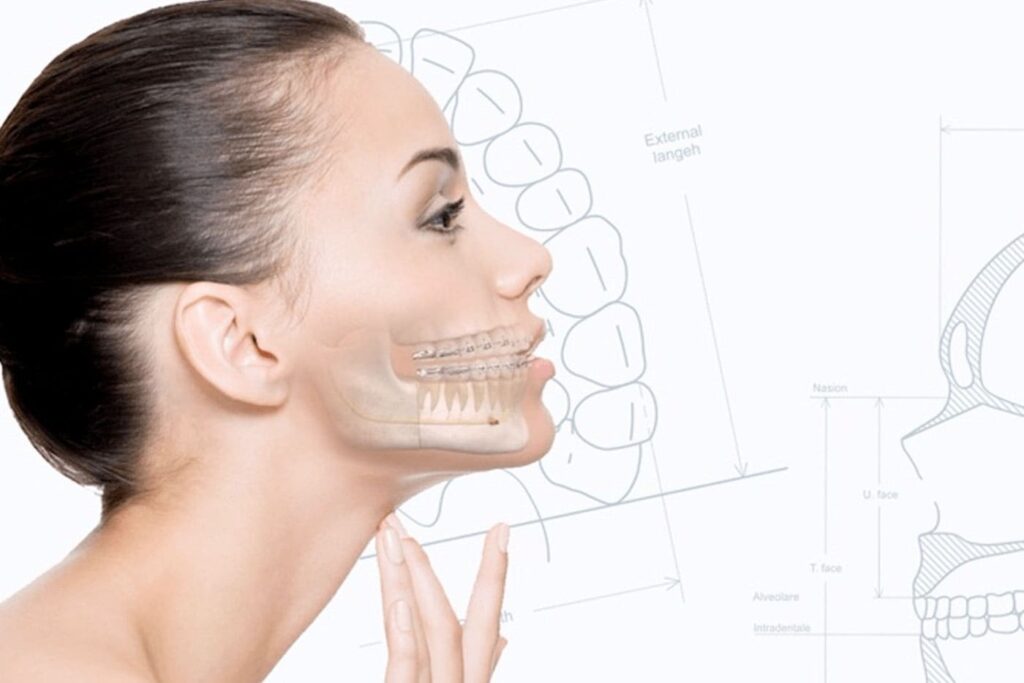
A common misconception is that orthodontics is purely a cosmetic field focused on straightening teeth. In reality, the term comes from the Greek words orthos (straight/correct) and odons (tooth), and it covers the three-dimensional relationship between teeth, jawbones, facial muscles, and the skull base.
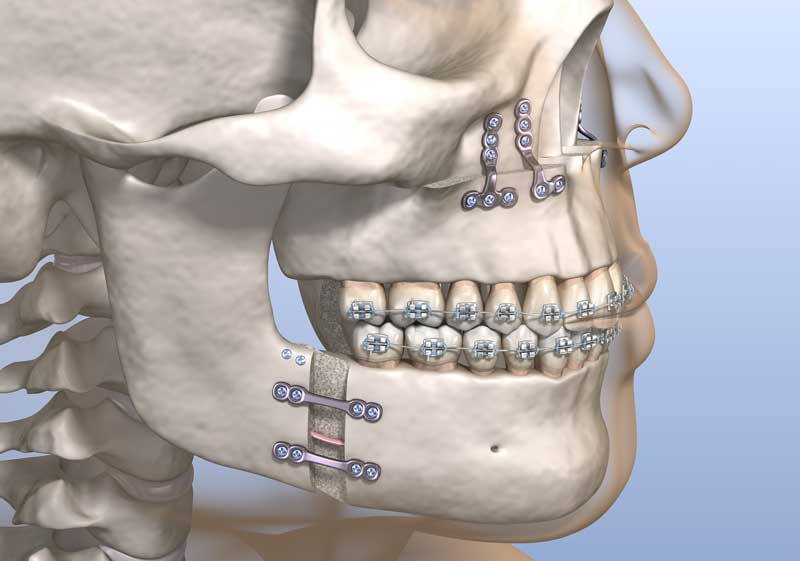
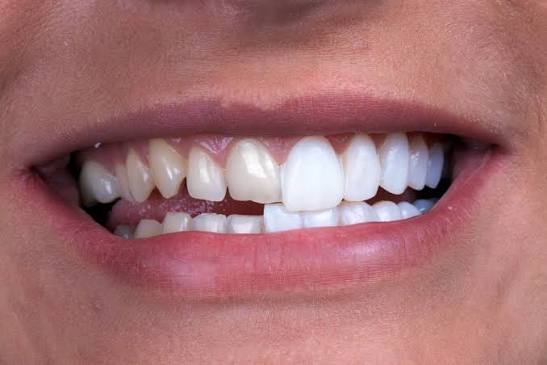
A deviation from normal dental and jaw alignment is called malocclusion. Even if teeth are white and healthy-looking, issues such as a protruding lower jaw, narrow upper jaw, or crowded teeth indicate a functional imbalance. Orthodontic treatment corrects these structural and functional problems using controlled biomechanical forces, restoring ideal harmony to the craniofacial system.
2. Five Critical Medical Reasons Why Orthodontic Treatment Is Necessary
If crooked teeth only caused aesthetic concerns, many people might ignore them. However, untreated misalignments act as silent disease triggers in the oral cavity. Here are the key medical reasons for orthodontic care:
A) Effective Oral Hygiene and Prevention of Cavities
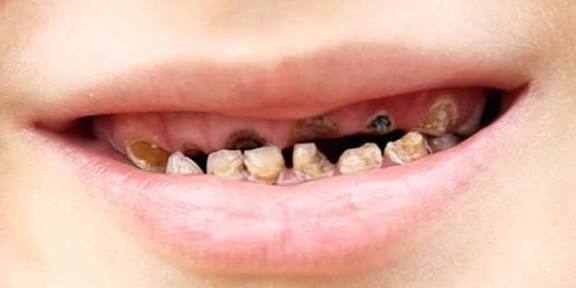
When teeth overlap, they create hidden areas that toothbrush bristles and dental floss cannot reach. These spaces quickly accumulate food debris and bacteria, leading to interproximal cavities and persistent tartar buildup. No matter how well you brush, these “blind zones” remain a risk unless corrected orthodontically.
B) Prevention of Gum Disease and Early Tooth Loss
Plaque accumulation in crowded areas can lead to gingivitis, characterized by bleeding, swelling, and bad breath. If untreated, it may progress into periodontitis, where the supporting bone structure is destroyed, eventually causing premature tooth loss.
C) Improved Chewing Function and Digestive Health
Digestion begins in the mouth. Teeth must properly grind food before it reaches the stomach. In patients with malocclusion, inefficient chewing places excessive strain on the digestive system, potentially contributing to gastritis, reflux, bloating, and other gastrointestinal disorders.
D) Correction of Speech and Phonetic Disorders
Proper articulation requires precise coordination between the tongue, lips, and teeth. Misalignment—especially open bites or protruding front teeth—can cause air leakage during speech, resulting in lisping or unclear pronunciation of sounds such as “S,” “Z,” “T,” and “F.”
E) Prevention of Abnormal Tooth Wear and Trauma
Misaligned bite forces place excessive pressure on certain teeth, leading to enamel cracks, uneven wear, and structural damage. Protruding teeth are also more vulnerable to fractures in case of accidents or impacts.
3. The Hidden Danger: Temporomandibular Joint (TMJ) Disorders and Teeth Grinding
One of the most serious long-term consequences of malocclusion is its impact on the Temporomandibular Joint (TMJ), located just in front of the ears. This joint and surrounding muscles coordinate every movement of the jaw.
Even a minor misalignment can shift the joint disc, leading to clicking sounds, restricted jaw movement, and chronic pain. Over time, this can cause tension headaches (often mistaken for migraines), neck and shoulder stiffness, and even tinnitus. The body may respond to this imbalance with involuntary teeth grinding (bruxism), especially during sleep. Orthodontic treatment helps restore proper alignment and removes this abnormal stress from the joint system.
4. Summary Table: Chronic Risks of Untreated Malocclusion
The table below summarizes how orthodontic problems translate into long-term health risks:
| Orthodontic Problem | Oral Manifestation | Long-Term Health Risk |
|---|---|---|
| Severe Crowding | Hidden areas inaccessible to brushing | Cavities, tartar buildup, periodontitis, tooth loss |
| Jaw Misalignment | Incomplete food breakdown | Reflux, gastritis, digestive disorders |
| Crossbite | Uneven chewing forces | Facial asymmetry, TMJ degeneration |
| Protruding Teeth | Lips cannot close properly | Trauma risk, dry mouth, throat infections |
| Gaps Between Teeth | Food impaction in gum areas | Bone loss, gum abscesses, speech disorders |
5. Is There an Age Limit? Orthodontics in Children, Teens, and Adults
One of the biggest myths is that orthodontic treatment is only for children. In modern dentistry, there is no age limit for orthodontics as long as bone tissue is healthy and responsive.
Early Orthodontics in Children
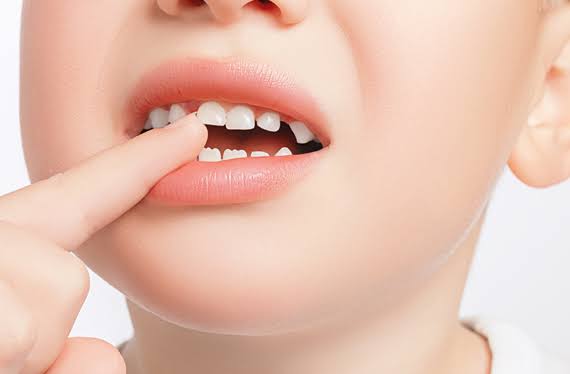
The American Association of Orthodontists recommends evaluation starting at age 7. The goal at this stage is not only alignment but monitoring jaw development. Early intervention can guide growth and correct skeletal issues without surgery.
Adult Orthodontics
Today, nearly 40% of orthodontic patients are adults. With modern technologies, treatment can be performed discreetly using nearly invisible systems, eliminating aesthetic concerns during the process.
6. Modern Solutions: Metal Braces, Sapphire Brackets, and Clear Aligners
Orthodontics has evolved into a comfortable and aesthetic experience. Common modern treatment options include:
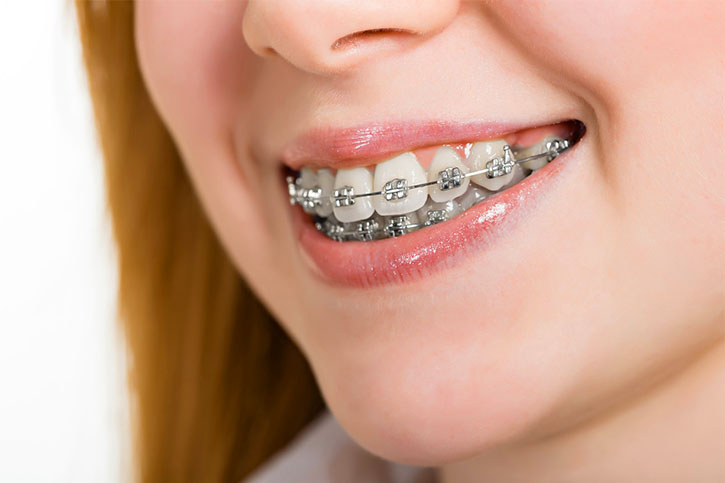
- Traditional Metal Braces: Highly effective, durable, and economical systems with reduced bracket sizes.
- Ceramic/Sapphire Brackets: Tooth-colored or transparent, making them nearly invisible in social settings.
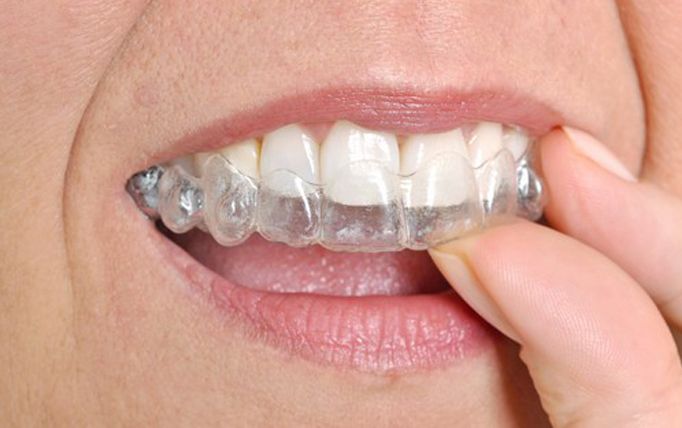
- Clear Aligners (Invisalign-type systems): Removable, custom-made aligners designed digitally. They offer maximum comfort and aesthetic discretion.
7. Why Choose OPC Clinic? Digital Dentistry and Premium Comprehensive Care
Orthodontic treatment is not just about moving teeth—it involves redesigning facial aesthetics, smile profile, lip support, and jaw harmony. Improperly planned treatments can lead to root damage or TMJ issues.
:contentReference[oaicite:0]{index=0} applies a fully digital workflow in orthodontic care. Instead of traditional impression materials, 3D intraoral scanners are used. Patients can even preview their final smile through digital simulation before treatment begins. Using 3D CBCT imaging, orthodontists determine safe movement limits with micron-level precision. The result is not just straight teeth, but a fully harmonized, functionally safe, and aesthetically balanced smile design.
8. Frequently Asked Questions (FAQ)
How long does orthodontic treatment take?
Treatment duration typically ranges from 8 to 24 months depending on severity, age, and skeletal conditions. Mild cases with clear aligners may finish within 6 months.
Does orthodontic treatment cause pain?
A mild pressure or soreness for 2–3 days after adjustments is normal and indicates tooth movement. Severe pain is not expected.
Are clear aligners as effective as braces?
Yes. With modern CAD/CAM technology, clear aligners can perform most orthodontic movements effectively, provided they are worn 20–22 hours daily.