The Relationship Between Jaw Surgery and Oral Health: The Importance of a Strong Foundation
Are you ready to discover the invisible hero behind a healthy smile? Explore the critical role of jaw surgery in your oral health—not only for aesthetics but also for flawless function—with the expertise of OPC Clinic.
Why Are Oral Health and Jaw Anatomy Connected?
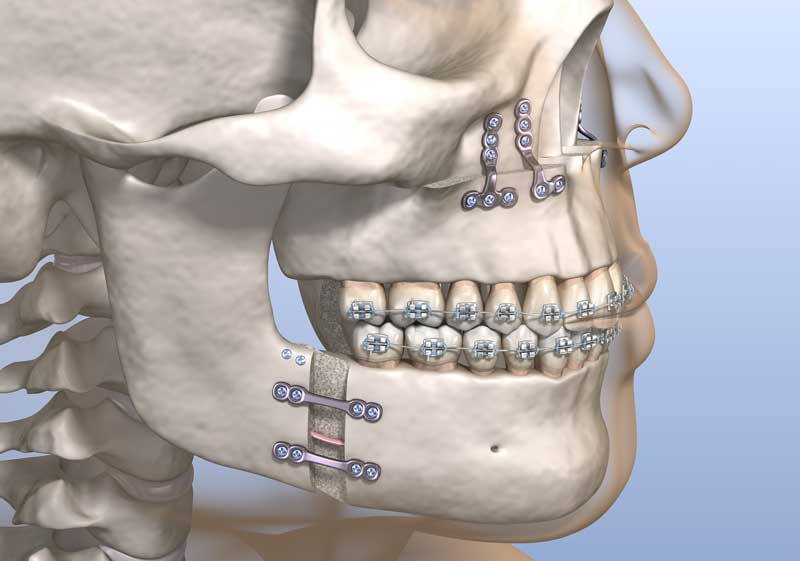
Our mouths are the starting point of the digestive system. The act of chewing requires the lower and upper jaws to function in perfect harmony. If there is a developmental disorder, bone loss, or asymmetry within the jaw joint, this condition directly affects your teeth and gums.
For example, an individual whose upper and lower jaws do not close properly (malocclusion) cannot grind food efficiently. This condition not only causes digestive problems but also leads to excessive force on certain teeth, enamel cracks, and gum recession. Jaw surgery restores this mechanical balance, improves the mouth’s natural self-cleaning capacity, and helps prevent tooth loss.
💡 The OPC Clinic Approach: The Power of Comprehensive Diagnosis
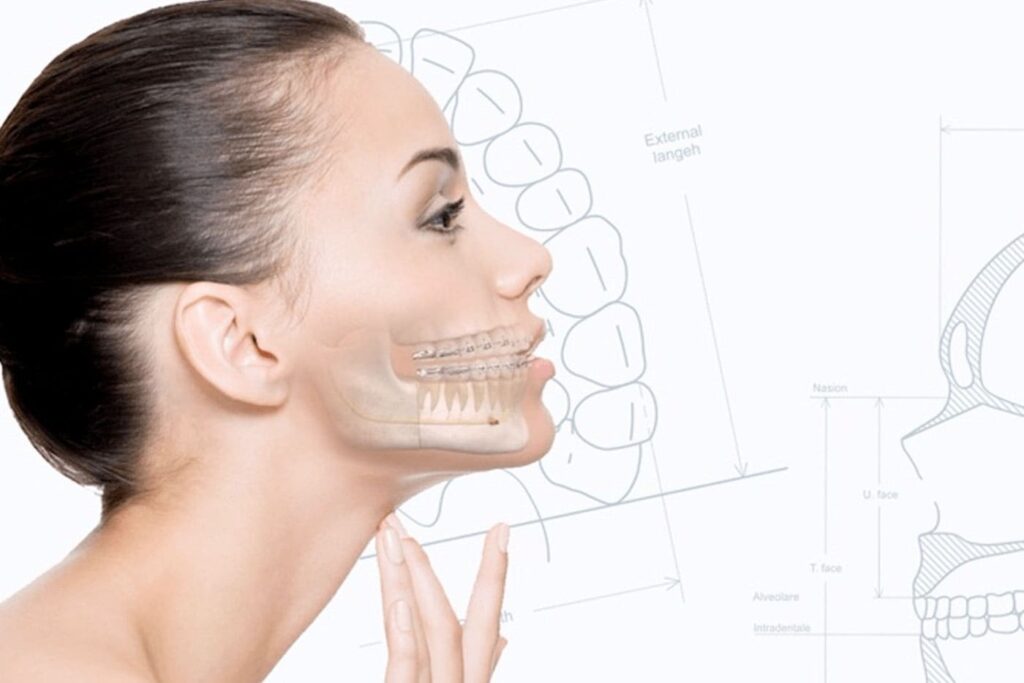
For patients who visit our clinic, we do not focus solely on the tooth causing the complaint. Using our 3D dental tomography (volumetric tomography) systems, we analyze jawbone density, nerve pathways, and joint integrity. This is because we know that the underlying cause of recurring gum diseases or persistent pain is often an invisible anatomical issue that falls within the field of jaw surgery.
Direct Effects of Jaw Problems on Oral Health
Understanding the damage that different jaw conditions can cause to your teeth is extremely valuable for recognizing the importance of early intervention. Here are the most common clinical scenarios:
| Jaw Problem (Surgical Condition) | Negative Impact on Oral and Dental Health |
|---|---|
| Impacted Wisdom Teeth | They create crowding by pushing against healthy adjacent teeth. Because they cannot erupt properly, they form bacterial pockets and lead to severe decay. |
| Temporomandibular Joint (TMJ) Dysfunction | Causes one-sided chewing due to pain. This results in heavy tartar accumulation, plaque formation, and gum disease on the less frequently used side. |
| Jawbone Loss (Osteoporosis) | Prevents tooth roots from finding adequate support. This may result in the loss of healthy, cavity-free teeth due to mobility. |
| Orthognathic Asymmetry (Bite Disorder) | Uneven force distribution on the teeth leads to enamel wear, cracking, and severe sensitivity. |
In Which Situations Is Jaw Surgery Needed?
The primary jaw surgery procedures used to secure your oral health are modern interventions that directly improve your quality of life. These procedures include:
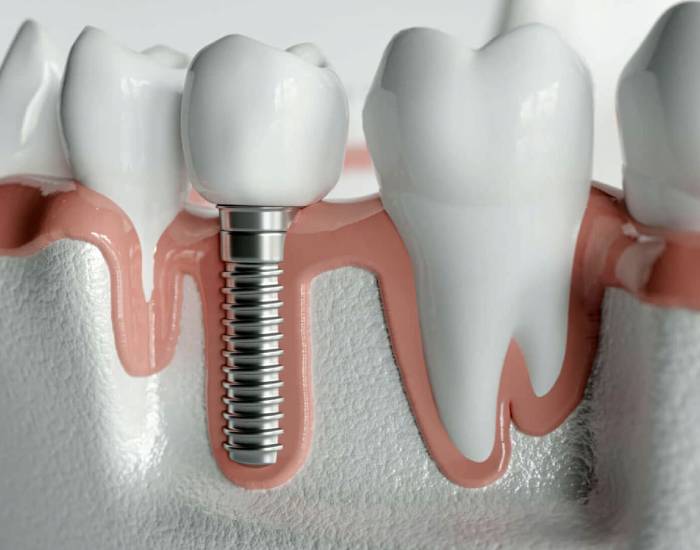
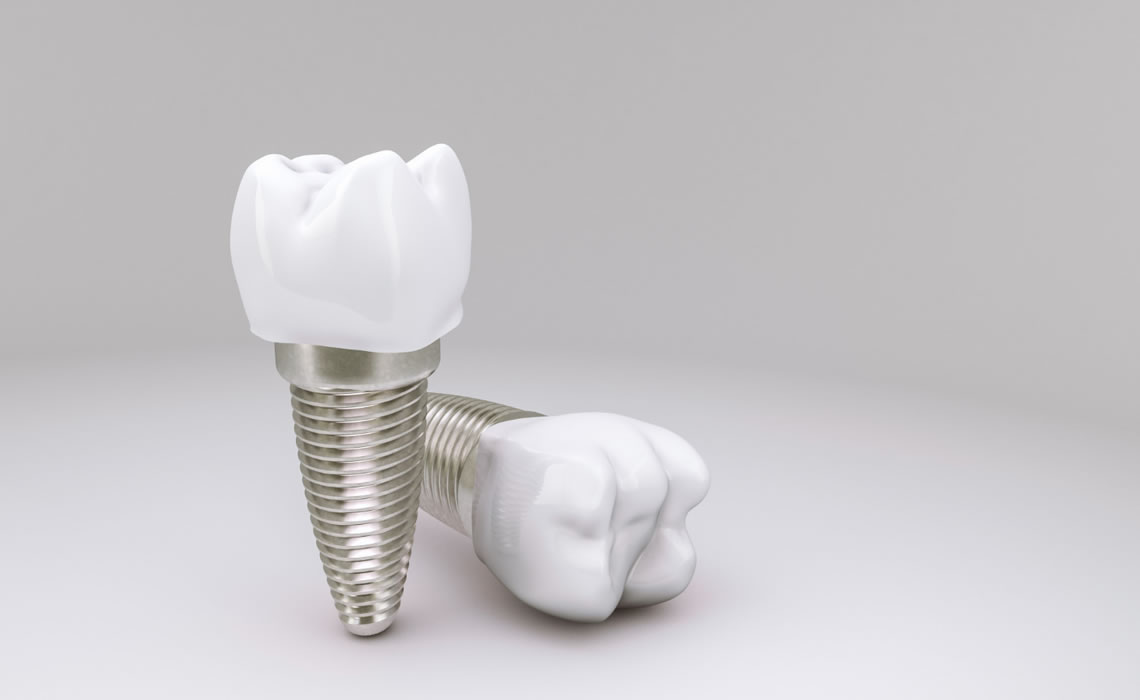
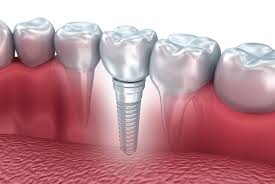
- Dental Implant Applications: Replacing missing teeth is not merely an aesthetic procedure. After a tooth extraction, the jawbone beneath it begins to resorb over time. Implant surgery places titanium roots into the bone, stopping this resorption and preserving the jaw’s structure.
- Cyst and Tumor Operations: Cysts that silently grow around tooth roots or within the jawbone can gradually destroy the roots of surrounding healthy teeth. Surgical removal of these lesions helps preserve neighboring teeth.
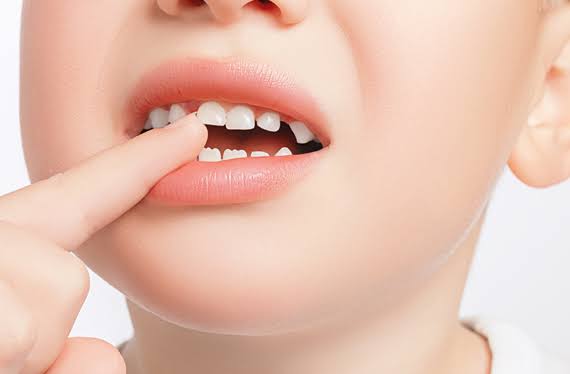
- Impacted Tooth Extractions: This procedure involves the professional removal of teeth—most commonly wisdom teeth—that remain trapped beneath the gum tissue or bone due to insufficient space in the jaw, while minimizing damage to surrounding tissues.
- Sinus Lift and Bone Graft Augmentation: In cases where the upper jaw lacks sufficient bone volume, surgical bone augmentation is performed to enable implant placement. This procedure restores chewing function effectively.
Frequently Asked Questions About Jaw Surgery (FAQ)
Surgical procedures can sometimes create concerns for our patients. We shed light on the most frequently asked questions using current medical evidence:
Are jaw surgery procedures difficult and physically demanding?
In modern dentistry, local anesthesia, sedation, or general anesthesia when necessary are used, ensuring that no pain is felt during the procedures. Thanks to our experienced team of specialists, surgical operations are completed comfortably and efficiently, while the recovery process involves minimal swelling.
Can jawbone loss be stopped?
Yes, it can be stopped and even reversed. The jawbone continuously renews itself as long as it receives stimulation through chewing pressure. Bone loss following tooth extraction can be halted and restored to its healthy form through the use of bone graft materials and implant surgery.
My impacted wisdom tooth does not hurt. Should it still be removed?
The absence of pain does not necessarily mean that it is harmless. Impacted teeth can silently exert pressure on the roots of adjacent healthy teeth or form cysts around them. If radiographic examinations performed at our clinic reveal a risky position, preventive removal may be recommended to avoid more serious oral health problems in the future.
Conclusion: A Strong Foundation Creates Lifelong Smiles
Oral health is a complex and interconnected biological system that cannot be reduced solely to brushing routines. The integrity of your jawbone, the harmony of your joints, and the health of your tissues are the true architects behind the beautiful smile you will proudly carry for years. Jaw surgery exists to preserve this architecture and restore damaged structures in the most natural and functional way possible.
There is no need to postpone treatment for tooth loss, persistent joint pain, or the discomfort caused by impacted teeth. At OPC Clinic, with our advanced surgical techniques, state-of-the-art technology, and highly qualified team of specialists, we are here to build the foundation of your oral health with confidence. Schedule your first consultation today and take the first step toward a healthy, functional life built on a solid foundation.