Which Age Groups Do Pediatric Dentists Treat?
Pediatric dentistry, known medically as pedodontics, is a specialty branch that monitors the oral, dental, and jaw development of individuals across a wide age range starting from infancy up to the end of adolescence. To draw a general framework, the period from zero to fourteen or sixteen years of age constitutes the primary area of interest for pediatric dentists. This long period is a multifaceted phase during which human anatomical development is at its most intense, jawbones are shaped, and primary teeth erupt and give way to permanent teeth. Because childhood possesses different physical and psychological dynamics compared to adulthood, the approach to this age group also incorporates special methods of its own. The goal is not merely to restore emerging cavities, but also to support the natural development of the oral structure, detect jaw disharmonies early, and instill correct lifelong oral care habits in individuals. By forming the foundation of preventive dentistry philosophy, this approach enables individuals to achieve healthy chewing, speech, and aesthetic profiles in their later years.
What Age Ranges Does Pedodontics (Pediatric Dentistry) Cover?
Pedodontics covers a fairly broad age range that starts from birth and continues until the end of adolescence, and this process is divided into different anatomical developmental stages within itself. Since each stage harbors unique oral health needs and dental development characteristics, the dentists’ approach is shaped according to the cognitive and physical level of the child’s age. It is generally possible to categorize these periods as infancy, preschool, school age, and adolescence.
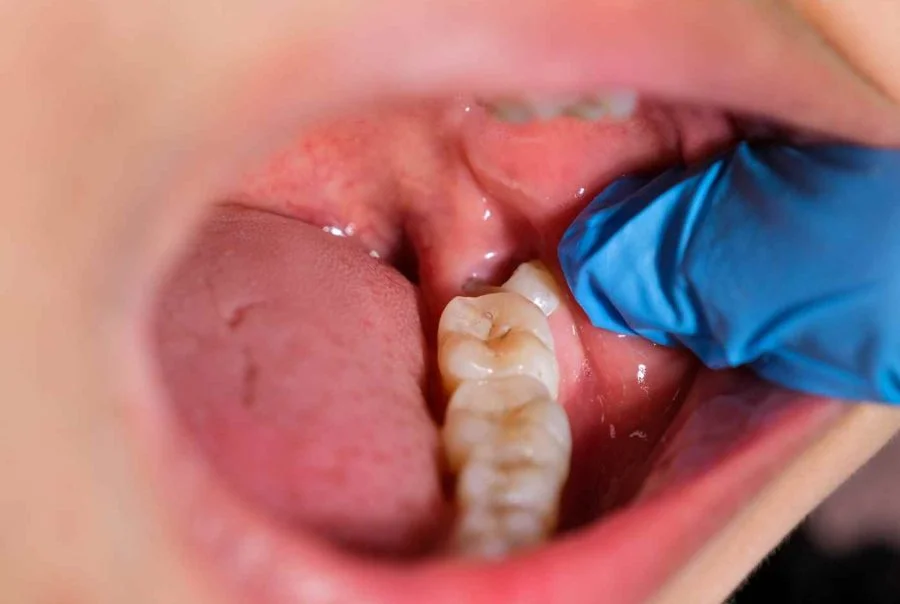
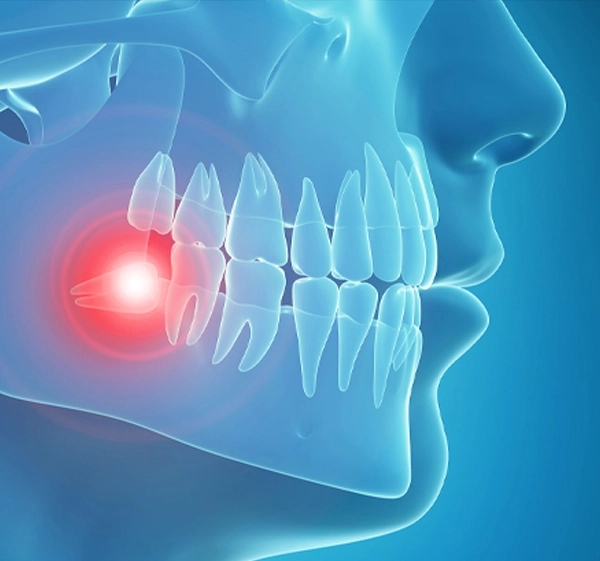
The infancy period is typically the first stage where dental check-ups come to the agenda as the first primary teeth begin to appear in the mouth, usually around the sixth month. The following preschool period (ages 2–6) is the timeframe when the primary dentition is completed and chewing functions are actively utilized. Since children’s fine motor skills are not yet fully developed at these ages, parents play a major role in the care process. The school age (ages 6–12) is the “mixed dentition” period where both primary teeth and permanent teeth coexist in the mouth. This process represents the most active time for jaw development and tooth transitions. In the adolescence period starting after twelve years of age, almost all primary teeth generally give way to permanent teeth; however, the development of wisdom teeth and the effects of hormonal changes on the gums remain under the monitoring of dentists.
| Developmental Period | Age Range | Key Focus Areas and Expectations |
|---|---|---|
| Infancy Period | 0 – 2 Years | Eruption of the first tooth, bottle feeding habits, early caries risk analysis, cleaning of intraoral tissues. |
| Preschool Period | 2 – 6 Years | Completion of all primary teeth, control of habits like thumb sucking and pacifier use, establishing a brushing routine. |
| School Age (Mixed Dentition) | 6 – 12 Years | Shedding of primary teeth and emergence of permanent teeth, eruption of six-year molars, checks for jaw narrowness. |
| Adolescence Period | 12 – 16 Years | Completion of the permanent dentition, evaluation of orthodontic needs, protection against sports injuries. |
Why Are Dental Check-Ups Important During Infancy?
Initial clinical visits during infancy are of great importance for conveying correct care and nutrition practices to parents during a delicate period when teeth are just beginning to erupt. Contrary to common belief in society, waiting for all of the child’s teeth to emerge or for a problem to occur before visiting a dentist contradicts the principles of preventive medicine. Evaluations conducted with the eruption of the first primary tooth or by the first birthday help determine whether there is any unusual condition in the baby’s oral structure.
During these early check-ups, dentists examine the baby’s dental arches and evaluate whether the tongue and lip frenulums pose any obstacle to feeding. At the same time, the negative effects that night feeding can leave on tooth surfaces are shared with the family. Because salivary flow slows down during sleep, natural sugars in milk consumed at night remain on the teeth for extended periods, paving the way for early childhood caries. In this first session, the dentist practically demonstrates how to perform cleaning using a moist gauze pad or finger toothbrush, guiding parents so the baby grows up with a clean mouth.
What Areas Does a Pediatric Dentist Focus on During the Preschool Period?
During the preschool period, which spans ages two to six, the primary focus of the pediatric dentist is protecting primary teeth from decay, helping the child adapt to the clinical environment, and identifying and managing adverse habits that could affect jaw development. During this stage, twenty primary teeth have taken their place in the mouth, and the child has started eating solid foods and actively speaking.
This is a period when children explore the world and are open to curiosity as well as anxiety. For this reason, pedodontists use special behavior guidance techniques such as “Tell-Show-Do” when communicating with children. The instruments to be used are introduced as if they were part of a game. On the physical examination side, the presence of habits such as thumb sucking, lip biting, mouth breathing, or prolonged bottle use is evaluated. Indeed, thumb sucking that continues after four years of age can lead to the upper jaw being pushed forward and narrowing of the palate structure. The dentist provides pedodontic counseling to the family so these habits can be given up through a gentle transition.
How Do Oral and Dental Care Processes Progress in School-Aged Children?
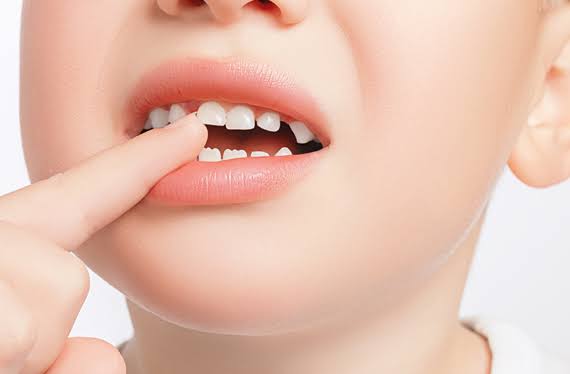
The school-age period, which begins around six years of age, is a mixed dentition stage where primary teeth loosen and fall out to make way for lifelong permanent teeth, requiring meticulous oversight during care processes. In this age group, both primary teeth and newly erupted young permanent teeth coexist in the mouth.
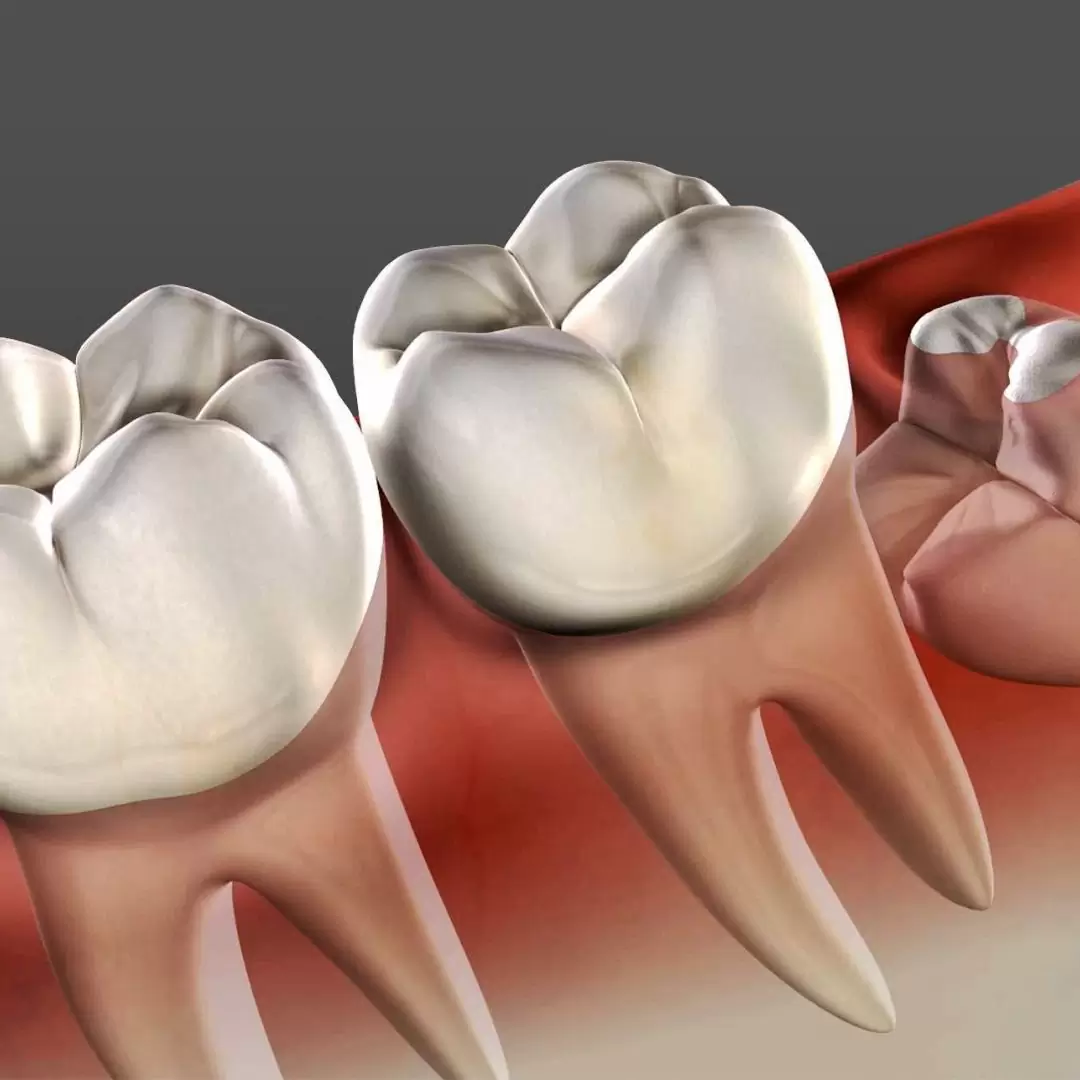
One of the most critical stages of this period is the eruption of the “first permanent molars” around six years of age, which emerge from the rearmost region without replacing any falling primary teeth. Many families may neglect their care, assuming these are primary teeth that will eventually fall out. However, six-year molars are the cornerstones of the chewing system. Pedodontists apply protective sealants (fissure sealants) to make the deep grooves (fissures) of these newly erupted teeth cleanable and protect them from decay, planning interventions that strengthen tooth enamel. At the same time, whether the permanent teeth emerging beneath falling primary teeth fit into the dental arch and whether they create crowding are closely observed during this stage to gather data for early orthodontic evaluations when necessary.
Points to Consider During the Mixed Dentition Period:
- Monitoring Loose Teeth: Premature or delayed loss of primary teeth can alter the eruption pathway of the underlying permanent tooth.
- Protecting Six-Year Molars: Since these teeth erupt at the very back where brushing is difficult, they require special attention and preventive care.
- Dietary Habits: The increase in packaged and sticky foods accessed from school canteens increases acid attacks; therefore, water consumption and mouth-rinsing habits should be encouraged.
Why Does the Dental Health of Adolescents Fall Under the Pediatric Dentist’s Domain?
Although the adolescent period, spanning ages twelve to sixteen, is a stage where the permanent dentition is largely complete, it remains within the field of pediatric dentistry due to the impact of hormonal changes on oral tissues and ongoing active jawbone growth.
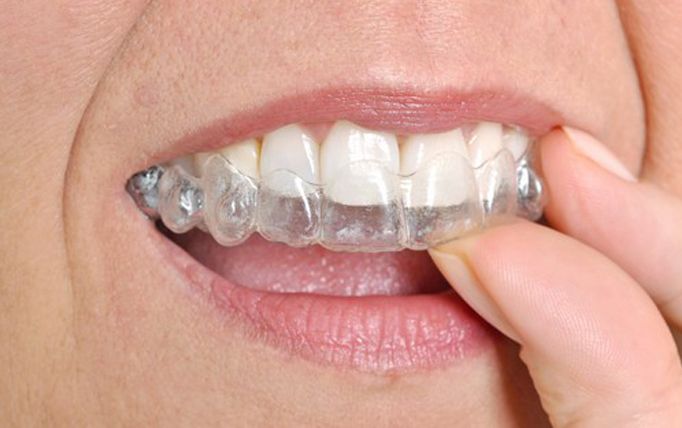
In individuals of this age group, gums may react more sensitively than usual to bacterial plaque due to hormonal fluctuations; this condition is termed puberty gingivitis. Re-emphasizing proper brushing techniques and keeping motivation high come to the fore during this stage. Adolescence is also a period when sports activities intensify; falls and impacts during sports such as basketball, cycling, or rollerblading can bring about dental trauma. Pedodontists aim to prevent such mechanical injuries by preparing custom protective mouthguards for active youths. Furthermore, in this period of heightened aesthetic concerns, identifying alignment irregularities in the teeth and providing appropriate referrals is valuable for adolescents’ social self-confidence.
Why Should the Treatment of Primary Teeth Not Be Neglected?
The fact that primary teeth will eventually fall out does not mean they can be abandoned to decay; on the contrary, these teeth must be treated to ensure proper chewing function, correct pronunciation of words, and, most importantly, to preserve the space for the underlying permanent teeth.
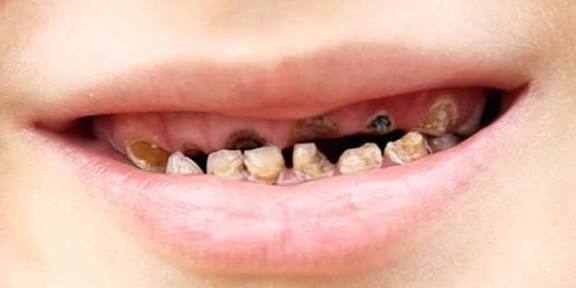
When a primary tooth becomes inflamed due to deep decay, the infection can seep through the root tip and damage the structural form of the developing permanent tooth germ underneath or cause permanent discoloration on the tooth enamel. A child experiencing pain while chewing may avoid eating hard, nutritious foods and develop a habit of chewing on one side, leading to asymmetrical development of the jaw muscles and joint. Premature loss of a primary tooth lays the groundwork for far more complex skeletal problems. When a primary tooth is extracted early, adjacent teeth tend to tilt into that gap, blocking the pathway where the permanent tooth should erupt. Premature loss of primary teeth lies at the root of many dental crowding cases. For these reasons, maintaining primary teeth in the mouth until their natural time of shedding is a medical priority.
What Are the Primary Causes of Childhood Tooth Decay?
At the root of childhood tooth decay lie thin enamel structure, nighttime feeding habits, diets heavy in carbohydrates and refined sugars, and inadequate plaque removal (brushing). Anatomically, primary teeth contain more organic matter than permanent teeth and have thinner enamel layers, making them far more vulnerable to acidic destruction.
Saliva is a natural defense mechanism that neutralizes acid in the mouth. However, salivary flow slows down during sleep. Juices, sweetened milk consumed before bedtime, or sticky foods (crackers, caramel, chips) frequently snacked on during the day adhere to tooth surfaces. Bacteria naturally present in the mouth break down these residues and produce acid. The produced acid dissolves calcium and phosphate minerals in the thin primary enamel, causing cavities to form. To slow down caries development and establish a healthy oral flora, it is essential to regulate eating habits, increase water consumption, and make mechanical cleaning with fluoride toothpaste a daily routine.
What Behavior Management Techniques Do Pediatric Dentists Use?
Pediatric dentists employ various behavior management techniques—such as “Tell-Show-Do,” voice control, distraction, and positive reinforcement—tailored to psychological development stages to ensure their young patients feel comfortable in the clinical setting and do not develop fear.
It is a very natural process for children to feel cautious about things they do not know. In the “Tell-Show-Do” technique, the dentist explains the procedure to be performed in simple, fun language that the child can understand (for example, introducing the air sprayer as a “wind machine”). Next, they demonstrate how this instrument works on the child’s hand or fingernail. In the final stage, they perform the same procedure in the mouth. In this way, the unknown is eliminated. Watching cartoons or chatting about favorite topics during the procedure helps distract attention, while small rewards or bravery medals given at the end allow the child to return for the next visit much more enthusiastically. Centers such as Opc Klinik, which understand the sensitivities of children and families, aim to manage this process on a compassionate foundation of communication.
What Do Preventive Dentistry Applications Include?
Preventive dentistry procedures consist of topical fluoride applications aimed at increasing tooth resistance before decay occurs and fissure sealants (protective fillings) that smooth out indented tooth surfaces. These approaches represent the most strategic steps taken for the long-term protection of oral health during childhood.
Fluoride applications incorporate into the building blocks of tooth enamel, making the tooth more resistant to acid attacks. Fluoride gels or varnishes applied to tooth surfaces by the dentist at specific intervals based on the child’s caries risk profile support the remineralization of weakened enamel. Fissure sealants, on the other hand, are used to seal deep grooves on the chewing surfaces of rear molars. Food accumulation in these grooves, which are too narrow for toothbrush bristles to reach, is thus prevented. Applied without removing any material from the tooth surface, these transparent or white protective coatings encase the tooth like a shield, broadly preventing food residue accumulation.
| Preventive Application | Purpose and Function | Application Method |
|---|---|---|
| Fluoride Varnish / Gel | Strengthening tooth enamel, reducing calcium dissolution, and repairing initial decay. | Applied to tooth surfaces using small brushes; dries in a short time. |
| Fissure Sealant | Sealing grooves on molar teeth to prevent plaque and bacterial accumulation. | A fluid material is applied to the tooth surface and hardened with a special light. |
| Space Maintainers | Preserving the space of prematurely lost primary teeth until the permanent tooth erupts. | Small removable or fixed appliances custom-made according to the patient’s impressions. |
What Approach Does Opc Klinik Offer to Families in the Kozyatağı Region?
Focusing on serving families and their children in the Kozyatağı region, Opc Klinik adopts a warm, communication-based, and explanatory approach to break children’s prejudices toward the dentist’s chair and ease their minds.
A child’s perception of the clinical environment as a friendly space supporting their health rather than a stress factor affects their lifelong medical attitudes. To provide this environment of trust required by patients in the Kozyatağı area, Opc Klinik operates with a system that adapts to children’s pace and transparently shares procedural steps with parents. Unhurried introductory sessions allow parents to receive detailed information about their children’s nutrition and care routines. In this way, strong communication established between the dentist and the family allows children’s oral health processes to proceed on a far more efficient and collaborative foundation.
What Is the Role of a Pediatric Dentist in Dental Trauma?
In dental trauma, the role of the pediatric dentist is to quickly analyze the condition of impacted tissues radiographically and clinically, and to form an emergency action plan by providing appropriate intervention for broken or displaced teeth to prevent both aesthetic and functional losses.
The active lifestyles of growing children frequently bring dental trauma into picture. Falls, impacts, or sports injuries can result in tooth fractures, loosening, or intrusion of the tooth into the jawbone. If a permanent tooth has been completely avulsed (knocked out), it is critical for the family to hold the tooth by its crown—without touching the root—and transport it quickly to the dentist stored in milk or saliva. Pedodontists monitor the vitality of the nerve tissue in traumatized primary or permanent teeth, supporting the healing process by splinting the tooth to adjacent teeth when necessary. In trauma cases, racing against time is vital for preserving tissue vitality.
What Are the Effects of Thumb Sucking and Pacifier Use on Jaw Development?
While thumb sucking and prolonged pacifier use are soothing reflexes in infancy, continuing these habits—especially after three to four years of age—applies constant mechanical pressure on jawbones and erupting teeth, leading to skeletal deformities.
A pacifier or finger creates a continuous vacuum effect inside the mouth. This causes the upper palatal arch to deepen and narrow laterally into a V-shape. Concurrently, upper anterior teeth are pushed forward while lower anterior teeth are pushed backward. This creates an “open bite” condition where upper and lower front teeth fail to contact each other. An open bite can cause a child to lisp certain sounds, prevent complete lip closure, and cause tongue thrusting during swallowing. Keeping the psychological aspect of these habits in mind, pediatric dentists assist in relinquishing these reflexes without putting pressure on the child, using suitable appliances when necessary.
In Which Situations Is Primary Tooth Extraction Indicated?
Primary tooth extraction comes to the agenda when a tooth cannot be maintained in the mouth through methods such as root canal treatment or fillings due to deep decay, when infection risks damaging the underlying permanent tooth germ, or when an emerging permanent tooth approaches from a different direction without resorbing the primary tooth’s root.
Dentists’ priority is always to preserve the tooth in the mouth; however, when advanced infections reach a level that affects the child’s general health, extraction may be decided. The most critical issue after extraction is preserving the created space. This is because primary molars serve as space maintainers until permanent teeth arrive. When an early extraction is performed, dentists place appliances called “space maintainers” in that gap to prevent adjacent teeth from tilting, thereby preventing future crowding and potential orthodontic problems.
How Can Children Be Taught Brushing Habits?
Instilling tooth brushing habits in children is successfully managed through parents acting as role models, gamifying the process, letting children choose their own toothbrushes and toothpaste, and using motivational charts to establish a routine.
Children learn by imitation. Parents standing in front of the mirror and brushing together with their children shows them that this process is a normal part of daily life. Transforming the task into games such as “chasing away little germs on teeth” boosts motivation rather than making it feel like a chore. Two-minute hour-glasses or favorite songs can be used to make brushing duration fun. Another key point is fine motor skills. Until around six to seven years of age, children’s dexterity may not be sufficient to clean all tooth surfaces effectively. Therefore, after allowing the child to try on their own, it is essential for parents to gently complete the detailed cleaning to ensure proper oral health.
How Are Dental Treatments Managed for Children with Special Needs?
Dental treatments for children with special needs are delicate processes managed with great patience, compassion, and, when necessary, a multidisciplinary medical approach suited to individuals with physical, mental, or emotional developmental differences.
Children with special conditions such as autism, Down syndrome, or cerebral palsy may have differences in oral-muscle coordination, dietary habits, and medication use. Routine brushing for these children can sometimes be challenging, which increases caries risk. Pedodontists educate families on special care techniques while adjusting the clinical environment to accommodate sensory sensitivities (such as light and sound). When cooperation cannot be achieved, sedation or general anesthesia under hospital conditions with anesthesiologists is utilized so treatments can be completed comfortably while the child is asleep without experiencing trauma.
Frequently Asked Questions (Patient and Family Information)
1. When should I take my child to the dentist for the first time?
Scheduling the first introductory appointment when the first primary tooth begins to appear in the mouth or by your child’s first birthday is considered appropriate for establishing preventive care habits early on.
2. Does decay in primary teeth spread to the underlying permanent teeth?
Decay in a primary tooth does not directly jump to the underlying permanent tooth; however, if decay progresses and turns into an infection at the root tip, this inflammatory environment can cause structural or color damage to the developing permanent tooth germ underneath.
3. When should I start brushing my child’s teeth?
Cleaning should begin as soon as the first tooth appears in the mouth. Initially, teeth should be wiped using only water with a clean gauze pad or finger toothbrush, and later age-appropriate toothbrushes should be introduced.
4. Is fluoride application harmful?
Topical fluoride varnishes applied to tooth surfaces by dentists in a clinical setting based on the child’s age and weight are safe because they are not swallowed systemically, and they are valuable for strengthening enamel.
5. At what age should my child be for braces (orthodontic treatment)?
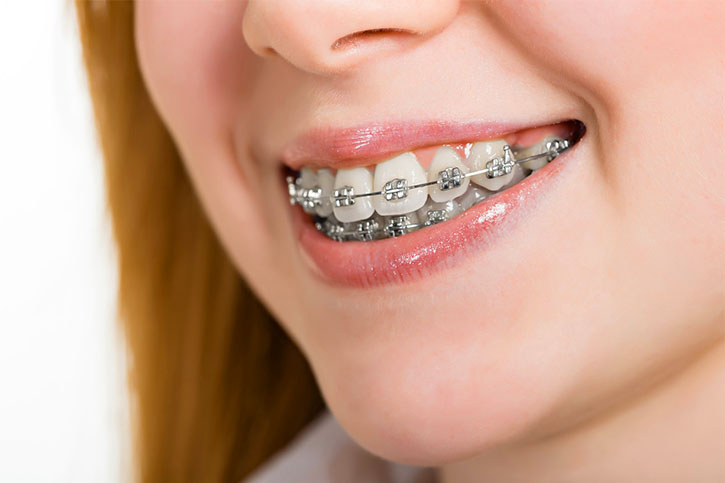
Orthodontic evaluations usually begin during the mixed dentition period around ages 7–8. If skeletal jaw problems exist, early intervention with functional appliances can be performed; for dental alignment issues alone, waiting until all permanent teeth erupt (around age 12) may be preferred.
6. My child grinds their teeth at night, what should I do?
Teeth grinding (bruxism) is frequently seen during the mixed dentition period and can be part of the process of teeth adapting to their new positions. Unless there is excessive wear or jaw pain, it is generally monitored, and protective night guards can be recommended by the dentist if necessary.
7. Can primary teeth receive root canal treatment?
Yes, in cases where decay reaches the nerve layer (pulp) of the tooth, root canal treatment (pulpotomy/pulpectomy) procedures tailored to the primary tooth’s anatomical structure can be performed to preserve the tooth in the mouth.
8. What is a six-year molar, and why does it not fall out?
The six-year molar is the first permanent molar that erupts behind the rearmost primary molars without replacing any falling primary tooth. Because it is meant to remain in the mouth for a lifetime, protecting it with fissure sealants after eruption is highly important.
9. How can baby bottle tooth decay (early childhood caries) be prevented?
You can prevent this condition by avoiding bottle-feeding milk or fruit juice after your baby falls asleep at night, and by wiping or brushing tooth surfaces with water after night feedings once teeth erupt.
10. My child fell and broke a tooth, what should we do?
First, stay calm and try to find the broken piece. Preserve the piece in a moist environment (such as milk or water) and consult a dentist as soon as possible; the broken fragment can often be reattached to the tooth using special materials.
11. What features should we look for when choosing toothpaste?
Depending on the child’s age and spitting ability, pediatric toothpastes containing an appropriate level of fluoride recommended by your dentist should be used, taking swallowing risks into consideration. Up to three years of age, smear-sized (rice grain size) usage is recommended.
12. Is the tooth etched/abraded during fissure sealant application?
No, during fissure sealant application, no tooth structure is removed or drilled. Fluid material is applied over the natural grooves to smooth the surface, making the procedure very comfortable.
13. Do dental X-rays pose a risk for children?
Current digital radiography technologies emit very low levels of radiation. Radiographic images acquired using protective lead aprons are necessary diagnostic tools for detecting intraosseous cysts or hidden interproximal decay.
14. What can parents do to help overcome dental anxiety?
Prior to the appointment, avoid using negative phrases like “there is nothing to be afraid of” or “you won’t get a shot.” Explaining the visit simply as an introductory session to count their teeth creates a neutral expectation in the child’s mind.
15. What products should be used when spaces between teeth close?
When contact points between children’s teeth tighten, adding age-appropriate and practical flossing picks into the daily routine with parental help is of great importance to prevent interproximal decay and maintain interdental health.