One of the most common questions patients considering dental implants ask is:
“How long does a dental implant last?”
The short answer is:
A successfully placed and properly maintained dental implant can remain in the mouth for decades, and in many cases, for a lifetime. However, the lifespan of an implant is not determined solely by the implant brand. Treatment planning, surgical execution, prosthetic design, and the patient’s oral hygiene habits are just as important as the implant itself.
Are Dental Implants a Permanent Solution?
Today, dental implants are considered one of the most successful long-term treatment options in dentistry. Scientific studies show that many implants can function successfully for more than 20 years. In fact, patients who maintain good oral hygiene and attend regular check-ups often keep their implants functioning without problems for a lifetime.
For this reason, implants are considered one of the longest-lasting solutions for replacing missing teeth.
Which Needs Replacement First: The Implant or the Tooth on Top?
Many patients assume that the implant itself will eventually need to be replaced.
In reality, it is far more common for the restoration attached to the implant to require maintenance or replacement rather than the implant itself.
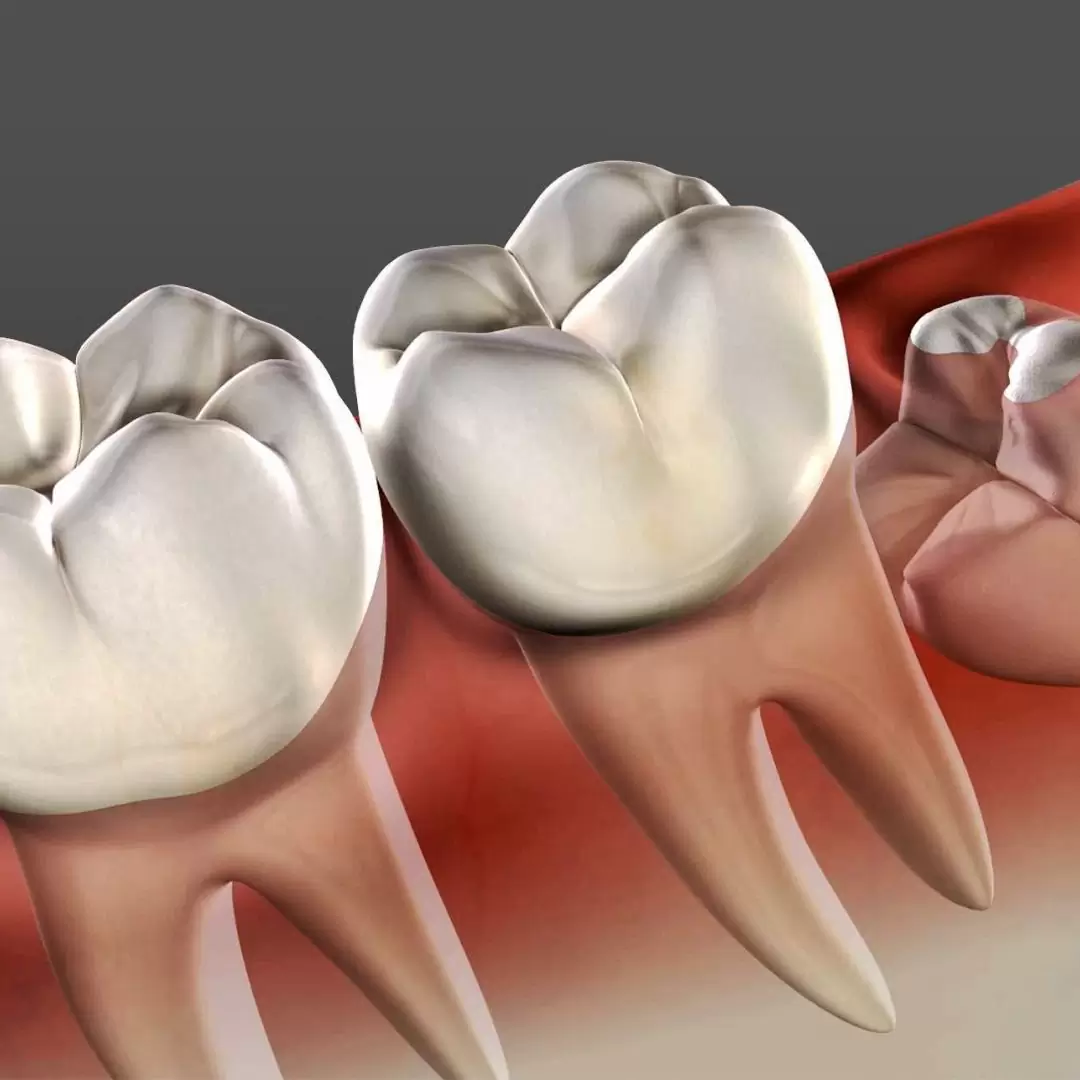
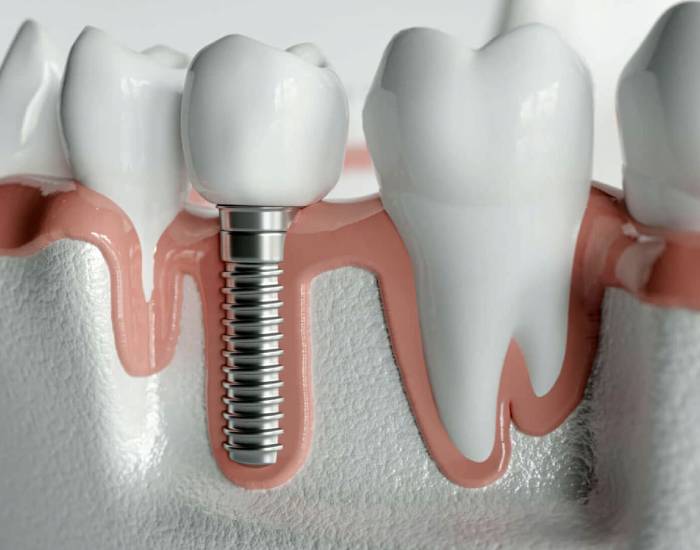
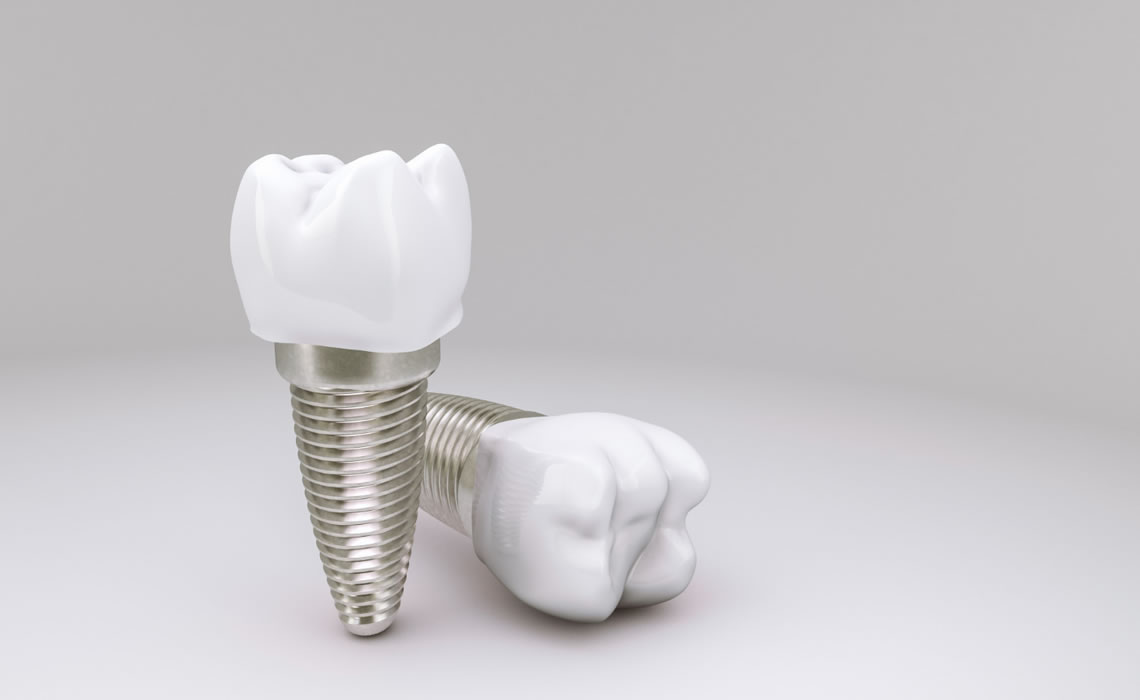
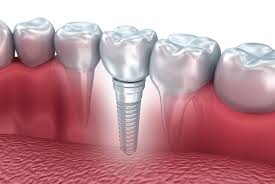
The implant is a titanium or titanium-alloy artificial root placed inside the jawbone.
The restoration on top may include:
- Zirconia crowns,
- Porcelain crowns,
- Bridges,
- Hybrid prostheses.
Over the years, these restorations may wear down or require renewal.
In most cases, the implant remains in place while only the upper restoration is replaced.
What Factors Affect the Lifespan of a Dental Implant?
1. Proper Surgical Planning
The foundation of long-term success is established on the day the implant is placed.
Accurate evaluation of bone volume, correct implant positioning, and proper distribution of biting forces are critical for long-term success.
2. Oral Hygiene
Just like natural teeth, bacteria can accumulate around dental implants.
Poor oral hygiene may lead to:
- Gum inflammation,
- Bone loss,
- Peri-implantitis, an infection affecting the tissues surrounding the implant.
For this reason, receiving dental implants does not mean that oral care is no longer necessary.
3. Regular Check-Ups
Many problems can be resolved easily when detected early.
Annual dental examinations help identify:
- Loose screws,
- Wear of prosthetic components,
- Gum-related issues,
- Changes in bone levels.
4. Smoking and Systemic Diseases
Heavy smoking can negatively affect the healing and long-term health of tissues surrounding the implant.
Likewise, certain systemic conditions, such as uncontrolled diabetes, may reduce implant success rates.
Do Dental Implants Come with a Guarantee?
Some patients view implants similarly to electronic products and expect a fixed lifespan.
However, dental implants are biological treatments that function together with living tissues.
Therefore, statements such as “an implant must be replaced after 15 years” or “it is guaranteed to last forever” are not medically accurate.
With proper treatment planning, regular maintenance, and good oral hygiene, implants can function successfully for many years.
Conclusion
Dental implants do not have a specific expiration date.
A well-placed and properly maintained implant can remain functional for 20 years, 30 years, or even longer. Many patients successfully keep their implants for the rest of their lives.
The primary goal of implant treatment is not only to replace a missing tooth but also to provide a healthy, natural-looking, and long-lasting solution that functions effectively for years.
For this reason, the lifespan of a dental implant depends not only on the implant brand but also on proper planning, experienced clinical execution, and the patient’s commitment to ongoing oral care.