What Is Jaw Surgery, and Which Conditions Does It Treat?
Jaw surgery (maxillofacial surgery) is the dental specialty concerned with the diagnosis and surgical treatment of diseases, injuries, and deformities of the mouth, teeth, and jaw region. Impacted wisdom teeth, jaw cysts, temporomandibular joint (TMJ) disorders, implant treatments, and jaw fractures are the core areas of this field. Treatments aim to restore the patient’s aesthetic and functional health.
The Foundation of Oral and Jaw Health: Jaw Surgery
A healthy smile and a trouble-free chewing function are among the most important parts of our overall physical health. However, sometimes brushing your teeth or routine dental care is not enough to protect your oral health. Cysts developing inside the jawbone, impacted teeth that fail to erupt, or disorders affecting the jaw joint require expert surgical intervention. This is where jaw surgery — known medically as Oral and Maxillofacial Surgery — comes in.
This field deals not only with teeth but with all the soft and hard tissues inside the mouth, including the cheeks, lips, salivary glands, and jaw joint, making it a fairly comprehensive area of practice. Thanks to today’s advancing technology and modern anesthesia methods, jaw surgery procedures can now be completed far more comfortably, painlessly, and with faster healing processes than in past years.
Which Conditions Does Jaw Surgery Treat?
When jaw surgery is mentioned, people often think only of difficult tooth extractions, but the range of conditions this field covers is quite diverse. The main conditions and treatment areas this specialty deals with are as follows:
1. Impacted Wisdom Teeth and Complicated Tooth Extractions
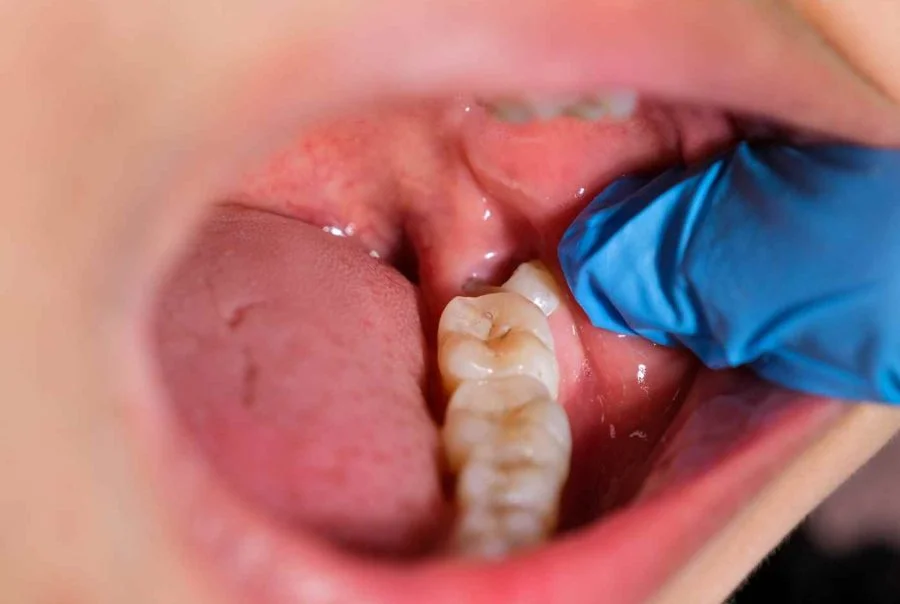
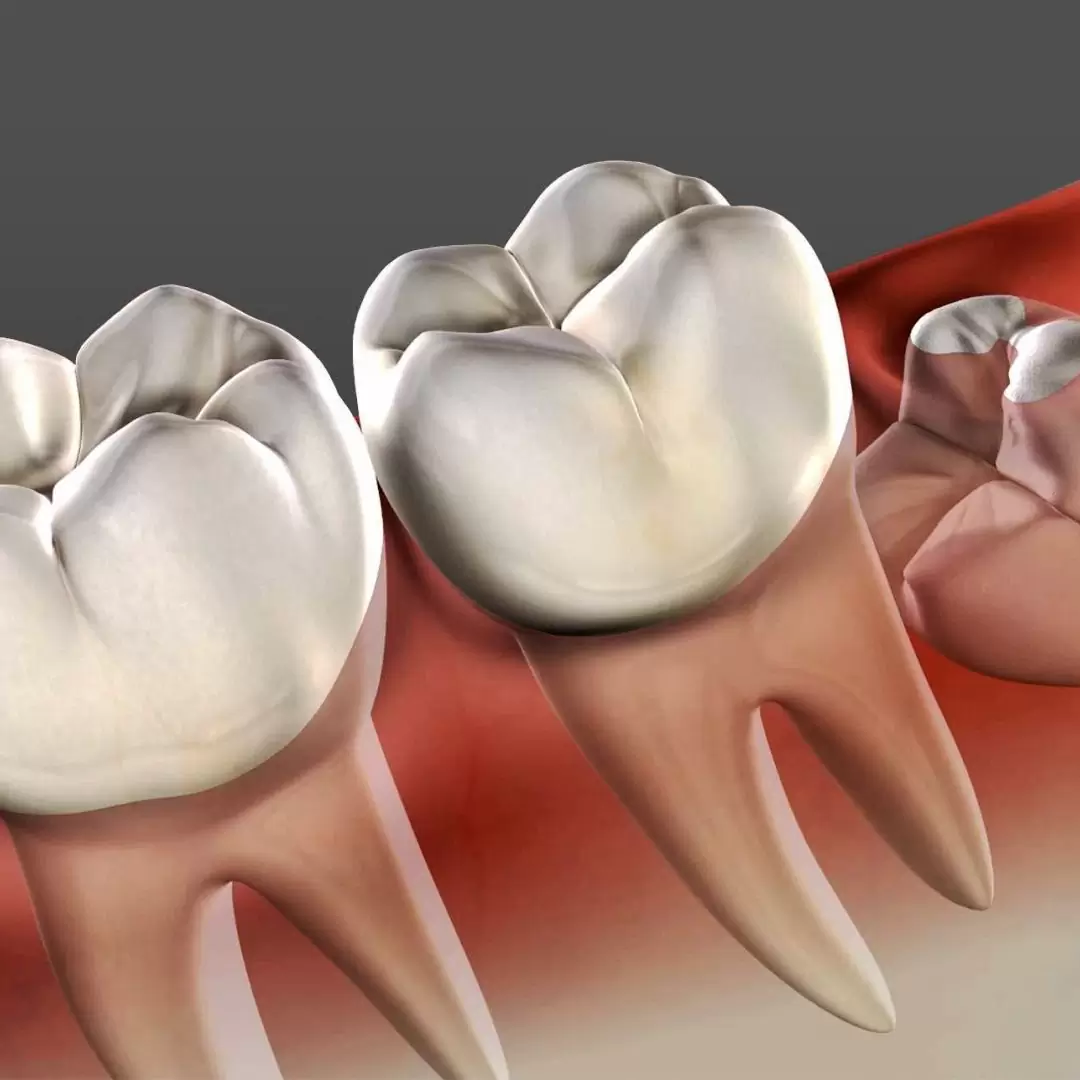
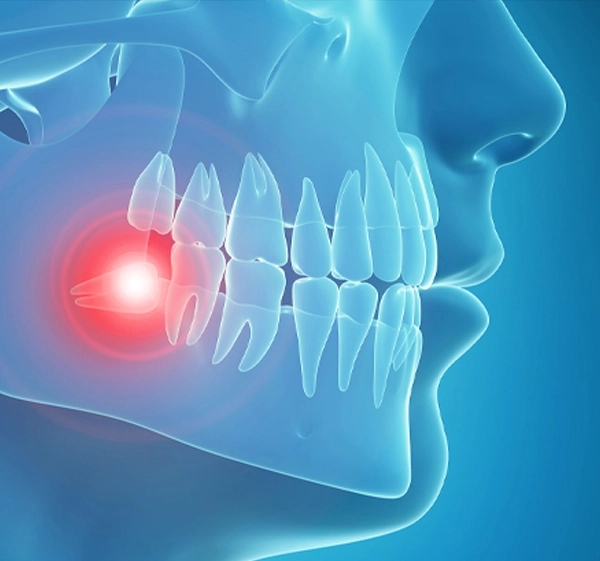
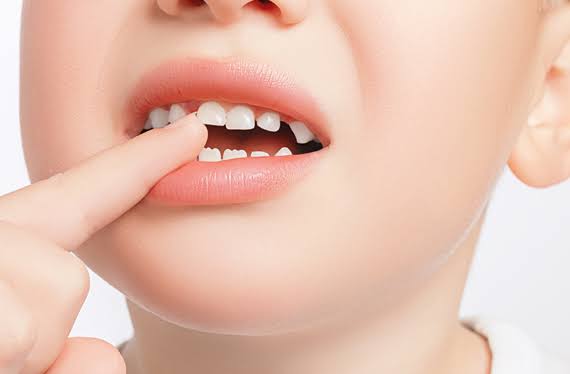
Wisdom teeth, the last teeth to erupt in the mouth, often remain impacted or partially impacted because they cannot find enough space in the jawbone. Over time, this puts pressure on neighboring teeth, leading to pain, crowding, decay, and recurring gum infections (pericoronitis). Jaw surgeons safely perform extractions of these bone-supported, impacted teeth that carry anatomical risk (such as proximity to the nerve) — cases that general dentists cannot intervene in.
2. Jaw Cysts and Tumors
Fluid-filled sacs (cysts) or benign/malignant masses can form inside the mouth, at tooth roots, or deep within the jawbone. These cysts usually cause no pain at first and can quietly grow, eroding the jawbone. Jaw surgery covers the surgical removal of these cysts and tumors (enucleation), cleaning of the resulting bone cavity, and sending the tissue for pathological examination.
3. Temporomandibular Joint (TMJ) Disorders
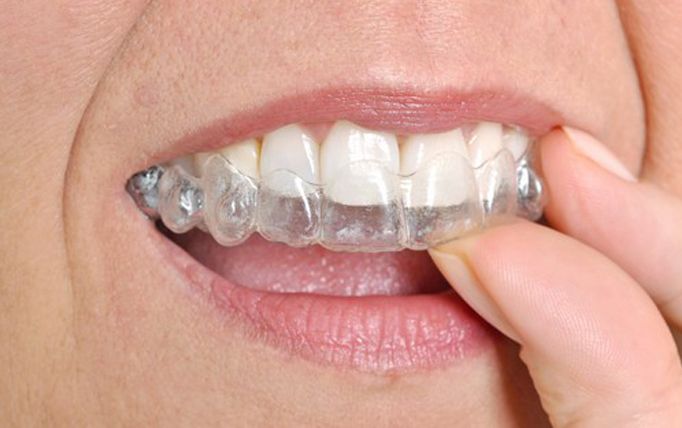
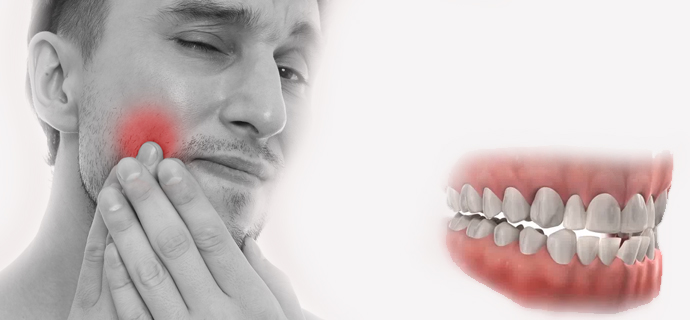
Problems occurring in the joint that connects the jaw to the skull can seriously reduce quality of life. Symptoms such as clicking sounds when opening and closing the jaw, jaw locking, waking up tired in the morning, and facial muscle pain point to TMJ disorders. These conditions, which can stem from nighttime teeth grinding (bruxism) or anatomical abnormalities, are treated with approaches ranging from splint (night guard) therapy to open joint surgery in advanced cases.
4. Dental Implant Procedures and Bone Grafts (Bone Powder)
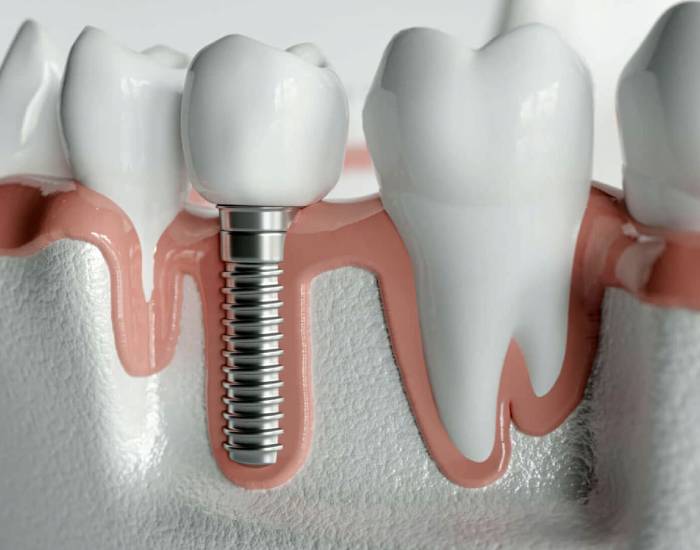
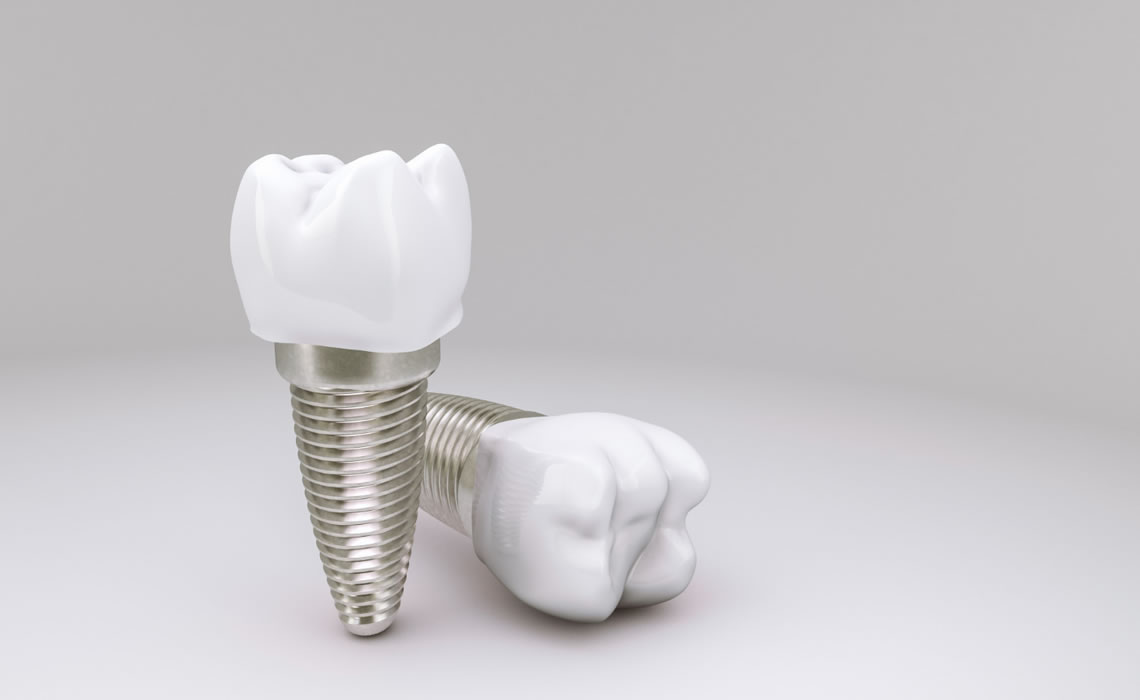
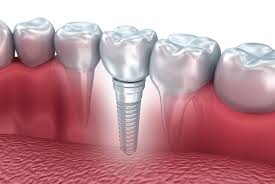
Implant treatment, today’s most modern method for replacing missing teeth, is one of the procedures jaw surgery performs most intensively. However, not every patient’s jawbone has sufficient thickness or height for an implant. In such cases, surgeons apply advanced surgical techniques such as bone graft (“bone powder”) placement and sinus lifting to make the jawbone suitable for implants.
5. Jaw and Facial Trauma (Fractures)
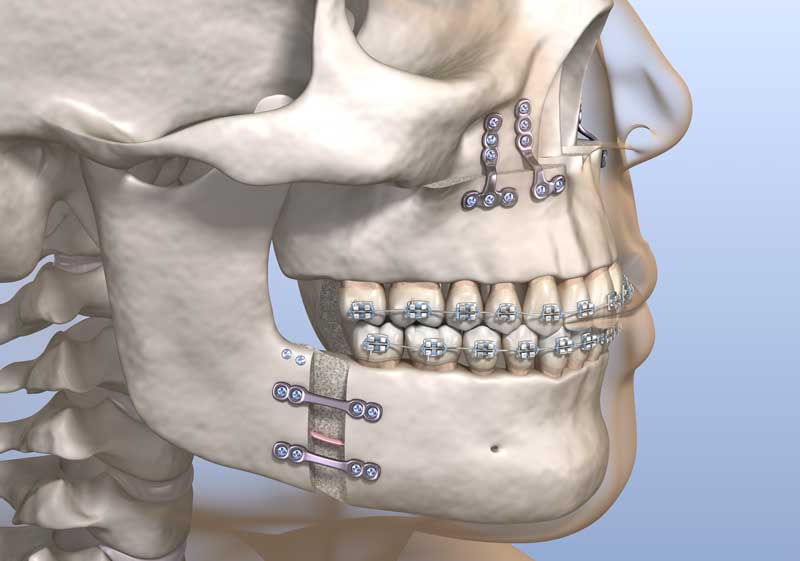
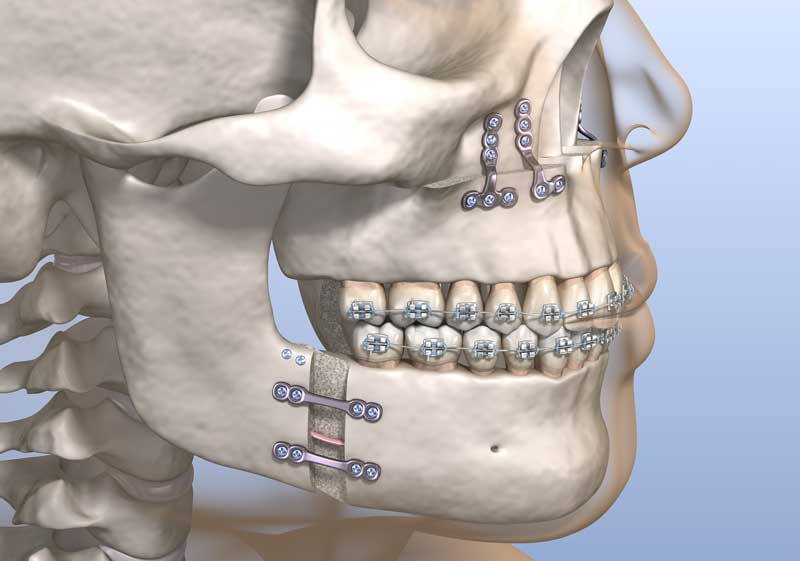
The treatment of fractures in the upper and lower jawbones or cheekbones resulting from traffic accidents, falls, sports injuries, or assaults falls within the expertise of jaw surgeons. Fixing the fractured segments in the correct position with titanium plates and screws is vital for the patient to retain both chewing function and facial aesthetics.
6. Orthognathic Surgery (Jaw Shape Disorders)
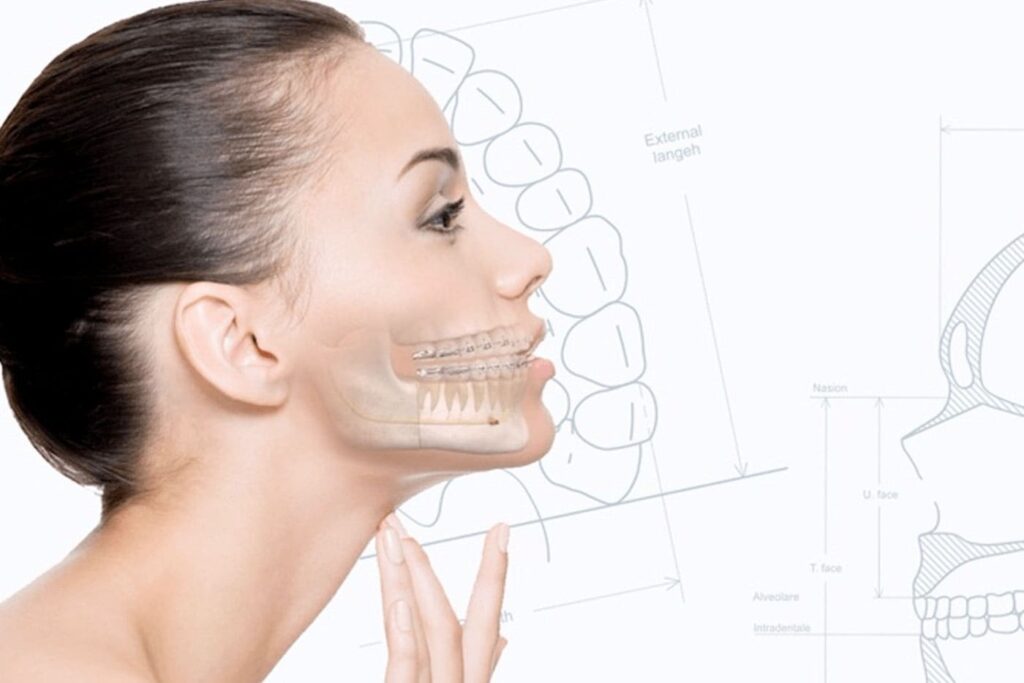
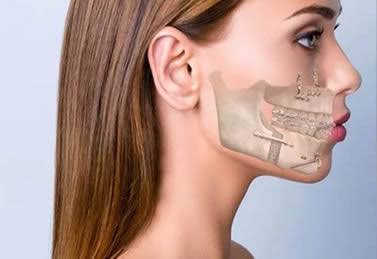
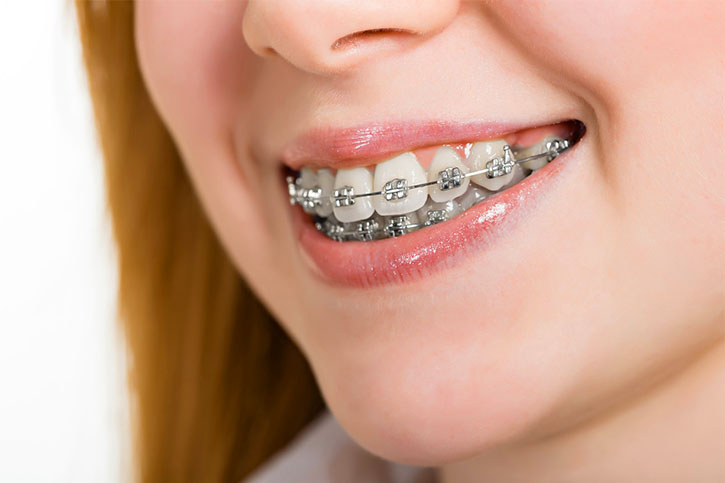
In asymmetric cases where the lower or upper jaw is positioned significantly forward, backward, right, or left of normal, orthodontics (braces) alone is not enough. In a process carried out jointly by the orthodontist and the jaw surgeon, the patient’s jaws are surgically repositioned into their ideal anatomical position. This operation both corrects chewing function and creates a significant, positive change in the patient’s facial profile.
📌 Scientific Perspective:
According to data from the International Association of Oral and Maxillofacial Surgeons (IAOMS), approximately 25% of the population shows symptoms of temporomandibular joint (TMJ) dysfunction at some point in their lives. Scientific research demonstrates that non-surgical conservative treatments (such as splints and physiotherapy) applied early in TMJ disorders have a success rate of around 80-85%. For this reason, clicking sounds from the joint or muscle pain should not be taken lightly, and a jaw surgery specialist should be consulted before the condition progresses.
Commonly Encountered Conditions and Processes in Jaw Surgery
You can review which condition is treated with which method, along with the healing processes, in the table below:
| Condition | Main Symptoms | Surgical Solution Approach | Average Healing Time |
|---|---|---|---|
| Impacted Wisdom Tooth | Pain at the corner of the jaw, gum swelling, difficulty swallowing | Surgical extraction under local anesthesia and suturing | 7 – 10 Days |
| Jaw Cysts | Localized swelling, loosening teeth, quietly progressing pressure | Complete surgical removal of the cyst (Enucleation) | 15 – 20 Days |
| Jawbone Resorption | Thinning and collapse of the bone following tooth loss | Bone powder (graft) placement or Sinus Lifting operation | 3 – 6 Months (Ossification) |
| Jaw Asymmetry | Lower or upper jaw positioned forward/backward, difficulty chewing | Repositioning the jaw through orthognathic surgery | 4 – 6 Weeks |
Jaw Surgery in Kadıköy: The Opc Klinik Approach
The most important factors determining success in medical treatments are accurate diagnosis, physician experience, and the technological infrastructure used. Opc Klinik, serving in Kadıköy / Istanbul, carries out jaw surgery processes with an approach designed to minimize patient concerns while remaining comfortable and transparent.
The process for jaw surgery operations carried out at Opc Klinik proceeds through the following steps:
- Diagnosis with 3D Volumetric Tomography (CBCT): Where two-dimensional X-rays fall short, the positions of impacted teeth, the size of cysts, or the path of the nerve are examined with millimetric precision using three-dimensional tomography devices.
- Personalized Treatment Planning: Each patient’s oral structure and general health status (chronic conditions, medications used) are evaluated to determine the most suitable surgical protocol.
- Painless, Sterile Operation: Procedures are performed completely painlessly using modern local anesthesia techniques, in a clinical environment with high sterilization standards. For patients with severe dental phobia, sedation or general anesthesia options are also considered.
- Regular Post-Operative Follow-Up: To ensure a comfortable healing process after the surgical procedure, patients are fully informed about their prescriptions, ice application details, and dietary recommendations. The healing process is closely monitored through routine check-ups.
Frequently Asked Questions (AEO & SEO Compliant)
Is jaw surgery difficult, and is it very painful?
Thanks to advancing anesthesia methods, no pain is felt during the surgical procedure. After the operation, any mild discomfort caused by tissue healing is easily managed with the pain relievers and antibiotics prescribed by your physician. Regular cold compress (ice) application prevents potential swelling.
How should nutrition be after jaw surgery?
To avoid damaging the sutures at the surgical site and to speed up healing, soft, lukewarm, and non-particulate foods (soup, yogurt, purée, banana, etc.) should be consumed for the first few days. Very hot, acidic, spicy, and hard foods should be avoided until the wound has fully closed. In addition, straws should not be used for the first 24 hours after the procedure, as the sucking motion can trigger bleeding.
My wisdom tooth doesn’t hurt — should I still have it extracted?
Extraction is not mandatory for every impacted tooth that does not cause pain. However, if the tooth’s angle is positioned in a way that will damage the neighboring tooth, if it carries a risk of forming a cyst inside the jawbone, or if it creates a pocket in the gum that leads to food accumulation, your physician may decide on a prophylactic (preventive) extraction.
Conclusion
Jaw surgery plays a key role in protecting and restoring oral and dental health. A simple impacted tooth that is postponed, or a joint pain that is ignored, can necessitate more complex surgical interventions down the line. At well-equipped centers such as Opc Klinik in Kadıköy, Istanbul, thanks to up-to-date treatments carried out by specialist physicians, you can safeguard your oral health and confidently regain a functional and aesthetic smile.