The answer to whether an implant can be placed right after a tooth extraction is: yes in suitable cases, but not for every patient. If there is enough bone, no active infection at the extraction site, and the implant sits firmly enough the moment it is placed, the dentist can place the implant in the same session as the extraction. This decision is made after an examination and imaging; for some patients, waiting for healing first is the better choice.
What an immediate implant means and what happens in the same session as the extraction
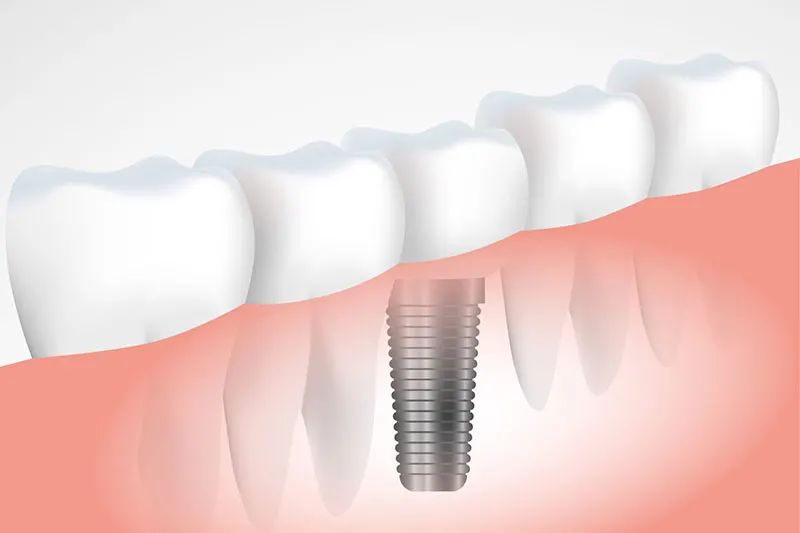
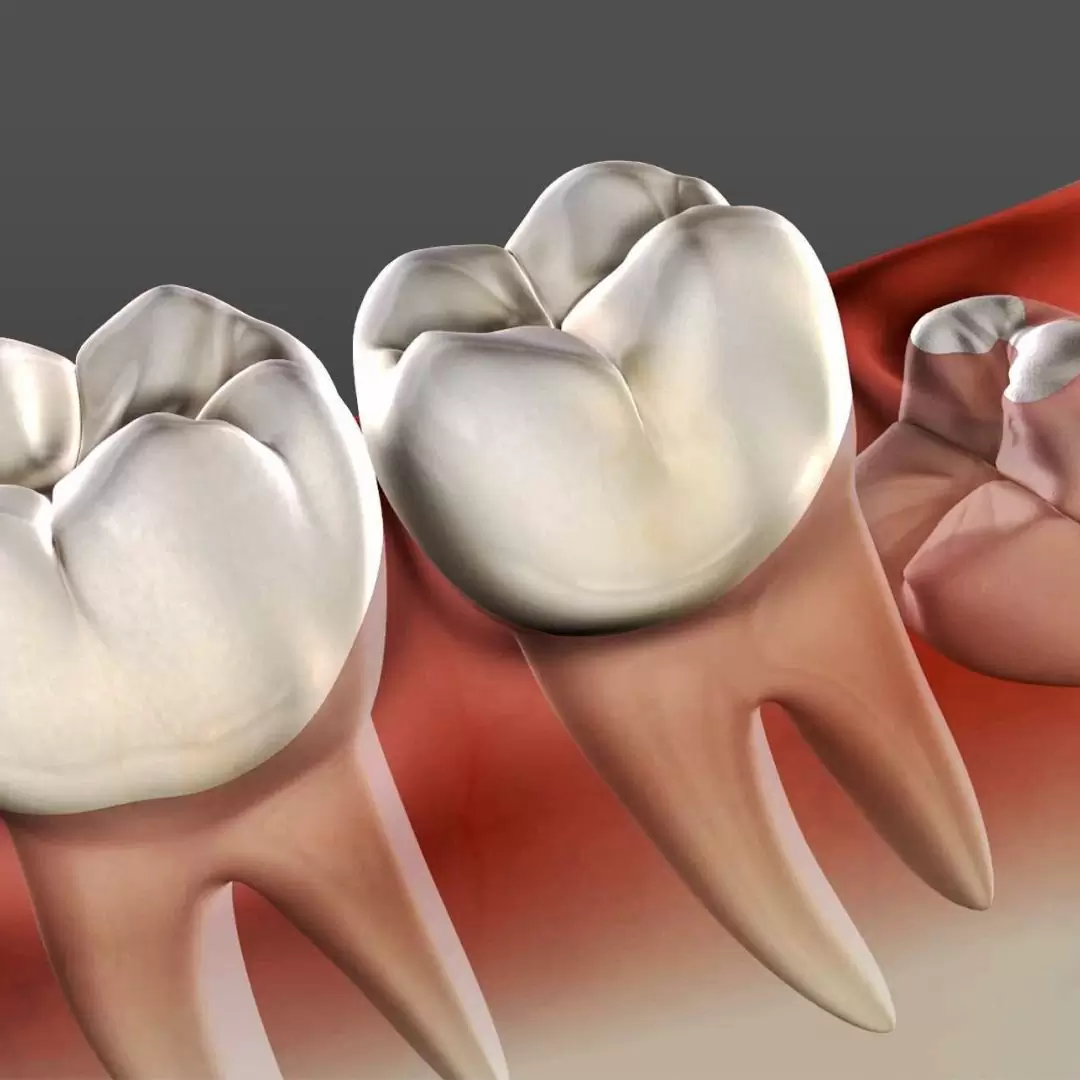
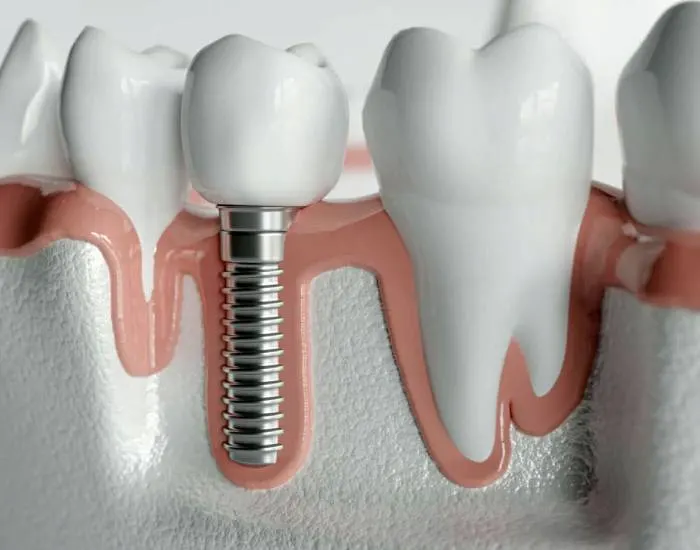
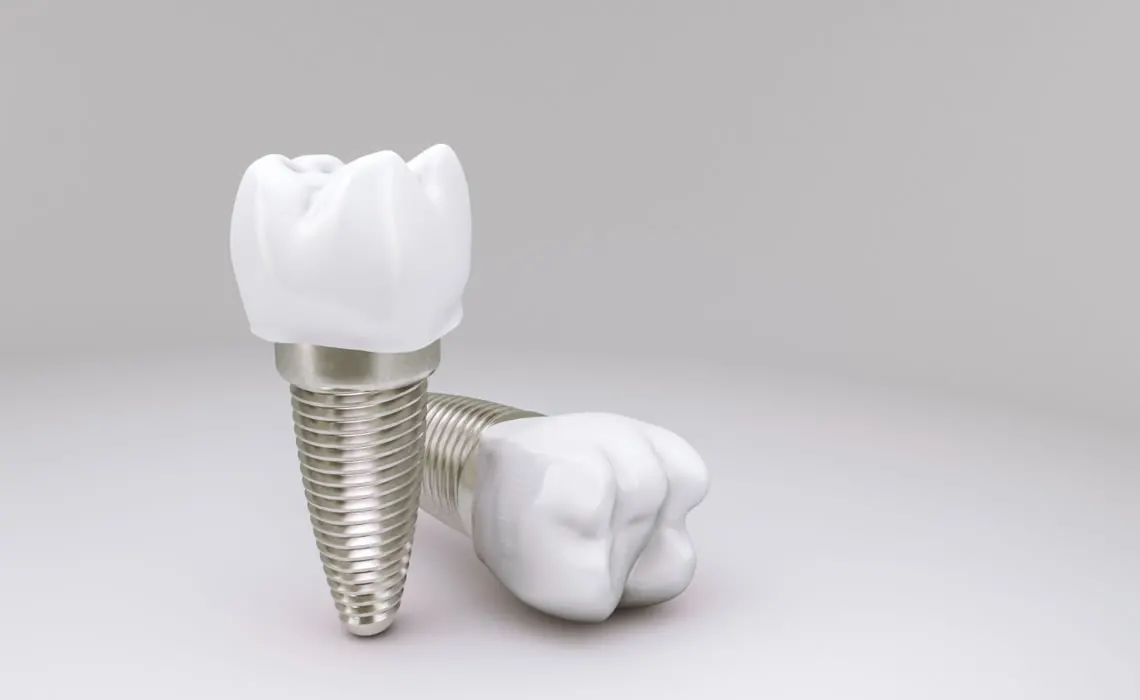
An immediate (same-day) implant means placing a titanium or zirconia implant into the extraction socket in the same session in which the tooth is removed. In the classic approach, the bone is left to heal after the extraction and the implant is placed later in a separate surgery. With an immediate implant these two stages are combined, so the number of surgical sessions may be reduced and the bone volume after extraction may be better preserved.
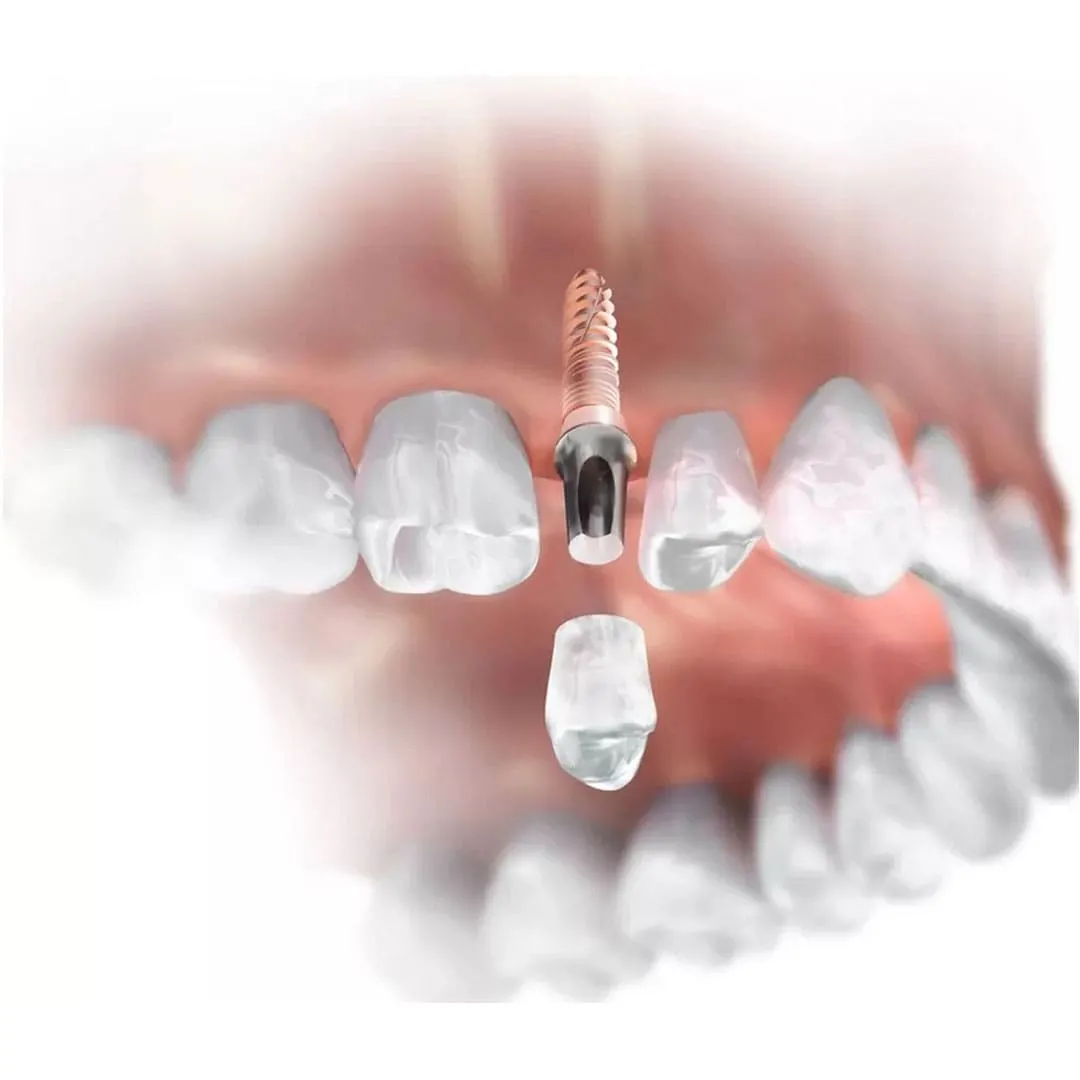
There is an important distinction here: placing the implant on the same day is not the same as fitting a tooth on it on the same day. The implant settles into the bone, but fusing with the bone takes time. Whether a temporary tooth will be attached on top is a separate decision.
In which situations does the dentist recommend a same-day implant
The dentist considers a same-day implant when the extraction socket can hold the implant steady from the first moment. The conditions generally looked for are:
- Sufficient bone at and around the extraction site,
- No active infection or inflammation at or around the root tip,
- Healthy gums,
- The implant standing firmly enough in the bone at the moment of placement,
- A general health condition suitable for surgery.
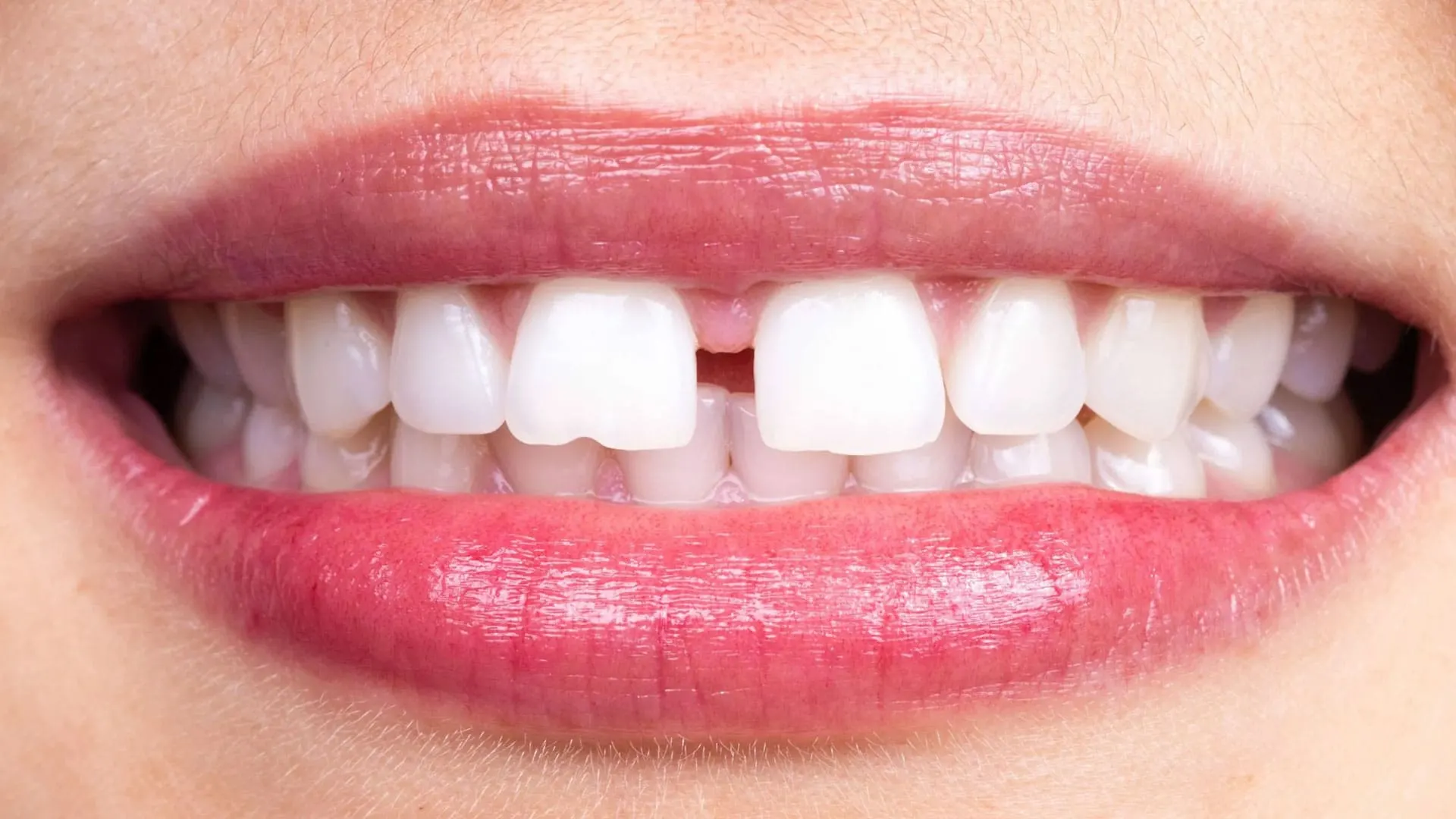
This approach comes up more often for a single missing tooth. You can read about how a single tooth is planned on the single tooth implant treatment page.
In which situations is healing awaited first
If there is an active infection, insufficient bone, uncontrolled systemic disease, or factors that make healing harder such as smoking, the dentist usually prefers to wait after the extraction. This is not a postponement but a choice aimed at protecting the chance of success.
- Infection: Placing an implant before the inflammation around the root has been cleaned and the tissue has healed increases the risk of the infection spreading to the implant.
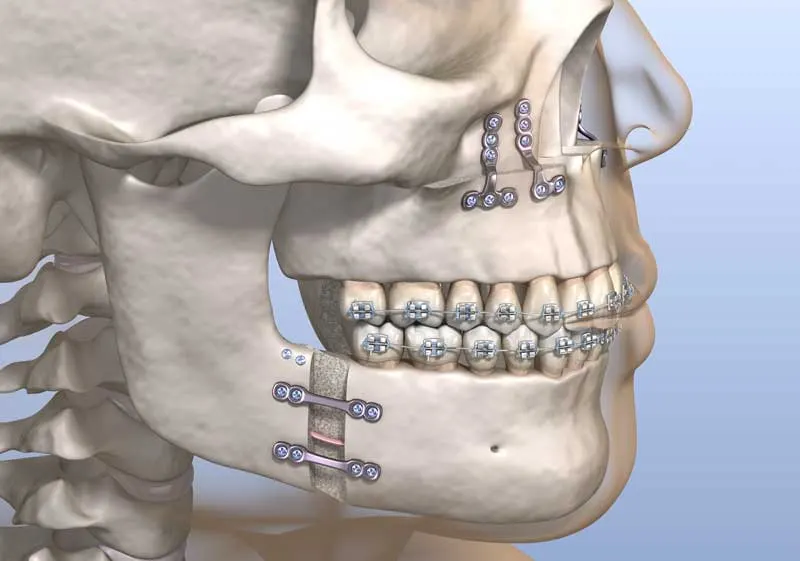
- Insufficient bone: If the socket walls were damaged during extraction or there is little bone, the implant does not stay stable at first. In that case, healing is awaited with bone powder or a graft; for details you can look at the bone augmentation surgery article.
- Systemic diseases: Diseases that are not under control affect wound healing.
- Smoking: It slows the healing of bone and gums; we covered the subject in our article on smoking after an implant.
The article on whether an implant can be placed in every patient is also a guide to the general question of suitability.
What digital planning and imaging do for this decision
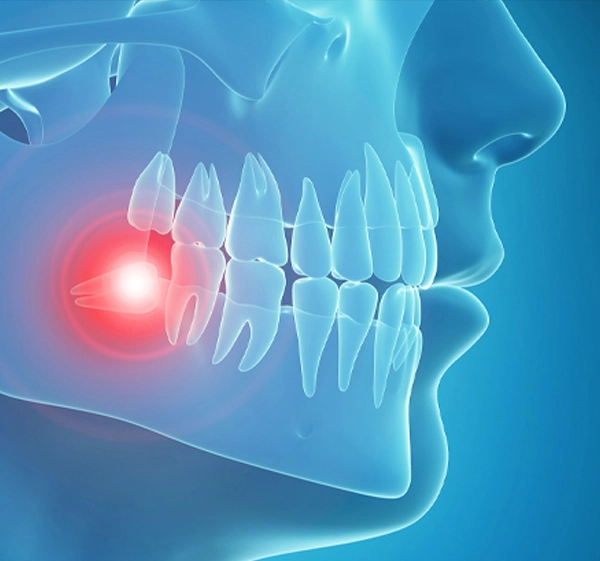
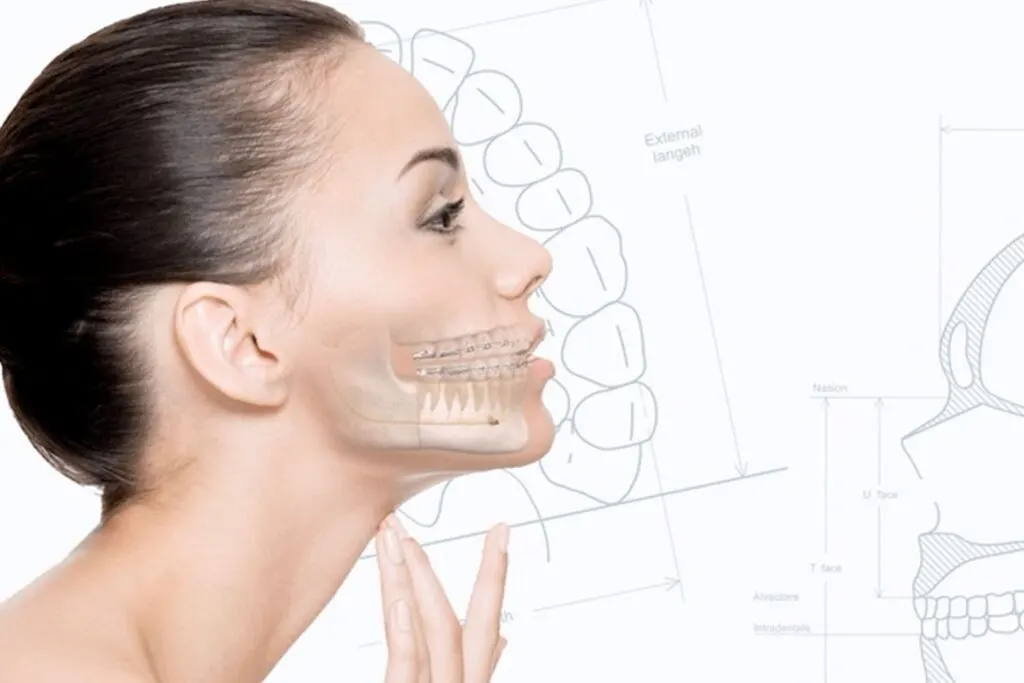
Three-dimensional tomography shows the thickness and height of the bone and the position of neighbouring structures such as nerves and sinuses. A plain X-ray does not give this information fully; in a procedure like a same-day implant, where many decisions are made in a single session, the plan must be made beforehand. Planning helps determine in advance the size and direction of the implant and whether the socket after extraction can carry the implant.
At OPC Klinik in Kozyatağı, Assoc. Prof. Dr. Ezgi Yüceer Çetiner, a specialist in oral, dental and maxillofacial surgery, takes part in implant and surgical planning. At the first examination the situation is assessed with X-rays and tests; treatment options, duration and cost are explained openly, and the plan is finalised with the patient’s approval.
How the procedure proceeds step by step
The process varies from dentist to dentist and case to case, but in a suitable case the general flow is as follows:
- Examination and imaging: The tooth, gums and bone are evaluated; a tomography is taken and the general health history is discussed. This step is done before the day of extraction.
- Local anaesthesia: The area is numbed. During the procedure you may feel pressure and vibration; no marked pain is expected, and if there is any, it is enough to tell the dentist.
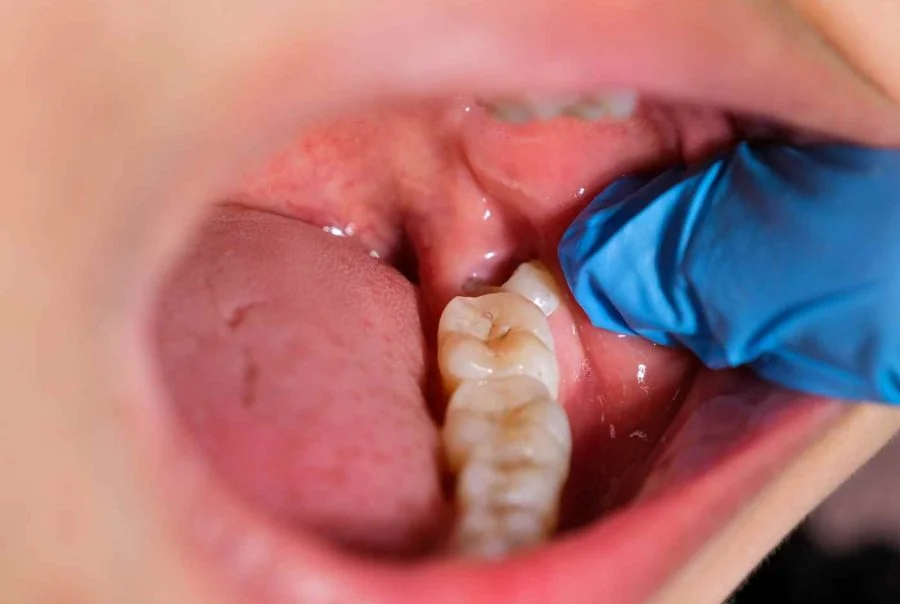
- Extraction of the tooth: To protect the surrounding bone and gum, the dentist removes the tooth as gently as possible.
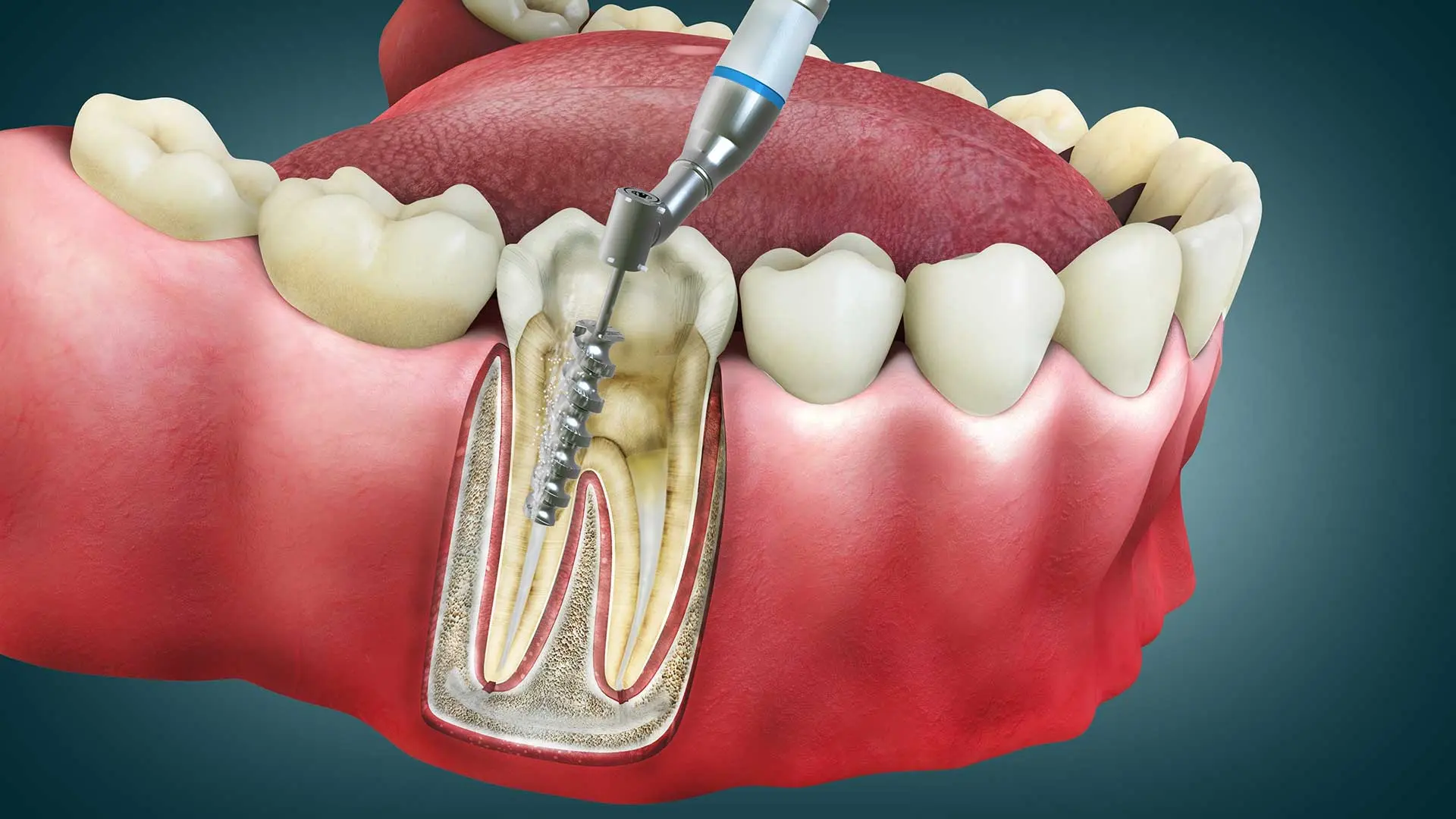
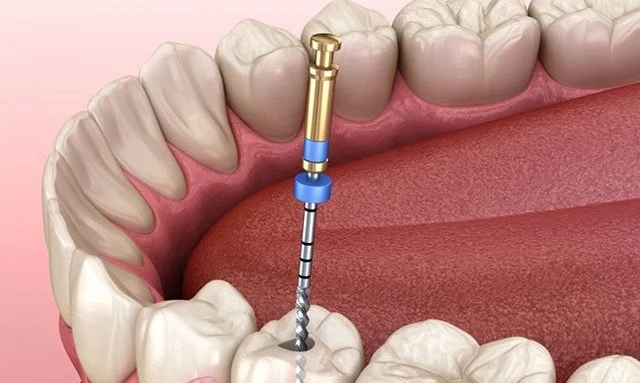
- Cleaning of the socket: The extraction cavity is cleaned and any inflamed tissue is removed; the soundness of the walls is checked. Here, whether the implant will be placed is assessed one last time.
- Placement of the implant: The implant is placed into the bone in the planned direction and its initial stability is measured. If needed, bone powder is added to the gap between the implant and the socket wall.
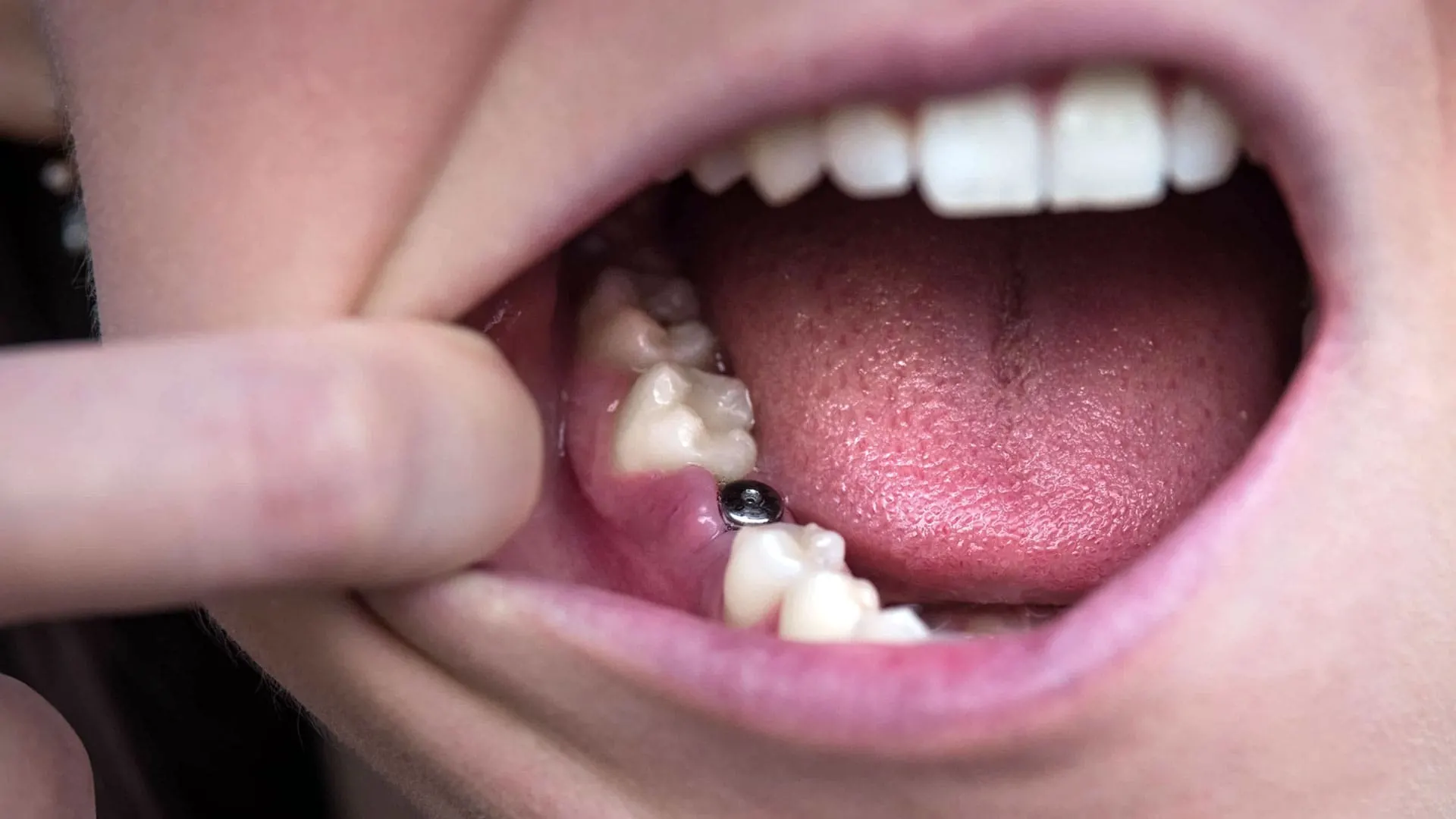
- Temporary solution and closure: If stability is sufficient, a temporary tooth can be made; if not, the implant is covered with gum tissue or a healing cap is attached.
- Follow-up appointments: Healing is monitored, then an impression is taken for the final restoration.
Is a same-day implant the same as getting a tooth on the same day
No. Even if it is possible to place the implant on the same day, putting chewing load on it right away is not always appropriate. If the implant is exposed to excessive load while it is fusing with the bone, the risk of failure may increase. This is why the dentist sometimes makes the temporary tooth for appearance only, away from chewing contact, and sometimes waits to attach a tooth until fusion is complete.
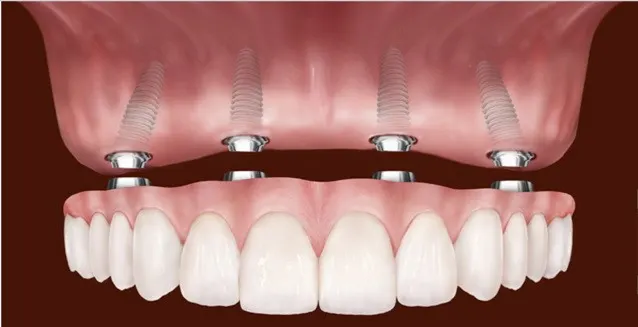
For cases where no teeth remain in the mouth, temporary fixed teeth are a different matter; you can find this topic on the one-day implant treatment page.
Risks of an immediate implant and the precautions the dentist takes
The advantage of an immediate implant is fewer surgical sessions and a contribution to preserving bone volume; the risks are failure of the implant to fuse with the bone, and infection. Because the extraction socket does not match the implant exactly, issues such as stability and gum recession are monitored more carefully.
To reduce these risks the dentist looks at the following: planning beforehand with tomography, cleaning of any infection, using bone powder if needed, measuring the initial stability of the implant, and giving the patient clear instructions about not putting load on it. Smoking, oral hygiene and regular check-ups are the deciding factors on the patient’s side.
Healing process and using a temporary tooth
In the first days, mild swelling, tenderness and slight bleeding may be seen; the medications recommended by the dentist and cold application are used in this period. Soft foods are preferred, and chewing on the surgical site and constantly touching it with the tongue or finger are avoided. If there are stitches, the dentist evaluates them at a check-up appointment.
Fusion of the implant with the bone usually takes a few months; the duration varies with the bone structure and the case. During this period, hard foods are not bitten with a temporary tooth if there is one. If there is no temporary tooth, for the worry about being left without teeth, the article you don’t have to be without teeth during implant treatment explains the temporary options. For general care recommendations you can look at the what should I pay attention to after implant treatment page.
The question of same-day treatment with a zirconia implant
Zirconia implants can also be placed immediately after extraction in suitable cases; however, the same criteria apply: enough bone, an infection-free socket and initial stability. The choice of material alone does not change the decision; the type and size of the implant are selected according to the examination findings. Which material is suitable for you at the clinic is explained by the dentist after the examination.
What is looked at in the first examination for the decision
At the first examination the dentist evaluates the condition of the tooth to be extracted, the surrounding gum, the amount of bone, whether there is infection, risk factors such as smoking and systemic disease, and your bite pattern. In the end one of three paths is chosen: a same-day implant, an implant after extraction and healing with bone powder, or placing the implant with a different plan.
If you have an earlier X-ray or tomography, bringing it to the appointment makes the dentist’s work easier. To decide together whether your tooth will be extracted and what your chance of an immediate implant is, you can request an appointment through the contact page. The dental implant treatment page is also useful for the general framework.
Frequently asked questions
Can an implant be placed on the day the tooth is extracted?
It can if the bone is sufficient, there is no infection and the implant stands firmly at first. Otherwise the dentist recommends waiting after the extraction.
Who is a same-day implant not suitable for?
It is generally not recommended for people with an active infection, insufficient bone, an uncontrolled systemic disease, or habits that affect healing and that they continue. The decision is made after the examination.
Is a temporary tooth attached after an immediate implant?
If the implant is stable enough and it can be done without putting load on it, a temporary tooth can be attached. It does not have to be attached in every case.
How does healing go after a same-day implant?
In the first days there may be mild swelling and tenderness; a soft diet and the dentist’s instructions are followed. Fusion with the bone can take a few months and is monitored with check-ups.
Can a zirconia implant be placed on the same day?
In a suitable case, yes; the criteria are the same as for a titanium implant. The dentist decides which one is suitable.
Why is digital planning important in a same-day implant?
Tomography shows the bone and neighbouring structures, so the size and direction of the implant are planned before the procedure; the risk of making decisions in the same session is reduced.