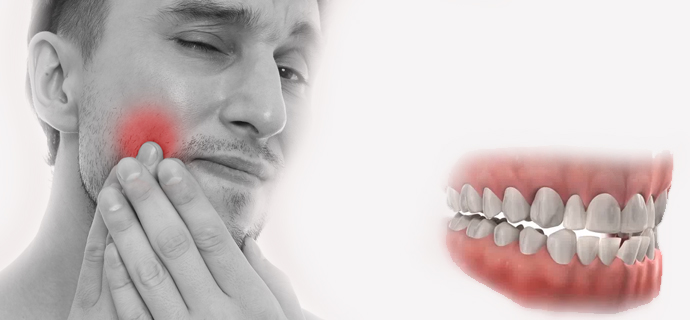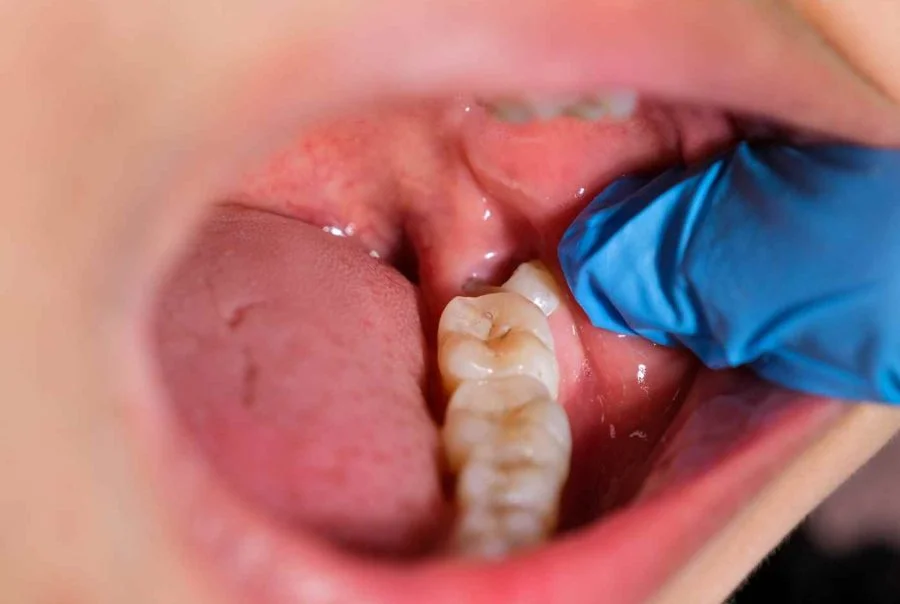
The short answer to why a wisdom tooth is not filled is this: because a wisdom tooth sits at the very back of the mouth, it is hard to clean, often does not erupt fully and the tissue around it becomes inflamed easily; for this reason a filling placed on it often does not last long. If the tooth has come in properly, can be reached with a toothbrush and the decay is limited, a filling can still be considered. Your dentist decides which option suits you after an examination and an X-ray.
When is a filling considered for a wisdom tooth, and when is extraction recommended?
A filling is an option when the tooth has erupted completely, touches the opposing tooth and the patient can clean the area easily. If the tooth has erupted only halfway, the decay is deep or there is repeated inflammation around it, dentists generally recommend extraction. In short, the decision depends on the position of the tooth, the size of the decay and how clean the area can be kept.
Position of the wisdom tooth and difficulty of cleaning
Because wisdom teeth sit in the far back corner of the mouth, they are difficult to reach with a toothbrush and dental floss. Food debris collects easily behind the tooth and in the gum pocket. This makes it easier for new decay to form both on the tooth itself and along the edges of the filling.
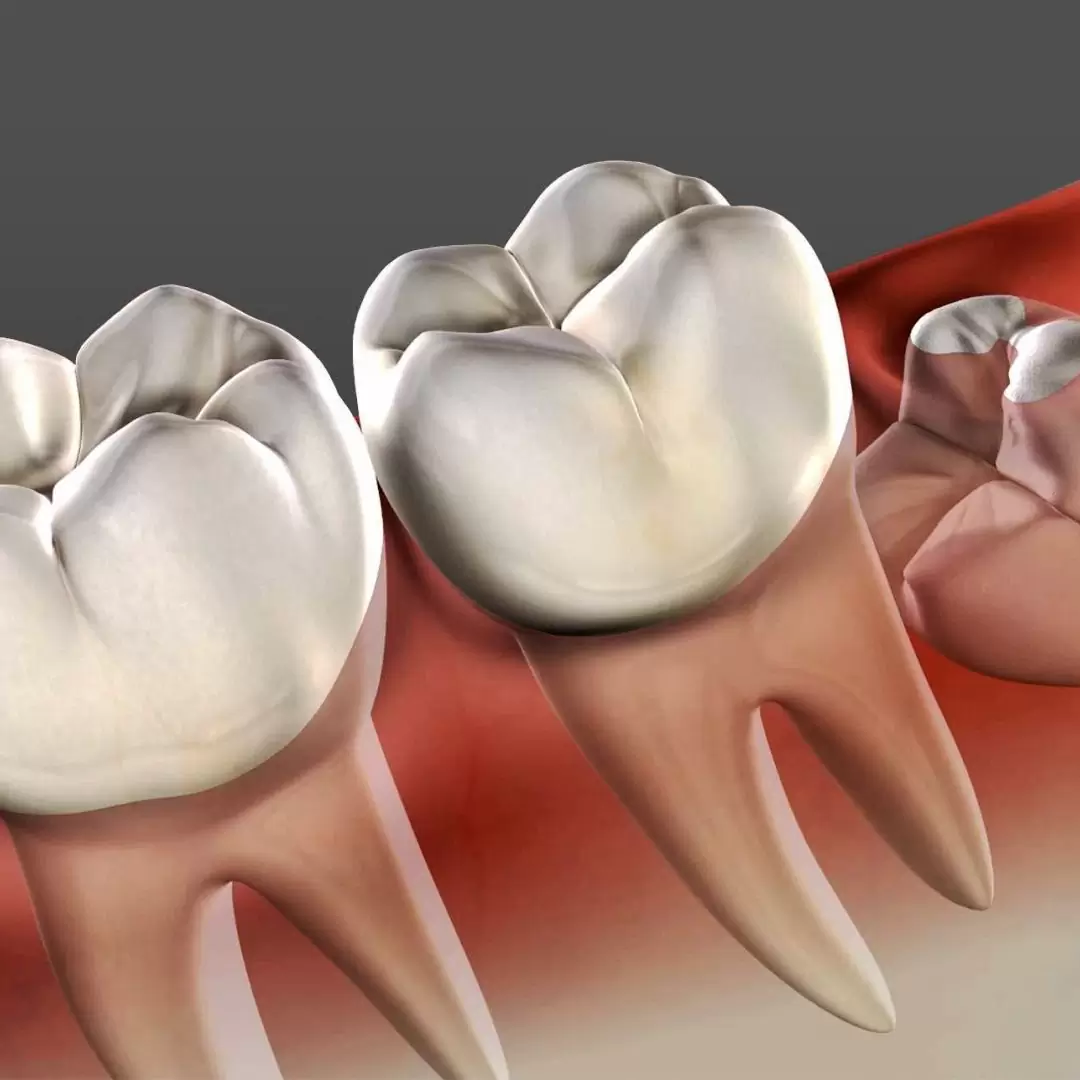
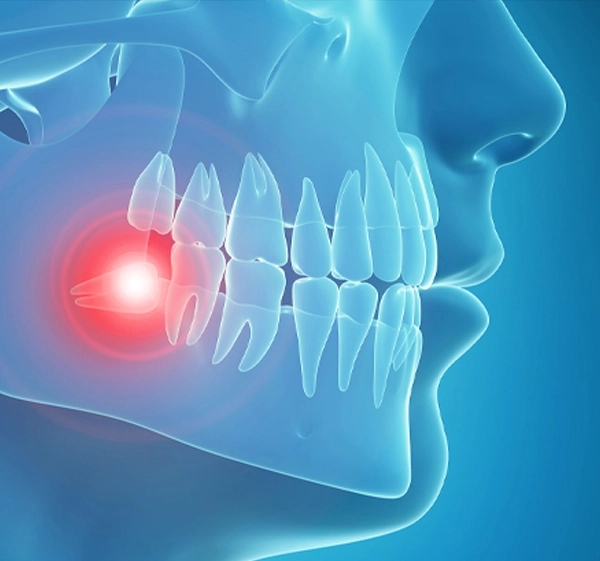
With impacted or partially impacted wisdom teeth the situation is even harder: part of the tooth stays under the gum, so the surface that would be filled cannot be reached fully.
Decay and the risk of recurring infection
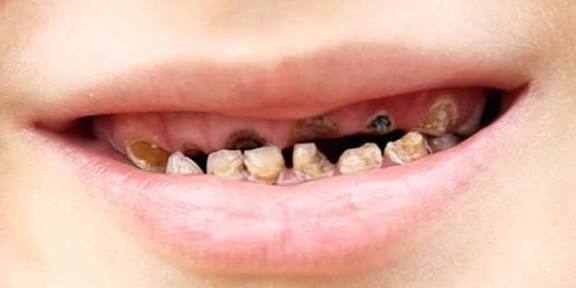
In a tooth that is hard to clean, decay can continue even after a filling. Bacteria collect under the gum flap over partially erupted wisdom teeth; recurring swelling, pain and bad breath may occur in this area. Because a filling on such a tooth does not remove the source of the problem, dentists may see extraction as the healthier route.
If you are curious about the habits that speed up decay, you can take a look at our article everyday mistakes that speed up tooth decay.
Damage to the neighboring tooth
When a wisdom tooth comes in at an angle, it can lean against the tooth in front of it. Food gets trapped at this contact point, and decay can start both in the wisdom tooth and in the tooth in front. In this case, extracting the wisdom tooth instead of trying to keep it with a filling can be the way to protect the healthy tooth in front.
Filling or extraction? What the dentist looks at during the examination
When deciding, the dentist assesses several points together:
- Whether the tooth has erupted fully or only halfway, or is impacted
- How deep the decay is and how close it is to the nerve
- Whether the tooth touches the opposing tooth when chewing
- Whether it puts pressure on the tooth in front of it
- Whether there has been inflammation or swelling in the area before
- Whether the area can be kept clean with daily care
An examination and, if needed, an X-ray are done to gather this information. The root of the wisdom tooth and its relationship with the surrounding tissues are also assessed on these images.
Stitches and pain after extraction
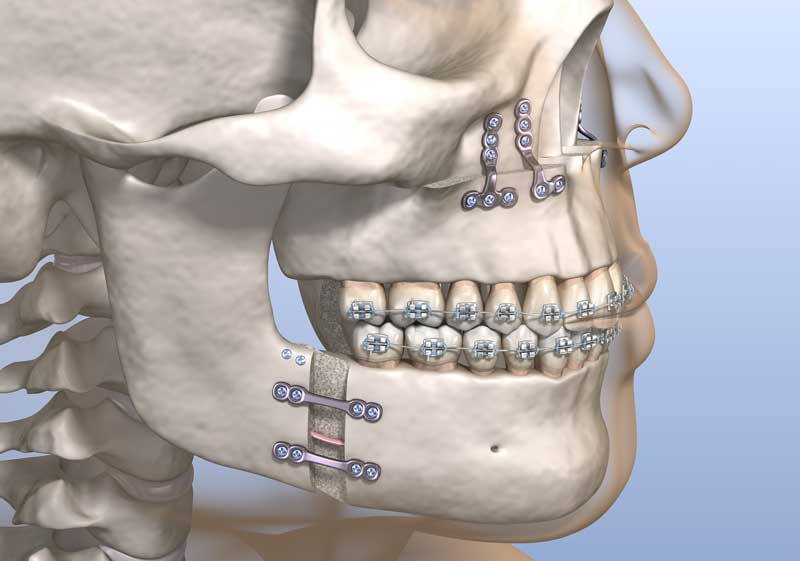
Whether stitches are placed after extraction depends on how the tooth was removed. In normal extractions stitches are often not needed; in impacted wisdom tooth surgery they are placed because the gum is opened. Your dentist may use self-dissolving stitches or ones that are removed at a check-up, and will tell you which kind is used.
Pain and sensitivity in the first days after extraction are expected and are kept under control with the painkillers your dentist recommends. The pain should ease as the days pass; if it increases instead, you need to contact the clinic.
Care and eating in the first days after extraction
For the healing to go smoothly, protecting the blood clot at the extraction site is the most important point. For this reason, on the first day avoid spitting hard, drinking through a straw and poking the extraction site with your tongue.
- Bleeding: Bite on the gauze your dentist placed for the time you were told; slight oozing is normal in the first hours.
- Swelling: Applying a cold pack to the outside of the cheek at intervals on the first day helps reduce swelling.
- Mouth care: Keep brushing your teeth, but do not touch the extraction site in the first days; rinse gently from the time your dentist tells you.
- Eating: In the first hours choose lukewarm or cold, soft foods; avoid very hot, hard and spicy foods. Foods such as yogurt, (lukewarm) soup and puree are suitable; chew on the side opposite the extraction site.
- Smoking and alcohol: Do not use them for the period your dentist tells you, because they delay healing and increase the risk of dry socket.
For more information about the healing process, you can read our article How long does healing take after wisdom tooth extraction?
Which symptoms call for contacting the clinic right away?
If any of the following symptoms occur, call your clinic without waiting:
- Bleeding that does not stop despite the gauze
- Pain or swelling that increases as the days pass instead of easing
- Fever, a bad smell or a bad taste from the extraction site
- Marked difficulty opening the mouth, trouble swallowing
- Numbness in the lip, chin or tongue that lasts a long time
Frequently asked questions
Why is a wisdom tooth not filled?
Because a wisdom tooth sits at the very back of the mouth, it is hard to clean and often does not erupt fully; for this reason new decay and inflammation can develop around the filling. If the tooth has erupted fully and can be cleaned, a filling can be done; the decision is made at the examination.
Is extraction a must if a wisdom tooth decays?
No. If the decay is small and the tooth is positioned properly, a filling can be done; if the decay is deep, the tooth has erupted only halfway or it is damaging the tooth in front of it, extraction is recommended.
Are stitches placed after wisdom tooth extraction?
In normal extractions stitches are often not needed. In impacted or partially impacted wisdom teeth they are placed because the gum is opened.
How long does the pain last after wisdom tooth extraction?
The pain is noticeable in the first days and eases as the days pass; how long it lasts varies with how difficult the extraction was. If the pain increases instead of easing, contact the clinic.
What can you eat after wisdom tooth extraction?
In the first hours lukewarm or cold, soft foods (yogurt, puree, lukewarm soup) are suitable. Until healing has progressed, avoid very hot, hard and spicy foods and drinking through a straw.
What should you do if bleeding does not stop after extraction?
Place a clean piece of gauze on the extraction site, bite down on it firmly for a while and keep your head raised. If the bleeding still does not stop, call your clinic without losing time.
What are the signs of infection?
Increasing pain and swelling, fever, and a bad smell or discharge from the extraction site are the main signs. If you notice any of them, your dentist should see you and start treatment if needed.
Contact us for an examination
If you have pain, decay or a feeling of crowding in your wisdom tooth, let us work out together at the examination whether it needs a filling or extraction. You can contact our clinic to make an appointment.