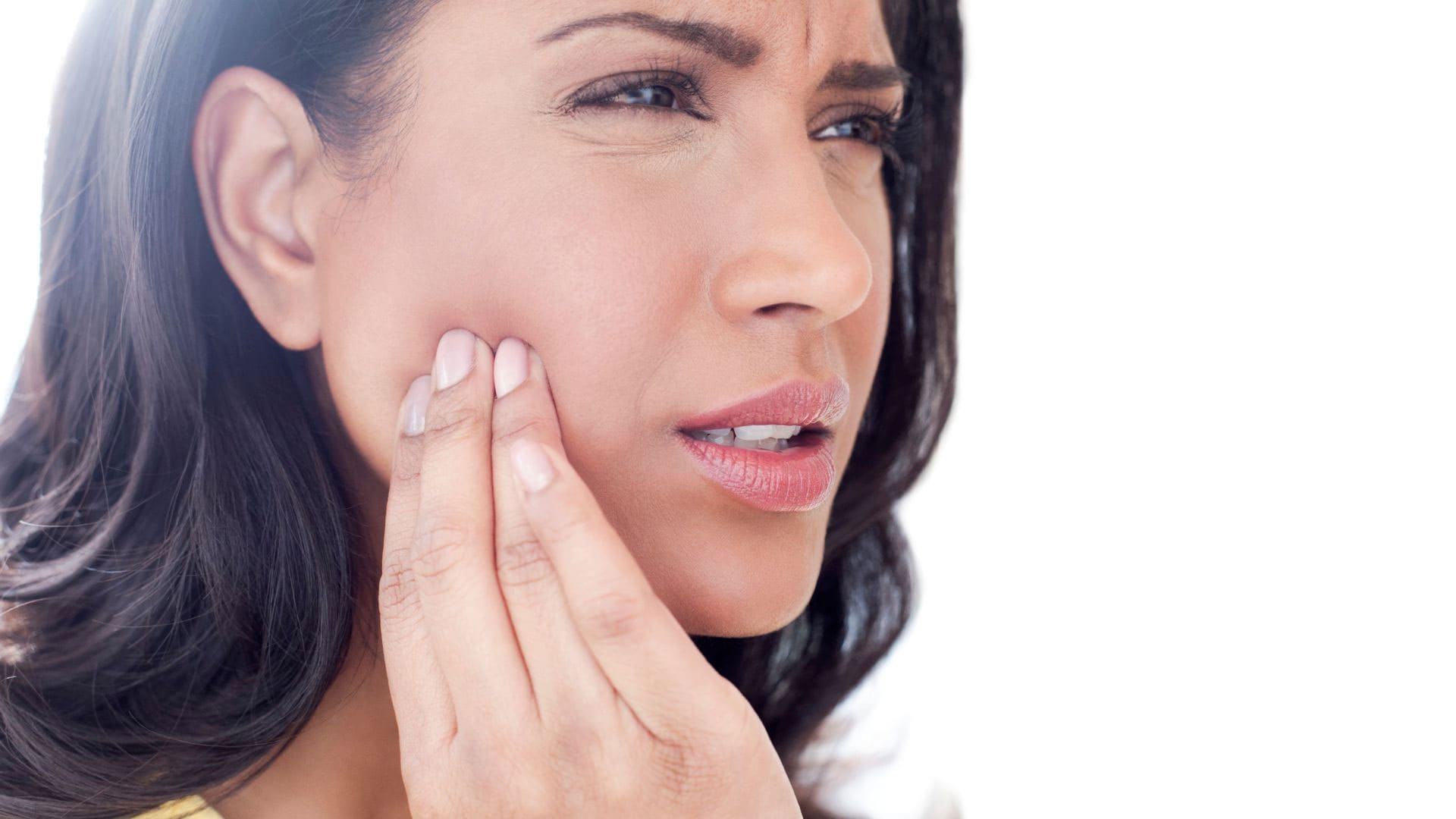
Jaw osteoarthritis symptoms usually begin with pain in the joint in front of the ear while chewing, grinding or crackling sounds from the joint, and limited mouth opening. This condition develops as the cartilage and bone of the jaw joint wear down over time, and it can only be told apart reliably through an examination and imaging. Below you can find the early signs, how they differ from similar complaints, and the treatment options, step by step.
What is jaw osteoarthritis (arthrosis)
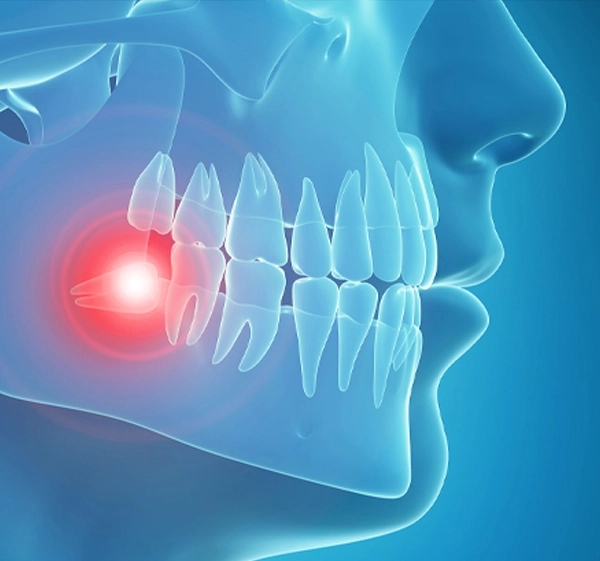
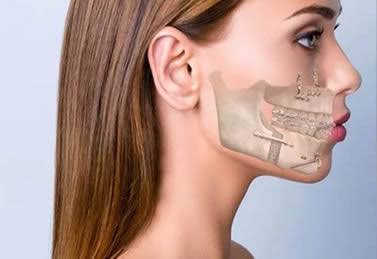
Jaw osteoarthritis is the gradual wear and breakdown of the cartilage and bone surfaces that make up the jaw joint (the temporomandibular joint, or TMJ for short). In medicine it is called arthrosis or osteoarthritis; in everyday Turkish it is known as “çenede kireçlenme” (jaw calcification).
The jaw joint works all day long as you talk, swallow and chew. When the cartilage on the joint surface wears away, the bones rub against each other more, and inflammation and pain can develop around the joint.
Causes and risk factors
Jaw arthrosis does not have a single cause; several factors can come together. Commonly mentioned risk factors are:
- Prolonged overloading of the joint because of teeth clenching and grinding (bruxism)
- Blows to the jaw and previous jaw injuries
- Displacement or damage of the disc (the cartilage cushion) inside the joint
- Advanced age and natural wear of the joints
- Conditions that also affect other joints, such as rheumatic diseases
- Bite irregularities and missing teeth
Common symptoms
For most people, the first signs of jaw arthrosis are pain felt while chewing and opening the mouth, and noises coming from the joint. Complaints usually start slowly and become more noticeable over time.
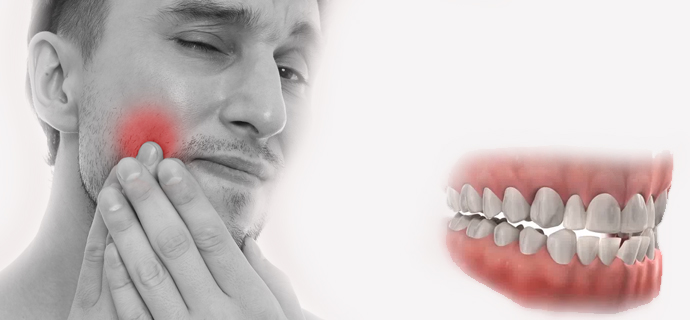
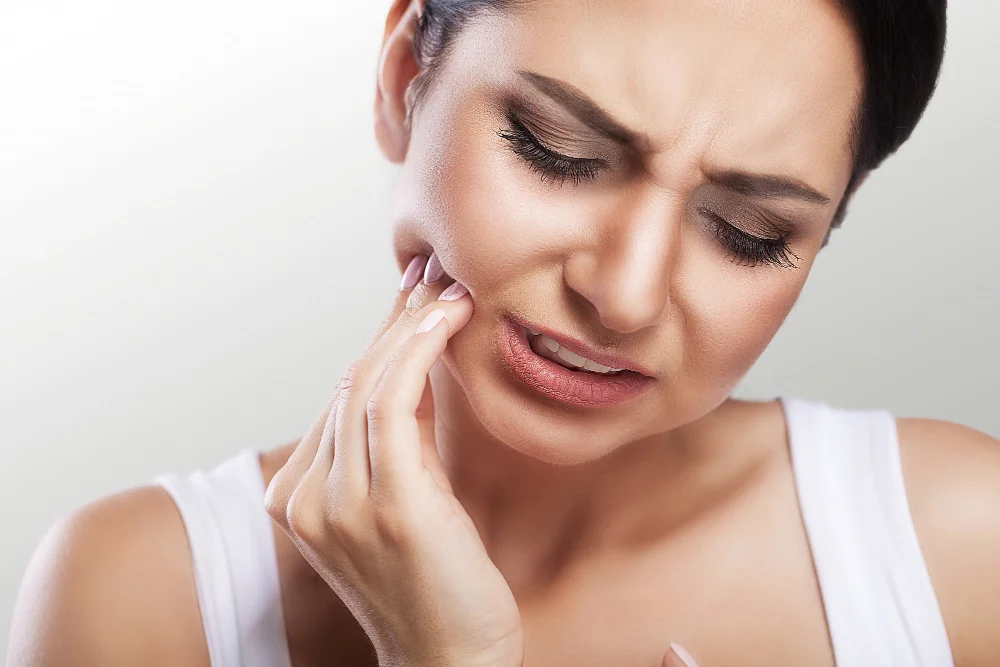
- Pain in the jaw joint, in front of the ear and in the cheek that increases while chewing
- Grinding, gravel-like sounds (crackling) from the joint when opening and closing the mouth
- Stiffness in the jaw in the morning and difficulty opening the mouth fully
- The jaw shifting to one side when opening
- Tenderness and a slight feeling of swelling around the joint
- A feeling of fullness in the ear, ear pain or headache in the temple area
- Difficulty chewing hard foods
Many of these symptoms also occur in other jaw joint problems. You can also read about the general picture of joint problems in our article on the symptoms of jaw joint problems.
How to tell if you have jaw osteoarthritis
Jaw osteoarthritis is suspected when symptoms occur together and continue for a long time, but it is confirmed only by an examination and imaging. If pain increases with chewing, mouth opening is reduced and there is a grinding sound in the joint all at once, you should see a doctor. A sound on its own or temporary pain does not necessarily mean osteoarthritis.
What does pain that gets worse at night mean
Jaw pain that gets worse at night suggests there may be inflammation in the joint, or that clenching and grinding during sleep is straining the joint. This symptom alone does not give a diagnosis; the cause is investigated during the examination.
If you have night pain, the following may help:
- Avoid hard and sticky foods and chewing gum during the day.
- Try not to clench your jaw unnecessarily and keep your teeth slightly apart.
- Avoid sleeping on your stomach or in positions that put pressure on the jaw.
- Apply warmth to the painful area as your doctor recommends.
- If you plan to take a painkiller, ask your doctor or pharmacist.
If the pain lasts longer than a few days, you cannot open your mouth, or you have clear swelling in the jaw, fever or numbness in the face, you should see a doctor without waiting. If you suspect night-time clenching, take a look at our article on the role of the night guard.
Difference between arthrosis and a jaw joint (TMJ) disorder
A jaw joint disorder is the name of a broad group of complaints affecting the joint and the surrounding muscles; arthrosis is a specific condition within this group in which the joint structure wears down. In other words, not every TMJ disorder is osteoarthritis.
- Muscle-related problems: Fatigue and pain in the chewing muscles stand out; the joint structure is usually not damaged.
- Disc displacement: A clicking or “pop” sound is heard when opening the mouth; sometimes the jaw catches.
- Arthrosis: There is wear on the joint surface; grinding or crackling sounds, pain when chewing and, over time, limited opening are seen.
This distinction cannot be made by looking at the complaints alone. An examination and, when needed, imaging are required for the right treatment plan.
Which tests are requested during the examination
During the examination, your complaints are first listened to, then the jaw joint, chewing muscles and bite are examined; imaging is requested if it is considered necessary.
- Assessment of mouth opening and jaw movements
- Hands-on examination of the joint and muscles for pain, and listening to joint sounds
- A panoramic X-ray for a general look at the bone structure
- Three-dimensional tomography to see bone changes in the joint in more detail
- Magnetic resonance imaging (MRI) when the disc and soft tissues need to be evaluated
We described how the examination proceeds in our article on examination for jaw pain.
Treatment options
Jaw osteoarthritis treatment usually starts with non-surgical methods, and the aim is to reduce pain, ease the load on the joint and preserve jaw function. The doctor decides which method is suitable according to the level of the complaint and the imaging findings.
- Resting the jaw: Soft foods, avoiding wide yawning and chewing gum.
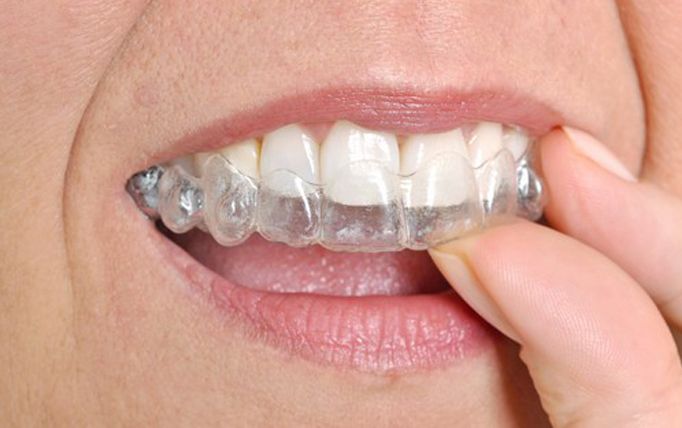
- Occlusal splint (night guard): Used to reduce the load on the joint, especially when there is clenching and grinding.
- Medication: Medicines the doctor considers appropriate to control pain and inflammation.
- Exercise and physiotherapy: Guided exercises to support jaw movements and muscle balance.
- Stress management: Reducing the clenching habit that increases with tension.
- Intra-articular procedures: In selected cases, washing out the joint or procedures performed inside the joint may be considered.
You can find our clinic’s approach on our jaw joint treatment page.
Does jaw arthrosis progress
Arthrosis is a condition that can progress over time, especially if the risk factors continue; however, the speed of progression varies from person to person, and in some people the complaints may stay stable for a long time. Keeping clenching under control, avoiding unnecessary strain on the jaw and regular follow-up can help slow progression.
Lifestyle and preventive measures
Daily habits directly affect the load on the joint. The following can help:
- Giving up chewing gum and biting nails or pens
- Cutting very hard and large bites into smaller pieces
- Making it a habit to keep the jaw relaxed during the day
- Doing breathing and relaxation exercises to reduce tension
- Having missing teeth or irregular bites evaluated by a doctor
- Not skipping regular dental and jaw check-ups
When surgery comes into question
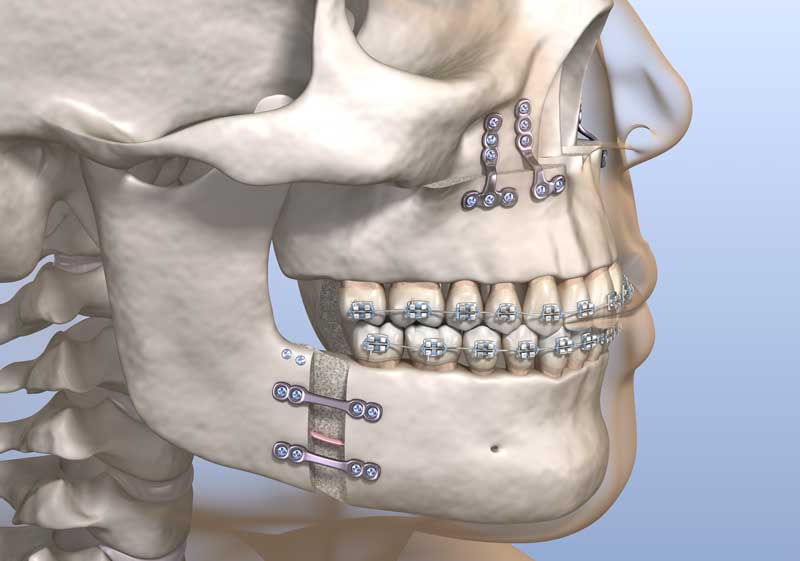
Surgery is considered only when pain and loss of function continue despite following non-surgical treatments for long enough, or when there is a serious structural problem in the joint. For most patients, the first step is non-surgical methods.
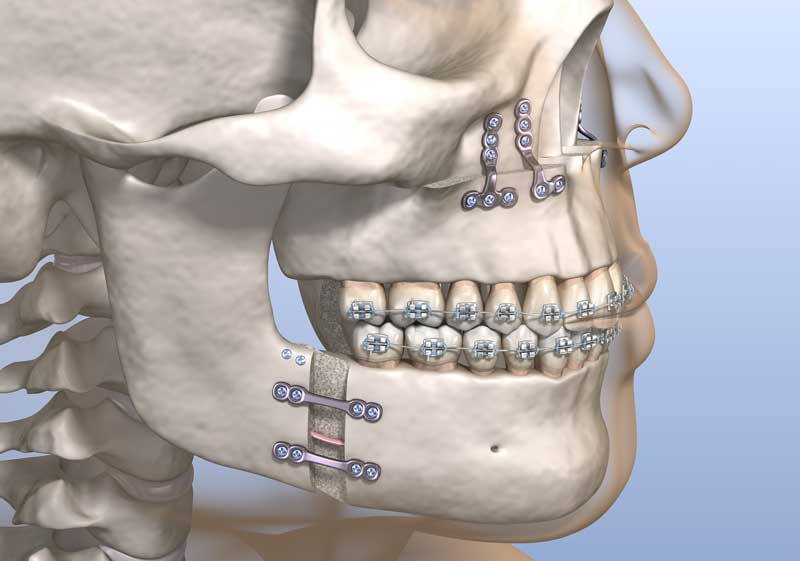
Surgical options may include minimally invasive washing of the joint or procedures inside the joint and, in more advanced cases, repairing or reshaping the joint surface. Which procedure is suitable is determined by the imaging findings, the duration of the complaint and general health. You can read about the place of surgery in joint problems in our article on treating TMJ problems with jaw surgery.
Which department to see
The first point of contact for jaw pain and joint complaints is an oral, dental and maxillofacial surgery specialist. Depending on the source of the complaint, a joint evaluation with departments such as physical therapy, ear-nose-throat or rheumatology may be needed.
If you are not sure which specialist to see, the article which doctor should I see for jaw pain can guide you.
Frequently Asked Questions
What are the symptoms of jaw osteoarthritis?
Pain in front of the ear while chewing, grinding or crackling sounds from the joint, morning stiffness, being unable to open the mouth fully and the jaw shifting to one side are the most common symptoms. In some people, a feeling of fullness in the ear and headache in the temple area also occur.
How can you tell if you have osteoarthritis in the jaw?
If pain, noises and limited opening continue together for a long time, osteoarthritis is suspected. A definite diagnosis requires a jaw joint examination and, when needed, imaging such as an X-ray, tomography or MRI.
What should I do if jaw pain gets worse at night?
You can try resting the jaw during the day, avoiding hard foods, and noticing and relaxing clenching. If the pain lasts longer than a few days, you cannot open your mouth, or you have swelling, fever or numbness, see a doctor without delay.
Does jaw arthrosis progress?
Arthrosis can progress over time, but the speed varies from person to person. Controlling clenching, avoiding unnecessary strain on the jaw and regular follow-up by a doctor can help slow progression.
How is jaw osteoarthritis treated?
Treatment usually starts with non-surgical methods such as resting the jaw, a night guard, doctor-supervised medication, exercise and stress management. If these are not enough, intra-articular procedures or surgery may come into question; the choice is made according to the examination findings.
If your jaw joint complaints continue, you can make an appointment for an examination and decide on the right treatment plan together with your doctor.