Do All Impacted Teeth Need to Be Extracted?
No, extraction is not mandatory for every impacted tooth. If a tooth sits quietly within the jawbone, does not press on neighboring teeth, and carries no risk of infection or cyst formation, it can be left in the mouth with regular X-ray monitoring. However, impacted teeth that cause pain, form an abscess, lead to decay, or disrupt orthodontic alignment must definitely be extracted by a specialist surgeon.
Why Do Some Teeth Remain Impacted?
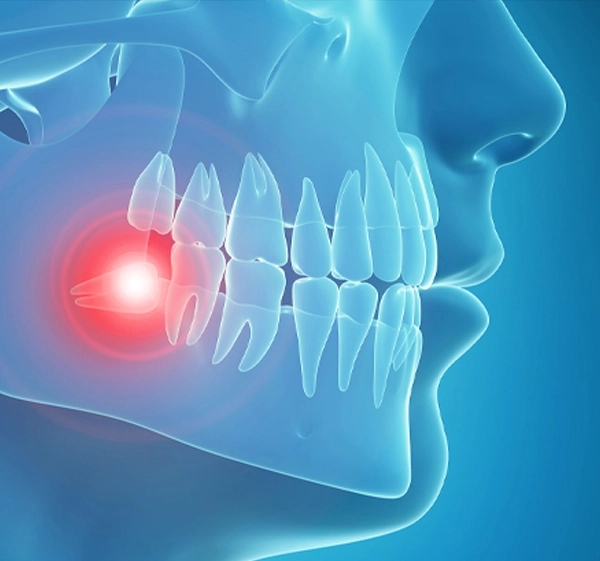
Our ancestors, thousands of years ago in the hunter-gatherer era, ate much harder and raw foods. To chew these hard foods, they needed large jaws and extra teeth. Over time, however, the discovery of fire, the softening of food through cooking, and modern dietary habits brought about an evolutionary change. Humanity’s jawbones became smaller, yet the number of teeth produced remained the same. This shortage of space is exactly what causes wisdom teeth — the last to try to erupt in the mouth — or sometimes canine teeth, to become trapped, or “impacted,” inside the jawbone.
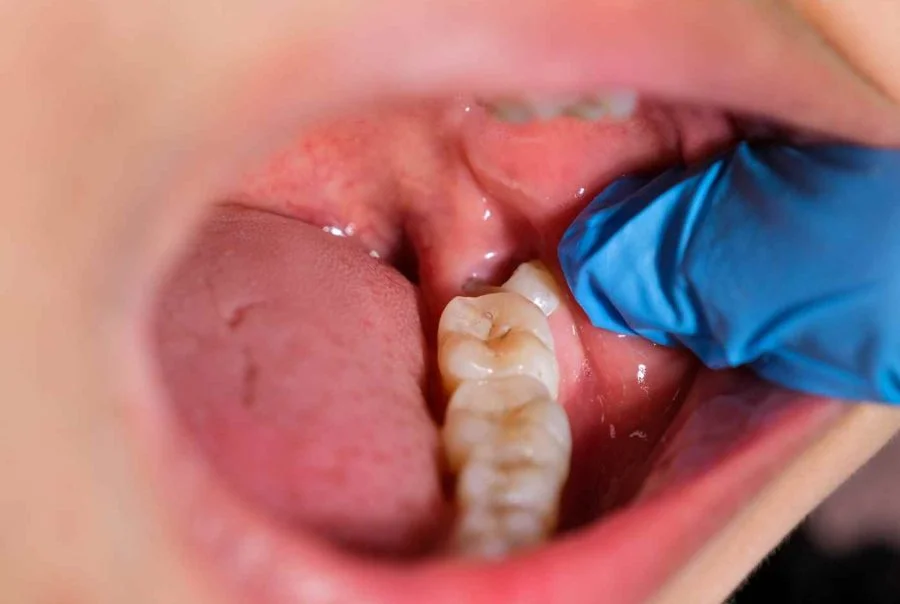
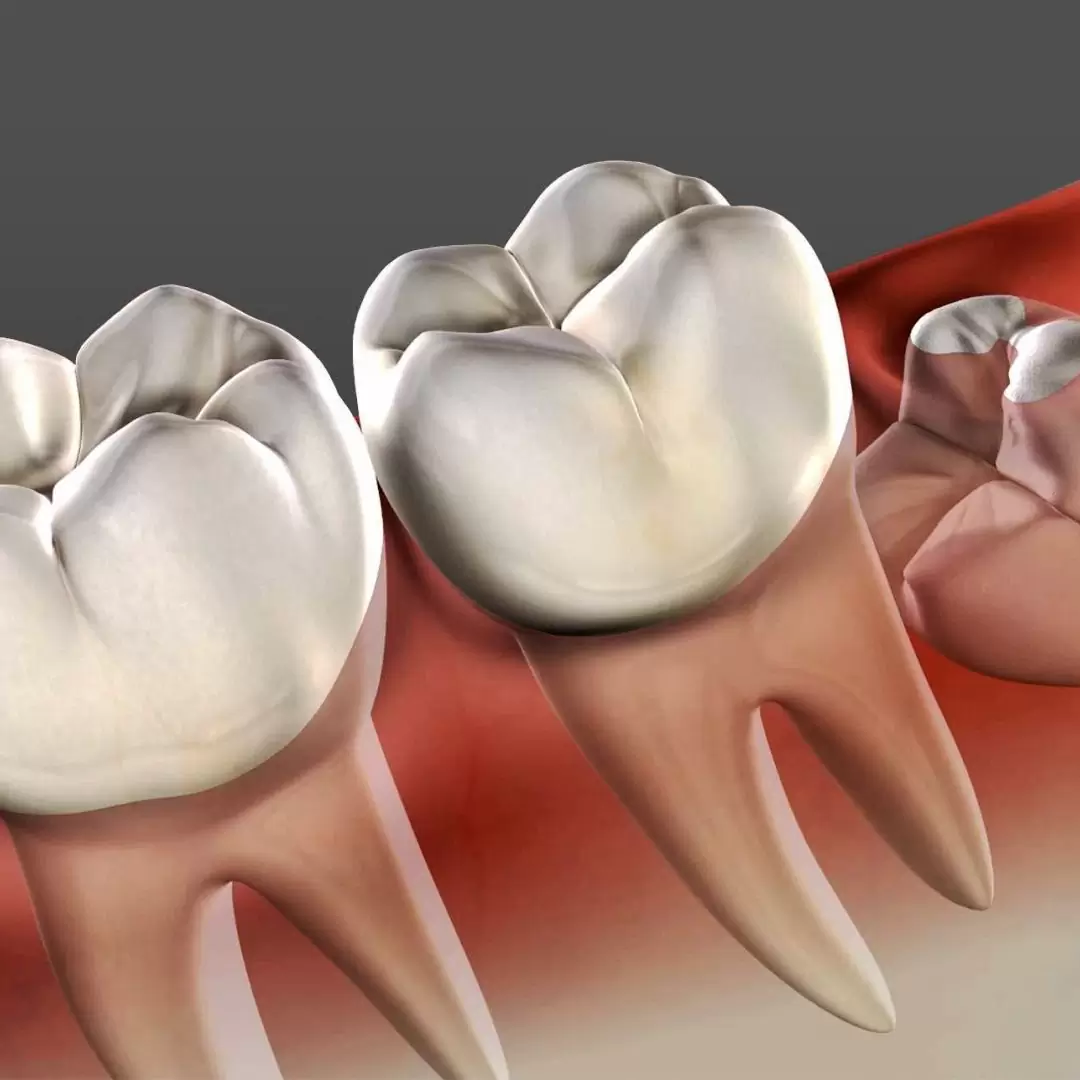
Impacted teeth may remain entirely within the bone, or a portion of them may break through the gum and open into the oral environment (partially impacted). The most important factor determining the treatment decision is precisely this position and the damage the tooth causes to the surrounding tissues.
In Which Cases Is Extraction of an Impacted Tooth Absolutely Necessary?
The basic principle in jaw surgery is to preserve the patient’s own natural tissue as much as possible. However, when an impacted tooth becomes a “ticking time bomb” threatening the oral ecosystem, extraction becomes unavoidable. The main risk factors that lead Opc Klinik specialists to decide on extraction are as follows:
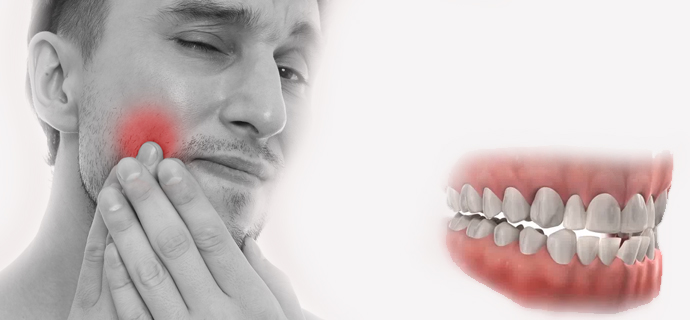
- Pericoronitis (Gum Infection): A pocket-like gap forms in the gum tissue around partially impacted teeth. Food debris and bacteria that get trapped in this gap cannot be cleaned by brushing. Over time, this develops into what we call “pericoronitis” — an infection causing abscess, severe pain, bad odor, and difficulty swallowing. If this recurs, the tooth must be extracted.
- Damage to Neighboring Teeth: An impacted tooth positioned tilted forward (horizontally) while trying to erupt continuously presses against the root of the healthy second molar in front of it. This insidious pressure causes the front tooth to decay or its root to resorb. To avoid losing two teeth because of a single impacted tooth, the problematic tooth must be removed.
- Cyst and Tumor Formation: The follicle (protective sac) surrounding a tooth sitting quietly within the bone can, over time, turn into a fluid-filled cyst. As these cysts grow, they erode the jawbone and lay the groundwork for jaw fractures.
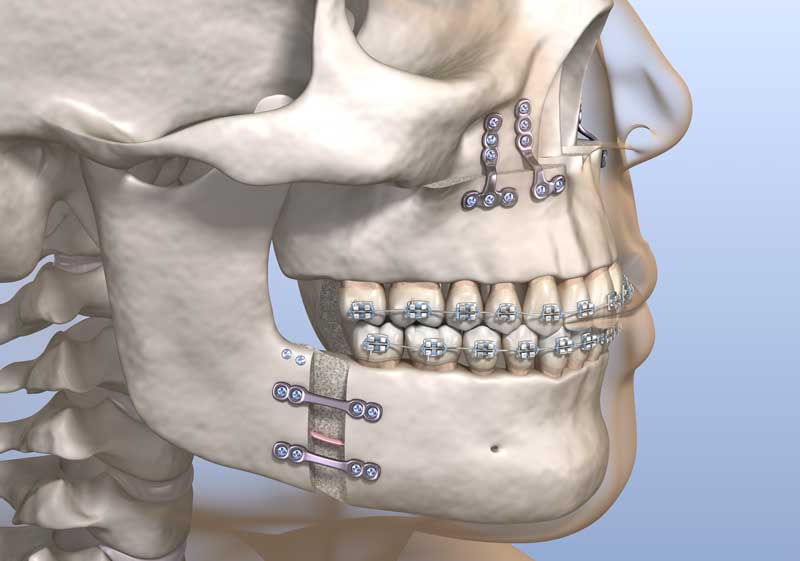
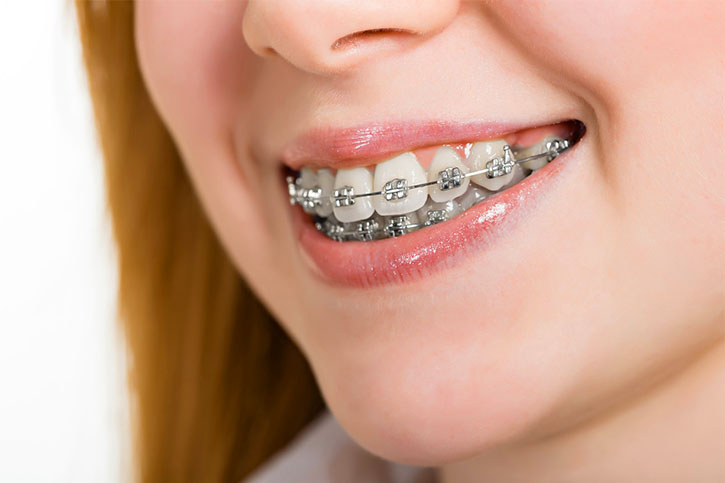
- Interference with Orthodontic Treatment (Braces): If you are undergoing orthodontic treatment, the pressure exerted from behind by impacted wisdom teeth can cause your other, already-corrected teeth to become crooked again. At the request of orthodontists, these teeth are extracted as a preventive measure.
Which Impacted Teeth Are Left Untouched? (Monitored Cases)
As we mentioned, not every impacted tooth is a “villain.” In detailed examinations performed at Opc Klinik Kadıköy (supported by CBCT — 3D Tomography), if the following conditions are met, we apply a “regular monitoring” protocol instead of extracting the tooth:
If the tooth is completely impacted within the bone with no contact whatsoever with the oral environment, and no sign of cystic formation is observed around it, it can be left in the mouth. In addition, if the tooth’s position is very close to the inferior alveolar nerve and the extraction procedure carries a risk of permanent lip numbness, a benefit-risk analysis can be performed and a decision made to leave the tooth in place. What matters is that the presence of these teeth is not forgotten and that their position is checked with annual X-rays.
Situation Analysis: Comparative Table
You can review the decision table we’ve prepared to help you understand more clearly what course of action will be taken regarding your impacted tooth:
| Clinical Situation / Symptoms | Doctor’s Approach | Rationale |
|---|---|---|
| Partially impacted, with frequent gum swelling and pain around it. | Must Definitely Be Extracted | Causes chronic pericoronitis (infection) and makes oral hygiene impossible. |
| Fully impacted, no pain, cystic shadow visible around it on X-ray. | Surgical Intervention Required | The cyst grows, erodes the jawbone, and causes surrounding damage. |
| Fully impacted, in a horizontal position but exerting no pressure on the front tooth. | Should Be Monitored (Observation) | As long as it causes no harm, it is monitored with annual X-rays to avoid unnecessary risk. |
| Orthodontic treatment finished; tendency to push teeth from behind. | Prophylactic (Preventive) Extraction | To prevent the previously corrected, aligned teeth from becoming misaligned again. |
Opc Klinik Kadıköy: Why Choose Us for Impacted Tooth Surgery?
As important as deciding to extract a tooth is who performs the procedure and under what conditions. The word “surgery” can understandably create tension in many of our patients. However, as the Opc Klinik family, operating in Kadıköy / Istanbul, we blend advanced technology with compassionate communication to make this process as comfortable and trustworthy as possible for you.
Here’s how the process works when you come to our clinic: In impacted tooth cases where two-dimensional X-rays fall short, we use 3D Volumetric Jaw Tomography (CBCT) to measure, with millimetric precision, the distance between your tooth and the nerves, sinuses, and neighboring teeth. This way, we reduce any potential “surprises” during the procedure to zero. Our experienced jaw surgeons completely numb the area using modern local anesthesia techniques, completing your procedure without you feeling any pain or discomfort. With personalized post-treatment recovery protocols and ice-application guidance, you’re able to return to your daily life as quickly as possible.
Frequently Asked Questions (AEO Compliant)
Is impacted tooth extraction surgery difficult, and is it very painful?
Since the area is completely numbed during the procedure, it’s impossible to feel pain — you may only feel slight pressure. The post-procedure recovery process varies depending on how difficult the tooth’s position within the bone was. Thanks to the pain relievers and antibiotics your doctor will prescribe, you can get through this process with the ease of a simple tooth extraction. Regular ice application during the first 24 hours largely prevents potential swelling.
Will my face shape change if I don’t have my impacted wisdom tooth extracted?
Impacted teeth on their own have no effect on face shape or jaw asymmetry. However, due to the intense pressure they exert on the front teeth over time, crowding (overlapping) may occur in your front teeth. This can indirectly have a negative effect on the aesthetics of your smile.
Should I have my impacted teeth extracted before pregnancy?
If you have a partially impacted wisdom tooth that is potentially prone to causing infection (abscess), it is definitely recommended to have it extracted before planning pregnancy. This is because the hormonal changes experienced during pregnancy can trigger gum infections. Since antibiotic use and X-rays are limited during pregnancy, resolving these kinds of issues beforehand is the safest path for the health of both mother and baby.
Conclusion: Grow Your Precautions, Not Your Fears
Impacted teeth are like a small evolutionary game nature has played with our jaw structure. While not every one of them requires extraction, the only way to find out whether you have a ticking time bomb in your mouth is to be examined by a specialist jaw surgeon. Impacted teeth that are diagnosed early and extracted with the right planning protect you from much greater bone loss, severe pain, and costly treatments in the future.
If you’re experiencing an unclear ache in the back of your jaw, swelling in your gums, or simply want to have your situation checked for peace of mind, the jaw surgery specialists at Opc Klinik in Kadıköy, with their innovative and patient-focused approach, are just a phone call away.