What Should Be Considered After Laminate Veneer Application?
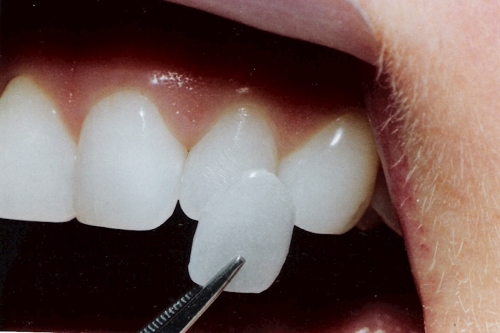
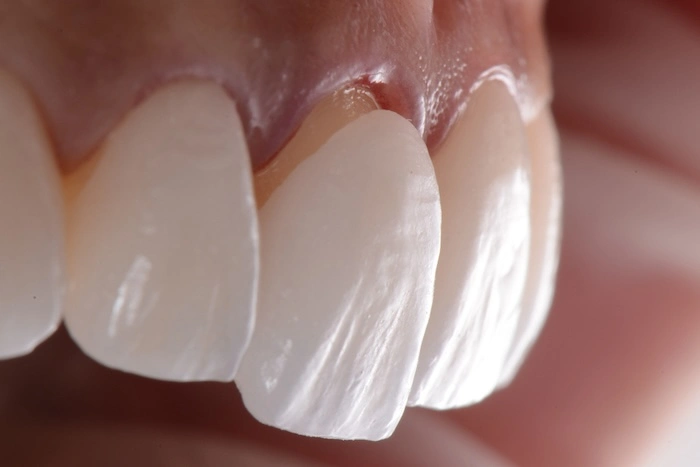
What needs to be considered after laminate veneer application is of great importance for individuals to maintain their aesthetic and functional gains in the long term. These thin ceramic materials, also known as leaf porcelain in dentistry, are integrated into the front surfaces of the teeth facing the lips and cheeks with the help of special agents. The end of the application phase does not mean the process is over; on the contrary, it marks the beginning of a new period where the individual creates a daily care routine compatible with their new dental profile. Due to the nature of porcelain materials, their surfaces are extremely smooth and structurally highly resistant. However, the margins where the porcelain attaches to the tooth, the surrounding gingival (gum) tissue, and the health of the underlying natural tooth enamel are factors that directly affect the overall integrity of the veneers. Therefore, following a successful restoration performed by the dentist, it is expected that the individual will manage the control and care through their own habits.
After the clinical procedures are completed, it takes a certain amount of time for the intraoral tissues to adapt to their new form. In the first few days, fine details such as the closing position of the lips, the contact of the tongue with the teeth, and articulation during speech gradually return to normal as the brain perceives this new physical state. Oral care habits to be applied in daily life, the structural features of the foods consumed, and parafunctional movements for the jaw joint (such as teeth clenching), if any, emerge as the main factors shaping the lifespan of the restorations. Viewed from an informative perspective, understanding the nature of laminate veneers provides a clear roadmap on how they should be approached. In this comprehensive content, all necessary details, from the processes that may be experienced immediately after the application to long-term care routines, are discussed in a transparent language.
What Sensitivities Can Be Observed in the First Days After Laminate Veneer Application?
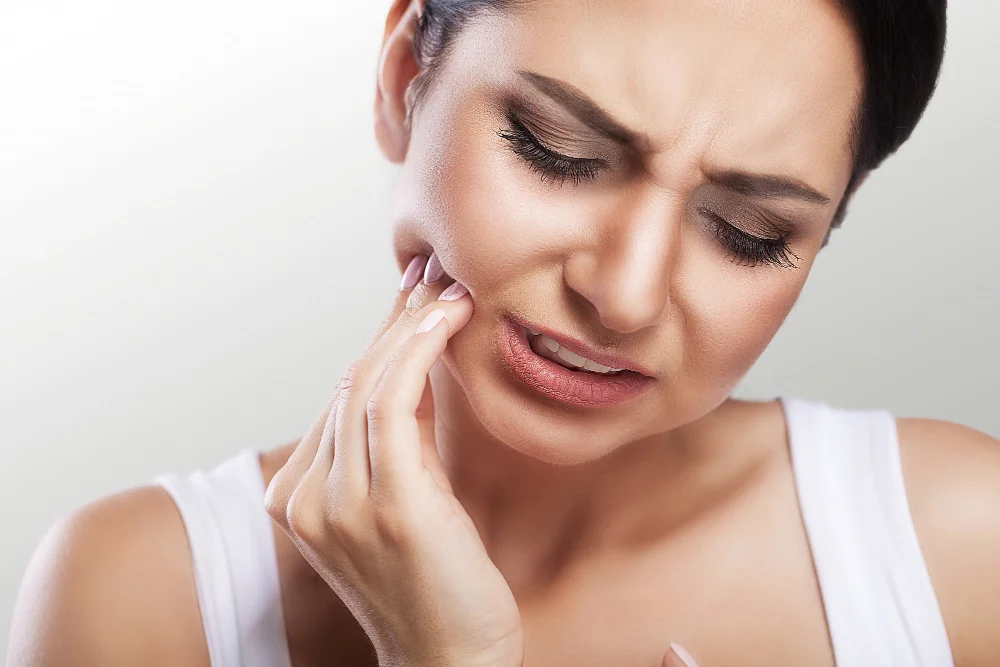
The sensitivities that can be observed in the first days after laminate veneer application emerge as a natural reflection of the preparation stages on the tooth surface and the bonding procedures. In order for the restorations to adapt to the tooth, a minor abrasion, usually at the millimetric level, is performed on the enamel layer. This abrasion can cause the microscopic channels in the inner layers of the tooth to become slightly more exposed to the external environment. The special resin cements and light-curing devices used during the bonding process create a temporary thermal reaction on the tooth tissue. As a result of these biological and chemical interactions, it is expected to feel momentary twinges during the consumption of hot, cold, or sweet food and drinks within the first few days of the application.
In addition to sensitivity, the adaptation phase of the gums to the margins of the laminates also draws attention in these first days. The fine work done at the gum margins during the procedure and the contact of the materials with the tissue can create a slight feeling of tension in the gums. Since the individual’s tongue encounters a tissue (the smooth surface of the porcelain or its marginal borders) different from the tooth surface it was previously familiar with, they may initially perceive their teeth as thicker or different than normal. All this physiological adaptation process is a part of the body’s normal functioning and often gradually decreases and disappears within a few weeks without the need for intervention. During this phase, staying away from extremely hot or ice-cold drinks for a while and using desensitizing toothpastes help increase the individual’s comfort.
Situations That May Be Encountered in the First Days and Process Management
| Observed Situation | Cause | Recommended Approach |
|---|---|---|
| Thermal Sensitivity (Hot/Cold) | Millimetric abrasions on the enamel surface and thermal effect of adhesive agents. | Avoiding extreme temperature changes, using desensitizing toothpaste. |
| Slight Tension in the Gums | Tissue contact during impression and bonding stages, adaptation process to the new material. | Brushing with a soft brush using gentle movements, keeping the area clean. |
| Temporary Difference in Speech | The tongue’s adaptation phase to the new tooth form and lengths. | Doing continuous reading practices; usually returns to normal within a few days. |
| Feeling of Thickness or Unfamiliarity | Adaptation of lip and cheek muscles to the restoration volume. | It is a natural process; lips should be expected to get used to it without intervention. |
How Should Oral and Dental Care Be Conducted After Laminate Veneers?
When conducting oral and dental care after laminate veneers, the basis should be both to preserve the shine of the ceramic structure and to keep the gum and natural tooth tissues adjacent to the restoration away from bacteria. Due to their structure, laminates are more resistant to plaque retention compared to natural teeth; however, the margin areas where the restoration joins the tooth are areas where bacterial plaque can accumulate and require care. It is of great importance to brush at least twice a day with a standard-formula toothpaste containing fluoride and no abrasive particles (large granules). Since toothpastes marketed as “whitening” containing dense abrasive silica can dull the special polish layer on the porcelain over time, it is recommended to refrain from continuous use of such products.
Brush selection also plays a role in the long-term success of the process. Hard-bristled brushes both pave the way for gum recession by causing mechanical trauma to the gums and can damage the restoration margins. For this reason, toothbrushes with “soft” or “medium” bristles should be preferred, and the brushing process should be carried out with “sweeping” or “circular” movements from the gum towards the tooth, not with horizontal, hard strokes. A possible recession in the gums can negatively affect the aesthetic appearance as it will expose the tooth root under the laminate. In addition to manual brushes, if deemed appropriate by the dentist, electric toothbrushes with pressure sensors can also be easily integrated into the daily cleaning routine when applied with the correct technique.
What Details Should Be Considered in Eating and Drinking Habits?
In eating and drinking habits, paying attention to certain details in order to manage the intense mechanical forces that thin leaf porcelains may be exposed to is a fundamental factor that protects the process. Laminates are very strongly bonded to the tooth surface with high-tech agents called “resin cement” and are resistant to normal chewing forces. However, since these restorations only cover the front surface of the tooth, they can be slightly more sensitive to “tearing” and “lever” movements compared to natural teeth. Especially trying to bite and tear off a whole apple, a hard carrot, or a quince with the front teeth can put excessive load on the incisal edges of the thin ceramic and lead to minor chipping. Therefore, it is recommended to consume such hard or whole foods by slicing them with a knife and chewing them with the back group of teeth (molars).
Likewise, trying to crack the shells of nuts such as hazelnuts, walnuts, and pistachios with the front teeth, or accidentally biting hard on the pit while consuming pitted fruits like olives or cherries can cause damage to the porcelain surface. Continuous consumption of highly sticky foods such as caramel, taffy, or dense Turkish delight sticks to the margins of the restoration, making cleaning difficult. Making these minor changes in the dietary routines a habit allows the laminate restorations to preserve their physical integrity for many years.
General Guide for Consumption Habits
| Food or Habit Type | Consumption Method or Condition | Mechanical Effect |
|---|---|---|
| Apple, Carrot, Quince (Whole Fruits) | Should be sliced and chewed with the back teeth. Should not be bitten off with the front teeth. | Can create a lever effect, leading to minor fractures at the tips of the porcelain. |
| Nuts (Walnuts, Peanuts/Pistachios) | Shells should never be cracked with teeth; they should be shelled outside. | Applying high pressure causes the restoration to crack. |
| Pitted Foods (Olives, Plums) | Care should be taken not to apply sudden force to the pit while consuming. | Creating a sudden impact force can damage the ceramic structure. |
| Nail Biting, Pen Biting | These parafunctional habits should be avoided. | Constantly repeated microtraumas lead to material fatigue. |
How Does OPC Klinik Follow the Post-Procedure Process for Clients in the Kozyatağı Region?
OPC Klinik, which provides meticulous service to its clients in the Kozyatağı region, carries out a systematic follow-up protocol after the completion of the laminate veneer process to evaluate the long-term harmony of the restorations with intraoral dynamics. The process does not end on the day the veneers are bonded; tissue healing of the body and the response of the porcelains to chewing forces are closely monitored. Individuals are invited for a control session within the first week or ten days following the procedure. In this first check-up, the biological response developed by the gums against the porcelain margins is examined, microscopic cleaning of adhesive (cement) residues, if any, is performed, and the lower-upper tooth closure contacts (occlusion) are tested with special articulating papers. If an unwanted premature contact or friction is detected at certain points, this load distribution is balanced with millimetric polishing procedures.
Within the framework of the regional service approach, flexible appointment times suitable for the daily life and work rhythms of our visitors reaching our clinic from around Kozyatağı are planned to ensure that routine controls are not interrupted. In our OPC Klinik organization, individuals are explained with practical applications how to maintain oral hygiene with their new restorations, and guidance is provided on choosing the right equipment for interdental cleaning. Through these systematic follow-ups performed at regular intervals (usually every 6 months), minor problems that are invisible to the eye or unnoticed by the patient can be detected at an early stage; thus, the use of restorations with long-lasting comfort is supported.
How Should Those with a Teeth Clenching (Bruxism) Habit Manage the Process?
Those who have a habit of teeth clenching or grinding (bruxism) should manage the process much more consciously, being aware of the uncontrolled and high-intensity forces they apply to their jaws during sleep or stress. The human jaw has the capacity to produce pressures exceeding 100 kilograms with the contraction of the chewing muscles. While this pressure is absorbed by food during a normal chewing function, these forces accumulate on the tooth surfaces in case of direct friction of the teeth against each other (grinding) during sleep at night. This condition, which leads to abrasions and micro-cracks even in natural teeth, poses a mechanical risk for the thin ceramic laminates located on the front surface of the tooth.
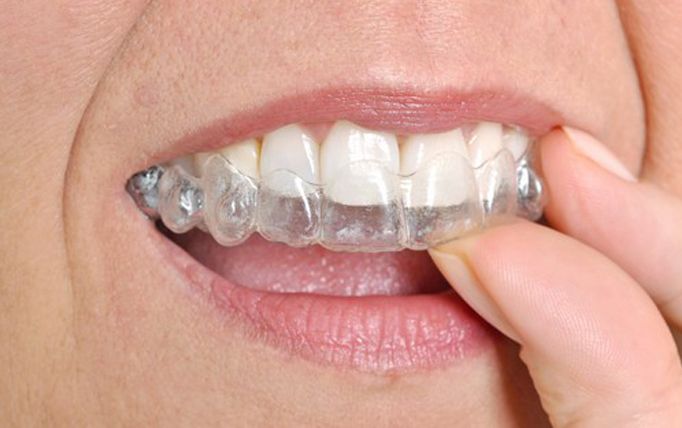
In order to balance the destructive effects of these parafunctional forces, preparing a special “night guard” (occlusal splint) for the individual after the laminate application is a great necessity. These plates, which are prepared with an impression suitable for the lower or upper jaw dental arch, transparent, and usually in a hard-acrylic structure, are worn by the individual every night before going to sleep. The night guard cuts the direct contact between the lower and upper teeth like a shield, ensuring that the force is distributed evenly to the joints and porcelains, relieves muscle tension, and protects the surface of the restorations against possible frictional traumas. For individuals who find themselves clenching their teeth during the daytime, massaging the jaw muscles and applying stress management practices are among the valuable steps that support the process.
How is the Color Integrity of Laminate Veneers Protected?
Protecting the color integrity of laminate veneers involves combining the physical advantages of the ceramic material with proper oral care. Porcelain (glass ceramic) materials used in dentistry have a non-porous and extremely smooth surface structure as they are baked at very high temperatures in a laboratory environment. Thanks to these chemical and physical properties, the porcelain itself does not absorb intense coloring agents such as tea, coffee, red wine, cherry juice, or cigarettes, and preserves its bright color of the first day for many years. However, this does not mean that the entire structure in the mouth will not change color.
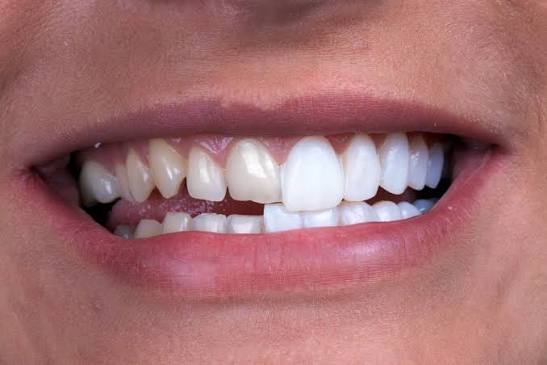
While laminates only cover the front surface of the tooth, the back surfaces (palatal/lingual parts) and the other teeth where porcelain is not applied (for example, the lower jaw or back molars) remain in the form of natural enamel tissue. If intense coloring food or tobacco consumption is continued and daily brushing is neglected, yellowing occurs in these natural teeth. As a result, an unaesthetic contrast occurs between the bright white laminates and the yellowed natural teeth or discolored gums. In addition, not interrupting the twice-a-day brushing routine and rinsing the mouth with water after consuming dark-colored drinks are the basic steps to be taken in order to protect color integrity and support the prevention of minor stains that may occur due to plaque accumulation at the margin line where the tooth and porcelain meet.
Why is the Use of Dental Floss and Interdental Brushes Important?
The use of dental floss and interdental brushes is just as important as classic tooth brushing for individuals who have undergone laminate veneer procedures in order to maintain gum health and keep decay formation under control on the interproximal surfaces adjacent to the restorations. While the bristles of the toothbrush can easily clean the wide surfaces of the teeth on the lip, cheek, and tongue sides, they are insufficient to reach the narrow interdental areas where two teeth touch each other and just inside the gingival pocket. In laminate restorations, since each tooth is coated independently and separately (they are not connected to each other like a bridge), it is normal and expected for dental floss to pass between the teeth.
Food residues and bacterial plaque accumulating on these interfaces turn into acid over time if not cleaned, leading to inflammation (gingivitis) in the gum. The inflamed gum swells, bleeds, and recedes over time, causing the natural tooth root under the porcelain to become exposed. When the root is exposed, both the aesthetic line is disrupted and the root surface becomes susceptible to decay. To prevent this scenario, the points where the teeth touch each other should be gently cleaned every night before going to bed using a waxed dental floss or an interdental brush of the thickness recommended by the dentist. When using dental floss, using a gentle sweeping technique by leaning it against the tooth, as if drawing a ‘C’ shape, instead of hard up-and-down movements, prevents damaging the tissues.
What Behaviors Should Not Become a Habit After the Process?
Behaviors that should not become a habit after the process generally cover actions that apply non-functional mechanical loads to the teeth, termed “parafunctional habits.” Habits such as biting the lips or cheeks, biting on hard objects like the back of a pen, paper clips, or hairpins, nail-biting, and trying to tear open stretch films or packaging with the teeth are sources of serious mechanical trauma for laminate veneers. Even though thin ceramic materials are produced to withstand pressure, such sudden and reverse forces applied to the incisal edges lead to stress accumulation in the porcelain structure.
Furthermore, cracking sunflower seeds with the front teeth is another habit that carries risks for porcelain restorations. Since the seed-cracking movement constantly applies friction and pressure to the same point, it can pave the way for abrasions or small “V”-shaped fractures at the tips of the porcelain over time. If such foods are to be consumed, peeling the seeds by hand or using the back teeth are small but effective lifestyle changes that should be adopted in order to protect aesthetic investments in the long term.
At What Intervals Should Regular Dentist Check-Ups Be Performed and What is Their Contribution to the Process?
Attending regular dentist check-ups in six-month or annual periods without interruption is a critical process for individuals with laminate veneers to protect their oral health and monitor the condition of existing restorations. Many details that cannot be noticed by the eye or felt can be detected at an early stage through examinations under magnifying systems (loupes) by the physician and radiographic investigations. The adaptation at the margin lines where the porcelain and the tooth meet, the state of healthy tissue in the gingival pockets, and interproximal cavities that may occur in the natural teeth surrounding the restoration are examined in detail during these controls.
In addition, during these appointments, accumulated dental calculus, if any, is cleaned to eliminate plaque retention. If darkening of color that may occur in natural teeth over time due to nutritional habits is detected, minor polishing or protective whitening (touch-up) procedures can be performed on natural teeth to restore color harmony with the porcelains. In case chewing forces may change over time, closure (occlusion) tests are repeated. The table outlined below details the scope of routine controls and their long-term contributions to the process.
Scope and Benefits of Routine Clinical Controls
| Control Step | Application Content | Contribution to the Process |
|---|---|---|
| Marginal (Edge) Adaptation Check | Examination of the border where porcelain meets the gum and enamel with a probe (instrument). | Early detection of possible microleakages, loss of adhesive, and secondary caries. |
| Gingival (Periodontal) Examination | Measurement of gingival pocket depths and detection of bleeding foci. | Preserving the aesthetic boundary by preventing gum recessions. |
| Occlusion (Bite) Analysis | Testing the contact points of the lower and upper jaw with articulating papers. | Protecting the porcelain against fracture by detecting areas bearing excessive loads. |
| Professional Polishing and Cleaning | Cleaning accumulated dental calculus and surface plaque with ultrasonic instruments. | Refreshing surrounding tissues and preserving the color of natural teeth. |
Frequently Asked Questions
1. Is it normal to feel twinges in my teeth after laminate veneers are applied?
It is a normal reaction of the body to feel a slight sensitivity (twinge) to cold and hot foods during the first few days following the procedure due to minor abrasions in the enamel layer and the thermal interactions created by the adhesive agents.
2. Can I eat by biting apples or carrots with my new teeth?
Although porcelain leaves are resistant to chewing forces, performing a biting off (lever) motion on whole and hard foods with the front teeth can cause the material to break from the edge. It is recommended to consume these foods by slicing them.
3. Do laminate surfaces yellow over time?
Since ceramic (porcelain) materials are produced at high temperatures, their surfaces are as smooth as glass and do not yellow with external factors such as tea, coffee, or cigarettes. However, if not cleaned well, plaque can accumulate on the margins or natural tooth parts can change color.
4. Should I change my tooth brushing technique after getting laminates?
Hard-bristled brushes and horizontal hard brushing movements should be avoided. To avoid damaging the gums and to protect the restoration margins, brushing should be done with a soft-bristled brush using a “sweeping” motion from the gum towards the tooth.
5. If I use dental floss while I have veneers, will they come off?
No, dental floss applied with the correct technique will not dislodge the veneer; on the contrary, it protects gum health by preventing bacteria accumulation on the interproximal surfaces of the teeth. Gently sliding the floss by leaning it against the tooth is the foundation of healthy care.
6. How often are check-ups planned in the post-OPC Klinik process?
Following the adaptation and closure control in the first week, in our organization serving clients in the Kozyatağı region, clinical visits are routinely planned in six-month periods to monitor general oral and restoration health.
7. What kind of problems can I experience if I do not use a night guard (splint)?
If you have a habit of clenching or grinding your teeth during sleep and do not use the night guard recommended by your dentist, excessive and uncontrolled loads on the ceramic surfaces can cause the restorations to crack or dislodge.
8. What should I do if I experience gum bleeding?
Gum bleeding indicates that bacterial plaque cannot be cleaned adequately in that area and inflammation has occurred. Instead of being afraid of bleeding and stopping brushing that area, you should clean it more carefully and consult a dentist if the situation continues.
9. What kind of toothpastes should I avoid using?
Toothpastes that say “whitening” on them, contain granules, and have highly abrasive particles (silica, etc.) should be avoided. Such pastes can scratch the special polish of the porcelain over time, causing it to become dull.
10. There is a small chip (fracture) on the edge of my porcelain veneer, can it be repaired?
It is difficult to repair porcelain materials directly in the mouth with additions (like composites). Minor chips can be smoothed and made aesthetic with special polishing rubbers, but if the fracture size is large, replacing the relevant laminate can be planned.
11. Do electric toothbrushes damage laminate veneers?
When appropriate (soft) brush heads are attached and used without applying excessive pressure to the tooth, electric toothbrushes do not damage laminates. Models with a pressure sensor provide support by preventing you from applying too much force.
12. Will decay occur again in the tooth with the applied laminate?
The porcelain material itself does not decay; however, the back surfaces where the restoration is not applied (natural enamel) and the junction margin of the tooth and porcelain can become vulnerable to decay as a result of bacteria accumulation if oral hygiene is neglected.
13. Do mouthwashes affect porcelains?
The use of standard, fluoride-containing, and alcohol-free mouthwashes does not have a negative effect on porcelains; on the contrary, it supports gum health. However, the continuous use of acidic solutions containing a high amount of alcohol should be under dentist supervision.
14. Should an extra precaution be taken to protect laminates while doing sports?
It is recommended for individuals involved in contact sports with a risk of receiving a blow to the face and jaw, such as boxing, basketball, or martial arts, to use special athletic mouthguards to absorb the trauma placed on the teeth during training and matches.
15. Does cracking sunflower seeds damage veneers?
Constantly cracking seeds with the front teeth is a risky habit that can lead to fatigue, abrasions, or “V”-shaped fractures on the incisal edges of the porcelains because it repeatedly applies mechanical friction and impact force to the same point.