Impacted Tooth Surgery: Permanent Relief from Pain and Risks
Some teeth may fail to erupt at the normal time or in the ideal position, becoming completely or partially trapped within the jawbone. This condition, called an impacted tooth, can negatively impact daily life and even lead to serious health problems. While impacted teeth are particularly common in wisdom teeth, they can also occur in other teeth, such as canines. The potential risks caused by this condition, such as chronic pain, infection, damage to neighboring teeth, and cyst formation, require professional surgical intervention. At OPC Clinic, we provide our patients with safe relief from these potential risks through Kadıköy Impacted Tooth Surgery, which we perform with the latest technology and expert knowledge. You can find answers to all your questions about impacted tooth surgery on this comprehensive service page.
What is Impacted Tooth Surgery?
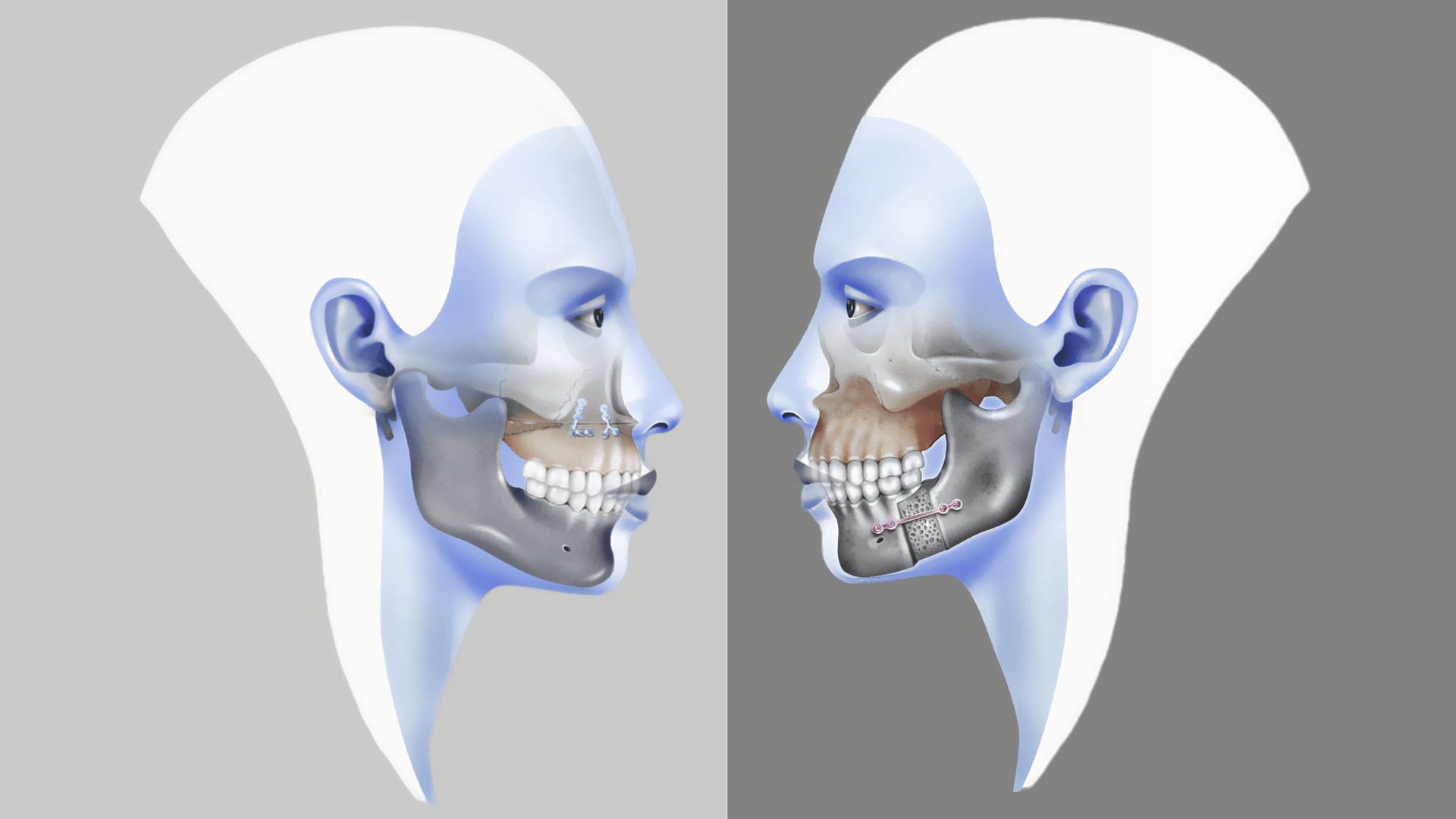
Impacted tooth surgery is the surgical removal of teeth that are trapped within the jawbone or have not erupted in the correct position. This procedure is usually performed by oral and maxillofacial surgeons, and its primary goal is to address existing problems caused by the impacted tooth and protect oral health by eliminating future risks. The location, angle, and complex relationship of the impacted tooth with the surrounding tissues (nerves and neighboring teeth) determine the difficulty of the surgery. The surgery involves not only the extraction of the tooth but also steps such as repairing the surrounding tissues and cleaning the area.
How is Impacted Tooth Surgery Performed and When is It Necessary?
The necessity of impacted tooth surgery is determined primarily through a detailed clinical and radiological examination. In our clinic, we use advanced imaging methods such as panoramic X-rays and 3D dental tomography to clearly visualize the impacted tooth’s location, angle, proximity to the nerves, and potential damage to neighboring teeth. Empty tooth surgery is generally recommended in the following situations:
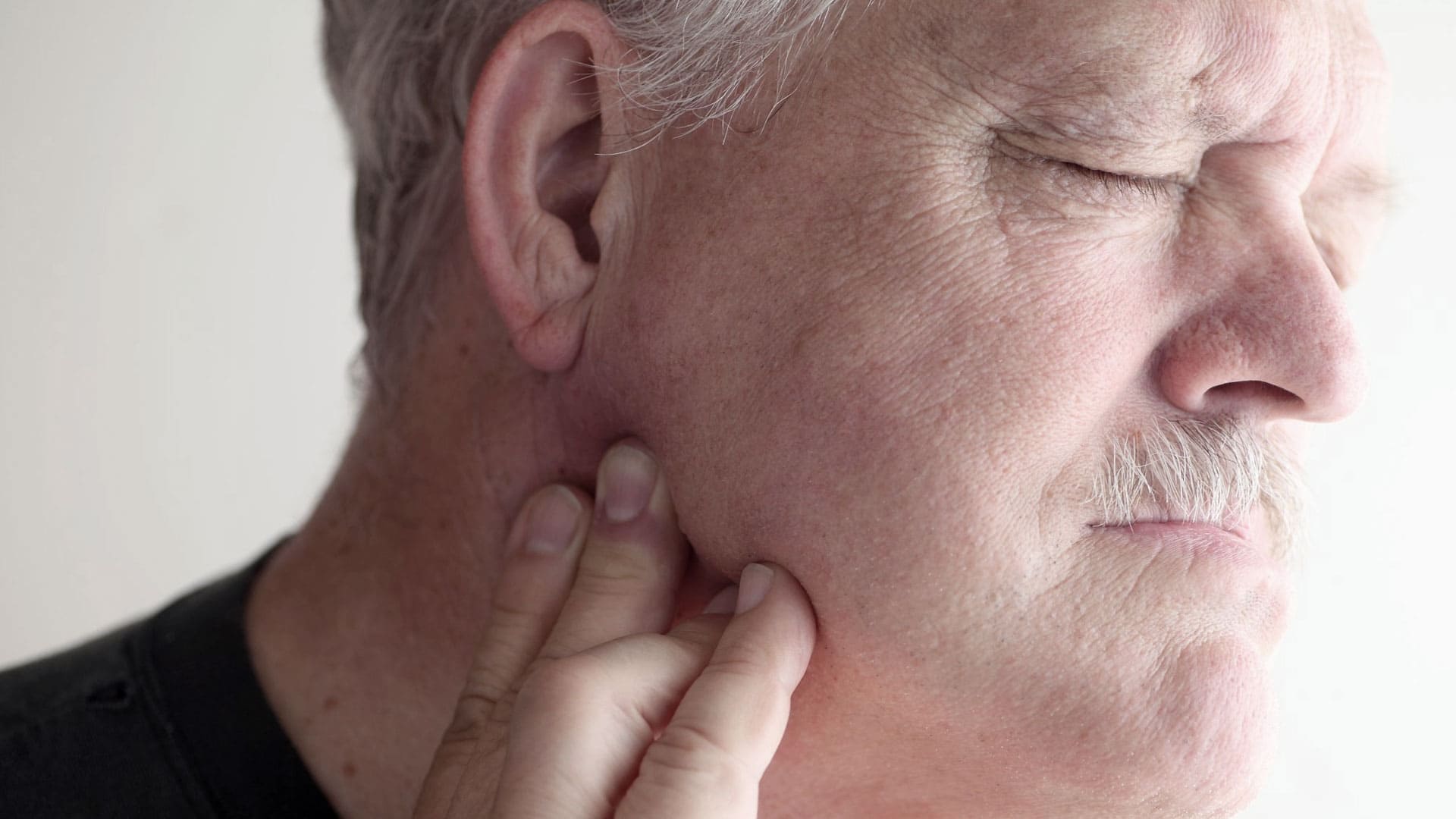
- Pain and Swelling: Severe, chronic pain or swelling in the jaw and face caused by an impacted tooth.
- Pericoronitis: Inflammation of the gum tissue covering the impacted tooth (pericoronitis), which can cause bad breath and pain.
- Damage to Adjacent Teeth: An impacted tooth presses on the root of an adjacent tooth, causing damage or decay.
- Cyst or Tumor Formation: Pathological lesions, such as cysts or benign tumors, form around the impacted tooth.
- Orthodontic Treatment: An impacted tooth disrupts the orthodontic treatment plan or prevents the teeth from aligning properly.
- Preventive Purpose: The preventive removal of impacted teeth that have a high potential for future problems, even if they haven’t yet caused problems.
Who is and isn’t Suitable for Impacted Tooth Surgery?
Impacted tooth surgery is generally a safe and successful procedure for healthy individuals. The surgery carries minimal risks as long as it is planned and performed by a qualified oral and maxillofacial surgeon. However, as with any surgical procedure, surgery can be risky in some cases.
Who is Not Suitable for Impacted Tooth Surgery? The answers to the question are as follows:
- Uncontrolled Systemic Diseases: The risks of surgery may be increased in individuals with uncontrolled diabetes, serious heart disease, or blood clotting disorders. In this case, the patient’s general health should be evaluated by a team of specialists, and the surgical plan should be tailored accordingly.
- Heavy Smoking: Smoking negatively impacts the post-surgical recovery process, delays wound healing, and significantly increases the risk of infection.
- Elderly Individuals: In older patients with weakened bone structures, the surgery should be planned more carefully, and bone structure should be supported.
How is Impacted Tooth Surgery Performed?
Impacted tooth surgery is usually performed under local anesthesia to ensure patient comfort and a painless experience. The surgery proceeds in the following steps:
- Anesthesia and Preparation: The area where the procedure will be performed is completely numbed with local anesthesia. This way, the patient feels no pain during the procedure.
- Gum Opening: The gum tissue covering the tooth is surgically removed to access the impacted tooth.
- Bone Removal in Necessary Situations: If the tooth is completely encased in bone, a small amount of bone around the tooth is gently removed with special instruments.
- Tooth Extraction: Depending on its location and angle, the impacted tooth is extracted either in one piece or slowly in smaller pieces.
- Cleaning and Stitching: To minimize the risk of infection in the surgical area,The gum tissue is then cleaned and stitched back into place.
Side Effects, Success Rate, and Aftercare of Impacted Tooth Surgery
Some side effects may occur after impacted tooth surgery, but these are generally temporary and manageable. Possible side effects include swelling and bruising, pain, slight bleeding, occasional temporary numbness, and infection. However, these risks can be minimized with adherence to the doctor’s recommendations and regular checkups. The success rate of impacted tooth surgery is over 99% when an experienced surgeon and proper techniques are used. A successful surgery addresses existing problems caused by the impacted tooth and eliminates future risks.
The successful and smooth completion of treatment depends on proper postoperative care.
- Medication: Regularly use the antibiotics and painkillers recommended by your doctor.
- Diet: Consume only cold and liquid foods for the first 24 hours. Choose soft foods for the following days.
- Hygiene: Avoid touching the surgical site for the first day. The next day, begin gargling with a special mouthwash recommended by your doctor.
- Ice Compress: Control swelling by applying an ice compress to the outside of your cheek for the first 24 hours.
- Smoking and Alcohol: Avoid smoking and alcohol for at least 48 hours after surgery.
Comparison of Causes and Outcomes of Impacted Teeth
The table below summarizes the common causes of impacted teeth, their possible outcomes, and the need for surgery.
Professional Solutions for Your Health and Comfort
Impacted teeth no longer have to compromise your quality of life. With our expertise and experience in Impacted Tooth Surgery in Kadıköy, we resolve even the most complex cases safely and comfortably. Contact OPC Clinic for this investment in yourself and your oral health. Our expert team will be happy to create the most appropriate treatment plan for you.