Are Night Guards Effective? In Which Situations Do They Really Provide Benefit?
Although the term “night guard” is very commonly used in society, it is not actually a completely accurate definition. This is because every appliance used overnight is popularly called a night guard. However, there are appliances used for different purposes and with quite different characteristics from each other.
Therefore, it is necessary to first know which appliance is used for what purpose.
Not every night guard is the same
There are two different appliance treatments we apply most frequently in our clinic:
- Teeth clenching guard (protective guard)
- Occlusal splint (therapeutic splint)
Although the appearance of these two appliances is similar, their purpose of use and effects are completely different.
What does a teeth clenching guard do?
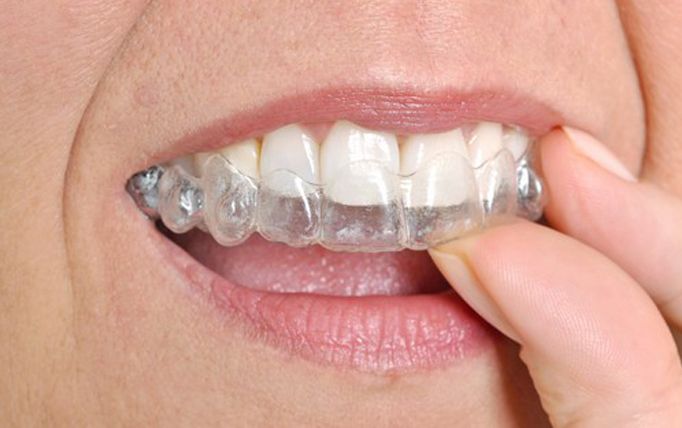
A teeth clenching guard is a hard and transparent appliance, generally 1-2 mm thick.
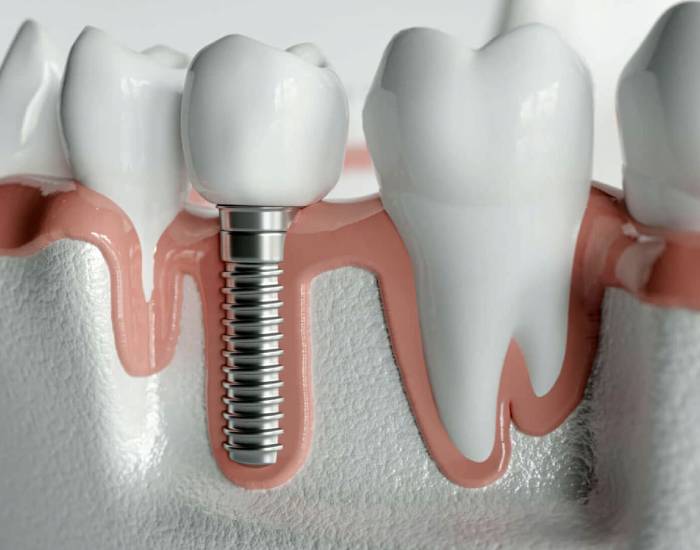
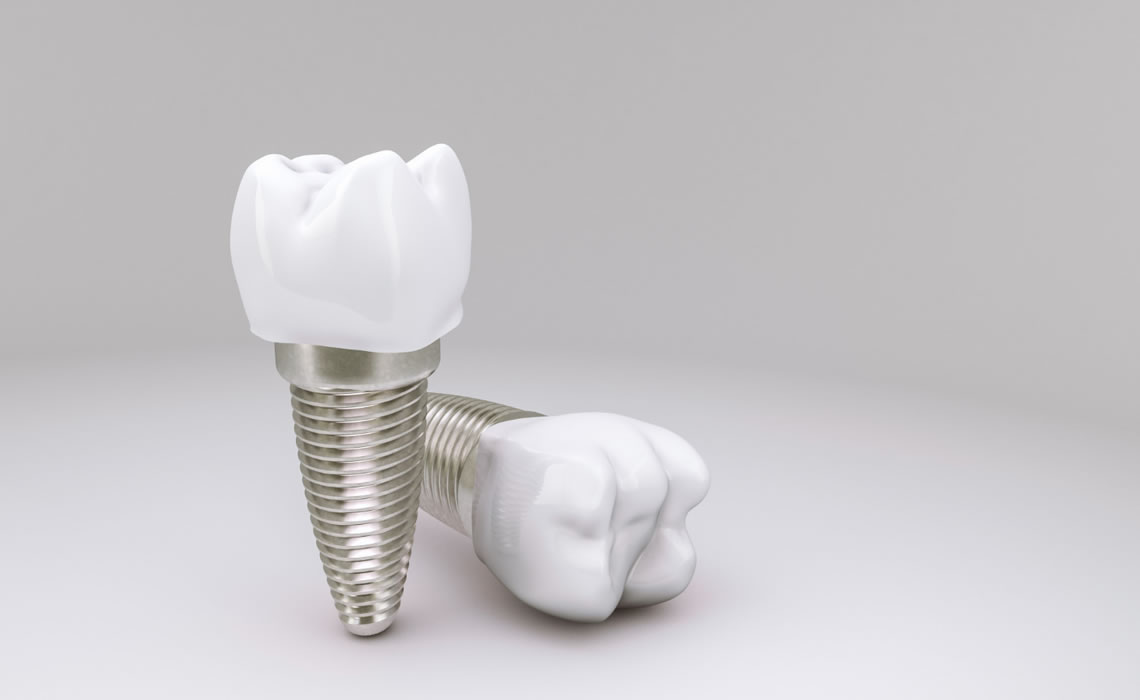
Its primary purpose is to reduce the damaging effects of nighttime teeth clenching and grinding on teeth, implants, laminates, crowns, and other restorations.
It is a protective treatment. It protects the teeth against wear but is not used alone to treat jaw joint diseases.
What is an occlusal splint?
If there are complaints in the jaw joint such as;
- pain,
- restriction in opening the mouth,
- joint sounds,
- discomfort during chewing
thin protective guards are often not sufficient.
In this case, the appliance we most frequently prefer for treatment purposes is the occlusal splint.
Occlusal splints are generally 4-6 mm thick, made of hard material, and the points where the teeth contact each other are customized specifically for the patient.
Its purpose in treatment is not only to protect the teeth. At the same time, it aims to:
- help relax the chewing muscles,
- reduce the load on the jaw joint,
- ensure the relief of the disc and surrounding tissues,
- contribute to the reduction of pain and loss of function.
How is an occlusal splint prepared?
The treatment process begins with a detailed examination.
In the first appointment, the jaw joint, chewing muscles, mouth opening, and jaw movements are evaluated. Splint treatment is not applied to every patient. If it is decided as a result of the examination that it is a suitable option for you, the impression stage begins.
In our clinic, impressions are taken with a digital intraoral scanner. Thus, a three-dimensional model of the teeth and jaws is obtained without the need for traditional impression materials.
The appliance is planned by the physician using these digital records and is generally prepared within 1-2 days.
In the second appointment, the most important stage, which is the adjustment process, is performed.
Even if the appliance is produced digitally, it is absolutely checked in detail inside the mouth. Contact points for each tooth are adjusted one by one, jaw movements are evaluated, and after the necessary corrections are made, the appliance is polished and delivered.
This stage is one of the most important steps that directly affects the success of the treatment.
How many hours a day should a night guard be used?
The duration of splint use can vary depending on the patient’s diagnosis and complaints.
In general, it is sufficient to use occlusal splints for 10-12 hours a day.
Our first preference is definitely for the appliance to be worn at night. This is because parafunctional habits such as teeth clenching and grinding mostly occur during sleep, and the person does not notice them. Therefore, the appliance shows its protective and therapeutic effects most during nighttime use.
For our patients who sleep less than 7-8 hours a night, I recommend an additional 3-4 hours of use during the day.
How long is a night guard used?
The treatment duration is not the same for every patient.
The duration can vary depending on the cause of the complaint, the condition of the jaw joint, and the response to the treatment. However, in most patients, splint treatment continues for approximately 6 months.
During this process, the appliance must be checked regularly. Usually, with 3-4 control appointments, contact points are re-evaluated, and minor adjustments are made if necessary.
Conclusion
A night guard does not serve the same purpose for every patient. Thin guards used only to protect the teeth and occlusal splints used in the treatment of jaw joint disorders are different from each other.
Therefore, if you have complaints such as jaw pain, restriction in opening the mouth, or joint sounds, an accurate diagnosis must first be made instead of using a ready-made night guard. A correctly planned splint treatment in the right patient can significantly contribute to both the reduction of pain and the improvement of jaw joint functions.