Who Is Suitable for Jaw Surgery Applications? Are You the Right Candidate?
If you are looking for permanent solutions regarding your oral health, the answer is sometimes not only on the surface of the teeth but hidden deep within the jawbone. Discover jaw surgery candidacy criteria under the guidance of OPC Clinic.
What Is the Scope of Jaw Surgery?
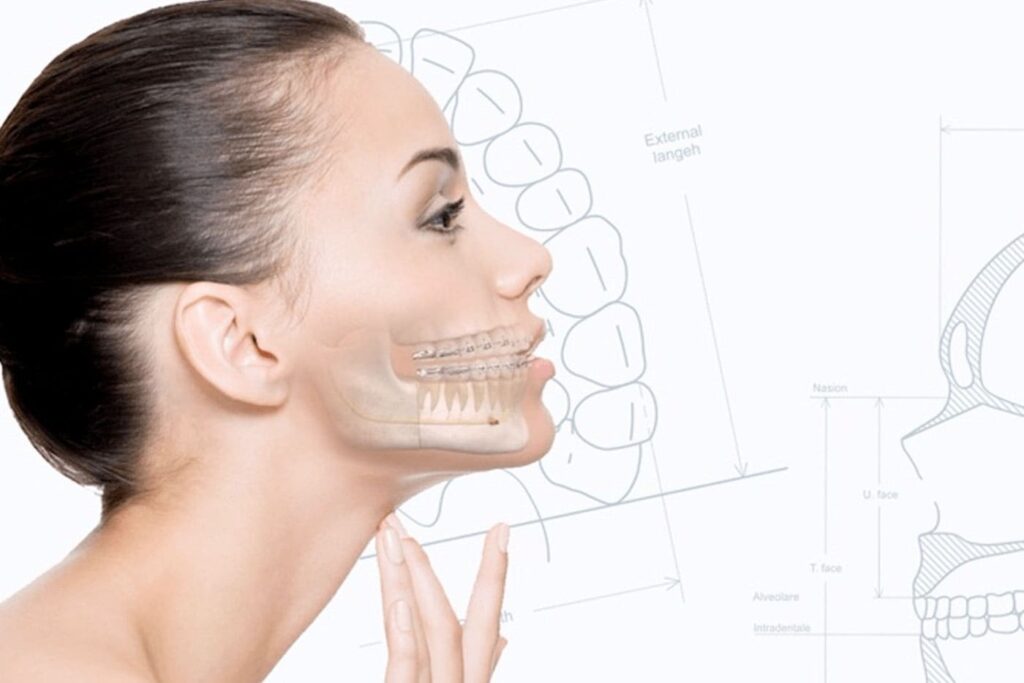
Jaw surgery (Maxillofacial Surgery) is a discipline that diagnoses and treats diseases, injuries, and aesthetic defects of the soft and hard tissues (bones) in the face, jaw, mouth, and neck regions. Procedures vary from minor interventions performed under local anesthesia to advanced bone reconstruction requiring general anesthesia. This wide scope also significantly expands the patient profile that can be treated.
Suitable Candidate Profiles for Jaw Surgery Applications
So, what are the common complaints and needs of patients who sit in the surgical chair at our clinic? Here are the most suitable candidate profiles for jaw surgery applications:
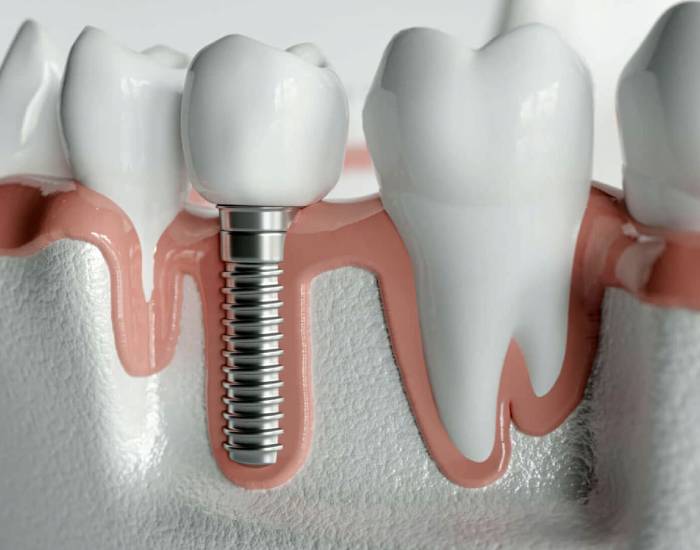
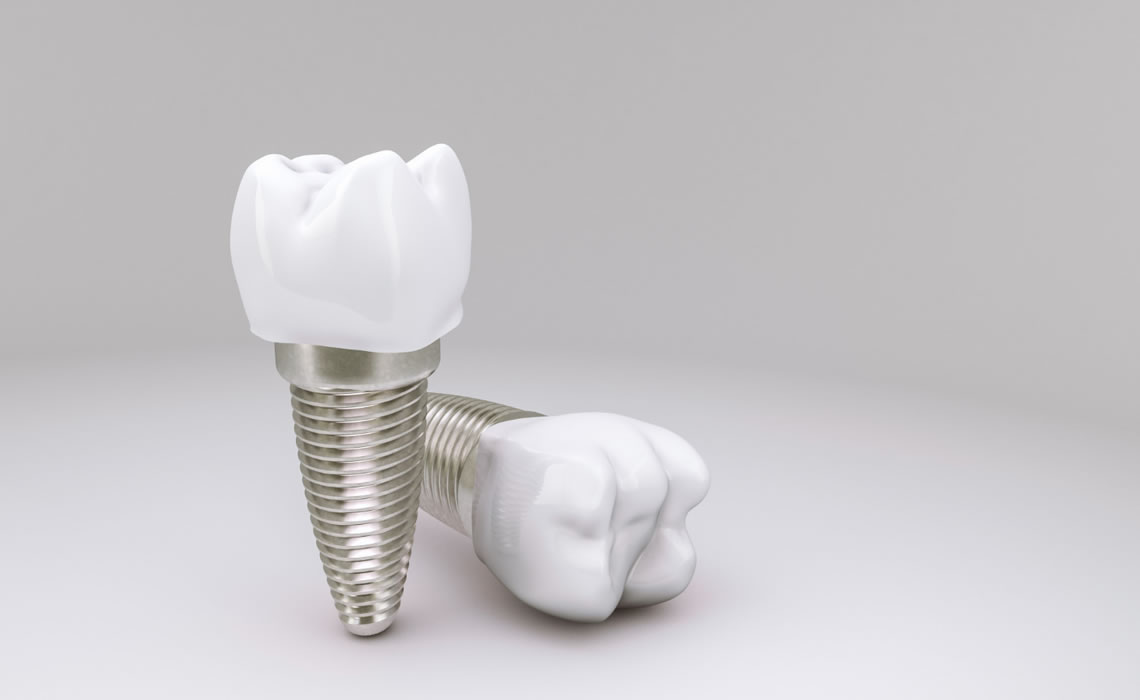
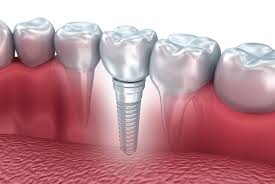
- Those with Missing Teeth and Those Who Want Dental Implants: Placing titanium implants that act as artificial tooth roots into the jawbone is a surgical procedure. Implant candidates are individuals with missing teeth and fully developed jawbones (generally over 18 years old).
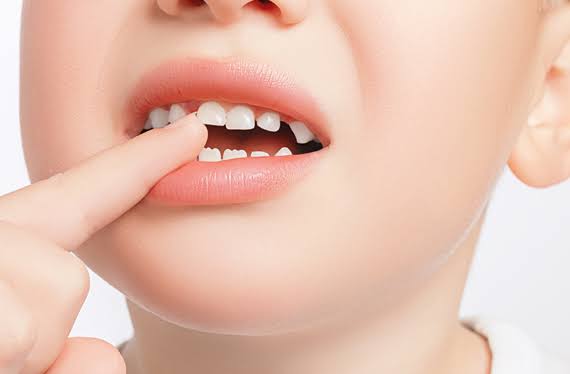
- Those with Impacted or Problematic Wisdom Teeth: Wisdom teeth that cannot fully erupt due to lack of space in the jaw, remaining partially under the gum or bone, can cause severe pain, infection, and crowding. Professional removal of these teeth requires surgical intervention.
- Those Experiencing Temporomandibular Joint (TMJ) Disorders: Individuals who experience clicking sounds in the jaw while eating, jaw locking, or wake up with severe headache and jaw pain in the morning are suitable candidates for joint surgery or splint therapy.
- Those with Cysts or Tumor Signs in the Mouth: Lesions that grow silently in tooth roots or jawbone are often detected during routine radiological (X-ray) examinations. These cysts must be surgically removed without delay to prevent bone loss.
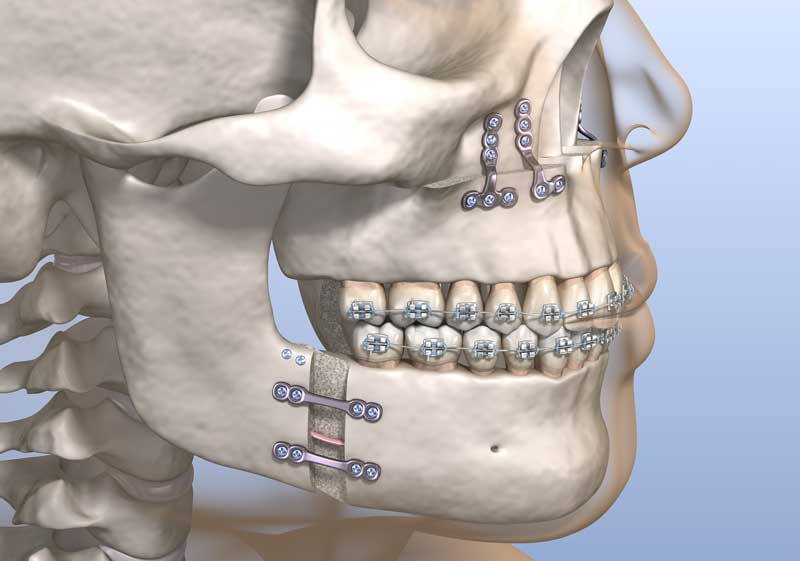
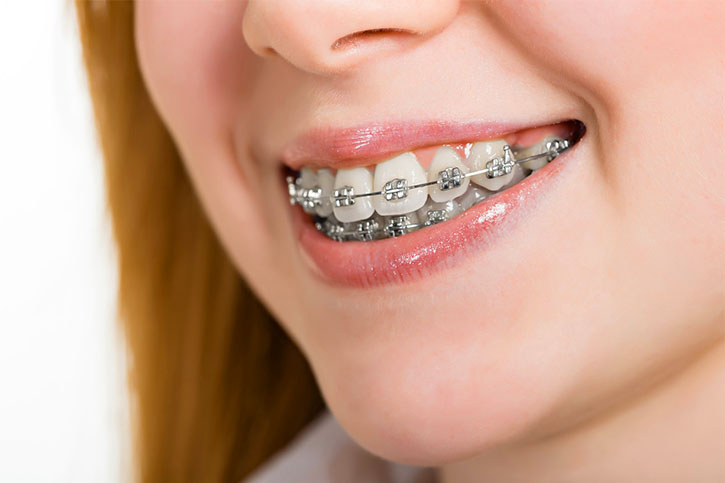
- Those with Upper and Lower Jaw Misalignment: Individuals with excessively forward or backward lower jaws and facial asymmetry (orthognathic surgery candidates) achieve both aesthetic and functional improvement through jaw surgery planned together with orthodontic treatment (braces).
- Those with Insufficient Jawbone (Sinus Lift and Bone Graft): In patients who want implants but have bone loss in the jaw, procedures such as adding bone graft material or lifting the sinus cavity are performed.
💡 OPC Clinic Approach: The Right Candidate Is Determined by Proper Analysis
Every patient who visits us has a unique biological structure. When determining whether you are suitable for jaw surgery, we do not limit ourselves to examining only your oral cavity. Using 3D volumetric tomography devices, we measure your bone density with millimetric precision, evaluate your systemic conditions (such as diabetes or hypertension), and create the most comfortable and safest treatment roadmap for you. Safe surgery begins with an accurate diagnosis.
Comparison Table of Problems and Surgical Solutions
You can generally review which jaw surgery application may be suitable for you by matching your symptoms with the table below:
| Observed Symptom or Problem | Possible Surgical Solution |
|---|---|
| Unexplained pain in posterior regions, gum swelling. | Impacted wisdom tooth or apical resection (root-end surgery). |
| Difficulty in chewing due to one or more missing teeth. | Dental implant surgery. |
| Bone resorption and collapse over time in the missing tooth area. | Bone graft application and sinus lift. |
| Jaw asymmetry, speech disorders, and bite problems. | Orthognathic (jaw correction) surgery. |
Conditions That May Prevent Surgery
Although jaw surgery is a highly safe discipline, in some special cases the operation may need to be postponed or additional medical precautions may be required. Who should be careful?
Patients with uncontrolled advanced diabetes may experience wound healing problems; therefore, blood sugar levels must first be regulated. Similarly, individuals who have recently undergone radiotherapy or chemotherapy have reduced bone healing capacity, so treatment planning is carried out in coordination with the oncology physician. In addition, patients using strong blood thinners are required to adjust their medication dosage under physician supervision a few days before surgery.
Frequently Asked Questions About Jaw Surgery Procedures (FAQ)
The idea of surgical operations naturally raises questions. We answer the most frequently asked questions from our patients transparently:
Do jaw surgery procedures require hospitalization?
Most procedures (implants, impacted teeth, cyst removal) are performed in an outpatient setting under local anesthesia, and you can return home after the procedure. Only in cases such as orthognathic surgery (jaw repositioning), which require general anesthesia, is a hospital stay of 1–2 days planned.
Will I feel pain during the surgical procedure?
Absolutely not. Since local anesthesia is applied during the procedure, you will only feel pressure or touch sensations. For patients with severe dental anxiety (phobia), a very comfortable and stress-free environment is provided using sedation (light sleep state) methods.
Can jaw surgery be performed during pregnancy?
During pregnancy, non-urgent surgical procedures (such as implants) are generally postponed until after birth. However, in urgent cases causing severe infection or unbearable pain, necessary interventions can be safely performed during the second trimester (months 3–6), which is the safest period of pregnancy, with approval from the obstetrician.
Conclusion: Entrust Your Health to Professional Hands
Your oral and jaw structure is a remarkable mechanism that determines your daily comfort. Deficiencies or anatomical disorders in this mechanism affect not only your aesthetics but also your overall health. Jaw surgery provides a permanent improvement in quality of life by addressing problems at their root rather than masking them.
If you believe you belong to one of the candidate profiles mentioned above or need a detailed evaluation of your oral health, we at OPC Clinic are here for you. With our experienced physician staff, modern diagnostic units, and personalized treatment approaches, we invite you to our clinic to jointly plan the most appropriate surgical solution for you. Take the foundation of a healthy smile today with confidence.