How Long Does Orthodontic Treatment Take? Timeline for Braces and Clear Aligner Treatments
Crowded teeth, spaced dental arches, or bite misalignments where the upper and lower jaws do not properly align affect both oral health and aesthetic confidence. In modern dentistry, the most fundamental, biological, and permanent solution to these problems is undoubtedly orthodontics. However, the first and most important question for almost every patient considering braces or clear aligner therapy is the same: “How many months does orthodontic treatment take?” For patients planning their social life, organizing work presentations, or simply wanting to achieve a perfect smile as soon as possible, the time factor is extremely critical.
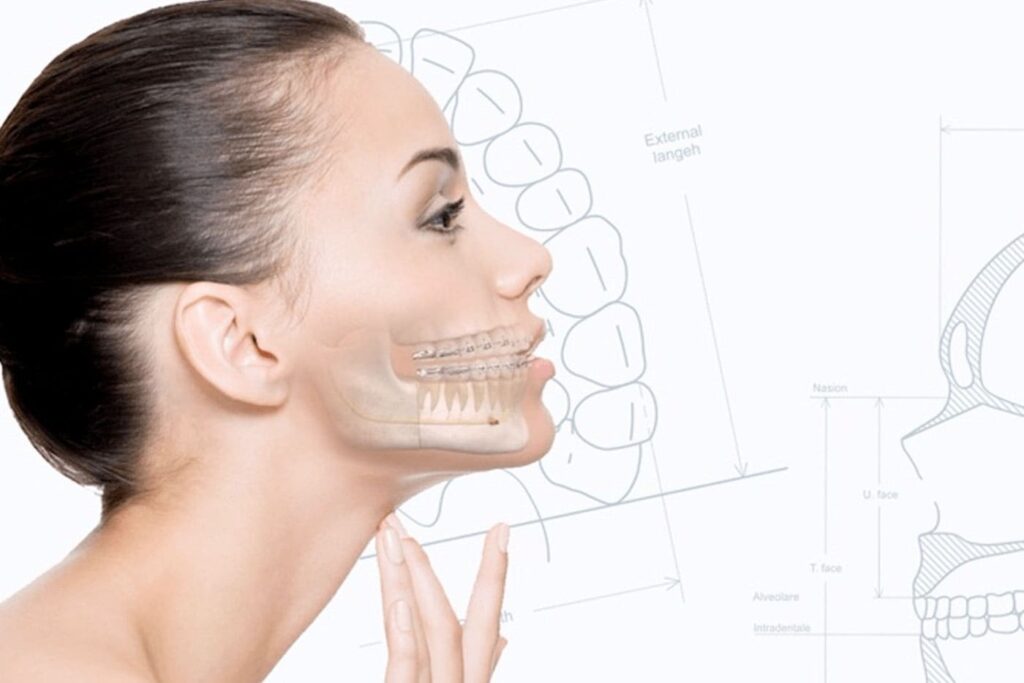
Orthodontic treatment processes are not based on a standardized factory template; instead, they are fully personalized architectural and biological projects. The duration depends on many invisible parameters such as jawbone structure, patient age, the millimetric severity of crowding, and the patient’s compliance with oral care.
1. Orthodontic Treatment Duration: What Is the General Time Range?
In very general terms, active orthodontic treatments are completed in an average of 8 to 24 months. However, this wide range may narrow or expand depending on each patient’s individual oral anatomy.
Mild dental crowding can be corrected in as little as 6–9 months with modern systems, while cases involving skeletal discrepancies such as lower jaw retrusion or severe jaw misalignment may take 24 months or sometimes longer. It is important to remember that tooth movement within the jawbone requires bone resorption and new bone formation (bone remodeling). Therefore, orthodontics must always proceed at a biologically safe pace.
2. Five Medical Factors That Determine Treatment Duration
Even two patients of the same age with seemingly similar dental conditions may have completely different treatment durations. This is due to the following five critical medical factors analyzed through clinical imaging:
A) Severity and Type of Malocclusion
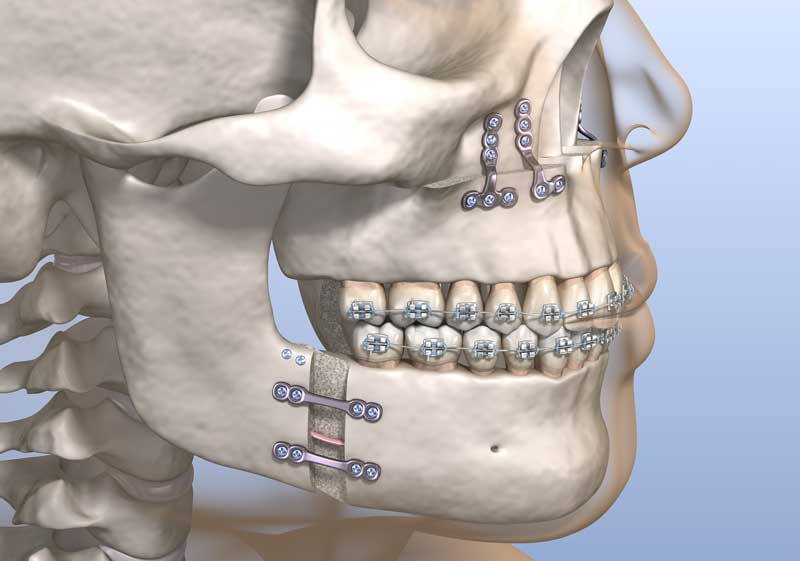
Minor rotations or simple crowding (dental problems) can be resolved quickly. However, when skeletal discrepancies between the upper and lower jaws are involved (such as maxillary constriction or mandibular prognathism), correcting jaw relationships adds extra months to the treatment timeline.
B) Need for Tooth Extraction
If there is insufficient space in the jaw for proper alignment, the orthodontist may recommend extracting certain teeth (usually premolars). In such cases, closing the extraction gaps may extend treatment by 4 to 6 months.
C) Bone Density and Metabolic Rate
Tooth movement is a cellular process. Bone density and metabolic rate vary between individuals. Softer, more porous bone allows faster movement, while denser bone structures slow the process.
D) Orthodontic Method and Material Technology
Traditional metal braces, ceramic brackets, or AI-assisted clear aligners all apply forces differently. The selected system directly influences treatment timing.
E) Patient Compliance and Appointment Regularity
Missed appointments, delayed reporting of broken brackets, or improper use of elastics are among the main causes of treatment delays. Orthodontics is a team effort between doctor and patient.
3. Treatment Duration by Method: Braces or Clear Aligners?
Modern dental technologies have significantly changed time management in orthodontics. Average treatment durations vary depending on the selected system:
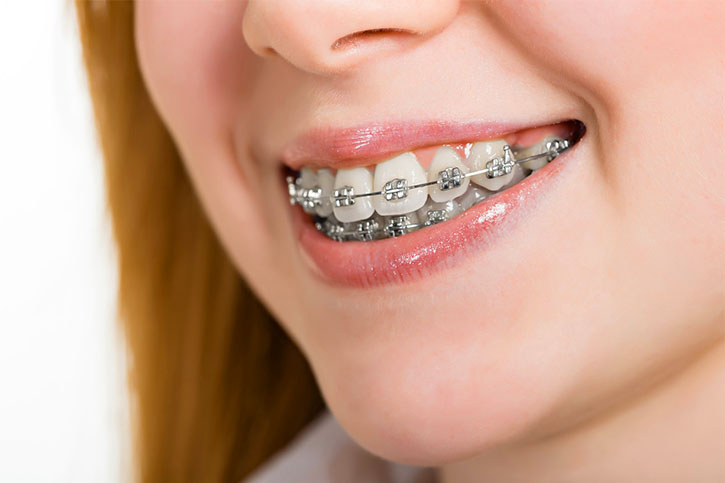
Traditional and Self-Ligating Metal Braces (12–18 Months)
Metal brackets offer the highest mechanical strength. Self-ligating systems reduce friction and may shorten treatment by 3–4 months compared to conventional braces.
Ceramic and Sapphire Brackets (14–20 Months)
These aesthetic systems blend with tooth color or appear transparent. However, due to slightly higher friction, treatment may take 1–2 months longer than metal braces.
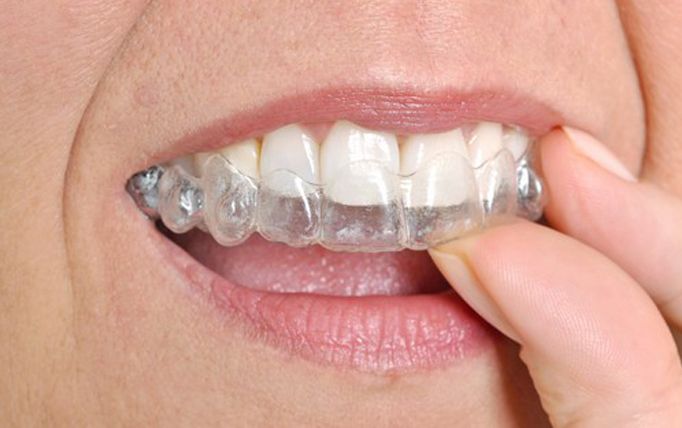
Clear Aligner Orthodontics (8–14 Months)
Clear aligner systems (e.g., Invisalign) are produced using AI and CAD/CAM technologies. Since each aligner applies pre-calculated forces, tooth movement is more efficient and friction-free. In mild to moderate cases, treatment duration may be reduced by up to 30% compared to braces.
4. Summary Table: Problems, Methods, and Average Treatment Duration
Below is a guide showing which orthodontic issues are typically resolved with which methods and how long they take:
| Dental / Jaw Problem | Recommended Method | Average Duration (Months) |
|---|---|---|
| Mild Crowding or Small Gaps (Diastema) | Clear Aligners (Removable Orthodontics) | 6–10 Months |
| Moderate Crowding and Bite Issues | Self-Ligating Metal Braces | 12–15 Months |
| Aesthetic-Focused Moderate Crowding | Sapphire / Ceramic Brackets | 14–18 Months |
| Extraction-Based Orthodontic Cases | Metal Braces or Clear Aligners | 18–24 Months |
| Severe Skeletal Jaw Disorders | Surgical Orthodontics (Orthognathic) | 20–30 Months |
5. Age Factor: Healing Speed in Children, Adolescents, and Adults
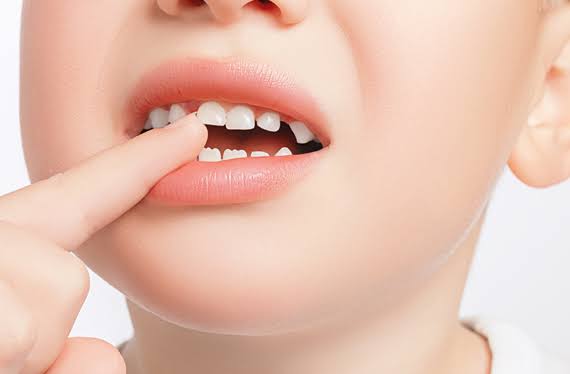
Many adult patients worry that treatment will take longer due to age. During childhood and adolescence (10–14 years), jawbones are still developing, making tooth movement faster and more flexible. Skeletal guidance is also easier at this stage.
In adults, the jawbone is fully matured and denser. However, this does not significantly slow treatment. Teeth can still move safely at any age as long as the bone is healthy. Adult treatment may take only a few months longer than in children, while delivering equally excellent results.
6. How Much Do Teeth Move Per Month? The Biomechanics Behind It
The reason orthodontic treatment takes months is based on biological safety. Teeth are attached to the jawbone through thousands of microscopic fibers called the periodontal ligament.
When pressure is applied via braces or aligners, bone-resorbing cells (osteoclasts) activate on one side, while bone-forming cells (osteoblasts) rebuild bone on the other. In this delicate cycle, a tooth safely moves approximately 1 millimeter per month. Forcing faster movement may damage tooth roots or lead to loss of vitality requiring root canal treatment. Therefore, patience is essential in orthodontics.
7. You Can Shorten Treatment Time: Patient Responsibility
The speed of treatment largely depends on daily patient habits:
- Avoid Hard and Sticky Foods: Foods like gum, nuts, or hard candies may damage brackets and delay treatment by months.
- Maintain Excellent Oral Hygiene: Gum inflammation and plaque buildup slow down tooth movement biologically.
- Wear Elastics Consistently: Using orthodontic elastics 20–22 hours per day can significantly reduce total treatment time.
8. Time Optimization with Digital Orthodontics at OPC Clinic
Treatment efficiency is directly related to the clinic’s technological infrastructure. At :contentReference[oaicite:0]{index=0}, all processes are managed digitally.
High-resolution 3D intraoral scanners transfer your dental anatomy into a digital environment with micron-level precision. AI-based simulation software predicts tooth movements in advance, preventing delays and errors. 3D dental tomography allows precise planning of force direction, ensuring the most efficient treatment pathway and optimized timing.
9. Frequently Asked Questions
Can orthodontic treatment finish in 6 months?
Yes, in mild cases involving only slight spacing or minor rotations, treatment can be successfully completed within 6 months using aligners or aesthetic braces.
Is the retention phase included in total treatment time?
No. The 8–24 month period refers only to active treatment. Retainers and night guards are passive systems used only to maintain results.
Can missing appointments extend treatment time?
Yes. Skipping appointments can significantly slow tooth movement and may double treatment duration in some cases.