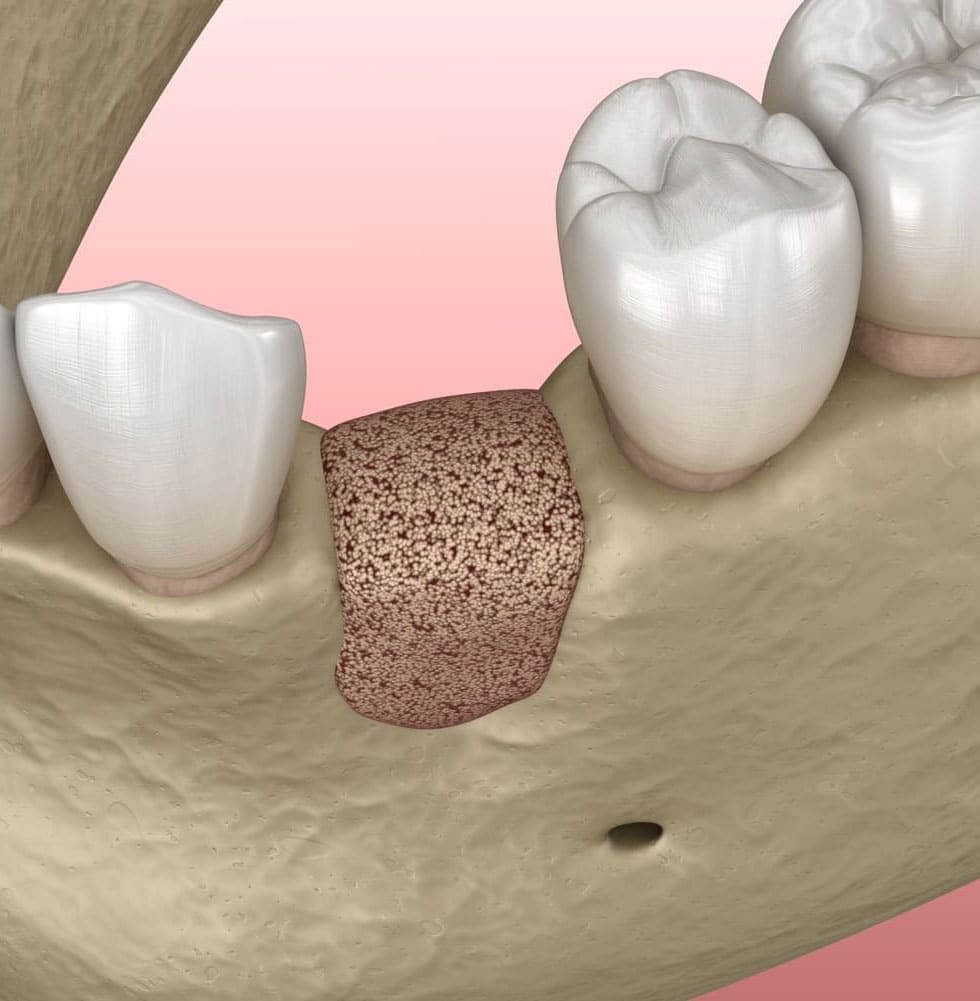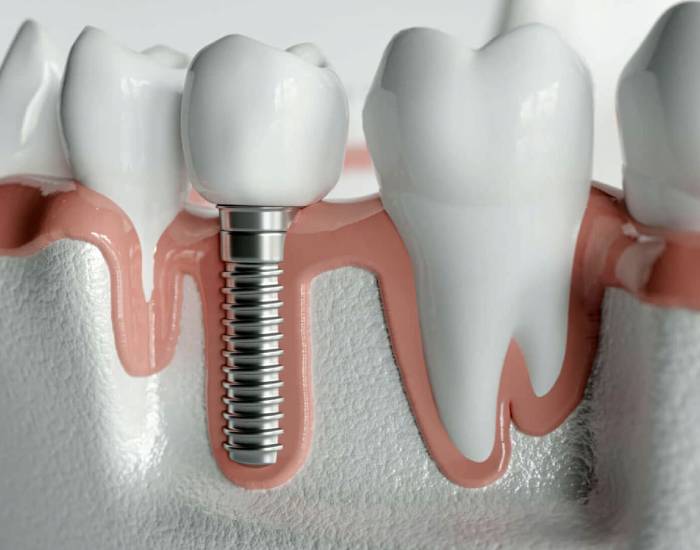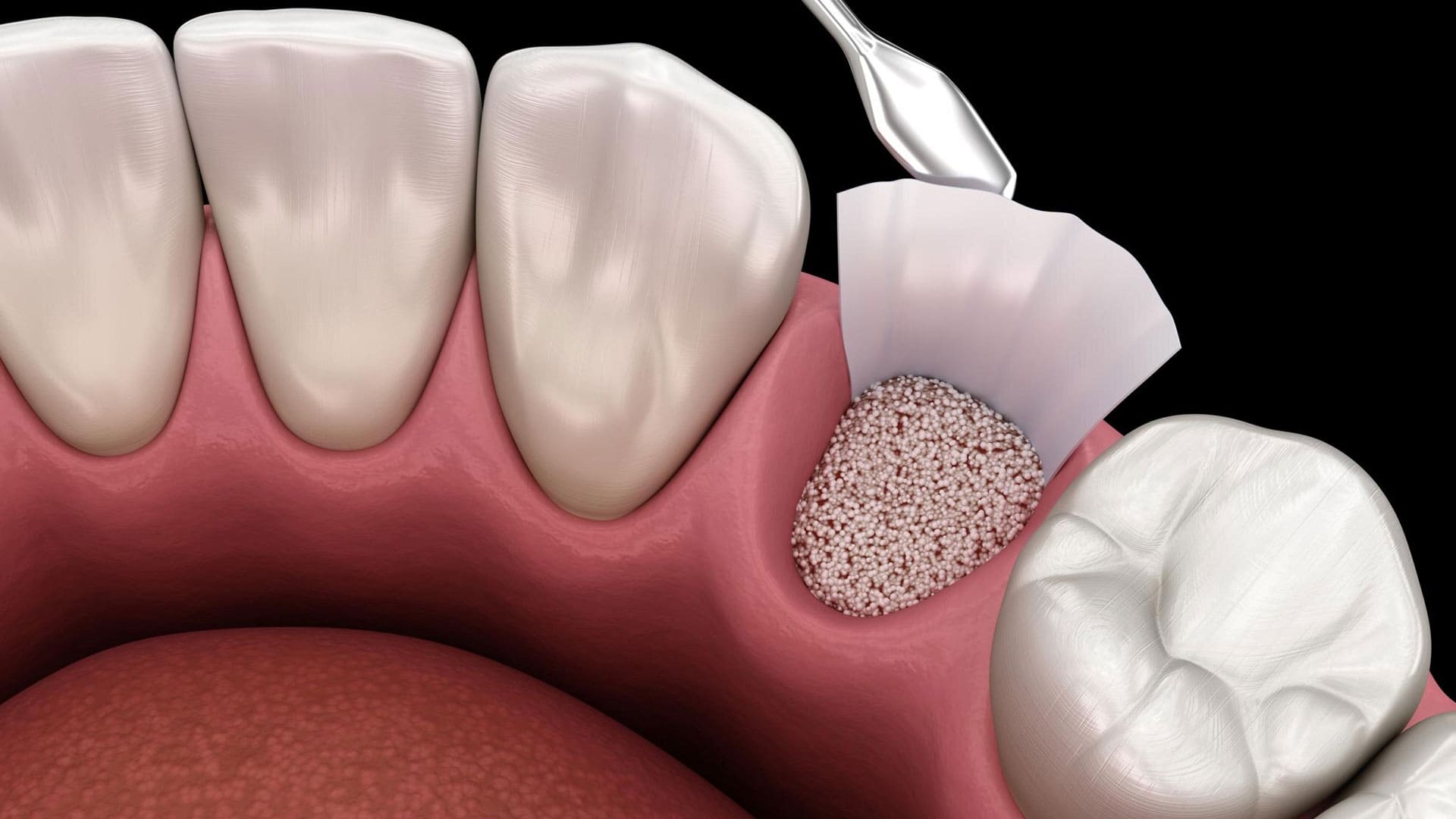
After tooth extraction, the jawbone begins to melt as a result of the loss of function in the extraction site. If the extracted teeth are infected or if removable dentures are used after the extraction, bone loss increases, and subsequently, sufficient bone may not be available for implant placement. In such cases, various bone augmentation procedures are necessary to obtain enough bone for implant placement.
Bone augmentation procedures vary in terms of both the materials used and the methods employed. Implants placed in areas with good quality and sufficient bone have a higher success rate, while implants placed in areas with only bone remaining, away from bone defects, and dentures placed on implants have a lower success rate. Appropriate bone grafting procedures in the planned implant placement areas yield more successful treatment outcomes.
Bone deficiencies can occur both vertically and horizontally. The direction of these defects is a determining factor in the surgical method. In cases of large bone deficiencies, the patient’s own bone is taken as a block from inside or outside the mouth, attached to the necessary locations with screws and pins, and waited for new bone to form. In cases with less bone loss, prepared bone powder is appropriately placed in the defect area.