In dentistry, painless anesthesia (digital anesthesia) has not only made needle fear a thing of the past but also raised expectations for post-treatment comfort. Patients no longer want to experience pain during the procedure; they also want to return to their normal lives as soon as treatment is completed. The critical question that arises at this point is: Will the lips, tongue, and cheeks experience hours of numbness after painless anesthesia, as with the traditional method?
The OPC Clinic, one of Istanbul’s leading centers serving in Kozyatağı and Suadiye, provides an answer to this question with technology and precision: With digital anesthesia, numbness occurs, but it is shorter-lasting and only confines the targeted area.
In this blog post, we will examine the nature of numbness after painless anesthesia, its key differences from the traditional method, and the OPC Clinic’s approaches to maximizing patient comfort in this area.
Why Does Local Anesthesia Cause Numbness?
Numbness is the primary purpose of local anesthetics. The anesthetic temporarily blocks nerve fibers from sending pain signals to the brain. Whether painless anesthesia or classic anesthesia, numbing (numbing) the targeted area is essential.
However, the main problem with the classical method is that this numbing spreads over a larger area than necessary:
- Classic Method: The anesthetic solution, administered rapidly and under high pressure, not only numbs the target tooth but also spreads uncontrollably to neighboring tissues. This uncontrolled spread causes the entire lip, half of the cheek, and even the tongue to become numb for hours.
- Result: The patient has difficulty speaking, eating, and laughing for hours after the procedure; At worst, they may unknowingly bite numb tissue (lips or cheeks) and cause a wound.
How Does Painless Anesthesia (Digital System) Change Numbness?
The computer-assisted digital anesthesia system used at the OPC Clinic radically transforms the experience of numbness.
a. Targeted Numbness (The Key Difference)
The biggest difference with the digital system is that it delivers the anesthetic using the microflow principle. Pressure is automatically adjusted according to the tissue’s absorption rate, and the solution is directed towards the nerve fiber, drop by drop, much slower than the traditional method.
- Result: The anesthetic remains only in the area designed to numb the treated tooth and its nerves. Surrounding soft tissues such as the lips, cheeks, and tongue are largely relieved of unnecessary numbness.
b. Numbness Duration Comparison
Painless anesthesia prevents numbness from lasting longer than necessary thanks to its targeted feature:
| Feature | Classic Local Anesthesia (Manual) | Painless Anesthesia (Digital System – OPC Clinic) |
| Spread of Numbness | Widespread (Teeth, lips, cheeks, tongue) | Localized (Tooth and surrounding area only) |
| Normal Duration (Average) | 2 – 4 hours (May extend up to 6 hours in the lower jaw) | 1 – 3 hours (This period is shorter with targeted blocks) |
| Post-Treatment Comfort | Low (Difficulty eating and drinking, risk of biting) | High (Rapid functional return) |
| Risk in Children | High (Serious injuries from lip biting) | Minimum (Biting risk decreases due to lack of soft tissue numbness) |
OPC Clinic Suadiye: Advanced Technology and Protocols in Numbness Management
Suadiye and The goal at the Kozyatağı OPC Clinic is not only to provide painless injections but also to provide the quickest, most comfortable post-injection recovery. Two critical protocols serve this purpose:
a. Anesthesia Localization and Technique Selection
Using digital anesthesia, dentists at the OPC Clinic can perform not only infiltration (immediately surrounding the tooth) but also specialized PDL (Periodontal Ligament) and Intraosseous (Intraosseous) anesthesia techniques.
- PDL and Intraosseous Anesthesia: These techniques aim to deliver the medication directly to the connective tissue or bone surrounding the tooth. Unlike traditional nerve block techniques, the numbing effect with these techniques only affects the affected tooth and the surrounding gum tissue. Lip and cheek numbness is virtually nonexistent.
- Fast Metabolization: The minimal dose administered, targeted at the target, is metabolized more rapidly by the body.
b. Post-Operative Comfort Management
OPC Clinic takes the following steps to ensure the patient quickly returns to their daily routine:
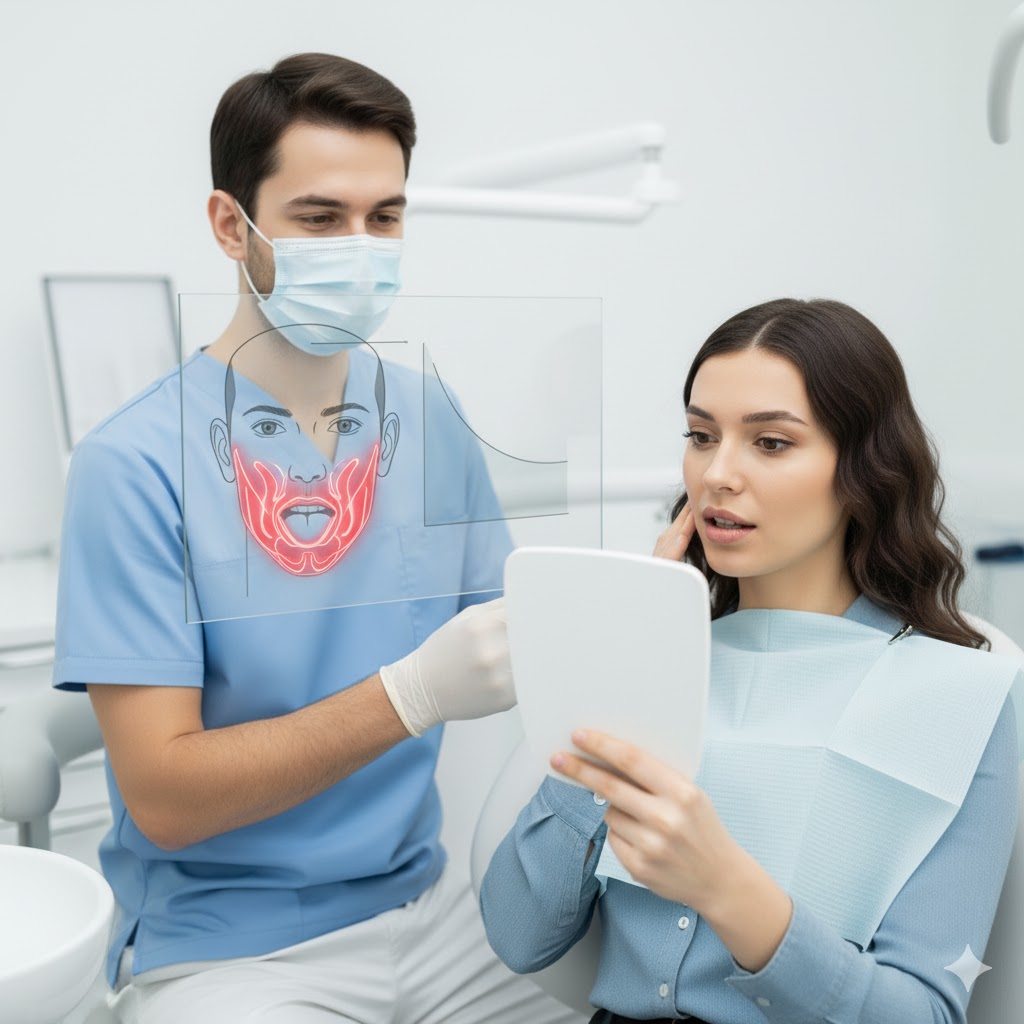
- Clear Information: The patient is informed that, unlike the traditional method, the numbness is concentrated only in the treated area. This reduces the patient’s anxiety about not being able to feel anything on their lip or cheek.
- Bite Risk Warning: FeatureIt is strongly emphasized that even if soft tissue numbness is minimal, chewing should be avoided until it has completely subsided, especially in pediatric patients and after lower jaw procedures.
- Fast Return: For patients undergoing aesthetic treatments or those with busy work schedules, absence of lip numbness means significant comfort and time savings. OPC Clinic supports this seamless return to daily life with digital anesthesia.
Comfort is Keeping Numbness Under Control
Of course, numbness in the mouth occurs after painless anesthesia; this is necessary to prevent pain. However, the Digital Anesthesia system transforms this numbness from a side effect into a manageable necessity.
Thanks to the advanced technology of the Kozyatağı and Suadiye OPC Clinic:
- Pain sensations are eliminated.
- Unnecessary lip, cheek, and tongue numbness is largely prevented.
- The duration of numbness is shorter and more localized.
The OPC Clinic not only removes the fear of needles from your dental experience but also offers the freedom to quickly return to your normal life once treatment is completed. Consult the OPC Clinic experts to put an end to the uncomfortable numbness that can last for hours after treatment.