What Are the Symptoms of Teeth Clenching and Grinding?
Do you feel truly rested when you start your day in Istanbul? Or when the alarm rings, do you feel an indescribable fatigue on your face, a throbbing pain in your temples, and a “rigid” feeling in your jaw? If your answer is yes, you may be suffering from Bruxism (Teeth Clenching and Grinding) syndrome, the silent epidemic of this metropolis.
Most people are unaware that they clench their teeth, because this action usually occurs unconsciously during sleep at night. Our patients often come to the dentist complaining of “I have a headache” or “I broke a tooth,” and are surprised to learn that the real problem lies in their jaw muscles. Bruxism isn’t just a condition that wears down the teeth; it’s a chain reaction affecting muscles, joints, the ear, and the nervous system.
1. “Visual” Signs in the Mouth and Teeth
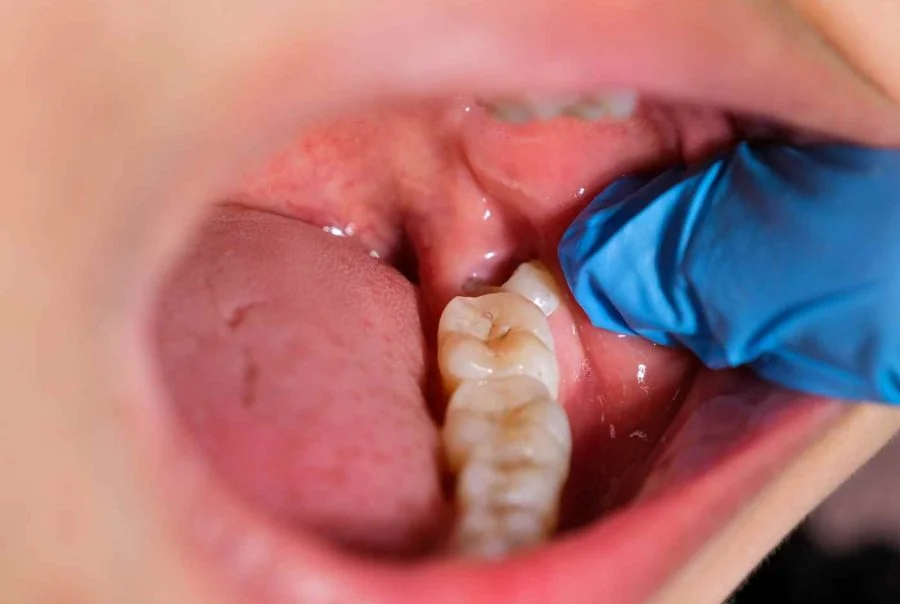
The physical evidence you can see when you look in the mirror is the clearest indicator of bruxism. Your teeth bear the marks of the tons of stress they endure overnight.
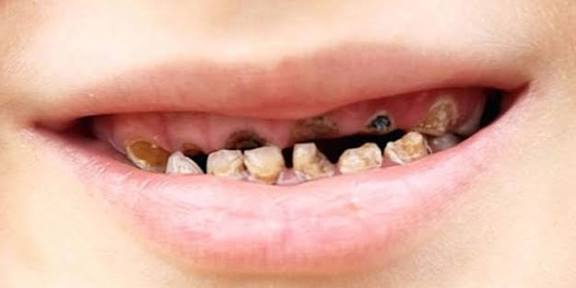
- Wear and Flattening of Teeth
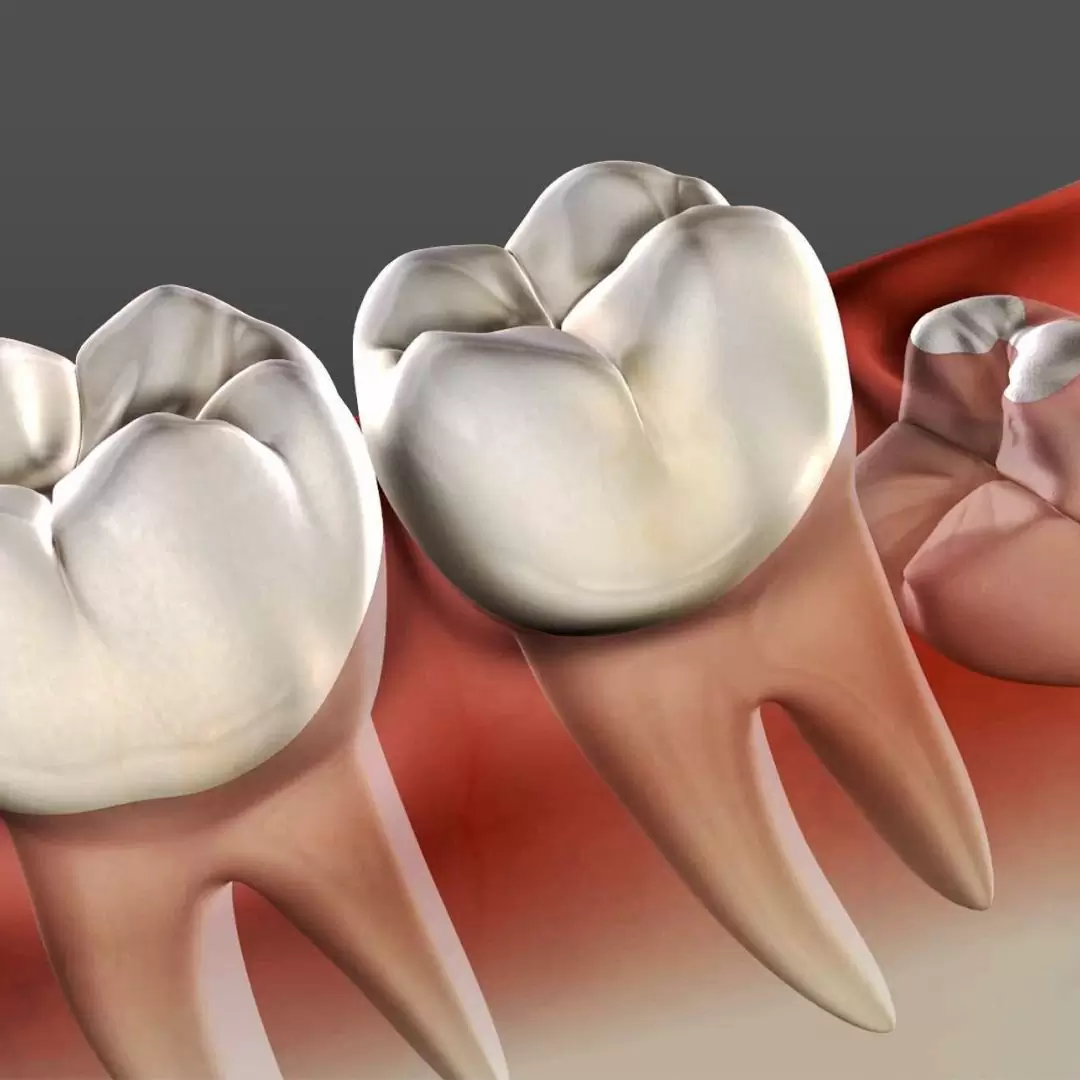
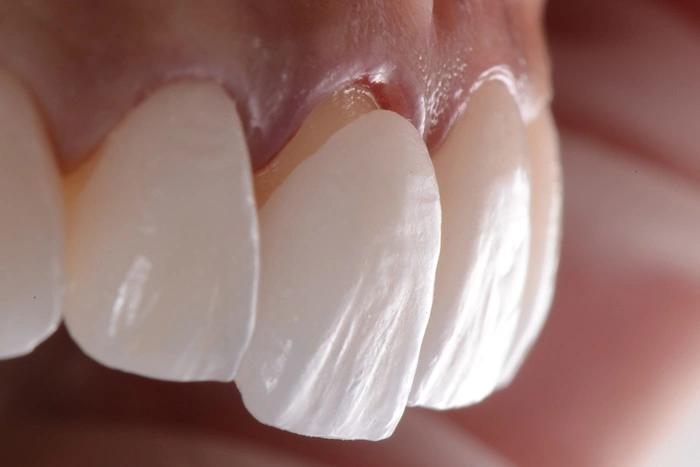
Have the pointed tips of your canine teeth disappeared, making them look flat as if they’ve been filed down? Have your front teeth shortened? This is evidence that your teeth are grinding against each other like sandpaper. - Abfraction (Erasing at the Gum Margin)
Are there notches or grooves where the tooth meets the gum where your fingernail might catch? This is not decay. Excessive pressure on the tooth causes a piece to break off from the neck area, which is the weakest point of the tooth. - Micro-Cracks in Teeth
If you see vertical, thin crack lines in your tooth enamel when you look under the light, it means your teeth cannot withstand the pressure. - Marks on the Tongue and Cheek
Do you see “serrated” marks on the edges of your tongue or a white line (Linea Alba) inside your cheek when you wake up in the morning? This shows how hard you pressed your tongue and cheek against your teeth during the night.
2. “Felt” Symptoms in the Head, Neck and Face
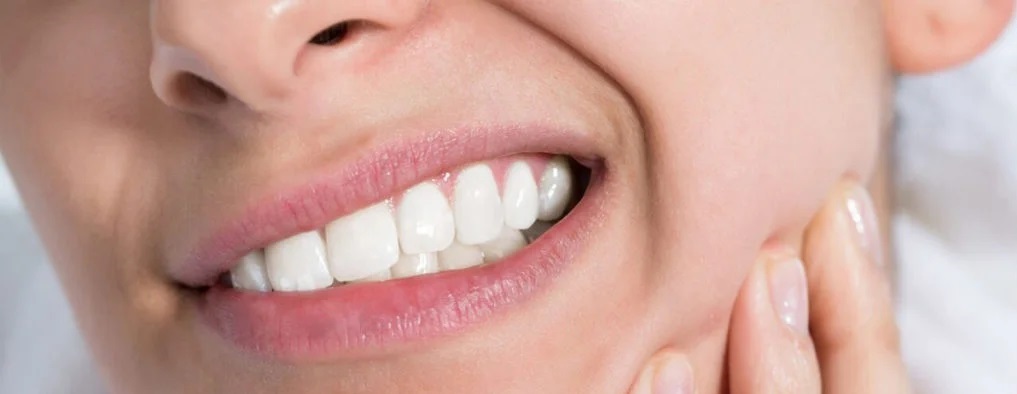
Bruxism affects not only the teeth but also the chewing muscles (Masseter and Temporal). When these muscles are overworked (hyperactive), the pain spreads to the surrounding tissues.
⚡ “Vice” Pain in the Temples
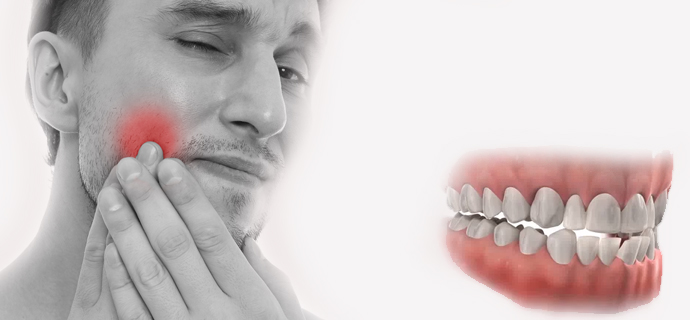
80% of our patients confuse this with Migraine. The “Temporal Muscle” in the temple area is the muscle that closes the jaw. When you clench your teeth throughout the night, this muscle spasms, creating a throbbing pain in the temples in the morning, and a feeling of tightness as if there were a bandage around the head. If you wake up with a headache in the morning, you should see a dentist before a neurologist.
3. Ear and Temporomandibular Joint (TMJ) Symptoms
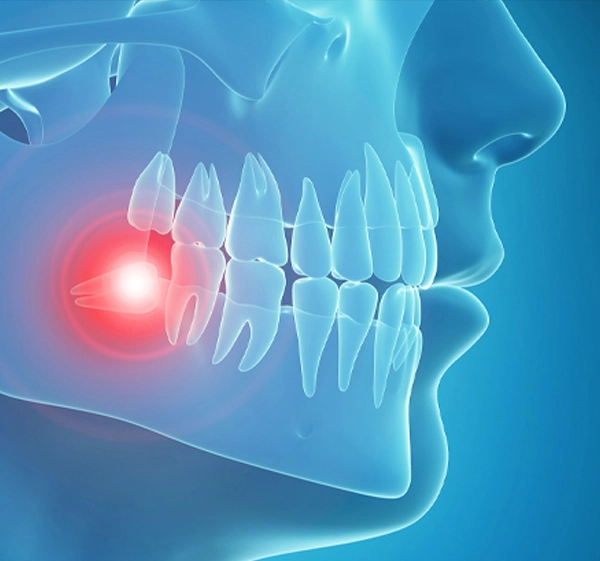
The temporomandibular joint (TMJ) is only a few millimeters in front of the ear. Due to this close proximity, bruxism symptoms are often confused with ear problems.
- Tinnitus and Fullness in the Ears: Earaches that do not reveal any problems during an ENT examination.
- Joint Sounds: Clicking, snapping, or hissing sounds (sand sound) when opening and closing the mouth.
- Jaw Locking: Difficulty opening the mouth in the mornings, being able to open it by sliding the jaw from side to side.
4. Changes in Facial Shape (Aesthetic Signs)
In Istanbul, we find that many patients who come to the clinic with aesthetic concerns actually have bruxism. How?
Just as the arm muscles of someone who constantly exercises swell, the “Masseter” muscles on the sides of the jaw swell and grow (hypertrophy) in someone who constantly grinds their teeth. This causes the lower part of the face to widen and the face to take on a “square” shape. It can create a masculine expression in women. Masseter Botox is both an aesthetic and therapeutic method that reverses this situation.
📍 Istanbul: Stress and Daytime Clenching (Awake Bruxism)
In Istanbul, teeth clenching (Awake Bruxism) is very common, not only at night but also during the day. Do you unconsciously clench your teeth while driving, writing emails at your computer, or during a stressful meeting? If you feel fatigue in your jaw during the day, you are experiencing “Daytime Bruxism.” This is entirely stress-related.
Diagnostic Chart: Test Yourself
How many of the following symptoms do you answer “Yes” to?
| Symptom | Possible Cause | Severity |
|---|---|---|
| Waking up tired in the morning. | Muscles working overnight. | Moderate |
| Tooth sensitivity (cold sensitivity). | Enamel cracks and exposure of the root surface. | Moderate |
| Your spouse saying “you grind your teeth.” | Active Teeth Grinding. | High |
| Pain and restricted movement when opening the mouth. | Intra-articular disorder / Disc slippage. | Very High |
| Facial squaring (widening). | Masseter muscle enlargement. | Aesthetic/Functional |
⚠️ Warning: Take Precautions Before Your Teeth Break!
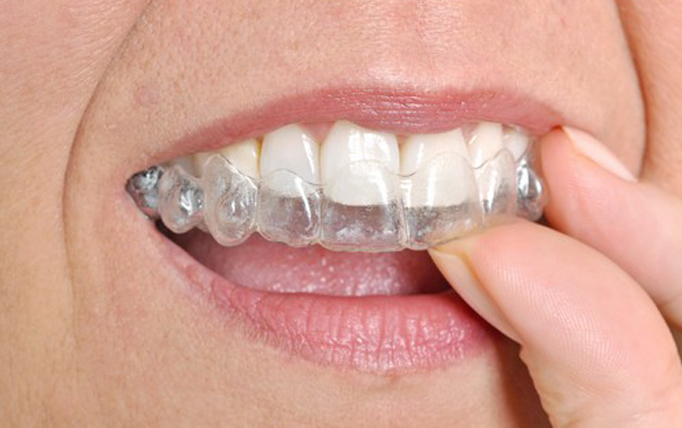
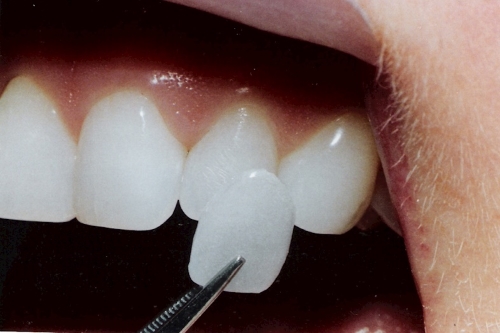
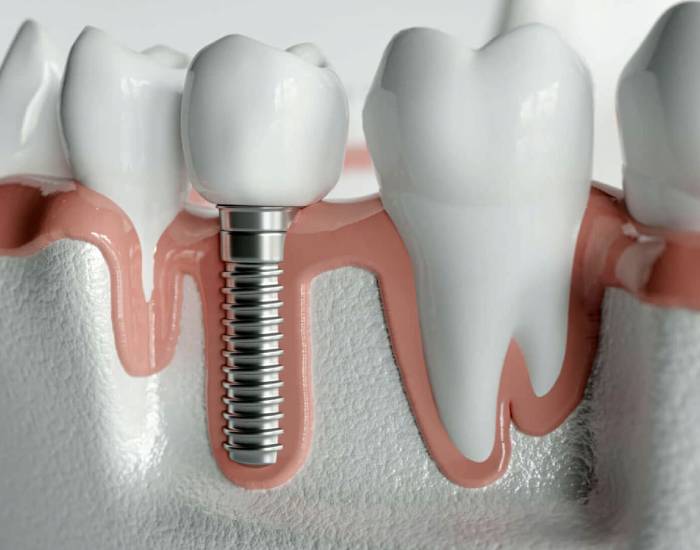
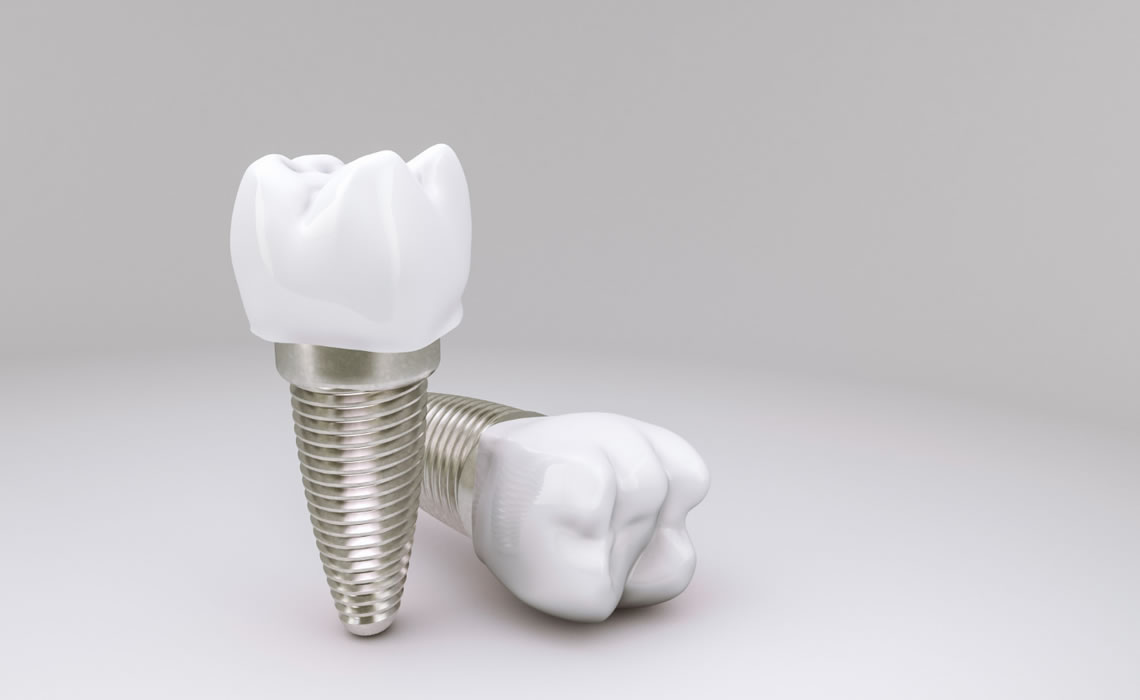
If bruxism is left untreated (Night Guard, Botox, etc.), the consequences are not limited to pain. Your healthy teeth may break vertically and may need to be extracted. The screws of your implants may loosen or your porcelain veneers may crack. Early diagnosis protects your teeth and your wallet.
Conclusion: Don’t Ignore the Signals
Teeth clenching and grinding are your body’s way of saying, “I’m under stress” or “There’s a problem with my sleep pattern.” These symptoms start with simple tooth sensitivity but can develop over time into chronic migraines, jaw locking, and tooth loss.
In our clinics specializing in bruxism treatment in Istanbul, we not only protect your teeth but also improve your quality of life by relaxing your muscles with Masseter Botox and special splints. Waking up refreshed in the mornings, eating painlessly, and having a healthy smile are within your reach. Listen to your body and take action.