When is Root Canal Treatment Necessary?
Toothache is one of the body’s most complex warning mechanisms. Sometimes it’s a slight ache that comes with a hot cup of tea on a cold Istanbul evening, and sometimes it’s a severe throbbing pain that wakes you up in the middle of the night and no painkiller helps… Although each of these signals points to a different problem, most of the time the end is the same: Root Canal Treatment (Endodontics).
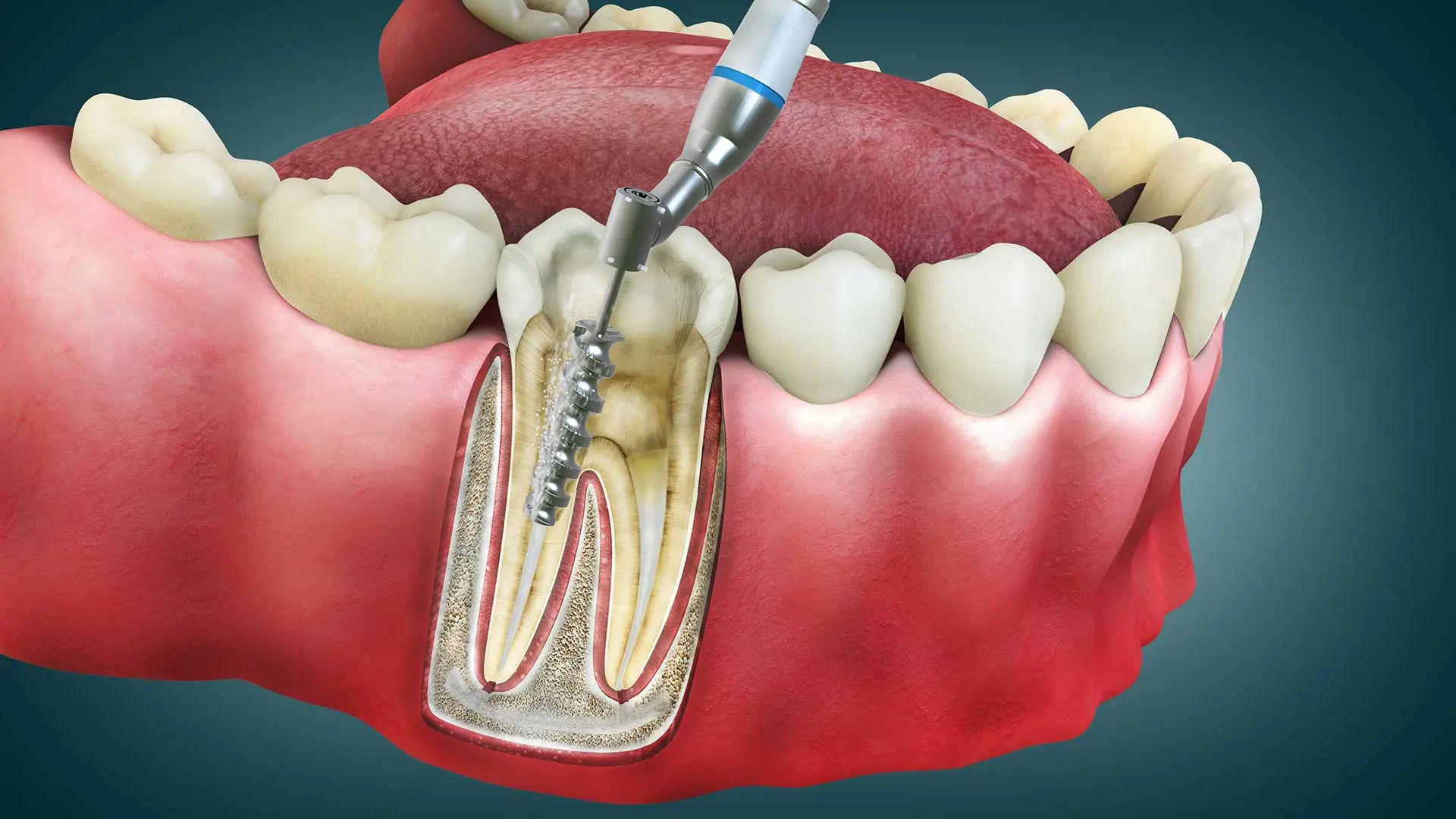
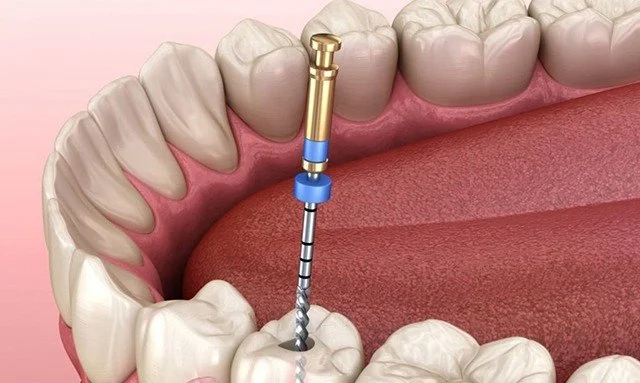
Our patients often ask, “Can’t we save it with a filling?” The answer to this question depends on how much damage the pulp, the living tissue in the center of the tooth, has suffered. Root canal treatment is not a choice, but a biological necessity. If the nerves of the tooth have been irreversibly invaded by bacteria, the only way to keep that tooth in the mouth is to apply this treatment.
In this comprehensive guide, we will delve into when a simple filling is insufficient, the stages of inflammation called “Pulpitis,” and the technological diagnostic methods (vitality tests, CT scans, etc.) used in modern clinics in Istanbul to determine the need for a root canal.
The Underlying Cause: “Pulpitis” (Inflammation of the Tooth Pulp)
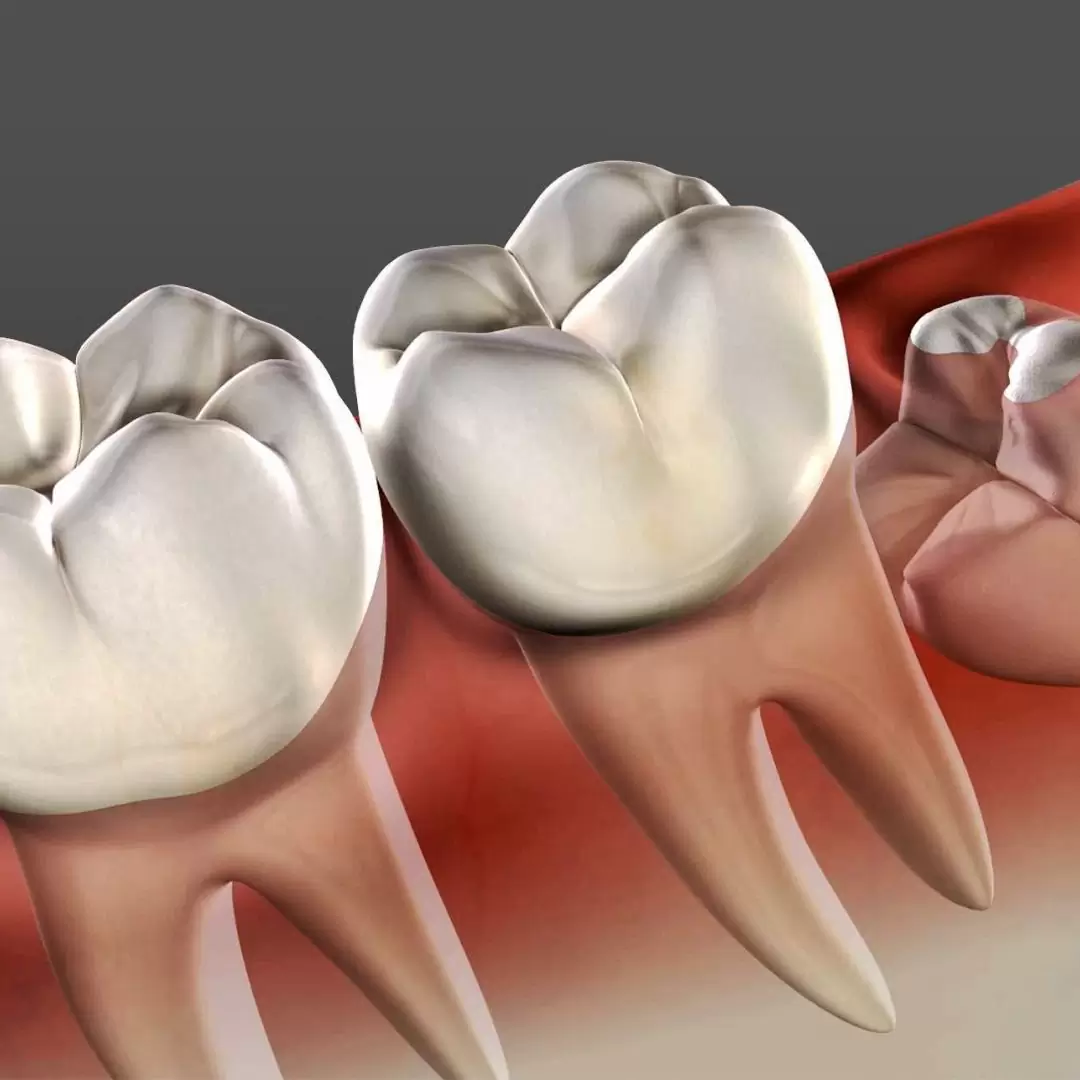
To understand when root canal treatment is necessary, we must first identify the enemy: Pulpitis. The soft tissue located in the innermost part of the tooth, consisting of blood vessels and nerve bundles, is called “Pulp.” Enamel and dentin layers protect this delicate tissue. However, when bacteria penetrate this shield due to decay or trauma and reach the pulp, inflammation begins.
Pulpitis is divided into two types, and this distinction determines the fate of the treatment:
- Reversible Pulpitis: The inflammation is still in its initial stages. If the causative agent (e.g., decay) is removed and a filling is applied, the tooth can heal itself. Root canal treatment is not necessary.
- Irreversible Pulpitis: Bacteria have damaged the pulp so much that the tooth can no longer heal itself. Nerves begin to die. At this point, root canal treatment is essential.
5 Critical Scenarios Requiring Root Canal Treatment
The stories of patients who come to our clinic in Istanbul are generally similar. The following situations are the most common indications for root canal treatment:
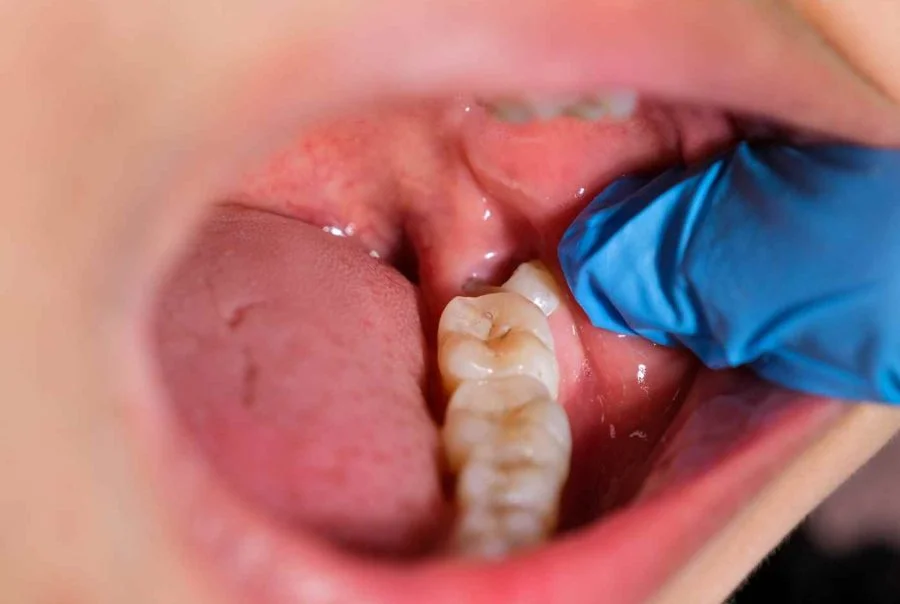
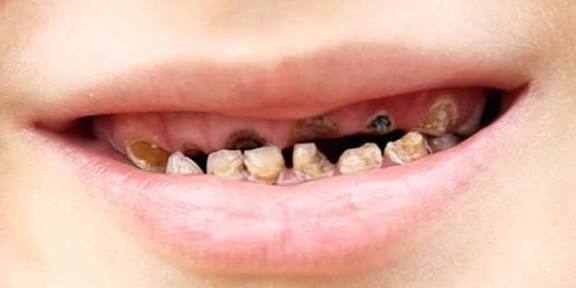
- 1. Deep Tooth DecayWhen decay passes through the enamel and dentin and reaches the nerve chamber (pulp), bacteria infect the nerves. At this stage, filling can no longer be done because sealing it under the infected nerve tissue creates a “time bomb” effect and causes an abscess.
- 2. Spontaneous Pain
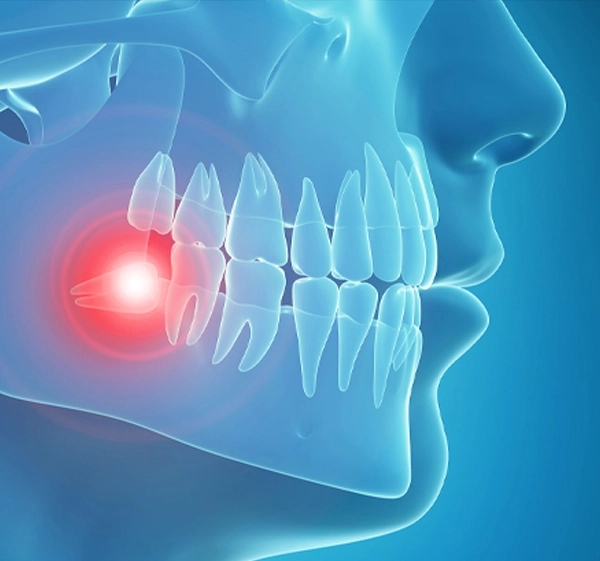
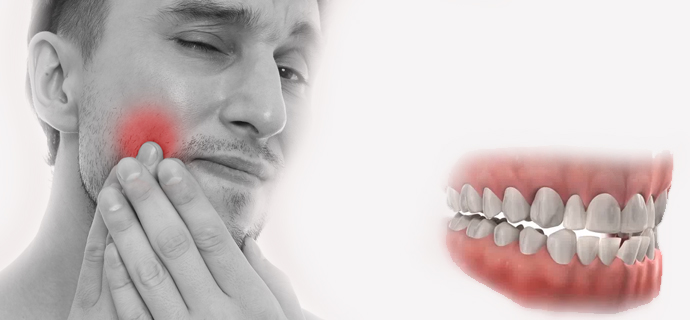
Throbbing pain that starts suddenly while not eating, watching television, or worst of all, while sleeping at night, is the clearest sign that the nerves are dying (necrosis). Night pain is a harbinger of root canal treatment. - 3. Dental Trauma and Accidents
Sudden blows to the tooth from accidents in Istanbul traffic, sports injuries, or biting on a hard object can sever the blood vessel connection at the root tip of the tooth. The tooth’s nourishment is cut off, and the nerve gradually loses its vitality. - 4. Chronic Abscess (Fistula)
Sometimes the tooth doesn’t hurt at all, but a pimple-like bump forms on the gum, swelling and shrinking from time to time. This is when the infection at the root tip erodes the bone and finds its way out. It is silent but dangerous; root canal treatment is necessary.
5. Prosthetic Reasons (Before Crowns)
Sometimes a tooth is excessively crooked or needs to be ground down extensively for aesthetic purposes (Smile Design). In these cases, root canal treatment may be necessary for the health of the tooth.
Diagnostic Guide According to Pain Types
Not every pain requires root canal treatment. However, the character of the pain gives us a clue about the extent of the damage. The table below is a critical guide for you to analyze your own situation.
| Pain Type / Condition | Possible Cause | Necessary Treatment |
|---|---|---|
| Instant throbbing in cold (1-2 seconds) | Tooth sensitivity or incipient caries | Sensitivity-reducing paste or Filling |
| Severe pain in heat and prolonged | Irreversible Pulpitis (Gas Expansion) | Root Canal Treatment (Absolutely Necessary) |
| Night Pain that wakes you from sleep | Pulp Necrosis (Nerve Death) | Root Canal Treatment (Emergency) |
| Pain with pressure while eating | Inflammation of the root tip (Periapical Periodontitis) | Root Canal Treatment + Antibiotic support may be required |
| Stinging sensation while eating sweets | Deep decay or leaking old filling | Depending on the situation, Filling or Root Canal Treatment |
Diagnosis Process in Istanbul: Technology Doesn’t Lie
Your DoctorHow does a dentist decide on root canal treatment? Simply saying “it hurts” isn’t enough. In well-equipped clinics in central Istanbul areas like Nişantaşı, Kadıköy, and Bakırköy, the following tests are performed to minimize the margin of error:
1. Vitality Tests
A special cooling spray or electrical stimulus is applied to the tooth. If the tooth reacts excessively and the pain persists for a long time, or if it shows no reaction at all (dead tooth), the decision for root canal treatment is finalized.
2. Percussion Test
The dentist gently taps the tooth with the handle of an instrument. If this tap creates a “raised sensation” or pain in the tooth, it indicates that the inflammation has spread to the root tip and jawbone.
3. Radiographic Examination (Panoramic and 3D Tomography)
X-rays show the part of the iceberg that is not visible. The X-ray shows how close the decay is to the nerve and whether there is bone loss (cyst) at the root tip. In Istanbul, for difficult cases, a 3D map of the root canals is now being created using CBCT (Dental Tomography).
Important Warning: Antibiotics Do Not Cure!
The biggest mistake patients make is using antibiotics instead of going to the doctor when pain starts. Antibiotics can temporarily reduce swelling, but they cannot clean the dead nerve and bacterial source inside the tooth. When the medication is finished, the infection returns much stronger. Root canal treatment is the only solution that mechanically cleans the problem.
Conclusion: Don’t Lose Your Tooth, Save It
The decision for root canal treatment is not a “death sentence” for a tooth, but a “second chance at life.” Your body is sending you pain signals asking for help. Thanks to modern anesthesia techniques and advanced rotary instrument systems, this procedure is now extremely comfortable and fast.
If you grimace while drinking your hot coffee or if you’ve started experiencing pain at night, don’t wait any longer. At our clinic located in Istanbul, our endodontists (root canal specialists) can analyze the condition of your tooth, saving it from extraction and ensuring it remains in your mouth for a lifetime. Remember, no implant is as valuable as your own tooth.