Differences Between Night and Day Bruxism
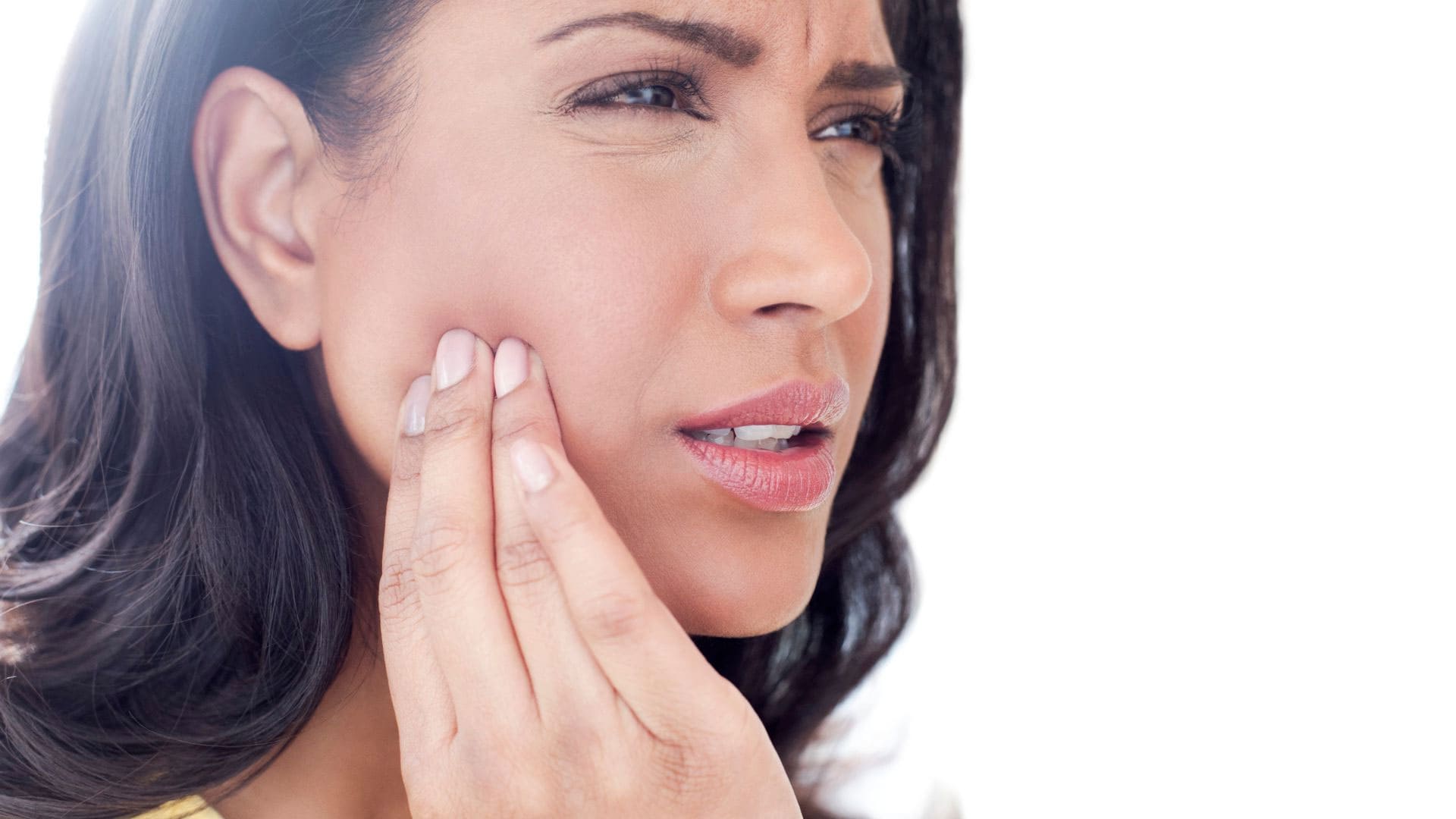
Almost everyone living in Istanbul has woken up with jaw pain in the morning at some point in their lives, or noticed that they clench their teeth while steering the wheel in traffic during the day. Medically known as “Bruxism”, it is generally perceived as a single disease in society. However, scientifically, whether the act of teeth clenching occurs at night during sleep or during the day while awake completely changes the name, cause, and treatment of the disease.
One is related to central nervous system and sleep disorders (Sleep Apnea, etc.); the other is entirely related to psychosocial stress and focus. Confusing these two conditions leads to incorrect treatment and unsuccessful results.
1. Sleep Bruxism: “Unconscious Destruction”
Nighttime teeth grinding is not a “bad habit,” but a Sleep Movement Disorder. The person is unconscious while asleep, and this movement occurs involuntarily.
It is usually triggered during transitions from light to deep sleep or during awakening attacks (micro-arousals). The brain gives the chewing muscles (Masseter and Temporal) the command to “clench and grind” to open the airway or discharge stress.
🌙 Characteristic Feature: “Grinding”
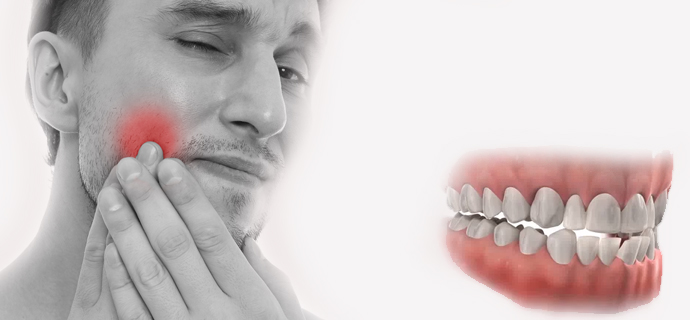
The most noticeable feature of nighttime bruxism is the sound produced by the teeth grinding together. This sound is so loud that it is often noticed by spouses or roommates. The force applied can be 5-6 times that of a normal chewing force. Therefore, one wakes up in the mornings with tooth sensitivity, facial muscle fatigue, and jaw joint pain.
2. Daytime Bruxism (Awake Bruxism): “Silent Tension”
Daytime teeth grinding works through a completely different mechanism. The person is awake but is usually unaware of grinding (semi-conscious). This is more of a “Tic” or “Psychological Defense Mechanism” rather than a movement disorder.
In daytime bruxism, teeth grinding (sound) is almost nonexistent. Instead, the teeth clench together silently (clenching). It usually occurs during tasks requiring concentration or under stress.
☀️ The Istanbul Factor: “Traffic and Plaza Bruxism”
Clinical observations in Istanbul have shown that daytime bruxism is most often triggered during:
* Driving in congested traffic.
* Performing tasks requiring intense concentration at a computer (coding, design, etc.).
* During stressful meetings or when anger is suppressed.
Great Comparison: Differences Table
A comparison clarifying the differences in diagnosis and treatment between the two types:
| Feature | Night Bruxism (Sleep Bruxism) | Daytime Bruxism (Awake Bruxism) |
|---|---|---|
| State of Consciousness | Unconscious (Sleeping). | Semi-conscious (Awake). |
| Main Movement | Grinding (Rhythmic Friction). | Squeezing / Clamping (Static Pressure). |
| Sound | There is a loud squeaking sound. | It is silent. |
| Main Trigger | Sleep Disorders (Apnea), Central Nervous System. | Psychosocial Stress, Concentration, Anxiety. |
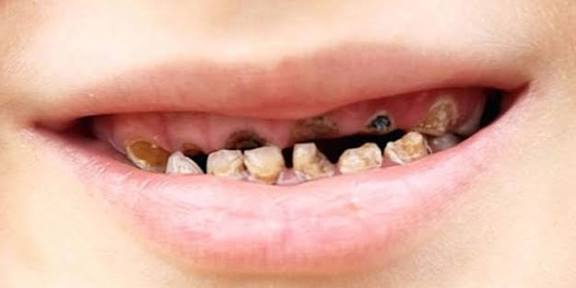
| Tooth Damage | Wear and flattening of tooth surfaces. | Cracks, fractures and chipping at the edges of teeth. |
| Treatment Approach | Night Splint, Apnea Treatment. | Mindfulness Therapy, Biofeedback, Botox. |
Critical Distinctions in Treatment
The biggest mistake is applying the same treatment to both conditions.
Who is a Night Splint Used For?
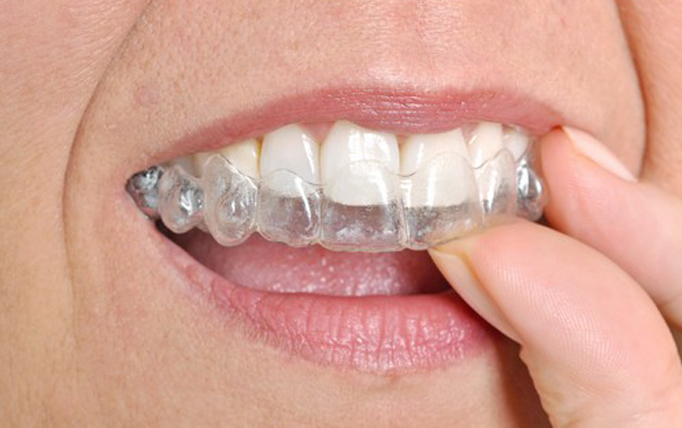
A night splint is primarily designed for Nighttime Bruxism. It prevents teeth from rubbing against each other, protects the joint, and relaxes the muscles. However, if you tell a patient with Daytime Bruxism to “Wear this during the day too,” the patient will start biting the splint, and the clenching habit may increase even more (like chewing gum). Therefore, daytime splint use is generally not recommended.
Masseter Botox: A Common Solution
The most effective common treatment for clenching both day and night is Masseter Botox. By weakening the strength of the chewing muscle, it prevents the patient from clenching as strongly as before, even if they want to. This is the most frequently applied method in Istanbul clinics to erase muscle memory and rest the joint.
📍 For Daytime: “Reminders” Method
Daytime bruxism is an “awareness” problem. The moment you realize you are clenching your teeth in Istanbul traffic or in the office, you need to release your jaw. For this, we recommend that our patients place their teeth on office desks, computer screens, or car seats.We recommend attaching small, colorful labels to your teeth. Every time you see these labels, ask yourself: “Are my teeth touching right now?” Normally, teeth should only touch when eating.
Which Doctor Should You See?
Dentist / Oral Surgeon: This is the first place to go. They detect tooth wear, muscle growth, and joint damage. He/She applies splint and botox treatment.
- ENT and Sleep Specialist: If snoring and breathing cessation (Sleep Apnea) are underlying your nighttime teeth grinding, a sleep test (Polysomnography) should definitely be done.
- Psychologist / Psychiatrist: If your daytime teeth grinding is due to intense anxiety and stress, therapy support is essential to address the root cause.
Conclusion: Know Your Enemy
Teeth grinding is a serious problem that can lead to tooth loss, facial deformities (muscle growth), and chronic headaches. However, knowing whether your enemy comes “at night” or “during the day” is the first rule of winning the battle.
In Istanbul, both types of bruxism can be controlled with modern diagnostic methods and holistic treatment approaches (Botox, Splint, Physiotherapy). Waking up tired in the mornings or suffering from headaches all day long is not your destiny. Stop clenching your teeth, seize life.