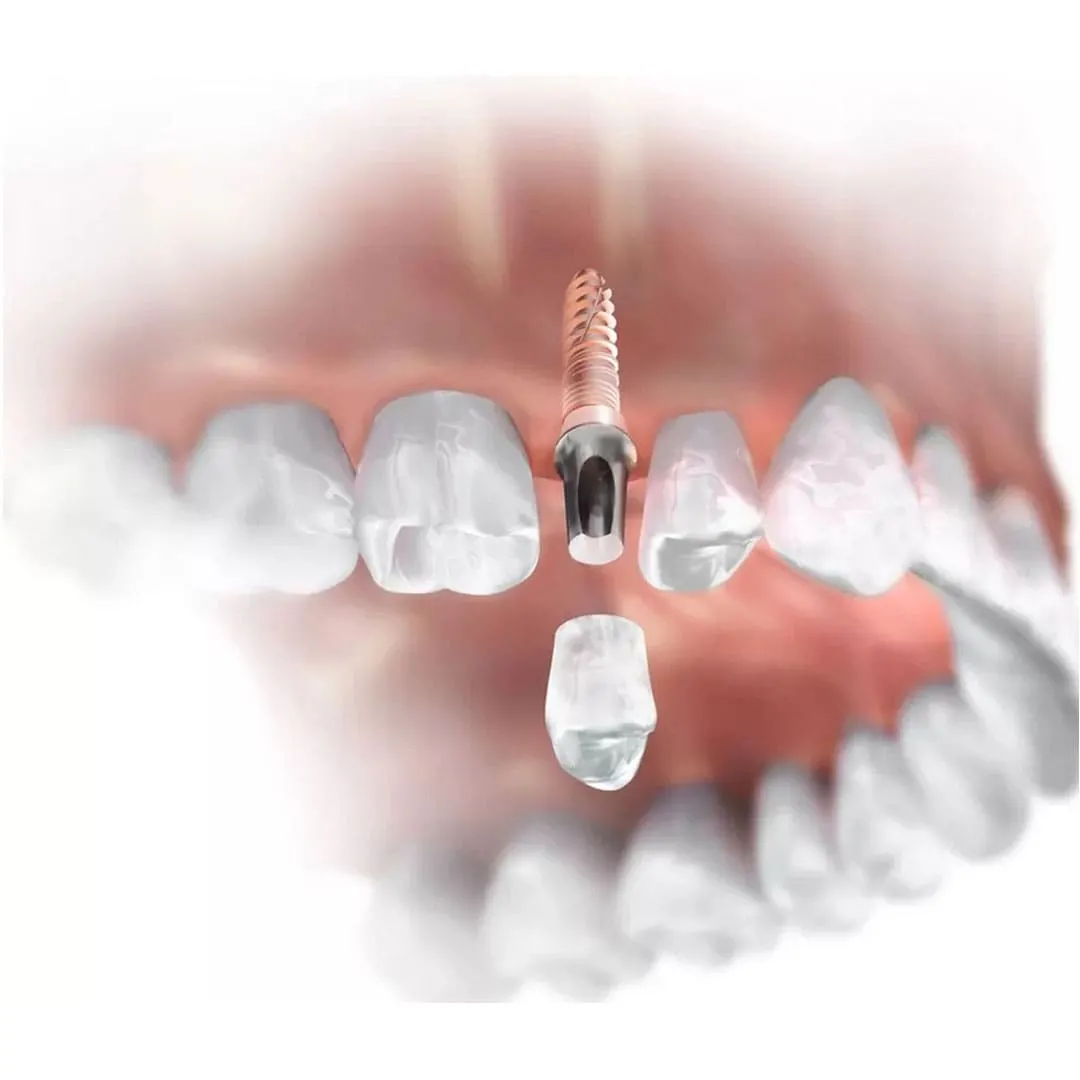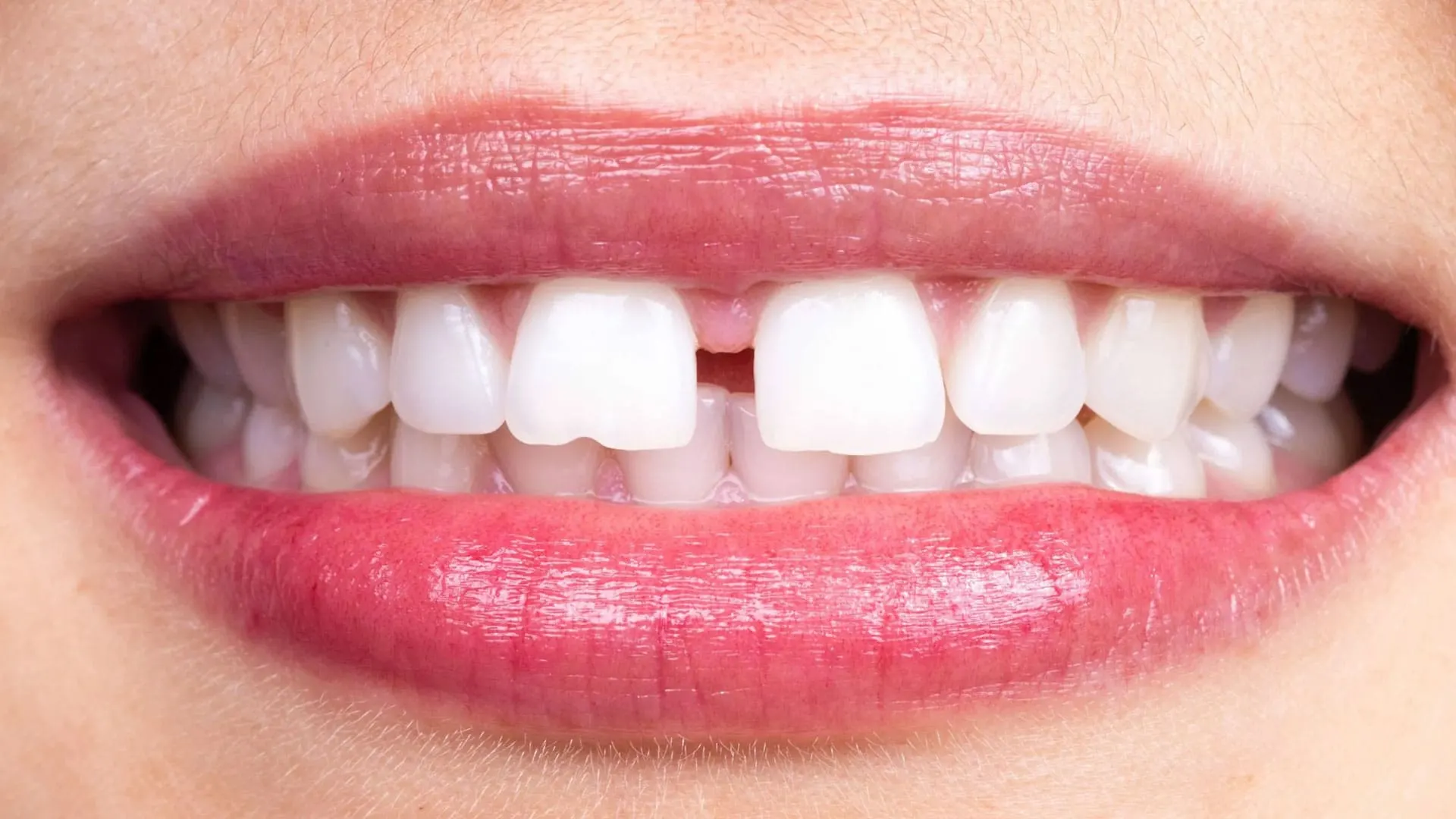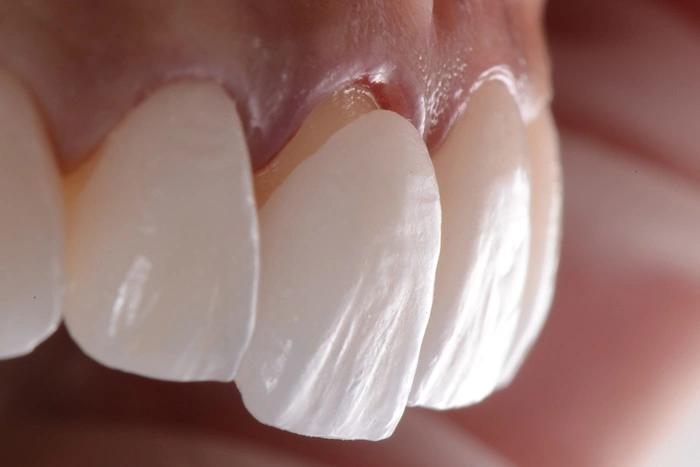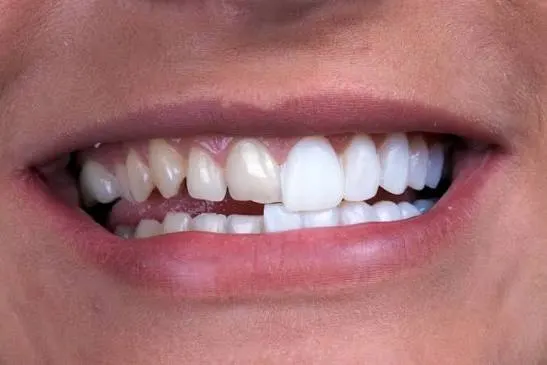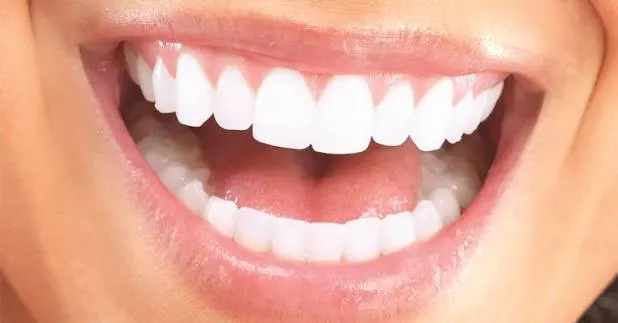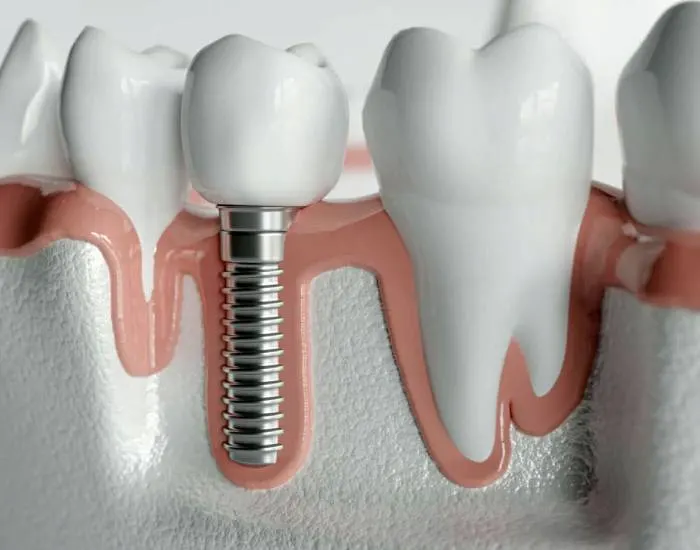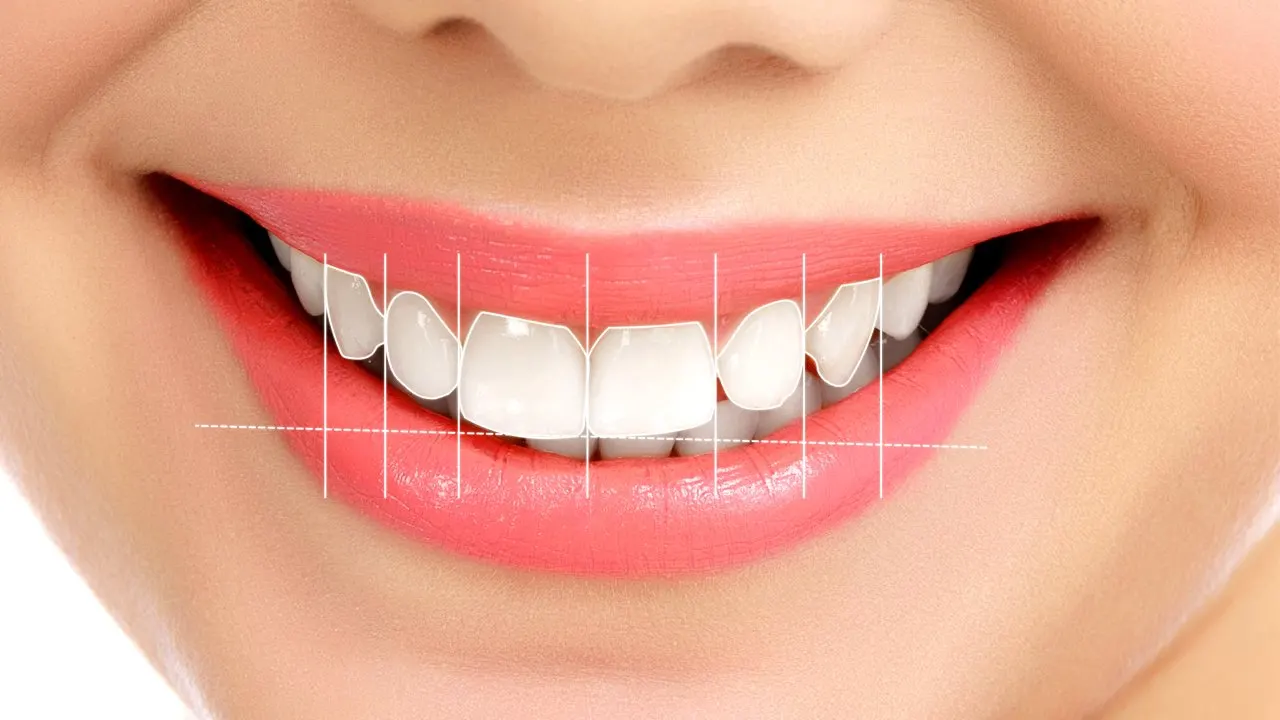
Digital Smile Design (DSD) is a digital planning method that lets you see the smile planned for your face and lip line on a computer before treatment starts, and often with a temporary model in your own mouth. Yes, you see the smile in advance; however, it is a preview, and the real result may differ in part depending on the condition of the teeth, the material used and the application. Below you will find the steps of the process, how realistic the simulation is and in which cases additional treatment may be needed.
What is Digital Smile Design?
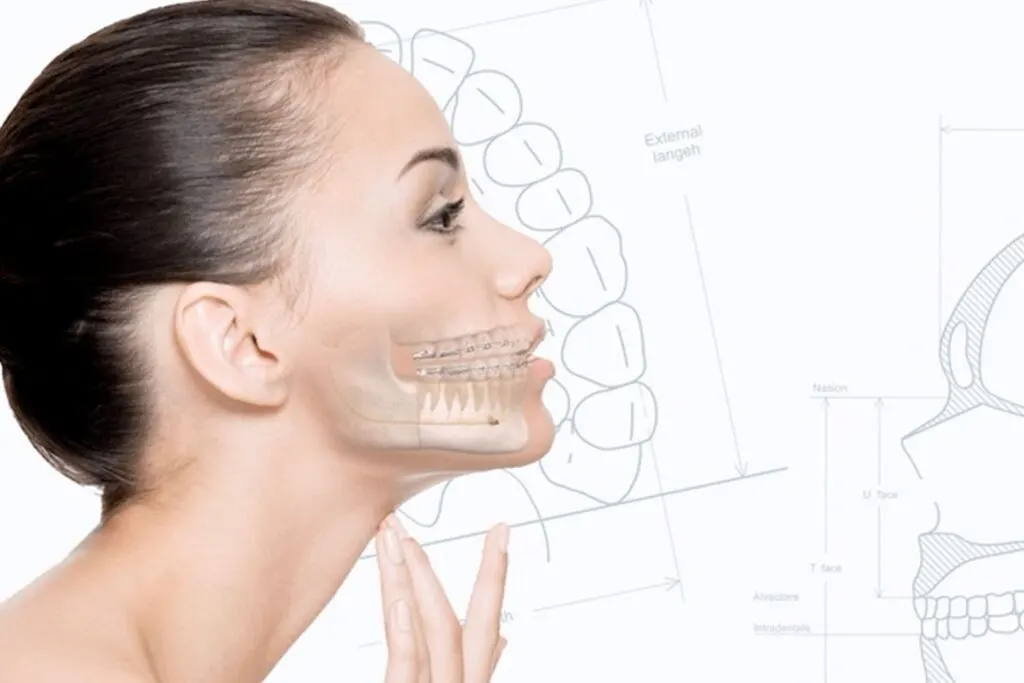
DSD is a planning approach that considers the smile together with the proportions of the face: the length, width and color of the teeth and their relation to the gums, the midline of the face, the lip line and the part of the teeth that shows when speaking and laughing are assessed together. The aim is not just good-looking teeth but a smile that suits your face.
At OPC Klinik, digital planning is used as part of the smile design service; you can find the general framework on our smile design page.
How it differs from classic smile design
In the classic method the plan is based on the dentist’s impressions and observations, and the result is mostly seen only after treatment is over. DSD makes the plan visible from the start: you take part in the decision and talk with your dentist about the same image. This way expectations become clear before treatment, and situations like “I had imagined this differently” become less frequent.
How is a smile designed with DSD?
The DSD process consists of several steps that follow one another. Knowing what happens at each step lets you follow the process calmly.
- Consultation and expectations: The dentist listens to what you want to change in your smile and asks about your health history and habits. Since nothing is done yet at this stage, you can make your decision in peace.
- Photos and video: Photos of your face and smile from different angles and short videos are taken. From these recordings it can be read how much of the teeth shows when you speak and laugh.
- Digital impression: The measurements of your teeth are transferred to the digital environment.
- Digital analysis and design: The photos and the digital impression are combined in the same program; the midline, tooth lengths and proportions are analyzed with lines, and the new smile is designed digitally.
- Showing the simulation: The design is shown to you on the screen over your face. If needed, changes to shape, length and color are made together.
- Mock-up (trial): The design is placed in your mouth with a temporary material. This way you can try the smile in the mirror and in daily life, and tell us the points you do not like.
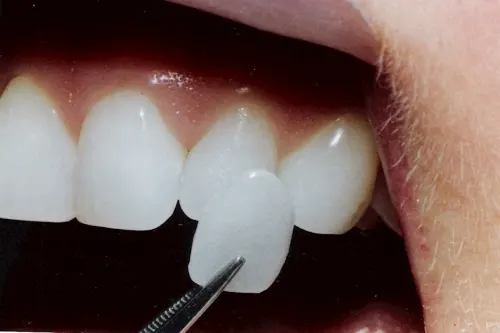
- Approval and treatment plan: The design you approve is carried into the mouth with veneers, bonding or another treatment.
What is felt at the appointment
DSD planning consists of taking photos, a digital impression and a talk in front of the screen. What you will feel at the appointment varies from person to person; if you feel any discomfort, it is enough to tell the dentist right away. At the mock-up stage the temporary material is placed over the teeth, and this is a trial stage; your dentist will explain the details and the duration at the exam.
How is the simulation shown to the patient?
The simulation is first shown to you on the screen, over your photo, with the new teeth; after that a real preliminary trial is made with the mock-up. The image on the screen gives an idea, while the mock-up lets you feel the size, the look and speaking in a real setting. Together these two steps make it easier for you to decide.
How well does the simulation reflect reality?
The simulation is a strong preview of the planned result, but it is not a promise of an identical result. What affects the real result is the color structure of the tooth, the shape of the gum, the material used and the laboratory production. Even though the mock-up is the closest trial to reality, there may be small differences in look between the temporary material and the final veneer. For this reason dentists talk through expectations from the start and make the necessary fine adjustments during treatment.
Cases where orthodontics or a restorative procedure may be needed
In some cases DSD shows that the smile should be corrected not only with veneers but with another treatment first. The following situations are examples of this:
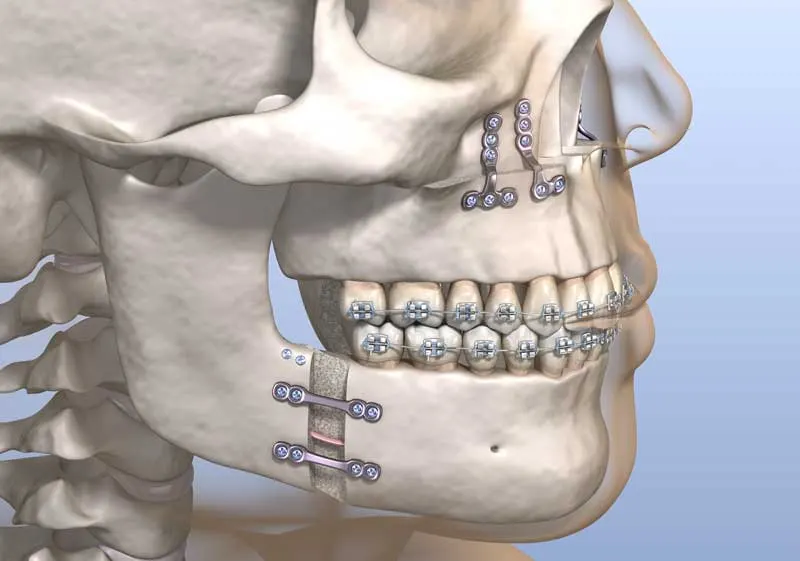
- Teeth that are clearly crooked or crowded; here orthodontics may be considered first.
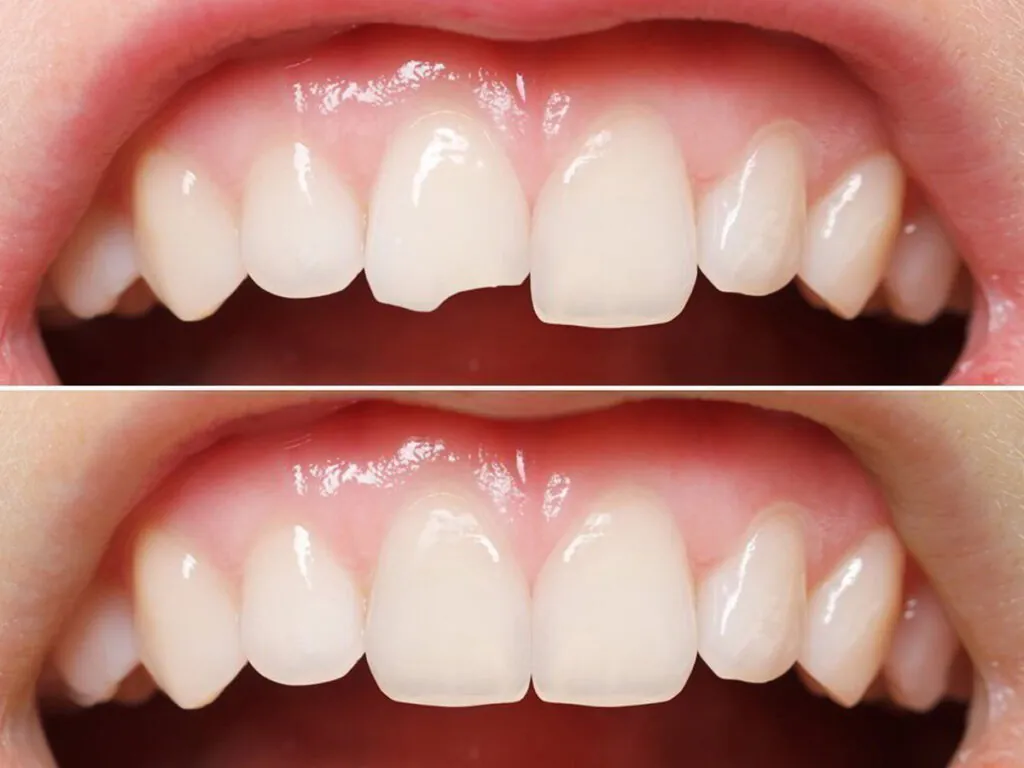
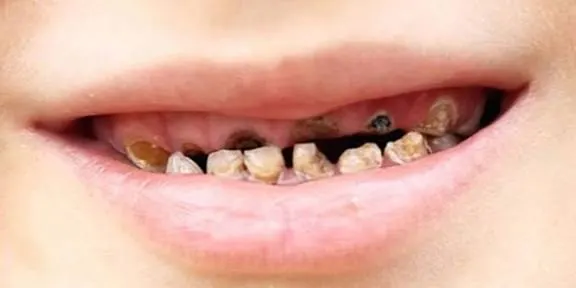
- Decay, old fillings or broken teeth; restorative treatment is needed first.
- An uneven gum line or gums that show a lot when smiling; gum reshaping may be planned.
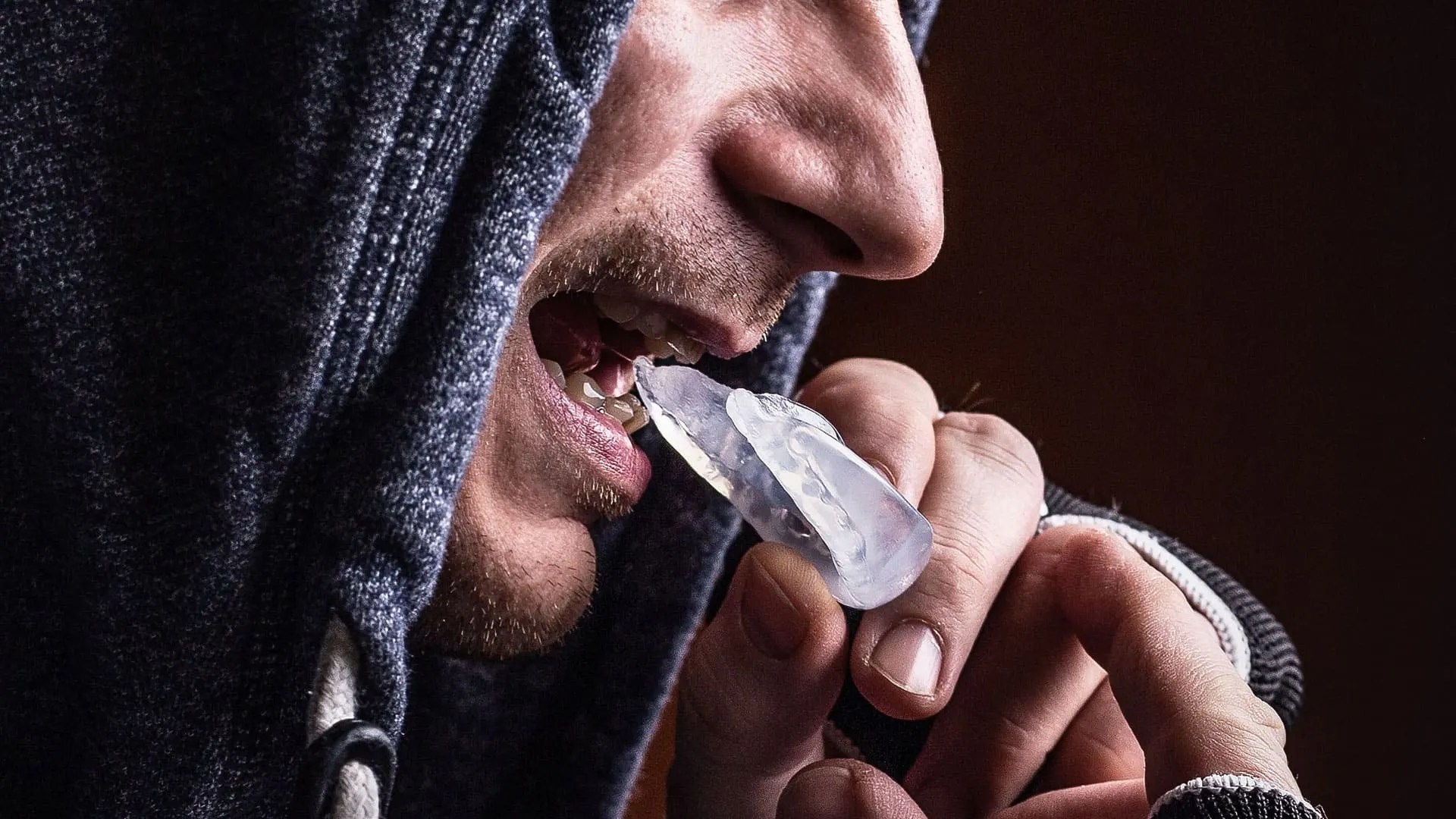
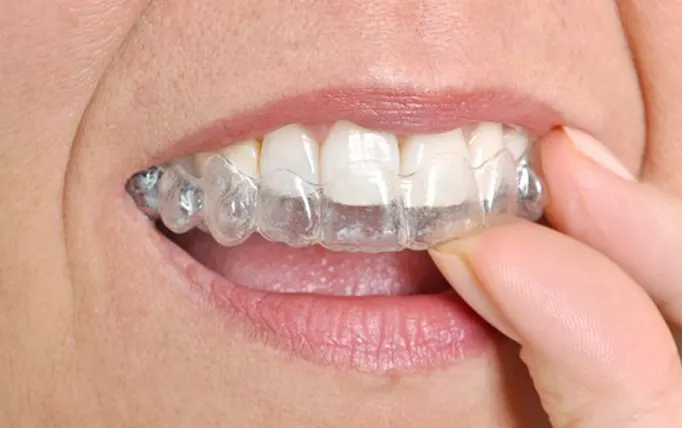
- Clenching and grinding; a night guard may be needed to protect the new smile.
Which teeth are affected and how much treatment is needed are decided together by the exam and imaging in the DSD process. We explained who a smile design is suitable for in our article who is smile design suitable for.
Whether the results change over time
The smile after DSD can be kept for a long time, but it is not a result that never changes. Veneer and bonding materials can wear depending on use, the gums and bone can change over the years, and natural teeth change color and shape with age. The care routine, the clenching habit and regular check-ups determine how well the result is kept.
For a long-lasting result, brushing and flossing, not biting hard objects and not missing check-up appointments are enough. You can read the details about the durability of veneers on the page how durable are lamina veneers.
Common mistaken beliefs about DSD
The idea that “DSD is just an aesthetic computer game” is wrong; the design is prepared according to the structure of the real teeth, the gums and the bite, so it has to be workable. “DSD gives everyone the same smile” is not true either; the plan is made individually according to your face and your expectation. Another mistaken belief is that DSD is a treatment on its own: DSD is a planning method, and what changes the smile is the treatment done afterwards.
What the cost depends on
You can ask about cost even before the exam, but an accurate calculation cannot be made without an individual plan. Learning from the dentist in writing which items the plan includes and the scope of the mock-up and check-up appointments helps you compare. Asking questions about this without hesitation is always the right step.
The cost of DSD varies with the scope of the planning and the treatment to be done afterwards. Planning alone and how many teeth will be made with which material are separate items: the material used (veneer, bonding), the number of teeth to be treated, the additional procedures required (orthodontics, gum reshaping, filling) and the laboratory process determine the cost. For this reason a clear amount can be given after the exam and planning.
Preparation before planning and care afterwards
Preparing for the planning appointment is easy: note examples of the smile you like and the aspects you do not like, and tell the dentist the medications you use and any suspicion of clenching. Do not strain the temporary material with hard food during the mock-up period. To clarify the schedule and the treatment stages from the start, it is enough to bring your questions in writing to the planning meeting.
After treatment is complete, regular brushing, flossing, check-ups and, if needed, a night guard protect your smile. For questions about digital smile planning or for a planning meeting, you can look at our digital smile design page and reach OPC Klinik through our contact page.
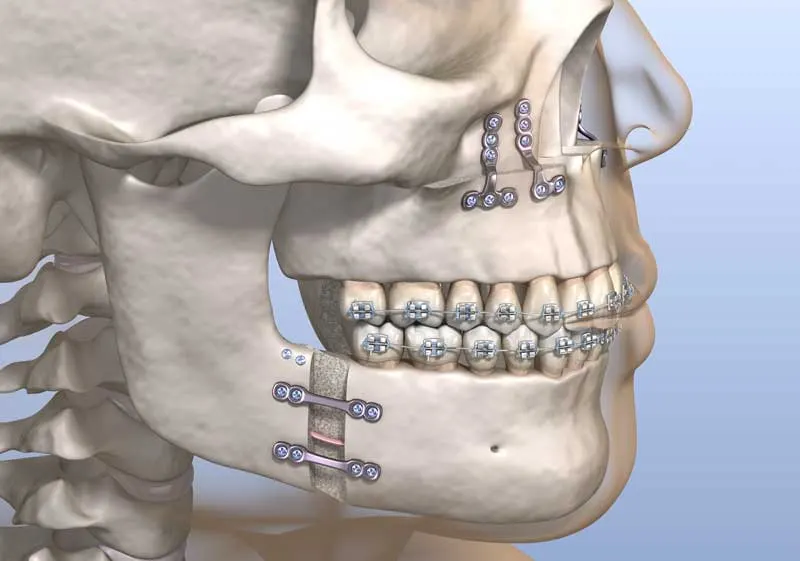
OPC Klinik is a dental clinic in Kadıköy that also offers advanced treatments such as zygomatic implants and orthognathic surgery; its co-founders are university faculty members, and in addition to Turkish we serve patients in English, German and Italian.