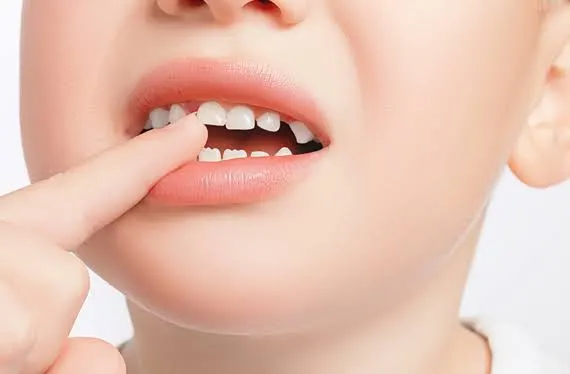
How a child’s tooth decay (caries) is treated depends on the stage: in the early stage fluoride and regular follow-up may be enough, advanced decay is treated with a filling, deep decay with root canal treatment, and a tooth that cannot be saved is extracted. Decay in baby teeth should also be treated, because it can cause pain and infection and affects how the permanent teeth come in. The pediatric dentist decides which option suits your child at the examination.
How can you tell a child has tooth decay?
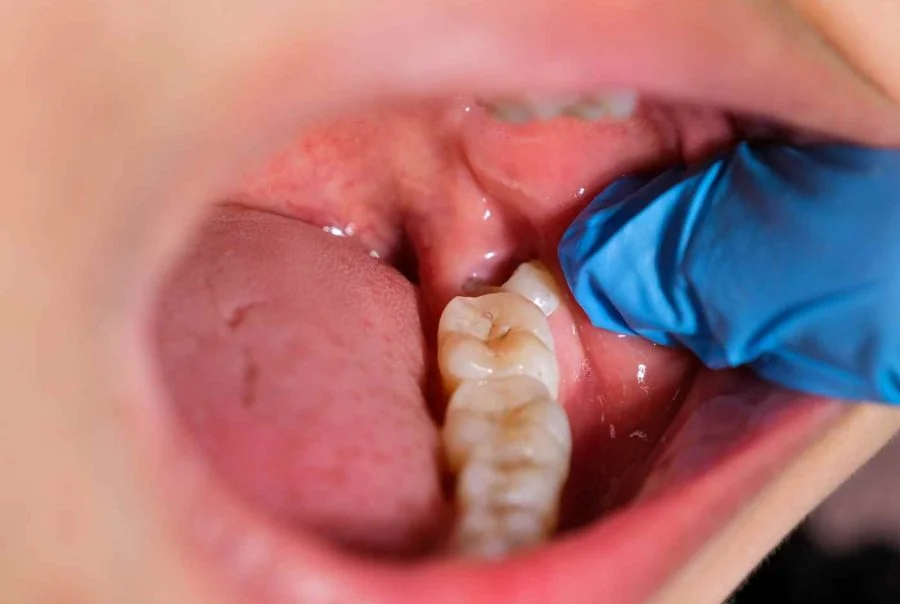
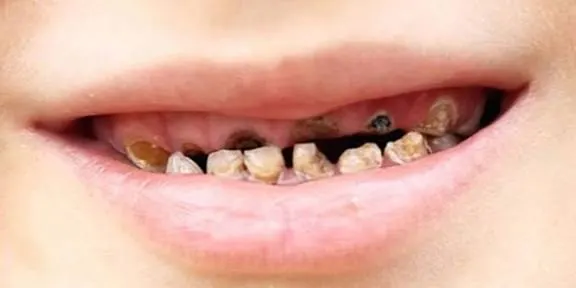
Decay often begins as a dull white spot on the tooth and may go unnoticed because it does not hurt. As it progresses, the spot turns yellow-brown and small pits form in the tooth. If your child is bothered by cold and sweet foods, avoids chewing on one side or says a tooth hurts, the decay may be advanced. Decay moves quickly in baby teeth because the enamel is thin, so regular check-ups matter.
Main causes of decay and baby bottle decay
The basic cause is bacteria turning sugary leftovers on the tooth into acid. Frequent snacking, sugary and fizzy drinks, insufficient brushing and taking milk or a sweet drink from a bottle while asleep speed up decay. Baby bottle decay is seen especially on the upper front teeth. These everyday mistakes that speed up decay can be noticed and corrected through regular check-ups.
Treatment options: follow-up, filling, root canal and extraction
Treatment is assessed in four steps according to the depth of the decay:
- Follow-up and fluoride: For early spots at the enamel level, progress is monitored with fluoride application and care.
- Filling: If the decay has reached the dentin, it is cleaned out and the tooth is repaired with a filling.
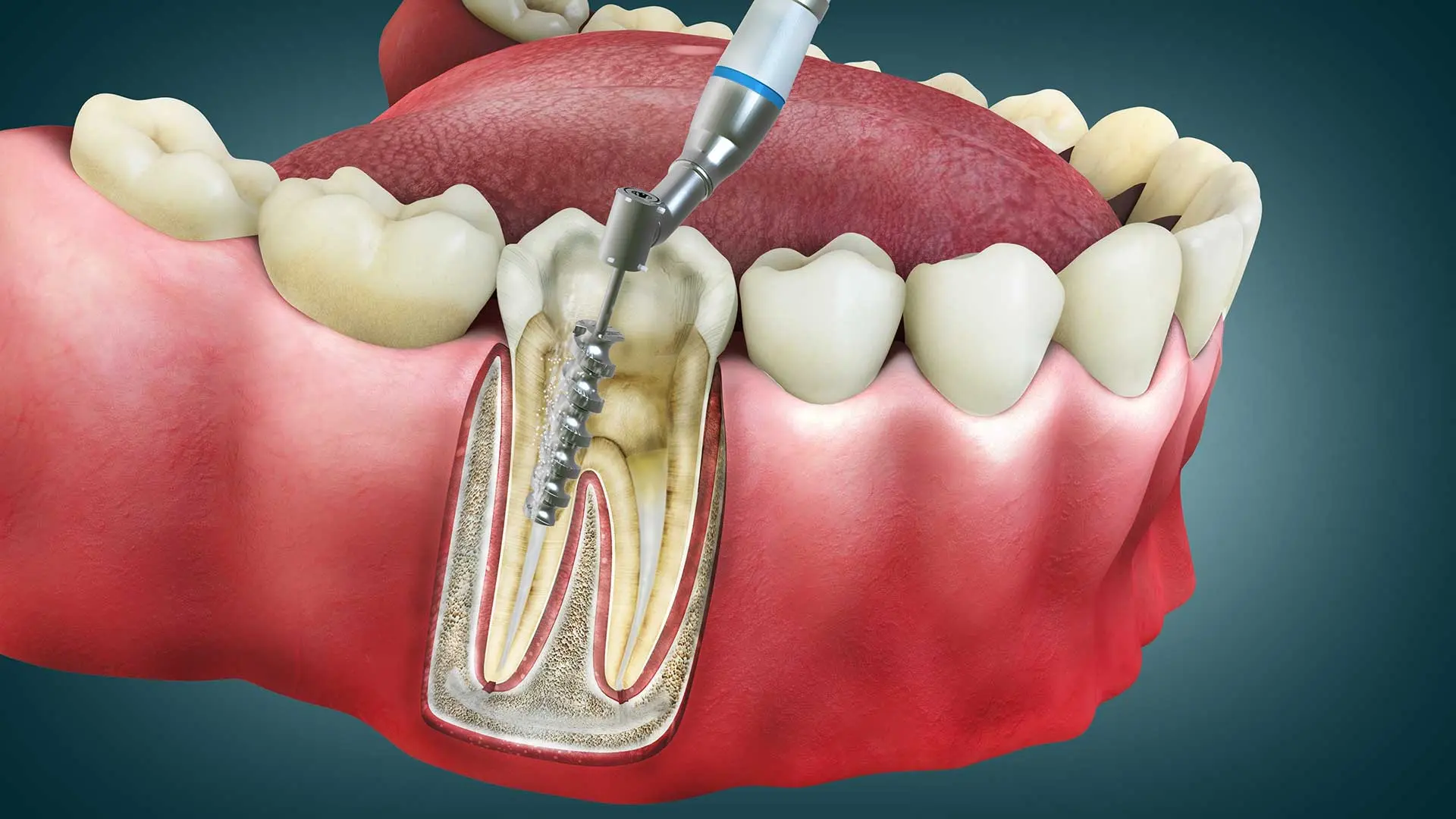
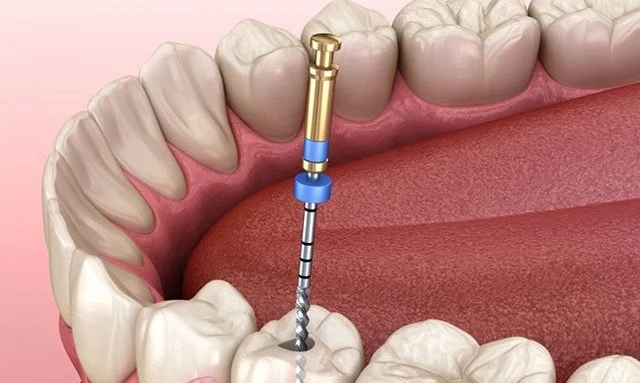
- Root canal treatment: If the decay has affected the nerve, root canal treatment may be used to keep the tooth.
- Extraction: If the tooth cannot be saved or there is an abscess, it is extracted and a space maintainer is placed if needed.
For more about treating decay in children, see the page on treatment of tooth decay in children in Kadıköy.
What to do if the child is afraid of treatment
With a frightened child, treatment does not start right away; the child first gets to know the dentist and the surroundings, is eased in through play and is given simple explanations. Instead of making firm promises at home such as “it won’t hurt at all”, plain and honest sentences like “the dentist will look at your tooth and tell you what they are going to do” build more trust.
Daily habits at home and brushing
Brushing twice a day, especially before bed, with a fluoride toothpaste suited to the child’s age lowers the risk of decay. With young children, parents should finish the brushing, limit sugary drinks and snacks and avoid giving a bottle during sleep. You can read about the role of these habits in prevention in the article how to prevent tooth decay in children.
Preventive care such as fluoride and fissure sealants
Fluoride strengthens the enamel, while fissure sealants close the grooves of the molars and lower the risk of decay. Both help in children, but neither replaces brushing. For details, see the article on fissure sealants and fluoride treatments.
Check-up interval and when to see a dentist
The general recommendation for children is to come for regular check-ups at the intervals the dentist sets; for children at higher risk of decay the intervals may be shorter. If you notice a spot, a pit, pain or swelling in the face, do not wait to get in touch. You can request an appointment for an examination through the contact page.
Frequently asked questions
Should decay in a baby tooth be treated?
Yes, untreated decay in a baby tooth can cause pain and infection and can affect the permanent teeth.
How can baby bottle decay be prevented?
Do not give a bottle during sleep, limit sugary drinks and start cleaning the teeth from the first tooth.
How is dental treatment done for young children?
The child is first helped to get used to the setting, the area is numbed when necessary, and treatment proceeds step by step according to how well the child cooperates.
OPC Klinik is a dental clinic in Kadıköy that also offers advanced treatments such as zygomatic implants and orthognathic surgery; its co-founders are university faculty members, and in addition to Turkish we serve patients in English, German and Italian. If you would like an examination for your child’s tooth decay, you can reach us through the contact page above.