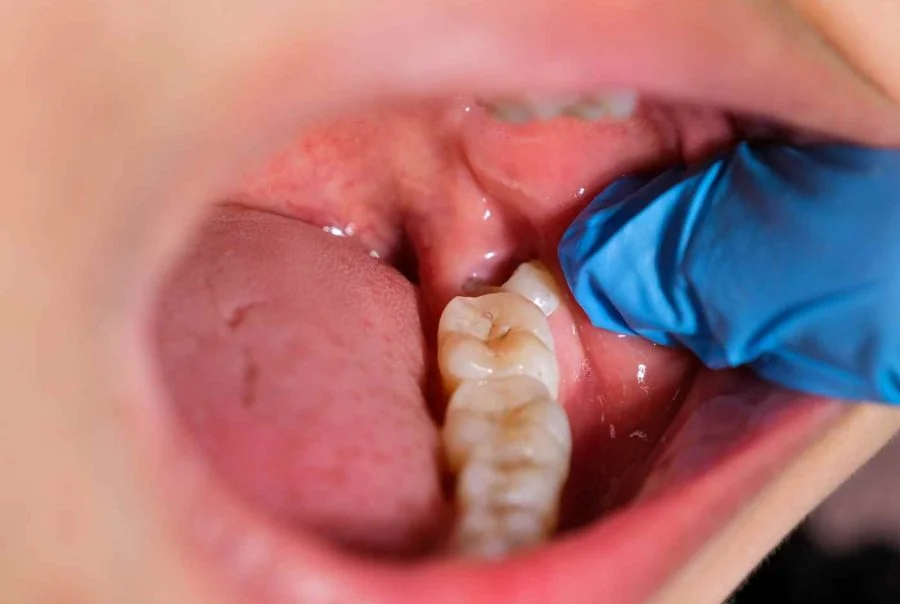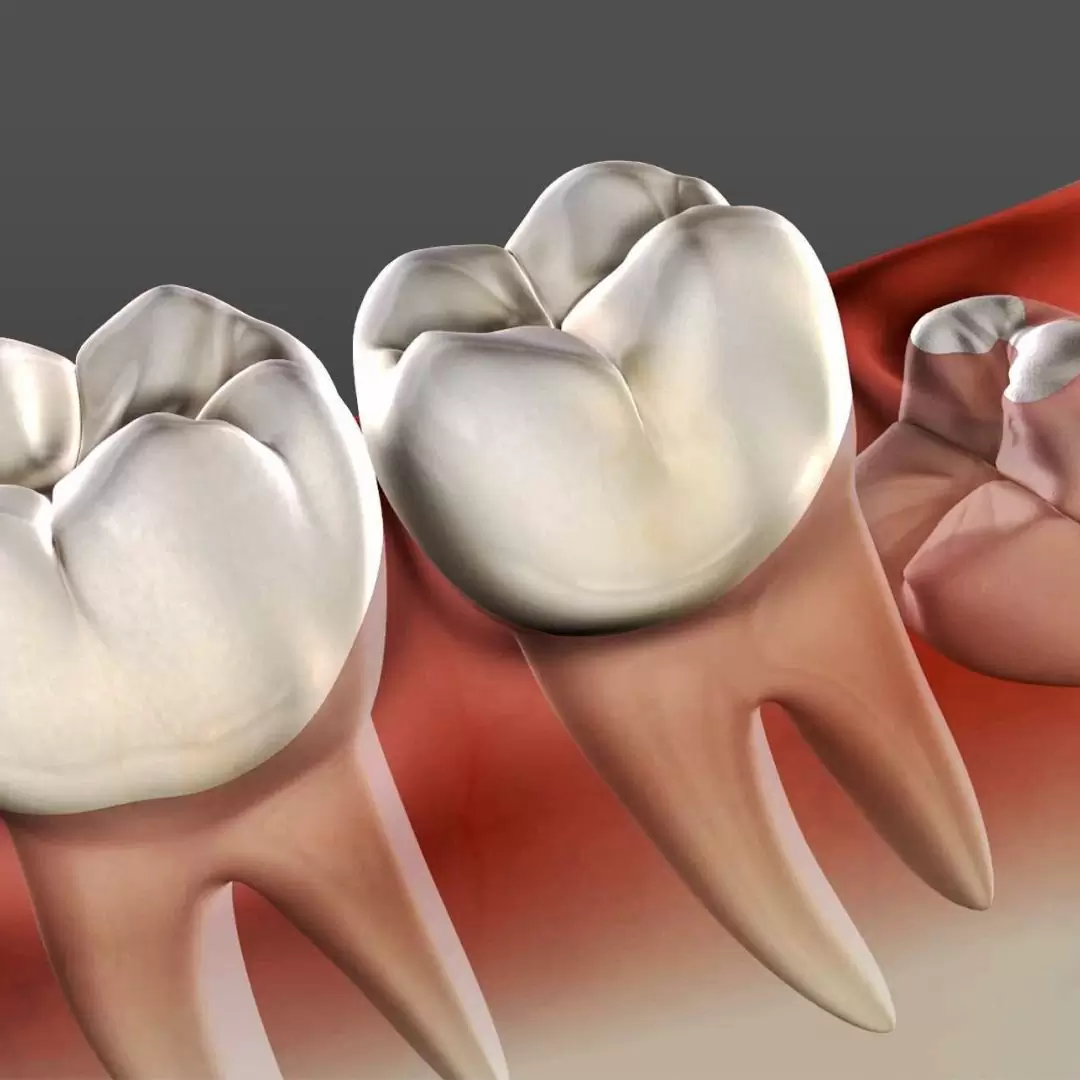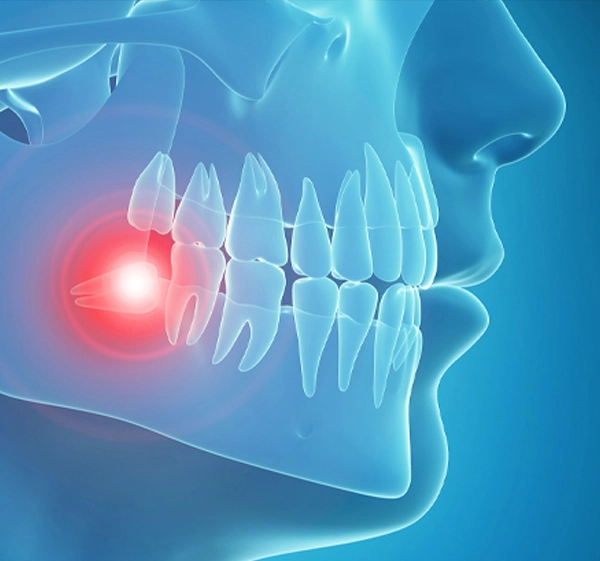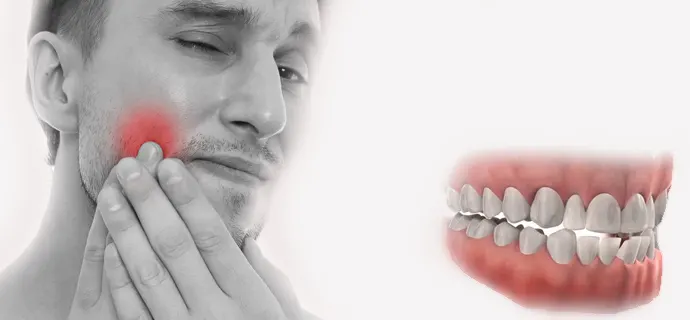
Why do implants fall out? Most of the time, what comes off is not the implant itself but the crown on top of it or the screw that holds it; a loosened screw, dissolved cement, teeth clenching and chewing force are the most common causes. Losing the implant body that sits in the bone is rarer and is usually linked to infection, bone loss, smoking or insufficient fusion with the bone. The crown and screw are usually re-secured or renewed after an examination; for the implant body, the decision depends on the condition of the bone and the surrounding tissue.
First, work out what came off
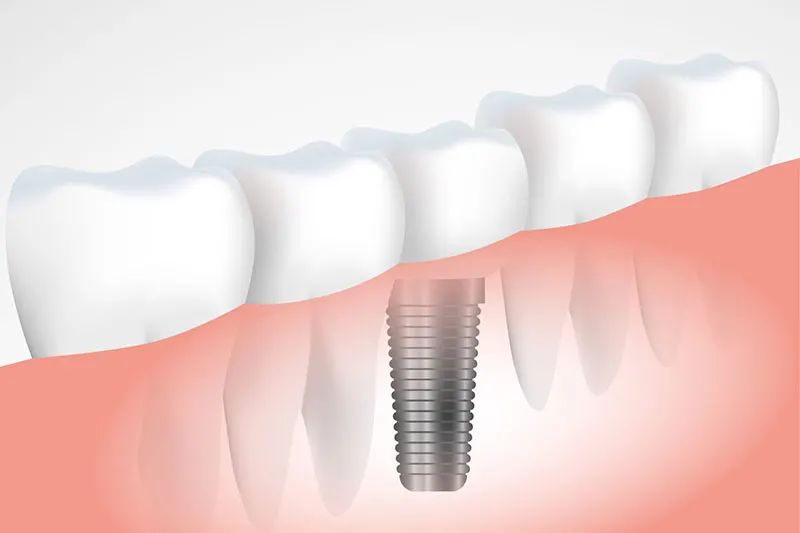
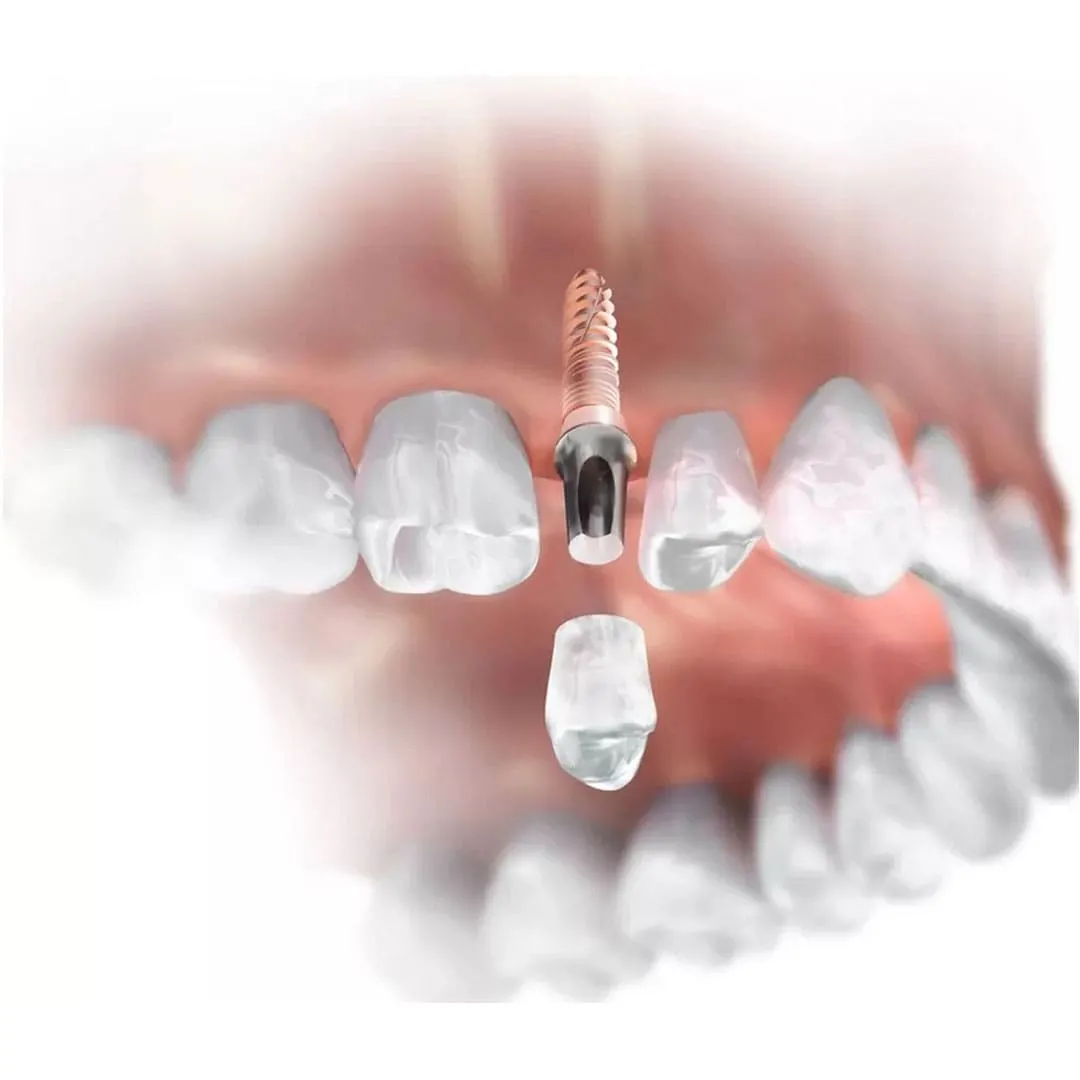
The right answer to this question depends on which part came off. An implant has three parts, and each has its own kind of problem.
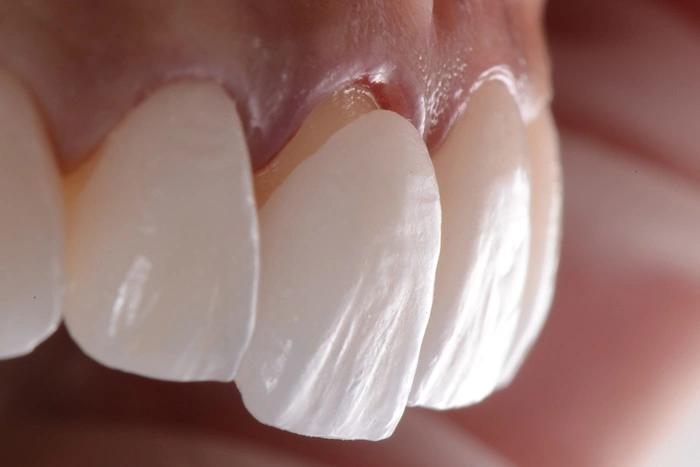
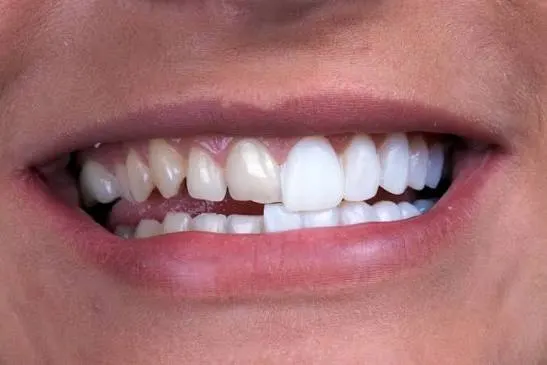
- Crown: The tooth-shaped part you see in the mouth. If it has come off, you are left holding a tooth-shaped piece, and a metal post or a screw hole may be visible in the mouth.
- Connecting screw or abutment: The intermediate part that links the crown to the implant. When it loosens, the crown moves, and you may feel a clicking or movement when chewing.
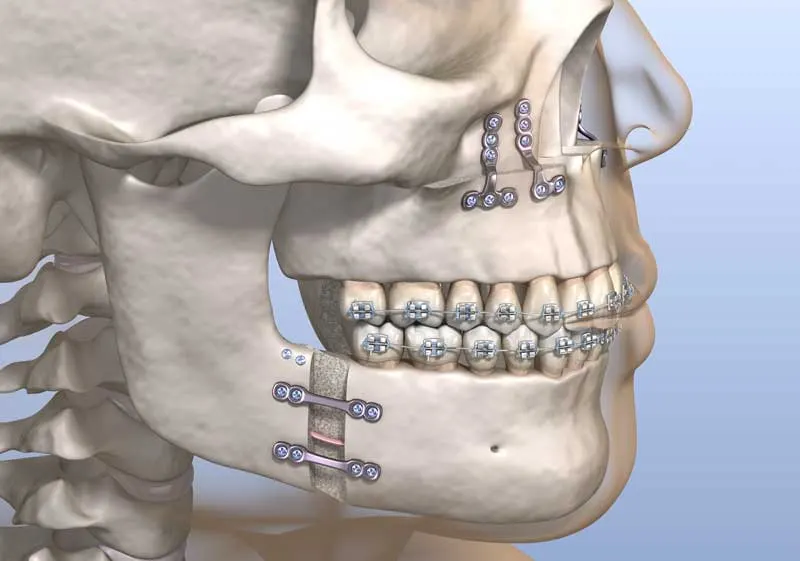
- Implant body: The titanium root section inside the jawbone. If this part moves, or there is swelling or pus around it, the situation is more serious and a dentist’s assessment should not be delayed.
If you are not sure, keep the part that came off and show it to your dentist. If you wonder how the crown is attached, whether it is cemented or screwed on, the article on whether the tooth on your implant is cemented or screwed will help.
Why a crown or screw loosens or falls off
A crown coming off is mostly a mechanical problem and does not mean the implant has failed to hold in the bone. The main causes are these:
- Screw loosening: Daily chewing load can loosen the screw over time. At first you feel slight movement, and later the crown may come off.
- Dissolved cement: In crowns attached with cement, the adhesive layer can break down over time.
- Ill-fitting prosthesis: If the crown does not seat fully on the implant, or the bite (the way the upper and lower teeth meet) is wrong, some points take too much load.
- Excessive chewing force: Hard foods and habits increase the load, especially in the back of the mouth.
- Teeth clenching and grinding: Many people are not aware of it because it happens during sleep. Constant, high force can loosen screws and crack the crown. If you suspect it, an assessment of teeth clenching and grinding should be part of your implant check for this reason.
Why the implant body is lost
Losing the body happens in two main ways: the implant does not fuse with the bone sufficiently from the start, or the tissue around it is damaged after placement.
Infection and bone loss
An infection of the gum and bone around the implant is called peri-implantitis. It is similar to gum disease around natural teeth: accumulated plaque causes inflammation in the gum and, as it advances, the bone surrounding the implant is lost. As bone support decreases, the implant begins to move. Bleeding, redness, swelling, a bad taste in the mouth or pus are the first signs. When it is caught early, there is a better chance of bringing it under control with cleaning and treatment.
Insufficient bone and fusion problems
If the amount or quality of bone is insufficient, the implant may not hold firmly. For this reason the bone is assessed with X-rays and tomography at the planning stage, and bone support procedures are carried out first if needed. We touch on this subject in the article on bone augmentation surgery.
Risk factors: smoking, lack of care, systemic diseases
- Smoking: Makes healing of the gum and bone harder and increases the tendency to infection. For details, see the article on smoking after an implant.
- Inadequate oral hygiene: Plaque that builds up around the implant is the ground for peri-implantitis.
- Systemic diseases such as uncontrolled diabetes: They can affect tissue healing and resistance to infection.
- Skipping check-ups: A loosening screw or a starting inflammation can progress without being felt.
What to do at home first when an implant or crown falls out
There is no need to panic; in the first hours a few simple rules keep you from making things worse.
- Keep the part. Put it in a clean container or a paper tissue and take it to your dentist.
- Do not glue it back or force it into place. Household adhesives are not suitable for the mouth, and a part that does not seat correctly can damage the implant or the gum.
- Keep the area gently clean. Clean around it with a soft brush and avoid rough movements.
- Do not chew on that side. An exposed screw or connecting part can be damaged.
- Make an appointment with your dentist. Being seen the same day or as soon as possible is the right course; waiting can lead to the part being lost or the gum closing over.
Which symptoms need urgent assessment
A crown coming off is often not an emergency, but if any of the following symptoms is present, contact a dentist without waiting:
- Swelling, especially if it spreads to the face or jaw
- Discharge of pus or a bad taste in the mouth
- Fever
- Severe or increasing pain
- The implant itself moving
- Bleeding that does not stop
What is assessed at the examination and how reattachment is planned
Whether an implant that has fallen out can be placed again becomes clear at the examination. The dentist first looks at what came off, then checks whether the implant moves, whether there is inflammation in the gum, and the bite. The condition of the bone around the implant is examined with an X-ray.
- If the crown came off: If the screw and implant are sound, the crown can be cleaned and re-secured. If the part is broken or does not fit, a new one is prepared.
- If the screw loosened: The screw is tightened or replaced and the bite is reviewed; if the cause is not removed, the problem can recur.
- If the implant body was lost: The area is allowed to heal, any infection is treated, and bone support is provided if needed. When the bone is sufficient, a new implant can be planned in the same area. This decision is made together by the dentist and the patient, with the patient’s consent.
If a new implant is not suitable, alternatives are discussed; depending on the condition of neighbouring teeth and how widespread the tooth loss is, a bridge or multiple-implant solutions may come into question. Because the time and outcome vary from person to person, the plan is made according to examination findings rather than a firm promise.
If the implant screw becomes visible, is that normal
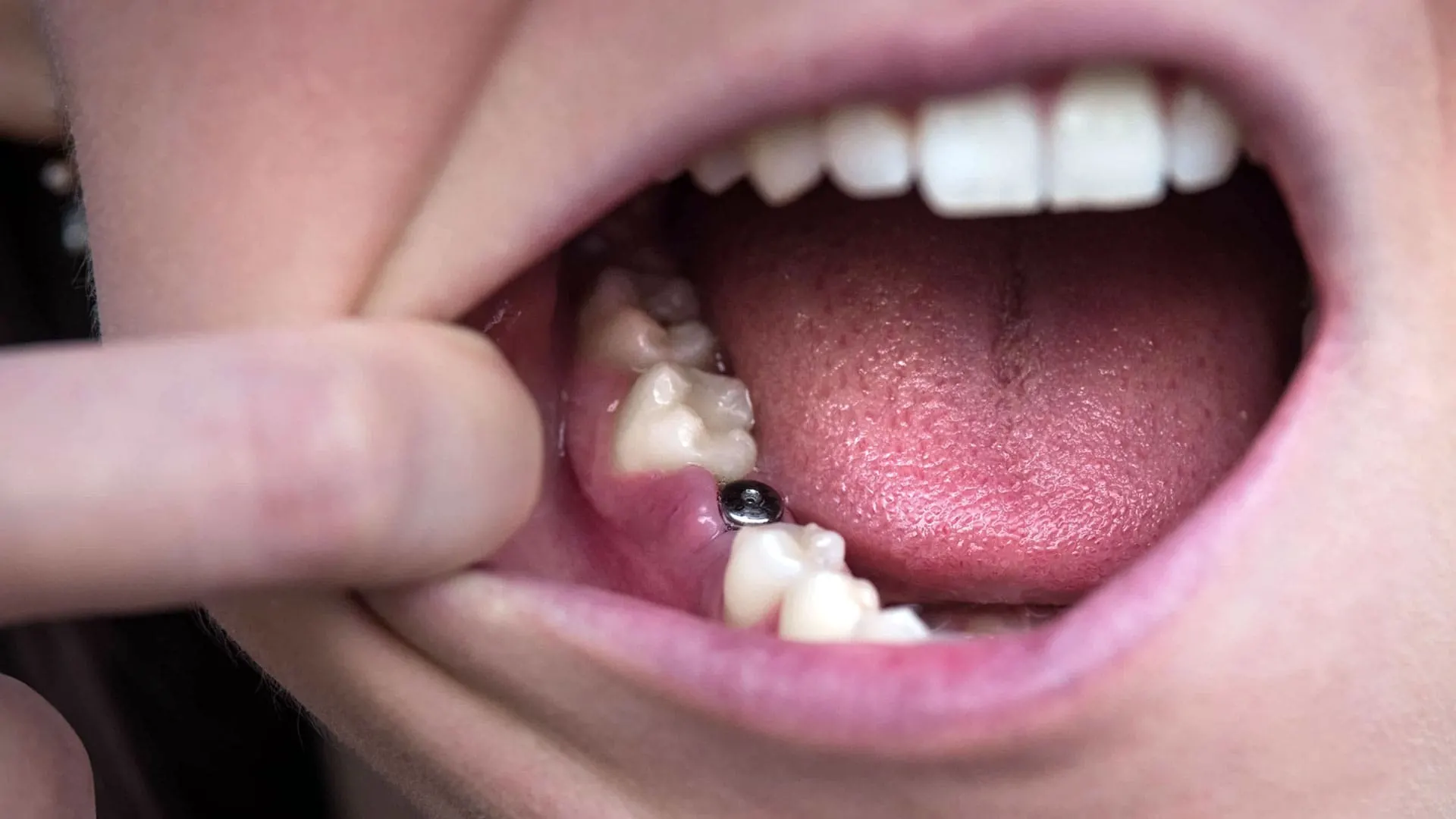
A screw or a metal part showing in the mouth is not a normal, expected situation and needs to be checked. The cause may be gum recession, a crown that has come off, or bone loss around the implant. So it is sometimes only a crown problem and sometimes a sign of a deeper one. Do not try to deal with it at home; depending on the cause, the dentist will cover the screw, renew the crown or treat the infection or bone problem.
Preventing it from happening again: check-ups, hygiene and clenching
The lifespan of an implant is determined most by your daily care and regular check-ups.
- Regular check-ups and professional cleaning; this way screw loosening and early inflammation are noticed before pain starts. Routine check-ups and cleaning are planned for this purpose.
- Cleaning around the implant with the tools your dentist recommends, such as floss and interdental brushes.
- Staying away from smoking.
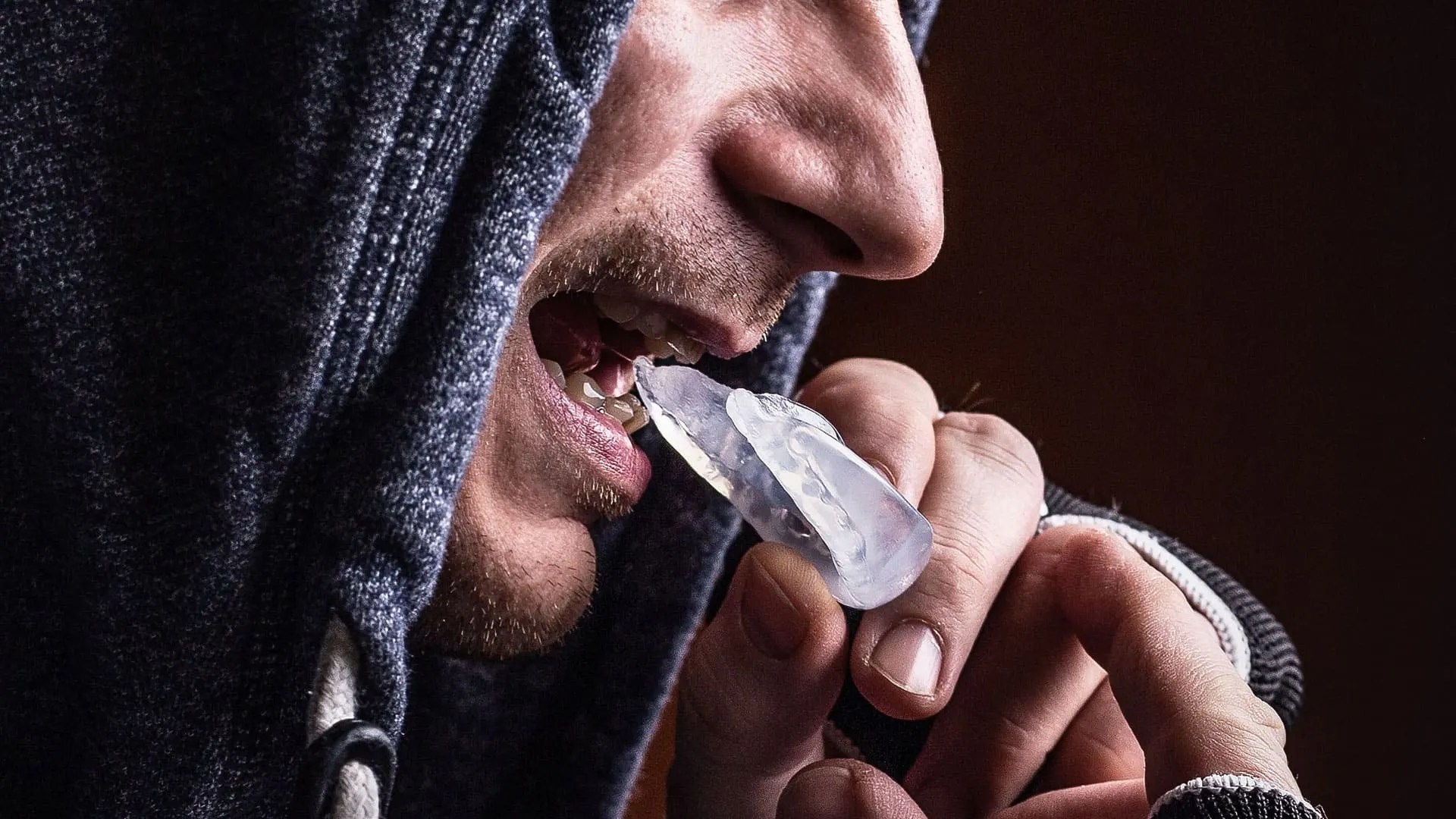
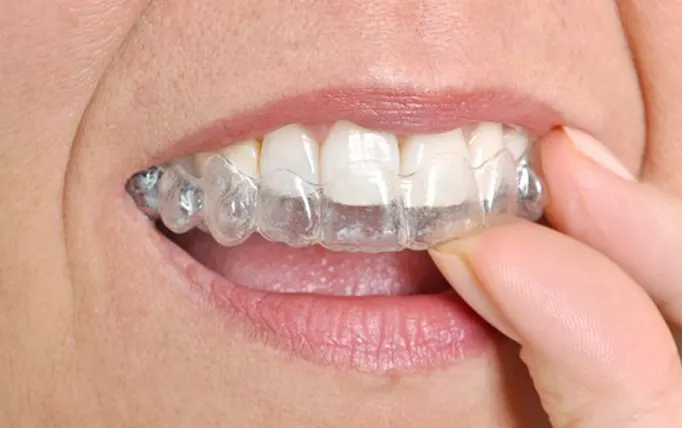
- Using a night guard if you clench or grind.
- Keeping systemic diseases such as diabetes under control.
You can find what to watch for after treatment in one place in the article what should I pay attention to after implant treatment.
Frequently asked questions
Can an implant that has fallen out be placed again?
If the part that came off is the crown or the screw, it is usually re-secured or renewed. If the body came off, a new implant can be planned once the area has healed and the bone and gum have been assessed; the decision depends on the examination.
Can an implant fall out on its own?
An implant body that has fused solidly does not fall out on its own. What comes off is usually the crown or the screw; the body is lost only when it begins to move because of infection and bone loss.
What are the signs of infection around an implant?
Redness and swelling in the gum, bleeding when brushing, pus and a bad taste are seen, and when it advances, movement in the implant. If any of these signs is present, do not delay having it checked.
Why does an implant crown loosen?
It can loosen because of screw loosening, dissolved cement, a mismatched bite and teeth clenching. If the dentist does not find and remove the cause, the problem can recur.
Stay calm and find out the cause with an examination
The most important step for someone whose implant has come off is to keep the part and see a dentist without losing time. At OPC Klinik, the problem is identified at the first examination with X-rays and tests; treatment options and timing are explained openly, and the plan is settled with your consent. At the clinic, Assoc. Prof. Dr. Ezgi Yüceer Çetiner works in oral, dental and maxillofacial surgery. For general information about implant treatment you can look at our dental implant treatment page, and for our clinic in Kadıköy Kozyatağı you can reach us through the contact page.