When choosing a clear aligner brand, the dentist looks first at your teeth, not at the brand: how the teeth need to move, your bite and your expectations shape the choice of system. Invisalign is a well-known brand, but it is not the only option; who makes the plan and how it is made affects the result more than which system is used. This article explains how to compare brands before you go to the exam.
Is the brand or the case the deciding factor?
In most cases the case itself is the deciding factor. For mild crowding, gaps between teeth or small rotations, more than one system can give an adequate result. When teeth need to move a long way in the bone, when extractions are needed or when the jaws do not fit together, the quality of the planning, the dentist’s experience and the frequency of follow-up weigh more than the brand.
So instead of asking “which brand is better”, it is more useful to ask “which system can be planned for my teeth, and who will manage that plan?” Our article on types of orthodontic appliances and their differences also gives an idea of which method suits whom.
Main differences between Invisalign and other systems
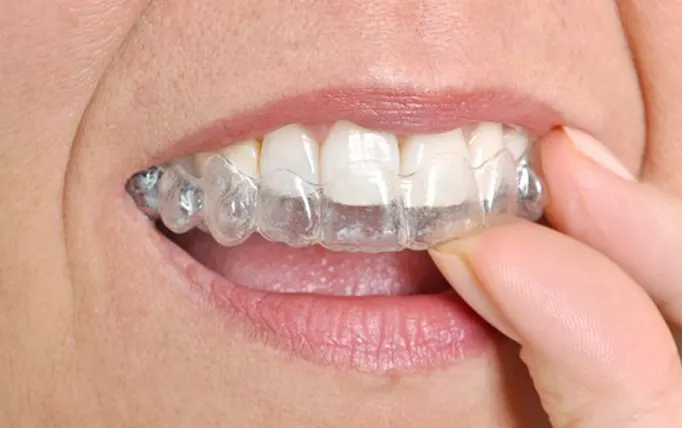
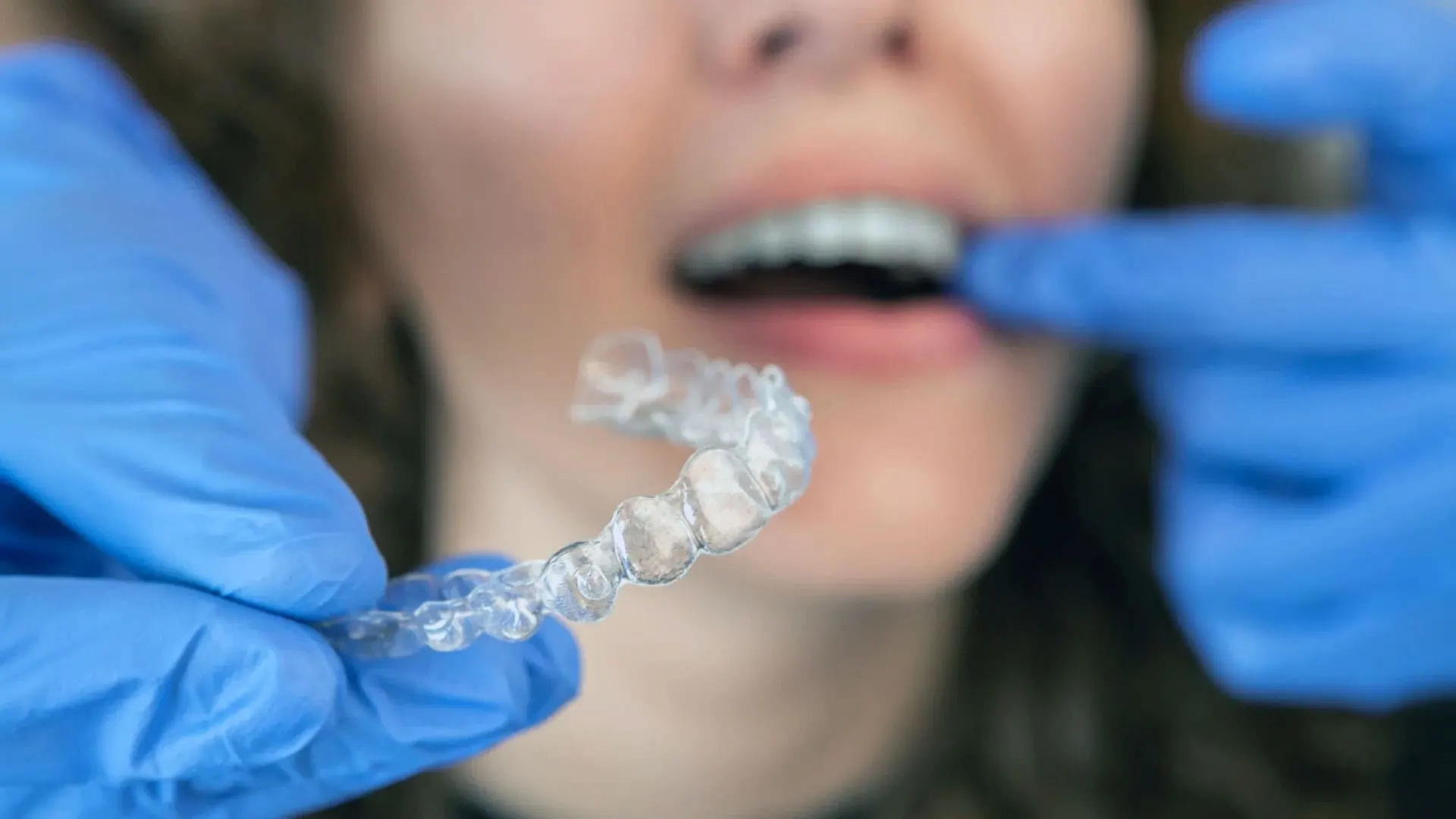
Clear aligner systems work on the same principle: transparent aligners planned from a digital scan and changed in sequence move the teeth in small steps. The details between systems can vary from brand to brand; your dentist explains them according to your case. The table below summarizes in general terms the points considered when deciding.
| Decision point | Invisalign | Other clear aligner systems |
|---|---|---|
| How does it work? | Transparent aligners prepared with digital planning and changed in sequence. | The same basic principle; details may vary by system. |
| Who is it suitable for? | The dentist decides after the exam in which cases it can be used. | Suitability varies from system to system; the dentist evaluates it according to your case. |
| What determines the duration? | The size of the movement, how the aligners are worn and how regularly follow-up appointments are kept. | The same factors; your dentist plans the details. |
| Care | Aligners are removed for meals, worn for the set number of hours each day, and teeth are brushed before each time they are put in. | Basic care is the same; wear time and cleaning recommendations may vary by system. |
| Follow-up | Regular check-ups and a retainer after treatment. | The frequency of check-ups and the support after treatment are determined by the clinic that applies the system. |
The table does not replace a full comparison of the systems; each brand has different software and scope, so it is important to ask the dentist which system they recommend and why. To get to know Invisalign in detail, you can look at the page what is Invisalign treatment, and for the treatment stages, the article on the Invisalign treatment process.
What is behind a brand: production, software and dentist network
A clear aligner brand consists of the facility that produces the aligners, the software that prepares the treatment plan and the network of dentists who use the system. These three work together. The digital scan taken from the mouth is transferred to the software, the dentist approves the plan, and the aligners are produced and delivered to the clinic or the patient.
What matters for you is who manages the plan in this chain. The software suggests how the teeth will move, but the dentist decides whether the movement is appropriate and whether an additional intervention is needed.
The size of a brand should not be taken alone as a sign of quality; it is more decisive that the dentist running your treatment takes ownership of the plan and follows you regularly.
Does cost and follow-up differ from brand to brand?
Yes, scope and follow-up arrangements can vary between systems; so when comparing two offers, you need to look not only at the total amount but at what it includes. Asking how many aligners are included, how additional aligners are handled if they are needed, and whether check-up appointments and the retainer after treatment are included in the offer or calculated separately helps you avoid misleading comparisons.
Choosing a system for complex tooth movements
In difficult plans such as bite problems, cases that need extractions, rotated teeth or movement of the tooth roots, what matters is that the system can plan the movement and that the dentist can follow it. In some cases clear aligners alone are not enough; fixed braces or an additional appliance may be needed.
When making this decision the dentist looks at the following:
- The amount and direction of tooth movement
- The condition of the gums and bone
- The bite pattern and the relationship of the jaws
- The presence of bruxism; in this case the wear of the aligners and the protection plan after treatment change
- The patient’s discipline in wearing the aligners throughout the day
The aligners need to be worn for the set number of hours each day; they are expected to stay in the mouth except for meals and brushing. For someone who thinks they will struggle to keep up this discipline, fixed braces may be more predictable. An honest assessment from the dentist on this point is more valuable information than the name of the brand. In children and adolescents the plan is different because jaw growth is still continuing; for age, you can look at the guide on when orthodontic treatment should begin.
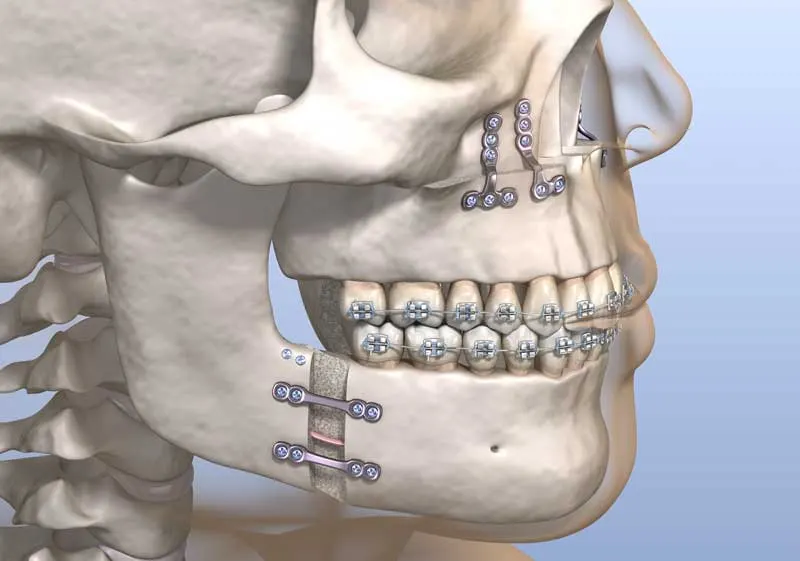
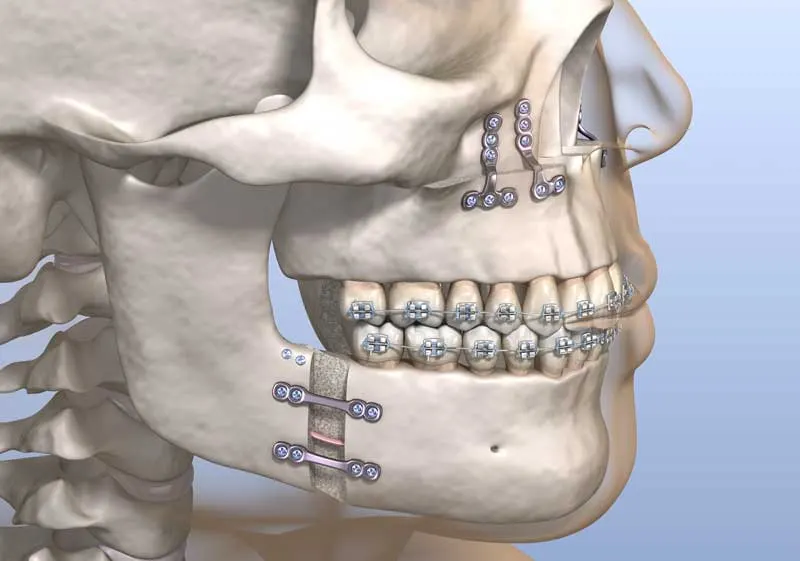
If you are told that clear aligners are not suitable for a difficult case, this should not be seen as a shortcoming; it shows that the right method is being chosen. In situations that also involve the jaw structure, orthodontics and surgery may need to be planned together; you can read the page on the relationship between jaw surgery and orthodontics for this.
How do you assess treatment duration claims?
A brand’s duration claim is only as reliable as the plan of a dentist who has seen your case. A general duration figure may not reflect every case. The real duration depends on factors such as the degree of crowding, how regularly you wear the aligners, the speed of tooth movement, which varies from person to person, and how consistently you keep your check-up appointments.
Asking at the exam “what would make the duration longer or shorter in my case” is more useful than a general figure. If you receive a clear answer specific to your case, that is a good sign. If the answer consists only of a brand name or a general duration figure, it makes sense to ask a little more about the details of the plan, because duration should be considered together with the direction and amount of movement. For general orthodontic durations you can look at the article how many months does orthodontic treatment take.
Where can you read reviews and clinical results?
User reviews describe not the system itself but the experience at that clinic. So when reading a review, you look not for the name of the system but for the detail of the process described: how the plan was presented, how regular the check-up appointments were, how the clinic reacted when problems came up.
The following points are useful when evaluating clinical results:
- The orthodontic training of the dentist doing the treatment and their clear aligner experience
- Whether the plan was shown to you digitally
- Whether the follow-up after treatment and the retainer plan were explained from the start
- Whether the reviews describe the process rather than just praise individual points
The data a brand publishes itself and clinical reality do not always match. So the decision should be based on the plan your dentist makes for your case.
Follow-up and retainer after treatment
Yes, a retainer is needed after clear aligner treatment ends. Teeth do not settle immediately in their new position; while the bone and gums adapt to the new arrangement, teeth tend to return to their old position. The retainer prevents this relapse.
Which type of retainer will be used, how long it will be worn and how often check-ups are needed vary from case to case. When choosing a brand, support after treatment should be discussed from the start. The page on why a retainer is necessary is helpful for the details. To see the process as a whole, you can also look at the Kadıköy orthodontic process page.
Questions to ask at the exam
Bringing the following questions to the exam lets you compare brands properly:
- Are clear aligners enough in my case, or are fixed braces or an additional appliance needed?
- Which system do you recommend and why?
- Can I see the treatment plan digitally?
- Which factors could make the duration longer?
- How are aligner changes and check-ups planned?
- How will the retainer and follow-up work after treatment ends?
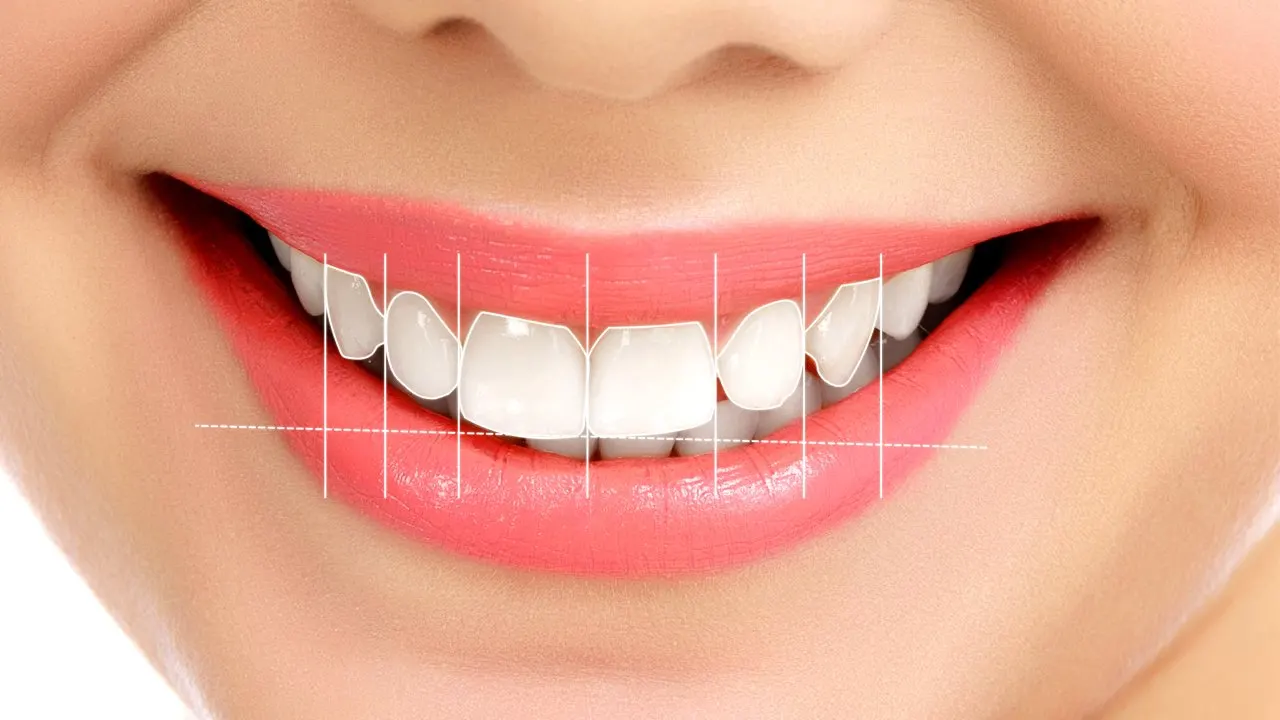
You can also ask for the answers to these questions as a written plan; this way you can place the offers you receive from two different clinics side by side under the same headings. When comparing, look not only at the brand name but at the details of the plan, the check-up schedule and the support after treatment. The digital simulation shows the targeted final alignment and the estimated number of aligners; however, the simulation is a target, not a firm promise. If the teeth move differently than expected during treatment, the plan is updated. Talking about this flexibility from the start keeps you from being surprised in the middle of the process.
OPC Klinik is a dental clinic in Kadıköy that also offers advanced treatments such as zygomatic implants and orthognathic surgery, and whose founding partners are university faculty members; in addition to Turkish, we also serve in English, German and Italian. We offer orthodontic and clear aligner treatment services together; you can see the options on the Invisalign and clear aligners page, and to clarify together with the dentist at the exam which system suits your teeth, you can make an appointment through the contact page.