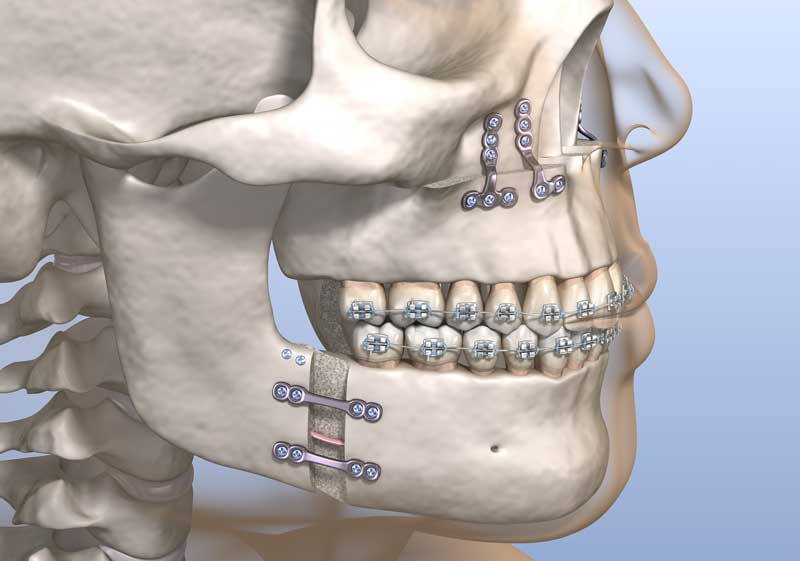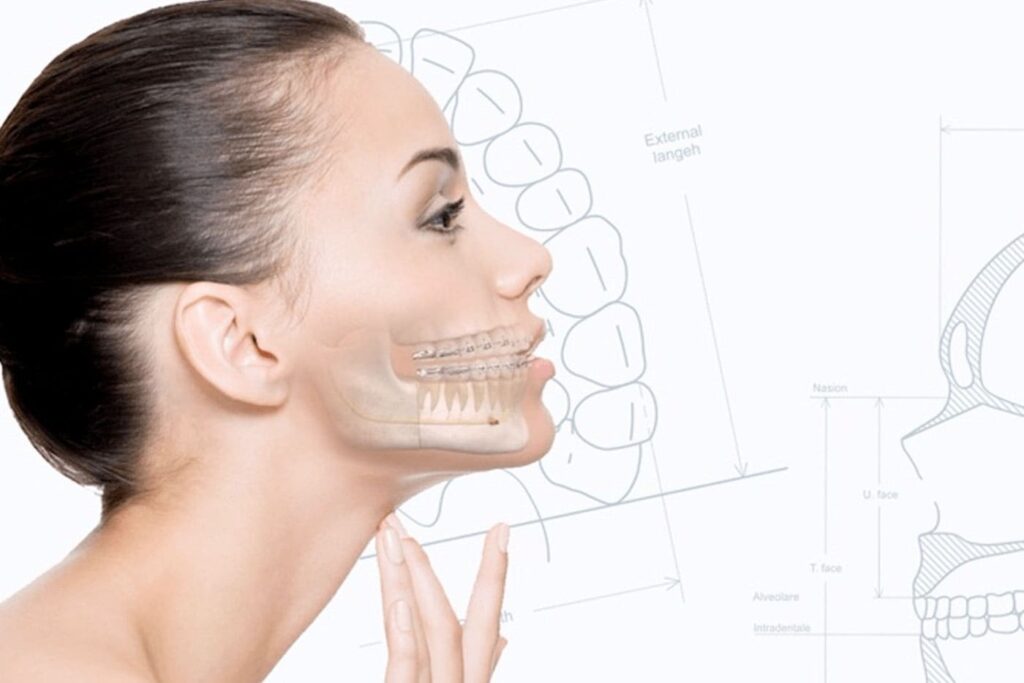
The stress and anxiety of daily life profoundly impact not only our mental health but also our physical health. One of the areas where these effects are most tangibly felt is the Temporomandibular Joint (TMJ) and its surrounding muscles. The TMJ is a complex structure that connects the lower jaw to the skull and enables basic functions such as speaking, chewing, and swallowing. However, psychological factors such as stress and anxiety can negatively impact this delicate joint, leading to problems such as bruxism (clenching and grinding teeth) and jaw pain and locking. These conditions can significantly reduce an individual’s quality of life and, if left untreated, can develop into chronic pain syndromes. At OPC Clinic, we highlight the effects of stress and anxiety on jaw health and offer our patients holistic solutions to break this cycle.
Stress and the Body’s Alarm System
Our body responds to stress with a “fight or flight” response. During this response, stress hormones such as cortisol and adrenaline are released. These hormones prepare the body for danger by increasing heart rate, blood pressure, and muscle tension. In chronic stress, this alarm system remains constantly activated, causing prolonged muscle contraction throughout the body. This tension is particularly reflected in our chewing muscles (masseter and temporalis). These muscles, some of the strongest in our face, unconsciously contract in response to stress and clench our teeth, placing excessive strain on the TMJ.
Indirect Effects of Anxiety on Jaw Health
Anxiety creates a constant state of worry and tension. This disrupts an individual’s sleep pattern, creates constant muscle tension, and unknowingly triggers the habit of bruxism.
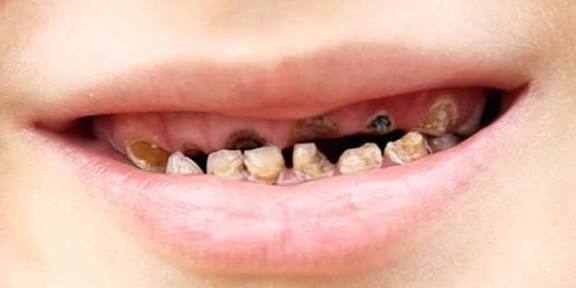
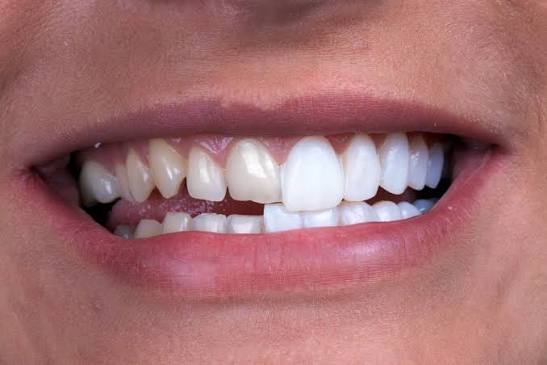
- Bruxism: Clenching or grinding teeth unconsciously during sleep or during the day can lead to tooth wear, cracks, and fractures. This also damages the temporomandibular joint disc and joint surfaces.
- Sleep Quality: Sleep disruption due to anxiety increases the severity of bruxism. Insufficient sleep can lead to muscle restlessness and inflammation of the tissues surrounding the TMJ.
- Head and Facial Pain: Constant tension in the chewing muscles can cause pain that radiates through the nerves to the temples, head, and neck. These pains can also manifest as migraine-like symptoms.
These indirect effects indicate that anxiety is not only a psychological problem but also causes tangible physical discomfort.
Daily Life Habits and TMJ Fatigue
In addition to stress and anxiety, certain daily life habits can negatively impact jaw health.
- Poor Posture: Leaning forward, especially while working on a computer or using a phone, creates tension in the neck and shoulder muscles. This tension spreads to the jaw joint muscles, tiring them.
- Nail Biting and Gum Chewing: These repetitive habits place unnecessary and constant stress on the jaw joint. This can lead to disc displacement and muscle fatigue.
The Vicious Cycle Between Stress and TMJ
A vicious cycle can develop between stress and TMJ problems.
This cycle cannot be easily broken without medical intervention and lifestyle changes.
Treatment of Stress-Related TMJ Problems
Treatment of TMJ problems due to stress and anxiety requires a multifaceted approach.
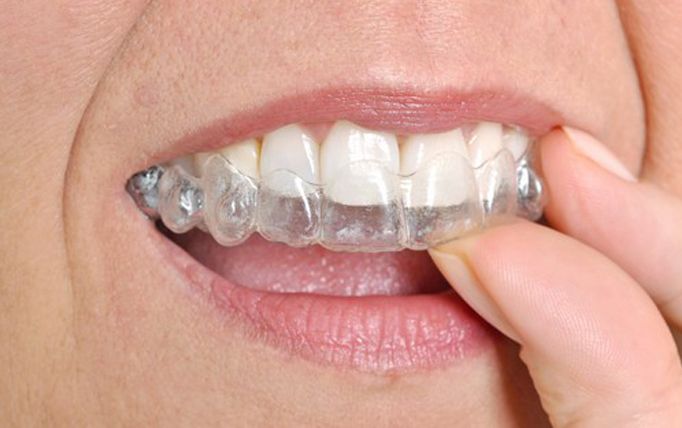
- Night Splint: A specially designed night splint is used in patients with a habit of clenching their teeth to protect their teeth and reduce the load on the jaw joint. This splint prevents tooth wear and relaxes the jaw muscles.
- Botox for the Masseter: Botox for the Masseter is an effective solution for pain and tension caused by excessive contraction of the chewing muscles. By reducing muscle strength, Botox both relieves pain and slims the jawline for an aesthetically pleasing appearance.
- Physical Therapy and Exercise: Specific exercises and physical therapy methods can be applied to strengthen the jaw muscles, increase flexibility, and maintain correct posture.
- StManagement: Methods such as meditation, yoga, or cognitive behavioral therapy may be recommended to help patients manage their stress and anxiety.
OPC Clinic: Holistic Approach
At OPC Clinic, we don’t view temporomandibular joint problems merely as a physical ailment. We plan treatment with a holistic approach, taking into account the patient’s general health, lifestyle, and psychological state.
- Expertise: Our expert jaw surgeons use the latest techniques in the diagnosis and treatment of TMJ disorders.
- Accurate Diagnosis: We accurately identify the source of the problem using advanced imaging methods such as 3D CT scans.
- Personalized Treatment: Each patient’s situation is different. That’s why we not only offer treatment options like masseter Botox or night splints, but also create a personalized roadmap for our patients.
- Education and Consulting: We educate our patients on stress management, proper posture, and maintaining TMJ health.
Remember, stress and anxiety can have serious consequences on your jaw health. If you’re experiencing symptoms like pain, clicking, or locking in your jaw, don’t ignore them. Seeking professional help is the most important step you can take to protect both your physical and mental health.