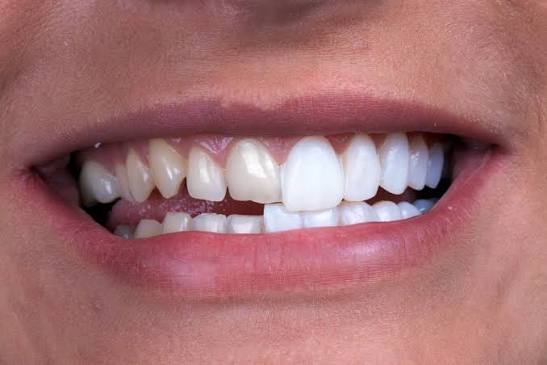
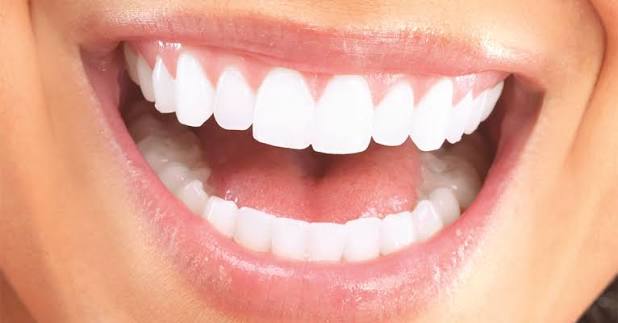
Laminate veneers, one of the most popular and effective solutions in cosmetic dentistry in recent years, promise a natural smile with their thin and elegant structure. However, this thinness raises the question in the minds of many patients, “How durable can such a thin veneer be?” In this article, “How Durable Are Laminate Veneers? The Risk of Breakage and Cracking?”, we will examine in detail how, contrary to popular belief, laminate veneers are made extremely durable, the potential risks of breaking and cracking, and the scientifically based approaches offered by professional centers like the OPC Clinic.
The Meeting of Elegance and Strength: The Secret of Laminate Veneers
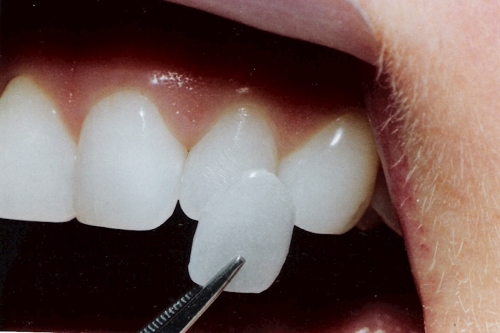
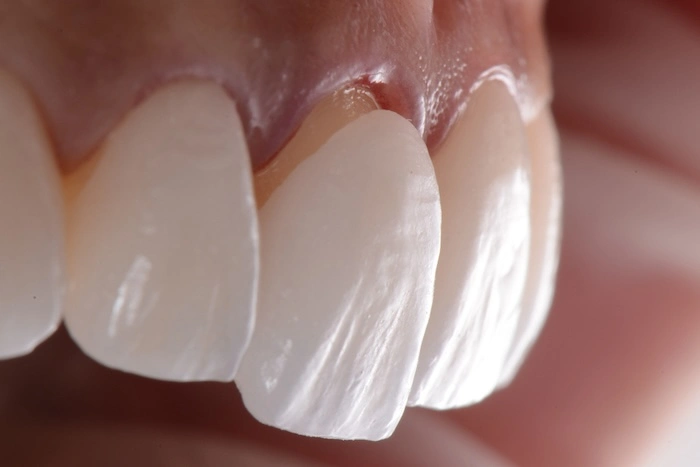
Although only 0.3-0.7 mm thick, laminate veneers, when applied with the correct technique, are not simply porcelain layers that stand alone. Their true strength comes from being bonded to the front surface of the tooth with a special bonding system. This bonding process allows the porcelain and enamel to become one. This chemical and mechanical bond is so strong that the veneer acts as a component of the tooth. This allows veneers to support much more weight than they could on their own.
Durability Criteria for Veneer Veneers
The lifespan and resistance to fracture of a veneer depend on several important factors:
- Material Quality: The quality of the porcelain used directly affects its durability. Higher-quality porcelain is more resistant to abrasion and staining.
- Tooth Preparation: The front surface of the tooth must be precisely prepared so that the veneer fits perfectly. The dentist’s experience at this stage is vital to the veneer’s longevity.
- Adhesive Bonding Process: The veneer must be firmly and impermeably bonded to the tooth. Special adhesives and proper techniques prevent the veneer from dislodging or breaking.
- Patient Care and Habits: Maintaining good oral hygiene and avoiding biting hard objects (pencils, nails, nuts, etc.) will prolong the life of the veneer.
Possible Risks of Breaking and Cracking
Although durable, veneers can sometimes break or crack. These risks generally occur in the following situations:
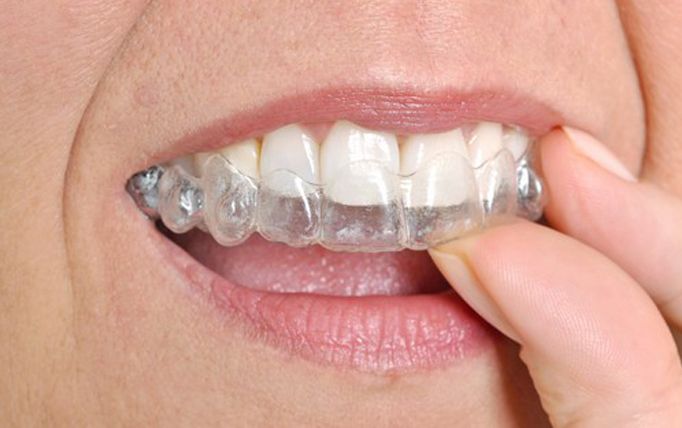
- Bruxism (Teeth Clenching): Cracks can occur in patients who clench or grind their teeth at night due to excessive pressure on the veneers. In such cases, the use of a night guard is recommended.
- Trauma: A sharp blow or accident to the tooth can cause the veneer to break. This risk also applies to natural teeth.
- Incorrect Use: Using veneered teeth for purposes such as breaking hard foods or opening packages can weaken and cause the veneer to break.
- Poor Practice: The dentist’s inexperience or use of poor-quality materials can cause gaps to form around the edges of the veneer. These gaps can lead to staining and weakening of the veneer over time.
Can Broken or Cracked Veneers Be Repaired?
Broken or cracked veneers usually require replacement. The dentist carefully removes the old veneer and prepares a new one. This process is similar to the initial application. The feasibility of repair depends on the extent and location of the damage.
OPC Clinic’s Professional and Scientific Approach
OPC Clinic focuses not only on aesthetic results but also on long-term durability in veneer treatment. The clinic’s approach is not only to inform patients but also to take proactive steps to prevent potential risks.
OPC Clinic’s Approach:
- Accurate Diagnosis and Planning: Before starting treatment, the patient’s oral structure, habits such as clenching, and lifestyle are analyzed. Protective measures such as night guards are recommended when necessary.
- Expert Application: The latest technology bonding materials and techniques are used during the veneer bonding phase. This ensures the strongest bond between the veneer and the tooth.
- Patient Education: After treatment, patients are provided with detailed information about how to care for their veneers, what to pay attention to, and the importance of regular checkups.
Laminate Veneer Durability
In conclusion, despite their thin and elegant appearance, laminate veneers have become extremely durable thanks to the technology and material science provided by modern dentistry. The risk of chipping and cracking can be minimized with proper planning and the care of a qualified dentist and patient. A reliable center like OPC Clinic meticulously manages this process from the very beginning, guaranteeing you a smile that is both aesthetically pleasing and long-lasting. Remember, when applied in the right hands, laminate veneers are a safe way to achieve the smile of your dreams.