Tooth Decay Treatment in Children in Kadıköy: Modern Pedodontic Solutions with OPC Clinic
Although tooth decay is commonly perceived across society as a simple cosmetic problem associated with excessive sugar consumption, medical literature defines it as a
“chronic, infectious, and biobacterial disease.” Especially in children during the growth and development period, an oral flora that has not yet fully stabilized,
insufficient toothbrushing motor skills, and carbohydrate-heavy dietary habits create a perfect breeding ground for cariogenic (decay-causing) bacteria.
Tooth decay treatment processes for children in Kadıköy have biological dynamics that are completely different from those in adults. The anatomical
structure of primary (baby) teeth is far more delicate at the cellular level compared to adults’ permanent teeth. The thinness of the protective outer layers—enamel
and dentin—causes carious lesions to reach the nerve network (pulp) located in the innermost part of the tooth within a short period of just a few months. For this
reason, even a minor discoloration or stain that begins in children can rapidly turn into a painful infection.
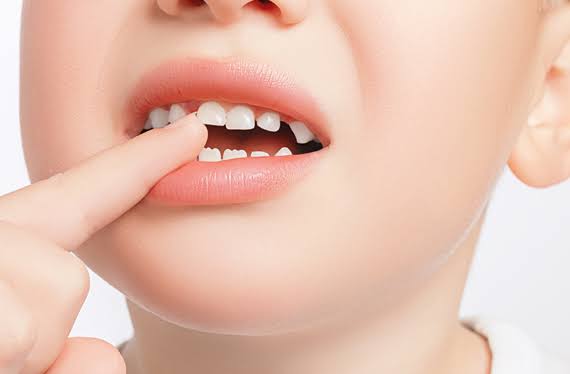
The common misconception among parents—“It’s a baby tooth; it will fall out anyway, so there is no need for a filling or treatment”—can lead to hard-to-compensate
damage in a child’s jaw development. Primary teeth not only grind food and support healthy growth; they are also natural space maintainers that preserve the form of
the jawbone. A primary tooth lost early due to decay can cause neighboring teeth to tip into the empty space and pave the way for the permanent tooth coming from below
to remain impacted or erupt crowded. With its modern, child-friendly infrastructure in Kadıköy, OPC Clinic has made protecting this biological balance
its core mission. The pedodontic decay treatments performed at the clinic offer a multidisciplinary approach that aims to keep the tooth in the mouth rather than extract
it, remove decayed tissue painlessly, and restore function using biocompatible materials.
The Biochemical Mechanism of Tooth Decay in Children
A child’s oral environment is a complex ecosystem in which different bacterial species coexist. Microscopic residues left on tooth surfaces by consumed foods (the plaque
layer) are metabolized by a specific bacterium called Streptococcus mutans. This metabolism produces acid. The acidic environment causes the dissolution
(demineralization) of calcium and phosphate minerals in tooth enamel. While saliva naturally attempts to neutralize this acid, frequent snacking habits or teeth that are
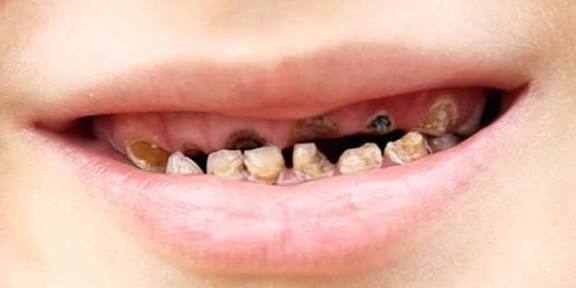
not brushed before sleep can overwhelm saliva’s defense mechanism. This mineral loss, which initially appears as chalky white spots, turns into brown/black cavitations
(holes) when left untreated.
The table below details the different clinical approaches applied at OPC Clinic and the associated symptoms according to the depth of carious lesions:
| Caries Depth (Stage) | Clinical Symptoms and the Child’s Complaints | OPC Clinic Treatment Approach |
|---|---|---|
| Early Stage (Enamel Caries) | No pain. Dull, white, or slightly yellowish chalk-like spots are observed on the tooth surface. | Remineralization (repair) is achieved without damaging the tooth structure using ozone therapy or high-concentration fluoride varnishes. |
| Moderate Stage (Dentin Caries) | Short-term sensitivity begins when consuming sweet, cold, or hot foods. Visible black/brown holes are present. | Decayed tissue is removed with micro-motors, and the cavity is sealed with fluoride-releasing biocompatible restorative materials (fillings). |
| Advanced Stage (Pulp Involvement) | Throbbing pain that wakes the child at night, pressure sensation while chewing, gum swelling (abscess), and bad odor. | Infection is removed with partial (pulpotomy) or complete (pulpectomy) root canal treatment, followed by restoration with a stainless-steel or zirconia crown. |
Trauma-Free Restorative Treatment Principles at OPC Clinic
A negative dental experience in childhood can cause an individual to avoid dentists throughout life and face serious oral health problems in adulthood. To overcome this
psychological barrier, OPC Clinic’s specialist pedodontic team places “Behavior Management Techniques” at the very center of clinical routine. The vibration or sound
level of rotary instruments used during decay treatment may increase a child’s anxiety. Therefore, before treatment, the materials and instruments are introduced in a
way that appeals to the child’s imagination. To ensure that no pain is felt during the procedure, computer-assisted painless local anesthesia systems are used, delivering
anesthetic according to tissue pressure. The numbing process is achieved through a comfortable and slow transfer of fluid—so gentle that the child does not notice it.
After removing the decayed tissue, the dentist strategically determines which material to use to fill the resulting cavity, based on the remaining lifespan of the
primary tooth and the size of the decay. The fundamental restorative building blocks applied in our clinic can be summarized as follows:
- Compomer and Glass Ionomer Fillings: Frequently preferred in pediatric dentistry, these smart materials not only match the tooth color but also provide
a slow and continuous fluoride release into the mouth, actively preventing the formation of new decay around the filling (secondary caries). - Pulpotomy (Primary Tooth Pulp Therapy): In cases where decay reaches the tooth’s blood-nerve bundle (pulp), only the infected upper portion of the
nerve tissue is removed. Healthy nerve tissue in the roots is preserved, covered with special biocompatible medicaments, and the tooth is kept in the mouth to complete
its natural root resorption process.
Sustainable Oral Hygiene Management After Treatment
After successful decay treatment, the long-term durability of clinical recovery and the protection of other healthy teeth are directly related to the at-home care routine.
OPC Clinic does not view decay treatment as merely a mechanical repair process; it also provides comprehensive nutrition and hygiene education for parents. Fillings placed
in primary teeth may become vulnerable to recurrent decay if brushing is neglected. Using age-appropriate fluoride toothpastes (with adjusted ppm values), establishing a
flossing habit, and especially limiting sticky/carbohydrate-rich foods consumed right before bedtime are key factors that ensure long-term treatment success.
A child’s ability to smile freely and eat comfortably is one of the most important supports for overall physical development and psychological self-confidence. Cavities
are not fate or an inevitable part of growing up; they are clinical conditions that can be completely prevented and treated with modern dentistry approaches. In Kadıköy,
OPC Clinic supports you in safeguarding the healthy smiles of little heroes with its specialist pedodontists, advanced technology equipment, and a clinical philosophy
that understands the child’s world—by addressing your children’s oral and dental health with a holistic approach.