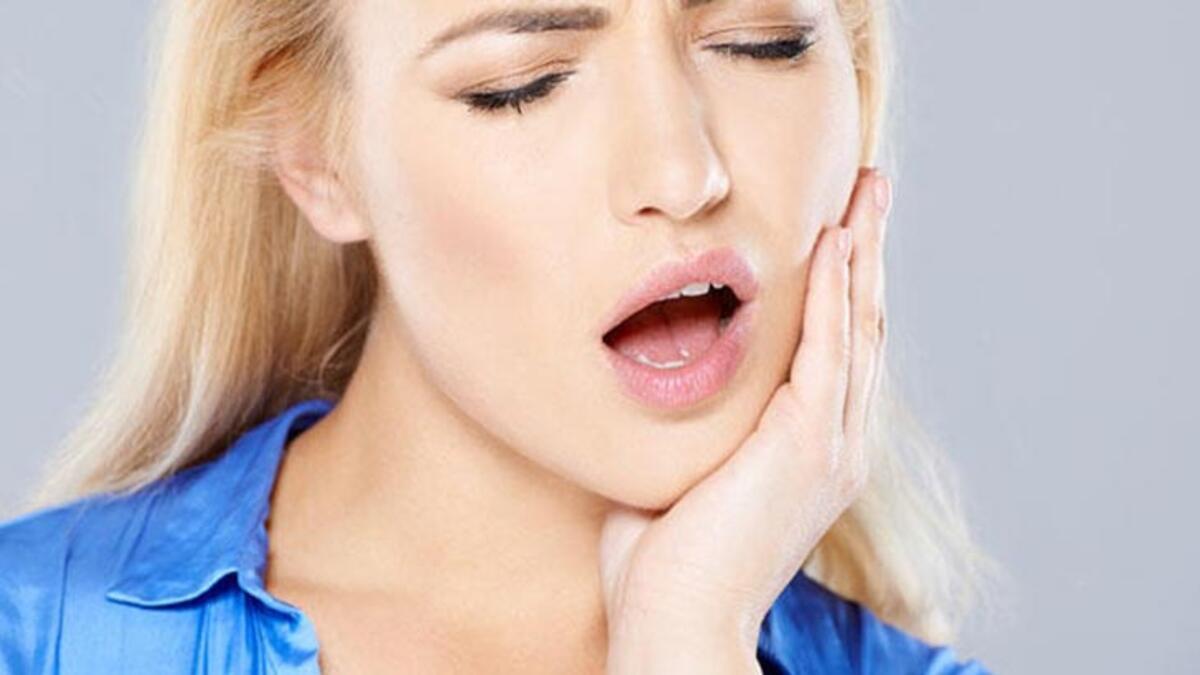
Women’s health and dental problems may bring to mind the changing oral health issues that occur at different stages of your life. The shifting balances in your body due to different hormone levels also affect your dental health. To protect your bone and dental health, you should follow an appropriate diet for each stage, from youth to old age.
Women’s health and teeth brings to mind issues that arise during different periods, such as pregnancy, birth control, and menopause. You need extra calcium during pregnancy. You may experience similar effects on birth control during pregnancy. Therefore, you should pay attention to your diet to address imbalances caused by hormonal changes and protect your dental health. You should ensure a balanced calcium and vitamin D intake. During menopause, you should discuss any additional treatments and supplements you are taking with your doctor during dental treatment.
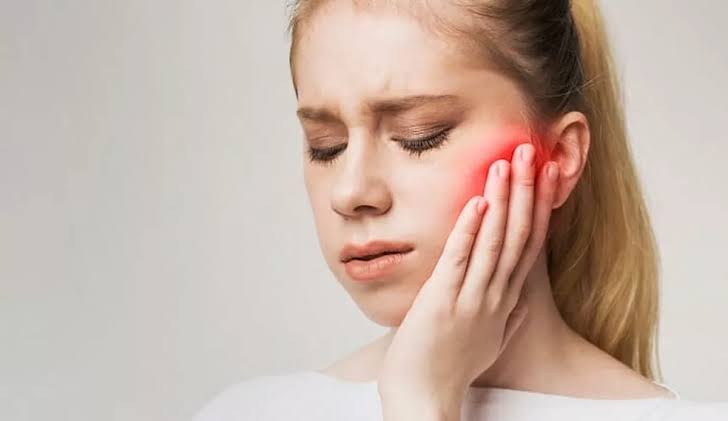
Each stage has different psychological and physiological needs. Hormonal changes lead to both psychological and physiological changes. You may experience various problems, such as emotional sensitivity, tooth sensitivity, increased oral inflammation, and gum and palate discomfort.
To become more aware of women’s health and dental problems and receive treatment for your dental conditions, you should visit a dental clinic. Your dentist will share with you the treatment options available for any special conditions you may experience during pregnancy, birth control, and menopause. During this time, you can contact the OPC Clinic’s expert team to learn about proper oral care and address your dental problems.
Hormones and Oral Health
When it comes to the relationship between hormones and dental health, your body becomes more sensitive due to hormones. Your mouth and teeth become more sensitive than before. You should be careful not to neglect your oral care during this period. While taking hormones, redness, inflammation, sores, and swelling may occur in the mouth.
When it comes to treatments for hormones and dental problems, birth control pills complicate the dental treatment process. If you’re planning to have dental treatment while taking hormones, you should consult your doctor beforehand. This will help you better understand the potential complications you may experience, especially those that may arise after tooth extraction.
One potential problem you may experience is a dry socket after tooth extraction. This condition manifests as pain and inflammation after the tooth is extracted. The birth control pills you use cause an increase in the hormones progesterone and estrogen. These increases can lead to increased inflammation.
If you need to take antibiotics due to dental problems, the effectiveness of birth control pills decreases. This reduces your chances of protection during the birth control process. Being aware of this during treatment can help prevent an unintended pregnancy.
 Pregnancy and Teeth Problems
When pregnancy and dental health problems come together, the treatment process must be planned very carefully. Since you cannot use medication during pregnancy, you should be careful to receive appropriate treatment for this period. Within the scope of Women’s health and dental problems, treatment for tooth fractures and cavities that occur during pregnancy is postponed to avoid harming the baby.You should consult your dentist based on the severity of your dental problems. This way, you can plan your treatment to avoid harming your baby and your overall health.
Another important point to consider regarding Hormones and dental problems during pregnancy is pre-pregnancy health checks. Especially if you’re planning a pregnancy, you should ensure you have regular oral and dental care beforehand. If you need to have tooth decay treated during pregnancy, there’s no need to worry.
The filling procedure is performed under local anesthesia. The anesthesia used only numbs the nerve of the tooth. Therefore, it doesn’t have a significant effect on your overall body. It doesn’t pose a threat to your baby’s health. However, to be sure, you can make the best decision by consulting your dentist.
Menopause and Oral Health
Menopause and dental problems generally refer to conditions that occur due to hormonal changes that occur with age. When receiving treatment for dental problems, you should inform your doctor about any chronic conditions and medications you are taking. If you are taking vitamin D supplements due to osteoporosis, you should inform your dentist.
Hormones and dental problems during menopause generally refer to oral and intraoral problems. Hormonal changes can also lead to changes in taste due to changes in oral secretions. Gum disease and inflammation are among the problems you may experience during menopause.
During menopause, with decreasing bone density, the jawbone, teeth, and oral tissue begin to become weaker. Your teeth may lose their strength and begin to break. Tooth decay may occur more quickly. Chronic conditions that arise with decreased body resistance can lead to various oral and dental problems. Bleeding gums may be one of these.
Regular dental checkups before menopause can help prevent potential problems. By following your dentist’s recommendations, your oral and dental health can maintain its strength for many years. You can protect your teeth and bone structure by following a healthy diet appropriate for your hormone levels and age. Regular checkups can help manage any dental and oral problems.
 Hormonal Contraceptives Effects