Why Should Oral and Dental Health in Children Begin at an Early Age?
Being a parent in Istanbul means endless rushing around. Finding the best school, calculating traffic, getting to courses on time… In this intensity, sometimes even the most basic health checkups are postponed with the mentality of “if there’s no pain, there’s no problem.” Especially when it comes to teeth, the thought, “Baby teeth will fall out anyway, new ones will grow in their place, why should we get them treated?” is still a common belief in our society.
However, scientific facts are very different. A baby tooth your child has extracted at age 6 could be the root cause of braces, speech disorders, or lack of self-confidence they will have to wear at age 18.
Critical Window: The First 6 Months – 6 Years
The dental association and the World Health Organization recommend that the first dental check-up be done when the first baby tooth erupts (approximately 6 months) or at the latest at 1 year of age. Why so early?
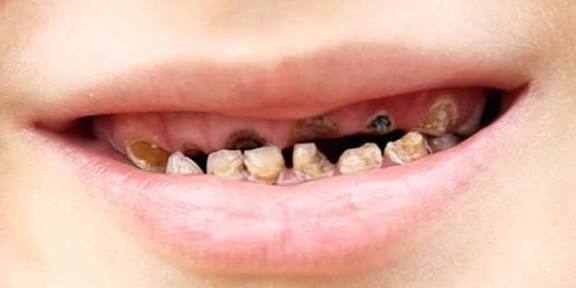
Because the oral flora (bacterial balance) is formed during this period. If a child does not acquire proper nutrition and hygiene habits at an early age, they face the risk of “Bottle Caries” (Early Childhood Caries). Bottle caries not only darkens the teeth; it also prevents the child from eating, disrupts their sleep, and slows their growth and development.
💡 Baby Teeth Are Not Just for Chewing!
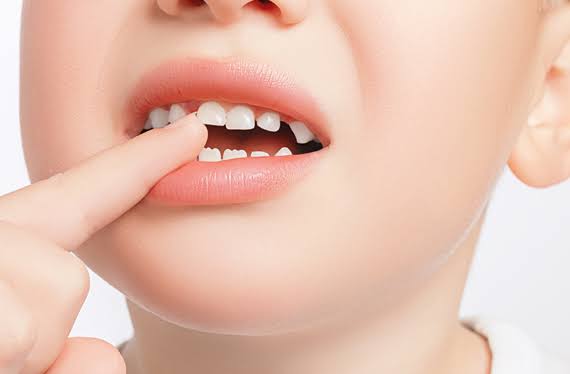
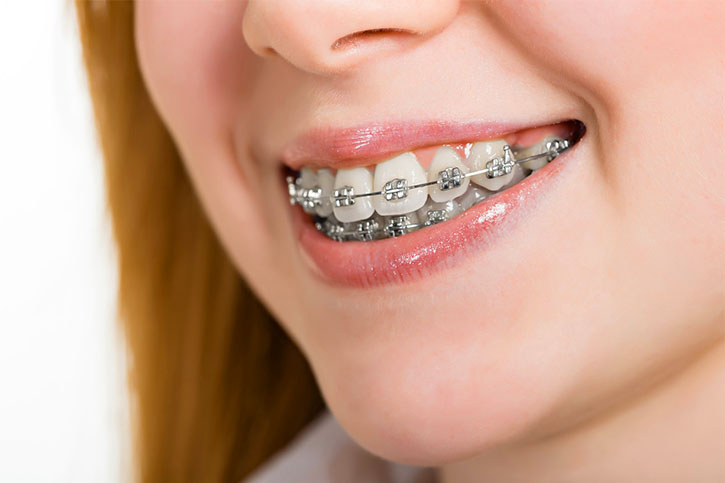
The lesser-known but most vital function of baby teeth is “Space Holder”. Baby teeth guide the permanent teeth that will come from underneath them. “Stay here, this is your place,” they say. If a baby tooth decays and is extracted prematurely, the adjacent teeth shift into the space. The space where the permanent tooth will erupt closes, and the tooth remains impacted or erupts crookedly. Therefore, protecting baby teeth protects your child from future orthodontic treatments.
5 Vital Reasons to Start Early
Why should you take your child to the dentist even if they don’t have pain? Here are 5 reasons highlighted by experts in Istanbul:
- 1. Preventing “White Coat Fear”
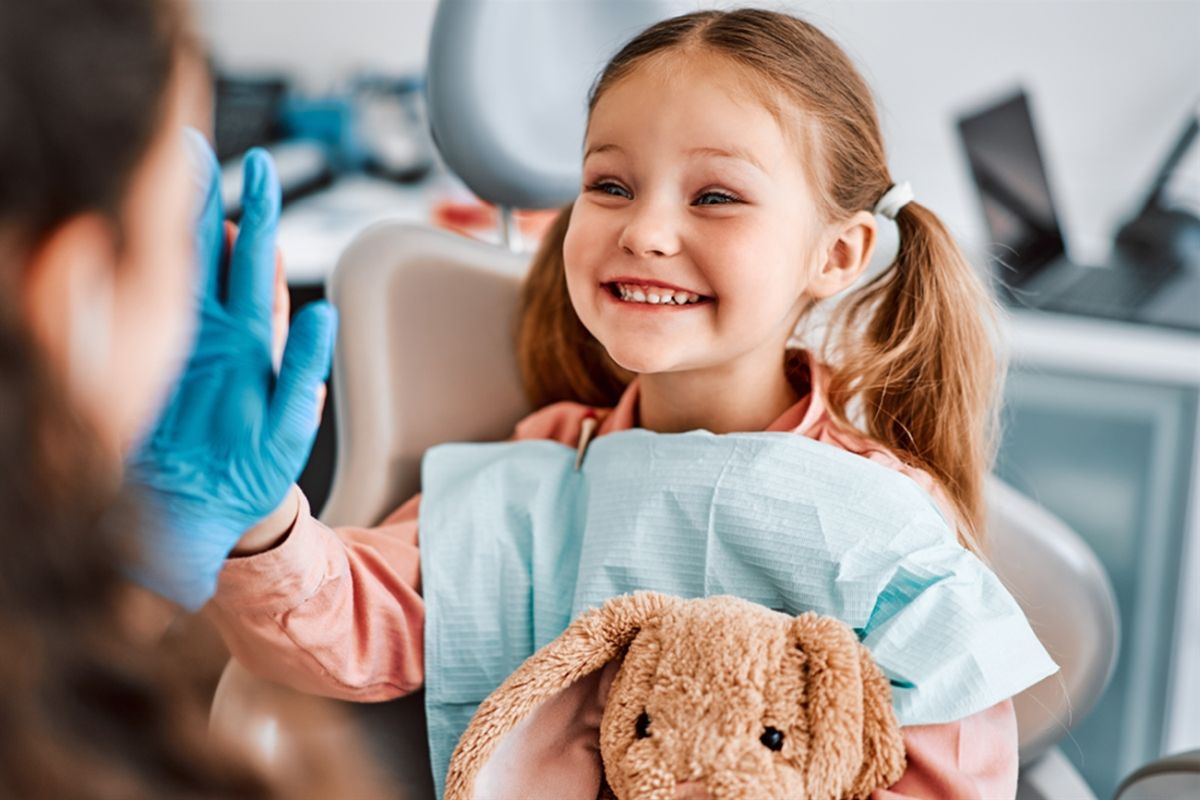
If a child goes to the dentist for the first time “when they have a toothache,” they will always remember that chair with pain. However, if they go at a time when they are not in pain, just for a check-up and play, the dentist becomes a “playmate” for them. A phobia does not develop. - 2. Speech Development (Phonation)The presence of front baby teeth is essential for the correct pronunciation of letters such as “S”, “Z”, “F”, and “V”. In children who experience early tooth loss, lisping and speech disorders may become permanent.
3. Nutrition and GrowthChildren with decayed teeth reject hard and nutritious foods (meat, apples, etc.) because they experience pain while chewing. They gravitate towards soft, carbohydrate-rich foods. This can lead to both obesity and developmental delay.
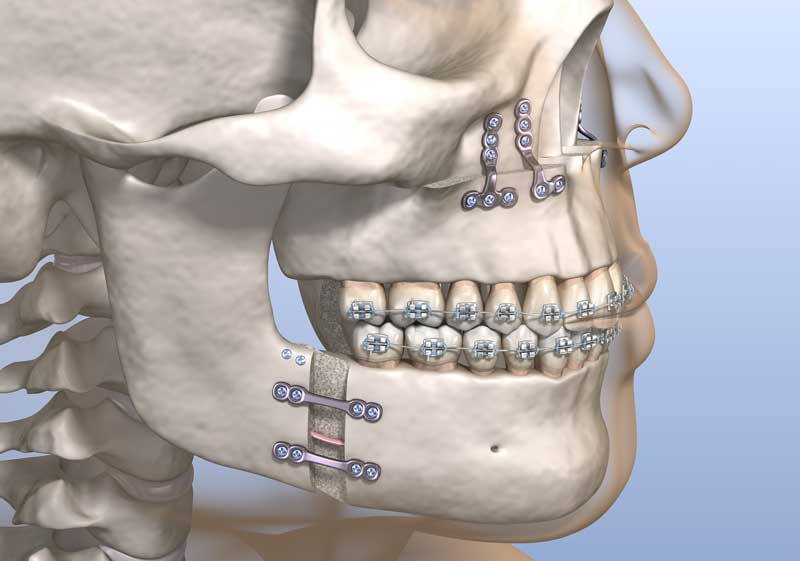
4. Jaw DevelopmentChewing function stimulates and promotes the growth of the jaw bones. Tooth loss or unilateral chewing causes facial asymmetry and jaw narrowing. 5. Protective Shields (Fissure Sealants)
Simple procedures performed before decay occurs (Fluoride and Fissure Sealants) protect the teeth like armor. These procedures are only possible at an early age.
📍 Istanbul and the “Sugar Trap”
In Istanbul, school canteens, shopping malls, and markets are sugary food paradises for children. Furthermore, in our traditional culture, it’s common to give children Turkish delight or chocolate to silence or reward them. This “sugar bombardment” brought about by city life is increasing the rate of cavities in children in Istanbul. Early dental visits also provide parents with nutritional counseling on this issue.
Bottle Caries: The Danger That Comes at Night
Many parents put their children to sleep with milk or milk with honey at night. However, saliva flow decreases during sleep, leaving teeth unprotected. The sugar (lactose) in the milk produces acid on the teeth until morning.
Comparison: Early Intervention vs. Delayed Treatment
Differences between a child who meets a dentist at an early age (1-3 years) and a child who comes after problems have started (7-8 years):
| Criteria | Child Who Starts Early (Regular Check-ups) | Child Who Comes Late (Painful) |
|---|---|---|
| Perception of the Dentist | Play, fun, reward. | Fear, needle, pain, trauma. |
| Type of Treatment | Protective (Fluoride, Fissure Sealant) – Painless. | Therapeutic (Root Canal, Extraction, Filling) – Anesthesia required. |
| <sCost | Low (2 check-ups per year). | High (Orthodontics, Implants, Root Canal). |
| School Performance | Not Affected. | Absence and concentration problems due to toothache. |
| Future Tooth Structure | Properly aligned, healthy teeth. | Crooked teeth, impacted teeth. |
Choosing a Pedodontist (Children’s Dentist) in Istanbul
Can every dentist treat children? Theoretically yes, but practically no. Children are not “miniature adults.” Their anatomy, psychology, and reactions are completely different.
In Istanbul, dentists with the title of “Pedodontist” (Pediatric Dentistry Specialist) undergo 4 years of extra specialization training. Their clinics are specially designed for children; the chairs are colorful, cartoons are shown, and instruments are hidden. Choosing a Pedodontist for your child’s first dental experience will ensure they never fear dentists again.
Conclusion: The Most Valuable Legacy is Health
Starting oral and dental health care in children at an early age is the most valuable legacy you can leave them. This means not only caries-free teeth; it also means raising a confident smile, a healthy digestive system, and an individual without phobias.
Take advantage of Istanbul’s opportunities. When your child’s “first tooth” comes in or when they “turn 1 year old,” give them a birthday present and introduce them to a Pedodontist. Remember, a tree is best bent while it is young; dental health awareness is acquired in childhood.